
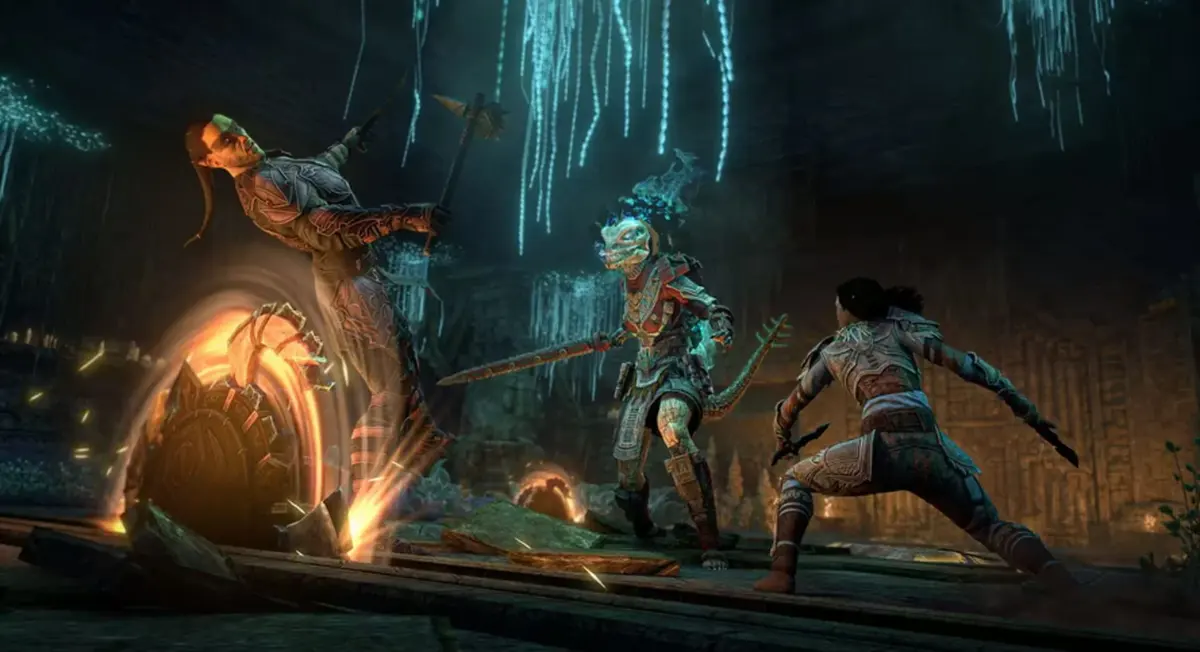
The immediate danger is not an announced delay to The Elder Scrolls VI or Fallout 5; it is the loss of people who know why Bethesda’s sprawling games work, break, and get repaired. That knowledge is especially difficult to replace in projects built on long-running tools, deeply interconnected quests, and decades of franchise conventions.
Table of Contents (4)
The risk is not abstract headcount loss
Xbox began cutting about 3,200 roles across fiscal year 2027 on July 6, 2026, with roughly 1,600 jobs eliminated immediately. The changes reached Activision, Bethesda/ZeniMax, Blizzard, King, Mojang, and Xbox Game Studios. Bethesda Game Studios lost about 50 staffers or more, though Bethesda has not published a complete breakdown.
Among the named departures are Christiane Meister, whose Bethesda credits span Morrowind, Oblivion, Skyrim, Fallout 3, Fallout 4, and Fallout 76; longtime staffer Ray Lederer; lead weapon artist Dane Olds; Montreal producer Piers Duplock; and Austin systems designer Paul Salman. Bethesda Game Studios Austin employee Anne Barrett said affected workers were called into layoff meetings roughly an hour after Asha Sharma’s “resetting Xbox” memo, with some meetings lasting about two minutes.
That matters because Bethesda’s games are not tidy machines with interchangeable parts. They are giant stacks of quest logic, scripting dependencies, combat tuning, art rules, and old tool behavior that veteran staff simply remember. When that institutional knowledge goes missing, the first visible problem is rarely a dramatic public delay. It is friction. A quest breaks in a way that feels oddly familiar. A bug that should have been hotfixed lingers. A patch arrives, but the response feels slower and less sure-footed than it used to.
What Fallout and Elder Scrolls fans should actually watch
For players, the first warning signs will be practical. In Fallout 76, longer windows for bug fixes, fewer emergency hotfixes, or weaker patch communication would point to pressure on systems and community support. That is not glamorous, but it is the kind of thing players can measure week to week in a live-service game, meaning an ongoing game that depends on regular updates, fast bug response, and clear communication.
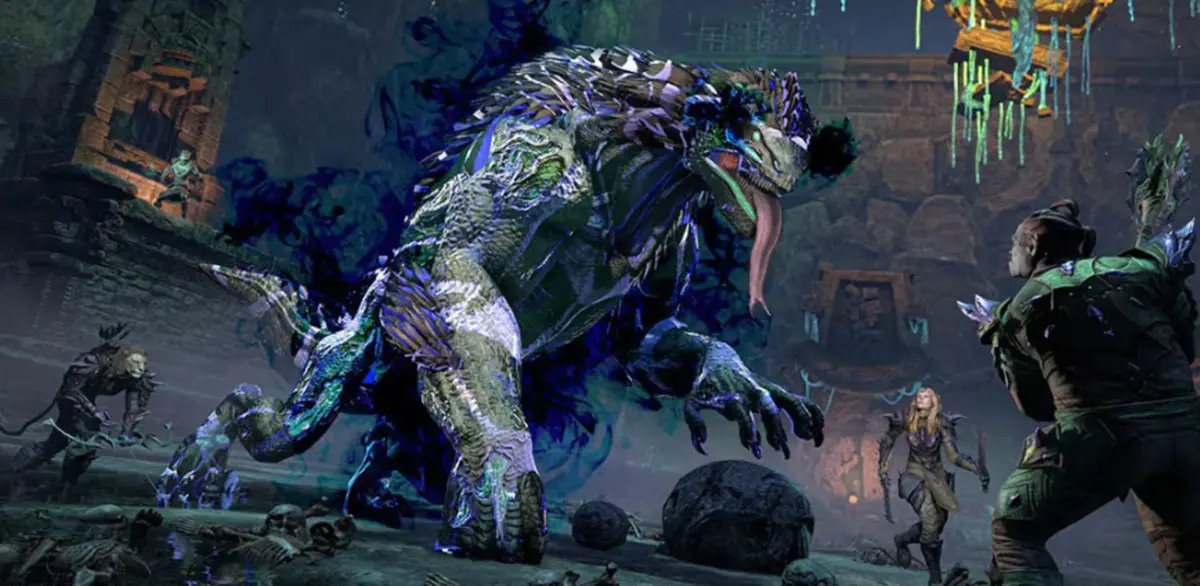
For The Elder Scrolls VI, the tells will look different because the game is not out in the wild. Watch for scripting failures, broken quest triggers, inconsistent side-quest design, or narrowly controlled demos with fewer systemic interactions than expected. If playable slices are unusually constrained, that can signal a team trying to show only what is most stable. If quest flow feels mechanically disconnected from one area to the next, that can point to continuity loss in senior quest and systems design.
There is also an art-side warning light here. Mismatched creature, armor, and first-person weapon styles would expose gaps in senior art-pipeline continuity. In a Bethesda game, weapon art is not only cosmetic. It affects first-person readability, animation feel, and how combat communicates weight and timing. If those pieces start feeling slightly out of tune with one another, players will notice even before they can name why.
Then there is QA triage, the unglamorous but essential process of deciding which bugs block a build, which ones can wait, and which ones are secretly tied to three other problems. Studios do not lose that judgment cleanly. They lose it messily. The result can be more regression bugs, more soft locks, and more time spent rediscovering why older content behaves the way it does.
ESO is the clearest place to measure support cadence
The Elder Scrolls Online: Feast of Shadows remains available through the 2025 Content Pass, Premium Edition, ESO Plus, or a 1,500-Crown purchase, with Black Gem Foundry and Naj-Caldeesh offering Normal, Veteran, and Veteran Hard Mode. Its existing release is not tied to a cancellation risk, but post-launch support cadence is now a more useful metric than corporate assurances.
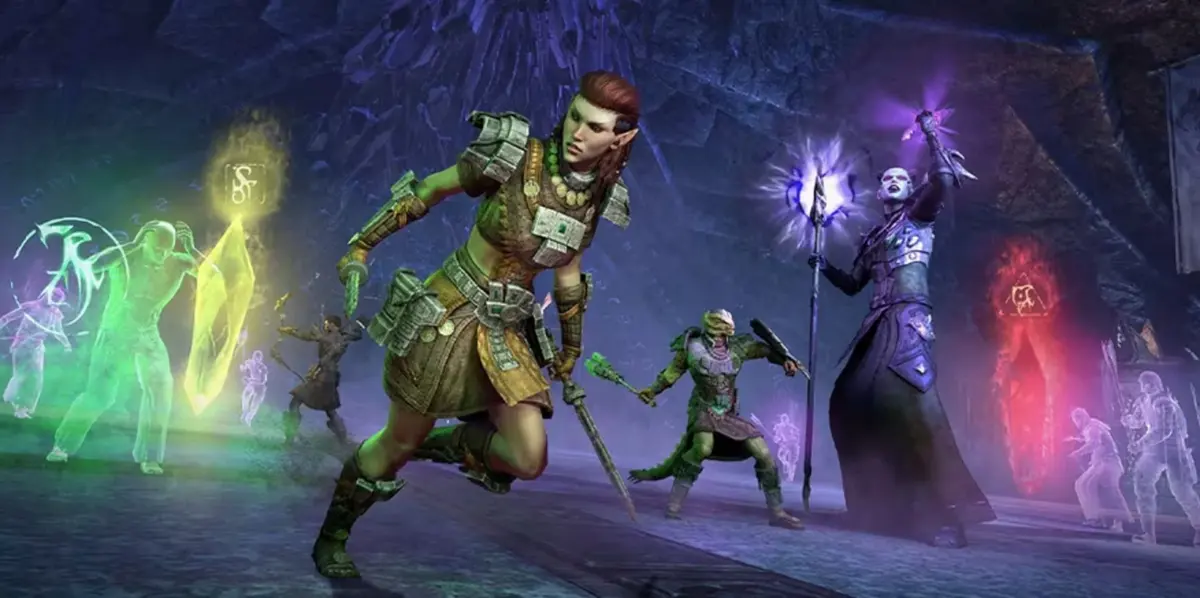
That is where the ESO connection becomes concrete instead of hand-wavy. Feast of Shadows is already a player-visible baseline: two dungeons, multiple difficulty tiers, and a release structure players can verify. Update 47 also added mount swimming, the ability to replay the last quest dialogue line, stackable survey reports, and Infinite Archive vision rerolls. Those are the kinds of quality-of-life and systems touches that reveal whether a team is still moving cleanly through fixes, tuning, and follow-up support.
The next thing to watch is not whether Feast of Shadows suddenly vanishes. It is whether the cadence around ESO’s ongoing milestones stays coherent. Public test cycles for the Battle for the Writhing Wall event outlined three phases, with only the first two phases available during testing. That kind of rollout gives players a simple way to check the health of support: are fixes landing cleanly, are known issues getting addressed, and does the event flow feel like it is being actively tended rather than merely pushed forward?
This is also why broad panic about cancellations misses the more immediate point. The clearest confirmed player-facing risk after cuts like these is near-term quality and stability slippage in ongoing live work and future showcases, not a public notice that The Elder Scrolls or Fallout has been shelved. If the roadmap shifts, players will feel it first in response speed, bug persistence, and how much confidence the games project when new content goes live.
The useful metric now is stability, scope, and response speed
Track upcoming patches and playable showcases for stability, scope, and response speed: those are the clearest player-visible measures of what these departures cost. If Fallout 76 needs longer to squash live issues, if ESO support around dungeon and event content starts feeling less precise, or if The Elder Scrolls VI is shown through unusually narrow slices, fans will not need a corporate statement to understand what changed. The signal will be in the work.
FinalBoss // Gear
Level up your setup
01Best-selling Xbox Series X|S gameson Amazon→02Xbox controllerson Amazon→03Top-rated gaming headsetson Amazon→04Discounted game keyson Kinguin→Affiliate links · As an Amazon Associate, FinalBoss earns from qualifying purchases.
Want to Level Up Your Gaming?
Get access to exclusive strategies, hidden tips, and pro-level insights that we don't share publicly.
Ultimate Gaming Strategy Guide + Weekly Pro Tips