
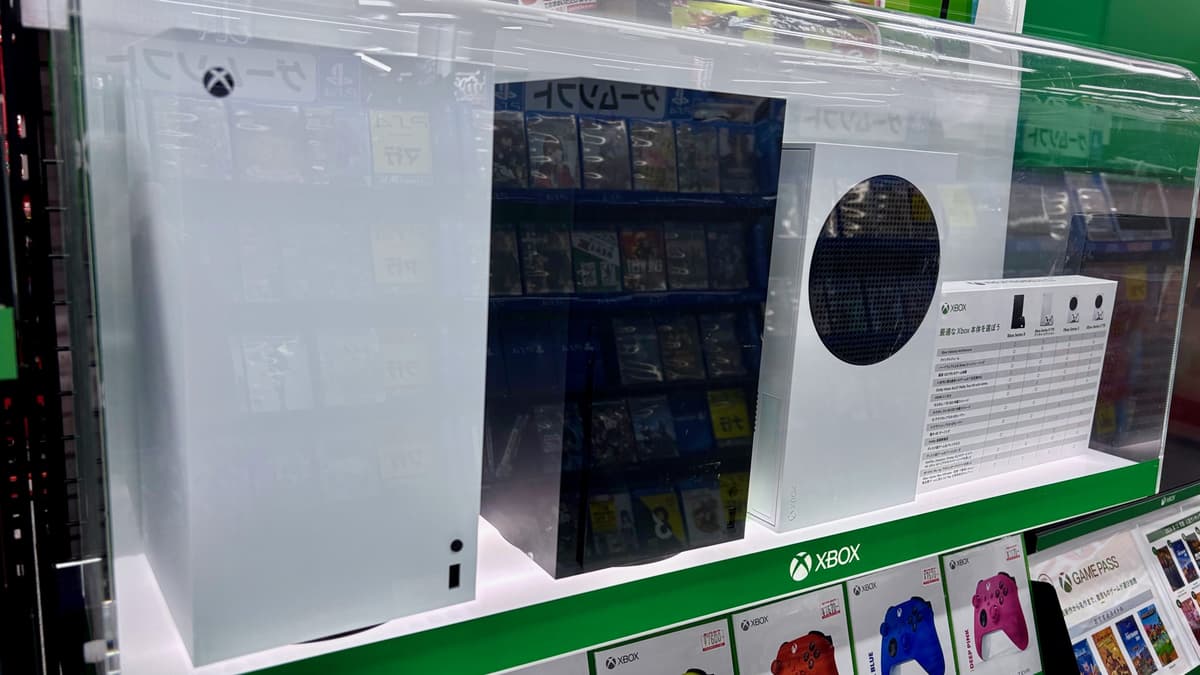
The clean takeaway from Microsoft’s latest quarter is brutal: Xbox is no longer being dragged down by one bad product cycle or one soft release window. This is starting to look like a structural problem. In Q3 of Microsoft’s fiscal 2026, Xbox gaming revenue fell 7% year-over-year to $5.34 billion, hardware revenue collapsed 33%, and even content and services slipped 5%. When the supposed future of the business is subscriptions, software, and platform reach, that last number is the one that should make people nervous.
Yes, console sales have been weak for a while. That part is not news. What matters is that Microsoft has spent years telling players and investors that Xbox was becoming less dependent on box sales anyway. The pitch was simple: hardware matters less when you own the ecosystem, the subscription, the cloud pipeline, and enough first-party content to keep people inside your orbit. A quarter like this does not kill that strategy, but it does expose how incomplete it still is.
Table of Contents (5)
The hardware collapse was expected – the services dip was not
A 33% drop in console hardware revenue is ugly, but it is also the least surprising number here. Xbox Series X|S has been under pressure for a long time, and the broader console market is mature enough that late-cycle declines are normal. Microsoft is also dealing with the obvious reality that it has spent the last few years training the market to think of Xbox as something bigger than an Xbox console. That helps the brand. It does not help hardware urgency.
The more uncomfortable observation is the 5% decline in content and services. That bucket includes the part of the business Microsoft most wants to be judged on: Game Pass, digital sales, and first-party software. If hardware is shrinking but content and services are growing, you can still tell a coherent transition story. If both are down at the same time, the transition starts looking less like evolution and more like erosion.
Some background reporting has pointed to pricing changes, Game Pass reshuffling, and the removal of certain high-value perks from the subscription offering as possible factors weighing on momentum. Those details matter, although Microsoft’s public earnings breakdown does not fully isolate how much each one contributed. What is clear is the top-line result: the “we’ll make it up on software and services” safety net did not show up this quarter.
This is the third bad quarter, which means it is a trend now
One rough quarter can be blamed on release timing. Two can be argued away with comparables. Three straight quarters of decline is where the excuses start sounding like investor-call wallpaper. Multiple reports around these results note that Xbox has now posted three consecutive quarters of contraction across its major categories. That does not mean the business is collapsing. It does mean the current version of the Xbox strategy is not producing the kind of stable growth Microsoft has been implying is just around the corner.
And this is where the larger Microsoft context matters. The parent company is doing extremely well. Microsoft’s broader quarterly revenue reportedly climbed strongly, powered by cloud and AI. So Xbox is not dragging the corporation into crisis. In practical terms, that is both protection and pressure. Protection, because Microsoft can afford to keep investing. Pressure, because weak Xbox numbers stand out even more sharply when everything else in the building is printing money.
That imbalance changes the conversation inside any giant corporation. A struggling division inside a struggling company gets patience. A struggling division inside a booming company gets scrutiny. Gamers do not need a management textbook to know how that usually ends: strategy resets, portfolio pruning, more aggressive monetization, or a louder push toward whatever executives think scales faster than premium hardware.
Microsoft’s multiplatform turn now looks less optional
The obvious read on these numbers is that Microsoft has even less reason to protect the old idea of Xbox exclusivity. If console revenue is falling this hard and services are not offsetting it, then publishing more games on more platforms stops looking like a philosophical shift and starts looking like basic math.
That has been the direction of travel for a while. Microsoft has already shown increasing willingness to bring Xbox-published games beyond its own hardware walls. The company can dress that up as meeting players where they are, and to be fair, that part is true. But the business logic is the real engine. If the installed base on your own box is not growing enough, you go where the audience already is. Sony learned long ago that software margins can travel. Microsoft is now learning it with less sentimental attachment to the console as the center of the identity.
The question PR would rather not answer too directly is simple: if Xbox is increasingly a software label and service layer, what exactly is the long-term role of Xbox hardware beyond brand presence and premium enthusiast retention? Background reporting suggests Microsoft still wants to stay in hardware, and there are hints of renewed focus on premium devices. Fine. But wanting to stay in hardware and having a convincing reason for players to buy that hardware are not the same thing.
The leadership change makes these numbers harder to ignore

These results also land during a leadership transition period for Xbox, which makes every bad quarter feel less like a blip and more like a handoff under pressure. That matters because weak earnings during a management change tend to accelerate decisions that might otherwise take another year. A new leader does not want to inherit vague promises and soft trajectories. They want a story they can own, which usually means sharper priorities and fewer sacred cows.
For players, that could mean a more openly multiplatform Xbox, a tougher sell around Game Pass pricing and value, and continued de-emphasis of the traditional console war framing that defined the brand for two decades. Frankly, Microsoft has been drifting there already. These earnings just reduce the room for pretending it is still halfway between old Xbox and whatever comes next.
The historical comparison here is not hard to find. We have seen platform holders try to pivot from hardware-first identity to ecosystem-first identity before, but the trick is that you still need one part of the machine to create momentum for the others. Nintendo has hardware pull. PlayStation has software prestige plus hardware pull. Xbox is trying to build around convenience, reach, and service value. That can work. It just works a lot better when the service numbers are going up.
What to watch next
- The next quarterly earnings report. One more decline in content and services would be harder to dismiss as timing noise.
- Any further Game Pass pricing or tier changes. If value keeps shifting while growth stays soft, expect louder pushback from players.
- Microsoft’s first-party release cadence over the next two quarters. If major games cannot lift software performance, the strategic problem gets uglier.
- Clearer language around multiplatform publishing. Watch what Microsoft does, not the branding spin around “player choice.”
- Any concrete statement on next-gen Xbox hardware. The company needs to explain not just that new hardware exists, but why it will matter in a post-exclusivity world.
Right now, the real headline is not that Xbox had a bad quarter. It is that the part of the business Microsoft keeps presenting as the future also went backwards. Hardware being down 33% is nasty. Content and services being down at the same time is the number that makes the strategy questions unavoidable.
FinalBoss // Gear
Level up your setup
01Best-selling Xbox Series X|S gameson Amazon→02Xbox controllerson Amazon→03Top-rated gaming headsetson Amazon→04Discounted game keyson Kinguin→Affiliate links · As an Amazon Associate, FinalBoss earns from qualifying purchases.
Want to Level Up Your Gaming?
Get access to exclusive strategies, hidden tips, and pro-level insights that we don't share publicly.
Ultimate Gaming Strategy Guide + Weekly Pro Tips