
Table of Contents (11)
The line that made me stop scrolling
“Our biggest competitor isn’t another console. We increasingly compete with everything from TikTok to movies.” That’s Xbox content chief Matt Booty, and it’s the kind of quote that gets tossed around every few years. What’s different now is Xbox is actually building around it. As someone who watched the Xbox One DRM debacle unfold in 2013 and the slow pivot to services since, this feels like the end of that arc: less about boxes under TVs, more about keeping you in the Xbox ecosystem wherever you play.
Key takeaways
- Xbox’s strategy now centers on engagement across devices—Game Pass, cloud, PC, even rival consoles—rather than pure hardware sales.
- The “attention economy” mindset isn’t new, but Xbox is leaning in harder than competitors, creating big upsides and identity risks.
- More Xbox titles going multi-platform is great for players, but it weakens the traditional exclusive loop that drove console sales.
- Studio turbulence, layoffs, and Activision cloud-rights complications cast doubt on a steady first-party release pipeline.
- Microsoft’s deep pockets, Azure infrastructure, and recent acquisitions could still tip the balance if execution matches ambition.
From Xbox One’s misread to a services-first play
Cast your mind back to 2013: Microsoft pitched the Xbox One as a living-room hub that required you to stay online 24/7. Gamers balked, Sony counterpunched with “This is how you share games,” and the backlash was loud. Fast-forward, and Phil Spencer’s Xbox has quietly dismantled those DRM plans and rebuilt around access and convenience.
Game Pass launched in June 2017 with a library of around 100 titles. Within a few years, it ballooned to tens of millions of subscribers, making it one of the fastest-growing gaming subscriptions ever. Microsoft introduced day-one first-party releases into the service, from “Gears 5” to “Halo Infinite,” and expanded to PC in 2019 and cloud streaming (xCloud) in late 2020. The Xbox app now runs on Windows PCs, Android phones, smart TVs, and even rival consoles in limited previews.
Those moves signaled a clear pivot: no longer just a box under your TV, but a portal to Microsoft’s gaming ecosystem wherever you are. The realigned focus prioritizes keeping you in the Game Pass orbit instead of convincing you to buy a new console chassis every generation.
A closer look at the strategy
More than hardware, Microsoft is selling “time spent.” In the modern attention economy, platforms compete for seconds and minutes of your leisure, whether that’s an Instagram scroll or a movie binge. Xbox’s embrace of cloud streaming, cross-play, and cross-progression is designed to lower the friction between you and the next session.
This isn’t entirely unique—Sony’s PlayStation Plus Extra tier and PlayStation Now offer streaming options, and Nintendo has dipped toes in mobile. But Xbox has signaled it will bleed money to own loyalty. The promise: once you’re hooked on dozens of day-one titles, timed exclusives, and community features, you’re less likely to cancel.
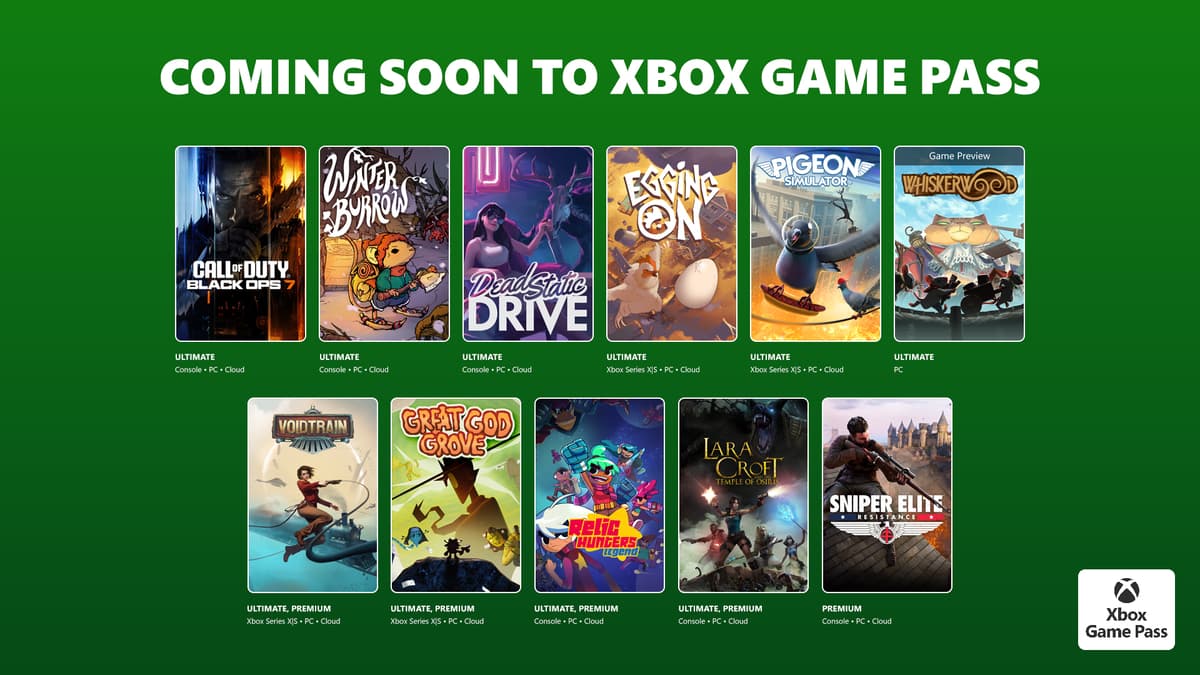
Amazon Prime Video and Netflix know this drill: a steady drip of originals and licensed hits keeps subscribers paying month-to-month. Microsoft aims to replicate that model, using its own first-party blockbusters alongside third-party catalog gems to drive consistent engagement.
What this means for gamers right now
On the plus side, players win with choice. You don’t need a Series X to play “Forza Horizon 5” or “Pentiment”—if your Switch or PS5 friend wants to join, they can. PC die-hards enjoying Game Pass see indies and AA experiments that might never have landed on Steam under the usual buy-or-no model.
Cloud streaming remains a convenience play. The network dependence makes it best for turn-based or single-player campaigns when you’re away from home. Frame-rate-sensitive shooters and racing sims still favor local hardware. But the ability to jump into a 100 GB install in seconds—no waiting—solves a nagging annoyance for many.
However, more open platforms lead to fewer platform-exclusive bragging rights. Traditional Xbox fans who once touted halo headshots or iconic franchises now find identity in “I can play anywhere”—less visceral in heated console-war debates. Long-time enthusiasts may miss the days when console design and exclusives were the beating heart of the community.
The risk: can Xbox deliver the hits?
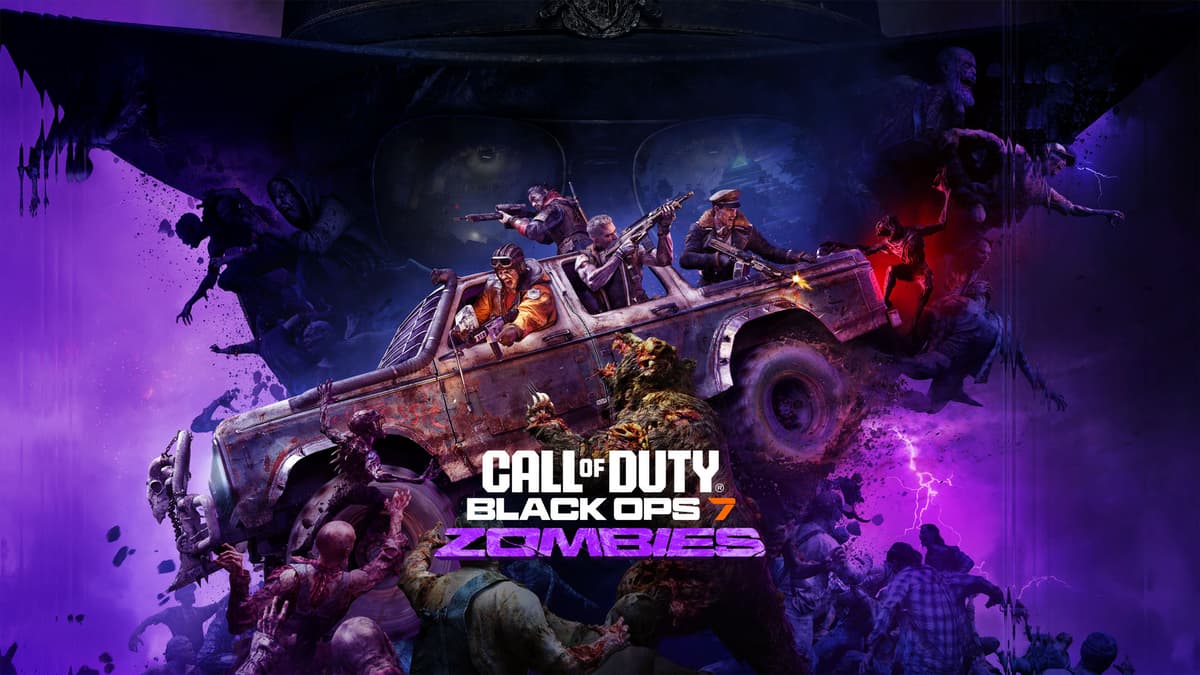
Subscriptions live and die on content cadence. If you join Game Pass expecting two or three tentpole releases per quarter and Microsoft can’t deliver, cancellations will follow. Studio turbulence has tested that promise. In 2023–2024, layoffs swept across Xbox Game Studios and Activision Blizzard, and closures at teams like Tango Gameworks and Arkane Austin rattled confidence.
Then there’s the Activision Blizzard deal’s cloud-rights snag. Ubisoft retains certain cloud streaming rights for Activision titles in multiple regions, delaying the dream of instantly streaming “Call of Duty” on Xbox’s xCloud in every market. That complication underlines that licensing and regional deals still bind even the largest platforms.
Counterpoint: why Microsoft’s bet might pay off
Don’t write off Xbox just yet. Microsoft sits on hundreds of billions in market cap and robust cash reserves, second only to the biggest tech giants. Its Azure cloud platform is the world’s #2 infrastructure service, giving Xbox a scaling advantage for streaming performance and global reach.
Major acquisitions bolster the library: ZeniMax Media (2021) brought Bethesda’s franchises under the banner, and the pending Activision Blizzard deal would add Call of Duty, Overwatch, and Candy Crush to the mix. Even if cloud rights are patchy at first, a massive backlog of third-party and first-party titles still drives Game Pass value.
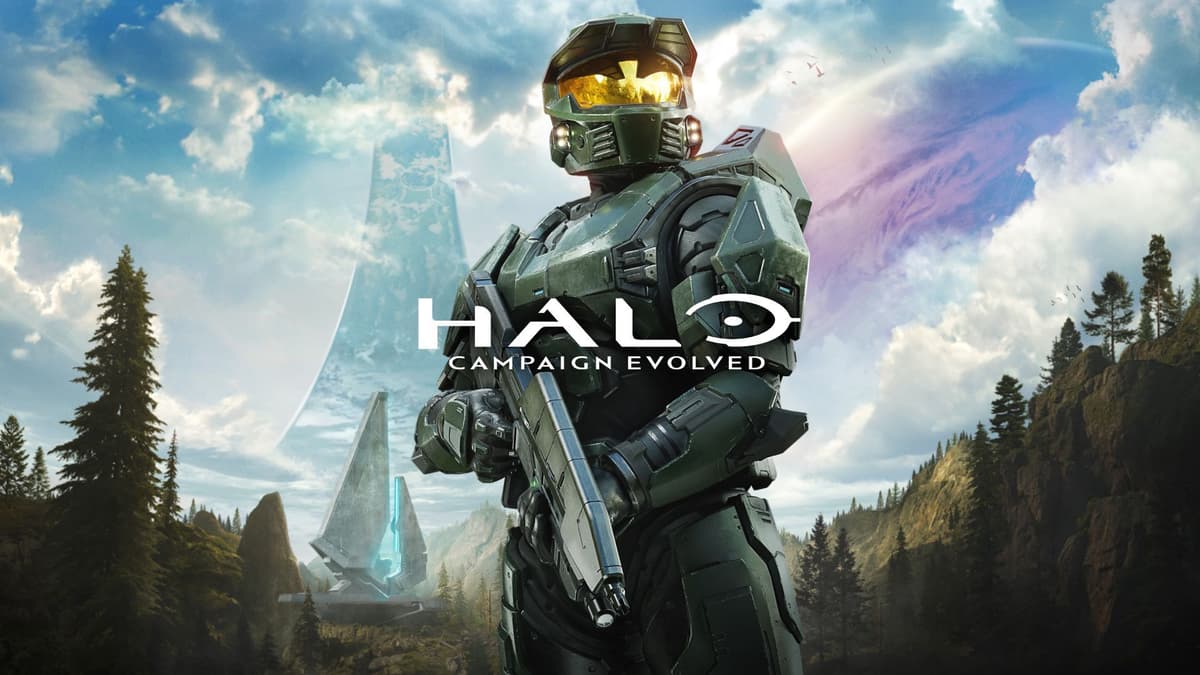
If Microsoft can sustain at least 3–4 undeniable blockbuster releases annually—and complement them with a steady wave of AAA pipeline surprises—it may lock in retention rates that justify higher subscription fees. Average revenue per user (ARPU) will rise on subscription tiers, add-on revenues, and eventual pricing adjustments.
Key metrics to watch
- Subscriber growth: Is Game Pass climbing past the 30-million mark this fiscal year?
- Retention rates: How many players stay beyond month three or six?
- Exclusive release frequency: Can Xbox deliver a must-play title every quarter?
- ARPU and tier mix: Will Microsoft unveil a lower-cost, cloud-only tier or raise existing prices?
- Cloud usage: What percentage of gameplay hours shift to xCloud on non-Xbox devices?
What to watch next
- Game Pass pricing and tiers: Expect news on possible price hikes or new entry-level plans by late 2024.
- Hardware direction: Rumors of a handheld Xbox device or a mid-generation console refresh could surface at CES or E3.
- Cross-platform progress: Watch for major indie and AA titles to test seamless cloud saves between Xbox, PC, and rival consoles.
- Studio developments: Any new studio openings or closures will signal Microsoft’s risk tolerance in building first-party capacity.
- Activision deal finalization: Regulatory decisions and licensing tweaks will shape how quickly Call of Duty lands on xCloud worldwide.
Conclusion
Xbox’s rallying cry that “the war is over” isn’t empty bluster—it reflects a shift from device-centric competition to fighting for your leisure time. Game Pass, cross-play, and cloud streaming form the backbone of a plan that prizes engagement over hardware sales. That means more choices and fewer barriers for players, but it also raises the stakes for Microsoft’s content pipeline and execution.
If the first-party slate remains steady, retention ticks upward, and cloud hurdles clear, Xbox could redefine what winning a console war looks like in the streaming era. If gaps widen between blockbusters, subscription costs creep up, and exclusives wither, we’ll see whether this bold play was visionary—or just a convenient way to admit Second place.
TL;DR
Xbox has pivoted from selling consoles to selling time in your living room (or train, or phone), using Game Pass and cloud streaming to compete with every form of entertainment. The strategy hinges on a reliable stream of must-play games—failure to deliver means subscribers will look elsewhere.
FinalBoss // Gear
Level up your setup
01Best-selling Xbox Series X|S gameson Amazon→02Xbox controllerson Amazon→03Top-rated gaming headsetson Amazon→04Discounted game keyson Kinguin→Affiliate links · As an Amazon Associate, FinalBoss earns from qualifying purchases.
Want to Level Up Your Gaming?
Get access to exclusive strategies, hidden tips, and pro-level insights that we don't share publicly.
Ultimate Gaming Strategy Guide + Weekly Pro Tips