

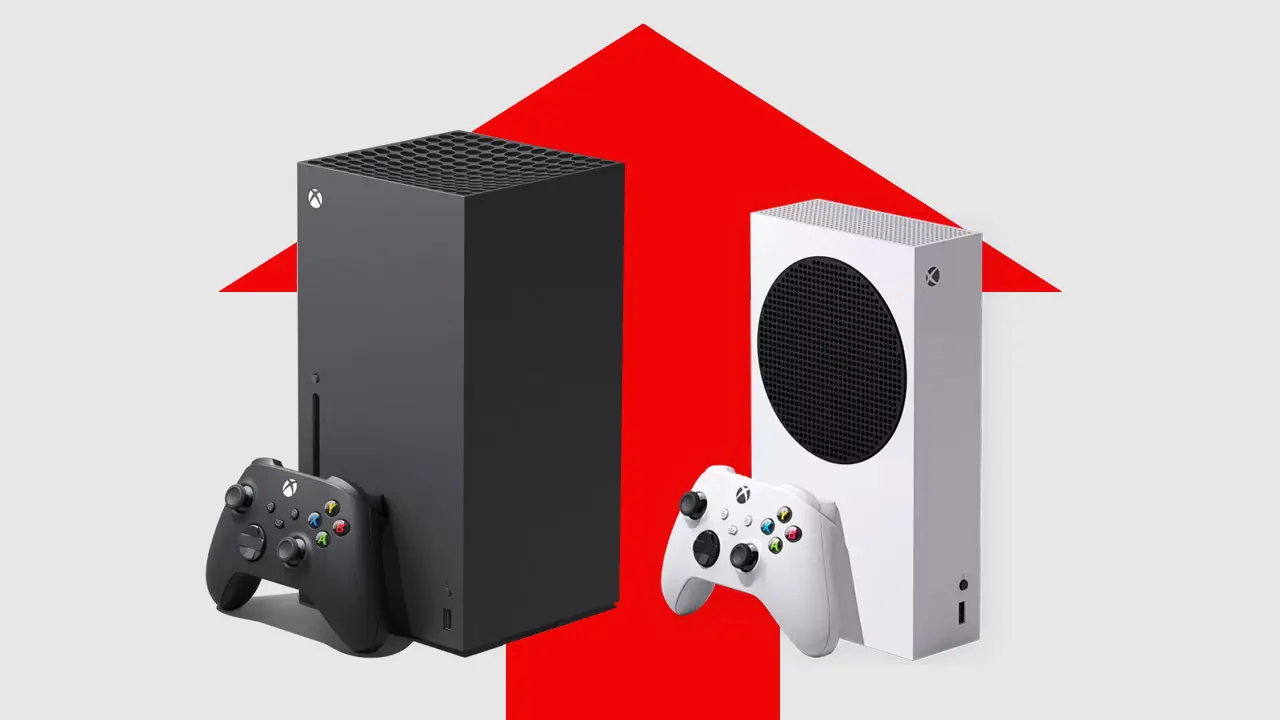
Console prices usually drop as a generation matures, not climb—but as of October 3, 2025, Microsoft is defying that rule. Every Xbox Series model will cost more, including a Galaxy Black 2TB Series X near $800—roughly $300 more than Sony’s PS5 Pro MSRP of $499.99. Social feeds have exploded with gamers calling this “the worst generation of all time.” That may be hyperbole, but the frustration is real. It’s not just sticker shock; it’s a fundamental question of value. When performance hasn’t budged in five years, what are we really paying for?
Microsoft’s U.S. MSRPs will become effective October 3, 2025. The premium Galaxy Black 2TB Series X clocks in at about $799.99—roughly $300 above the PS5 Pro’s standard $499.99. The standard Series X climbs from $599.99 to $649.99, while the digital-only edition settles at $599.99. The entry-level Series S 512GB jumps from $379.99 to $399.99, and the newly introduced 1TB model moves up to $449.99. None of these updates improve GPU clocks, VRAM bandwidth, or SSD throughput—they’re pure price adjustments.
In its official release, Microsoft stated: “To reflect ongoing increases in component costs, logistics expenses, and continued global tariff uncertainty, we will adjust our hardware pricing globally. We remain committed to delivering exceptional gaming experiences—this adjustment allows us to maintain supply and invest in content and services.”
Behind every console sticker lies a web of parts, factories, and freight fees. In past generations, memory prices plunged dramatically—GDDR5 costs dropped up to 30 percent annually during the PS4/Xbox One era. Today, GDDR6 pricing has largely plateaued after a modest initial decline. Analysts point to limited DRAM fab capacity and higher-grade chip requirements as drivers. Similarly, NAND flash prices—central to SSD costs—have shown year-over-year swings rather than steady downhill trends. When 1 TB SSD spot prices crest and trough by as much as 20 percent within months, manufacturers hedge by locking in higher component budgets.
Foundry costs at leading nodes (7 nm, 5 nm) have also inched upward. TSMC has cited rising R&D and wafer-supply constraints as reasons for a 10 percent year-over-year bump in contract pricing. Combine that with volatile shipping rates, inflation in raw materials, and unpredictable tariffs on Chinese- and Taiwanese-made chips, and you get a recipe for hardware makers passing the pain onto consumers.
Console life cycles used to follow a predictable path: launch at a premium, drop prices in year two or three, ramp up bundles, and then coast into a price-friendly holiday slate. Take Sony’s PlayStation 3: it debuted at $599 in 2006, then slashed to $499 a year later before hitting $399 by mid-cycle. Microsoft’s Xbox 360 kicked off at $399/$499 (no Kinect), bundled Kinect at $499, then reversed to $299 once the camera unbundled. Fast-forward to PS5: despite a regional price hike in 2022, Sony soon leaned on bundles and retailer promos to offset sticker shock.
By contrast, Xbox Series breaks the pattern. Its first U.S. hike came in early 2025—a $50 bump on the Series X—and now a second wave of increases. Rarely do you see mid-generation hardware get costlier. Historically, price stability or cuts build goodwill, stimulate install base growth, and justify new game releases. This time, console makers are banking on subscription revenue and software cross-sales to offset hardware sticker pain.
Microsoft has leaned heavily into Game Pass as a buffer against hardware sticker shock. Since launch, Game Pass Ultimate has climbed from $14.99 to $16.99 per month in the U.S.—a 13 percent rise—while enterprise and global prices rose even more. The service boasts over 30 million subscribers, and it’s the crown jewel of Microsoft’s gaming push. Yet higher hardware costs without fresh Game Pass perks dilute the overall package. Players now juggle a $16.99 monthly bill plus pricier consoles—no additional backward-compatible remasters, no new cloud-streaming tier, no expanded family plan to soften the blow.
Rarely has a hardware line leaned so hard on tethered subscriptions. PlayStation Plus revamped its tiers and hiked fees just a year ago, but Sony still offers a $9.99 Essential plan. Nintendo’s growing Switch Online subscriber base (digital-only games, cloud saves, online play) barely makes up for its $450 Switch 2 launch price. The calculus is clear: when console prices rise and subscription fees remain steep, gamers reassess the full ecosystem’s value proposition.
This isn’t just macroeconomics at play—it’s strategy. Microsoft now ships dozens of first-party releases on PC, Steam, and even PS5. Borderless play is consumer-friendly, but it undercuts the exclusive-console argument. If “Halo” and “Forza” aren’t box-locked, why pay a premium? Meanwhile, Sony’s PlayStation brand leans on supply-limited Pro models and collector’s editions to hit revenue targets, even as multi-platform releases proliferate. Nintendo, too, launched the Switch 2 at $450—up from $299 for the original in 2017—forcing consumers to swallow higher entry costs when hardware improvements were incremental.
The net effect: fewer fans buying in at launch, more deal-shopping mid-cycle, and a secondhand market that thrives. The simple joy of upgrading for new tech has given way to spreadsheet-style cost-per-hour calculations. Gamers are talking ROI, not frame rates.
Will next-gen consoles launch at $700 or even $800? It’s possible. Here are three scenarios to watch:
Regional tariffs will continue to distort prices in Europe, Brazil, and India. If trade tensions flare, isolated markets could pay 15–25 percent more than the U.S. MSRP, squeezing players outside North America even harder.
This generation’s story is turning into a lesson in price sensitivity and ecosystem value. Here’s who should do what:
Ultimately, consoles are no longer just hardware—they’re gateways to services, ecosystems, and subscription stacks. Hardware price hikes aren’t going away, but demand will ultimately be driven by killer software, seamless cross-play, and flexible payment models. If Microsoft and Sony want to justify $700-plus consoles next cycle, they’ll need far more compelling reasons than “bigger SSD” or “cosmetic finish.”
Get access to exclusive strategies, hidden tips, and pro-level insights that we don't share publicly.
Ultimate Gaming Strategy Guide + Weekly Pro Tips