
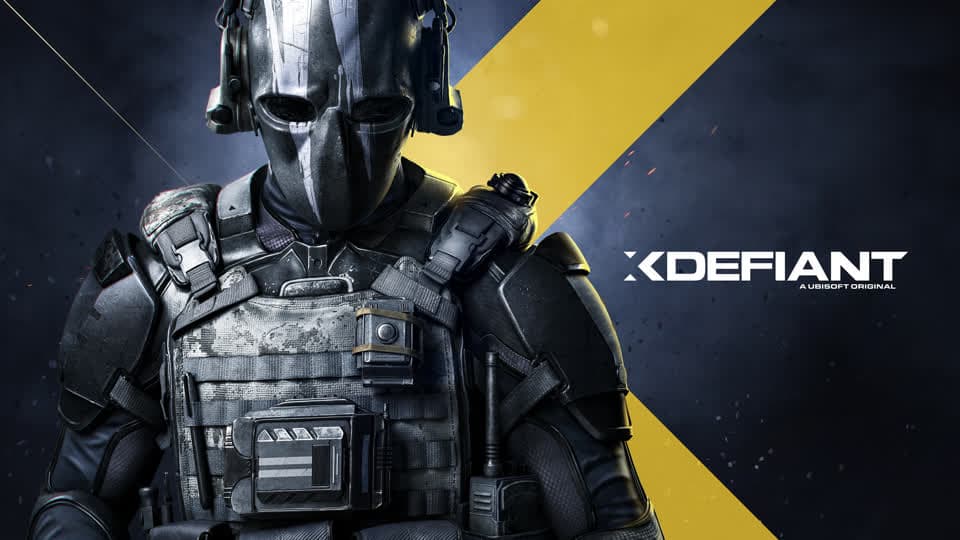
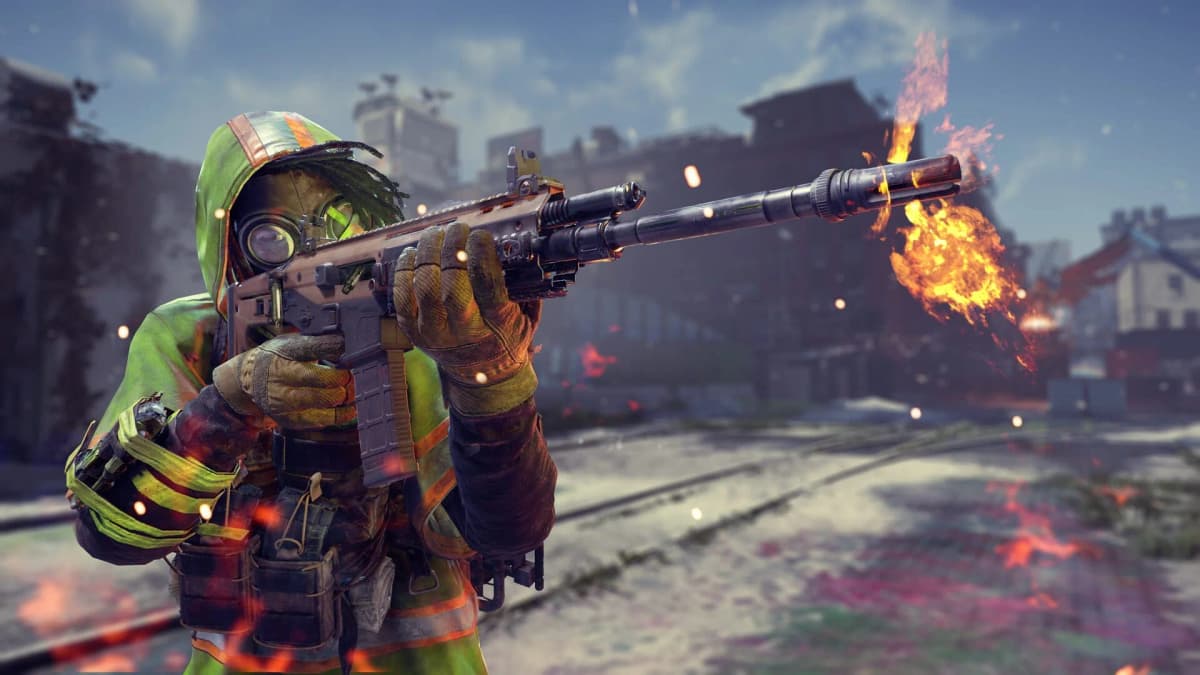
Let me get this out of the way: I wanted to love XDefiant. I really did. After decades in competitive shooters—Quake III LAN parties, old-school Halo marathons, even those borderline-crazy Brink experiments—I’ve seen the highs and the lows of FPS evolution. Ubisoft pulling the plug on XDefiant just a year after launch isn’t business as usual; it’s a neon warning sign that the free-to-play model is running unchecked, and core gamers keep getting burned.
Ubisoft isn’t new to this arena. Back in 2014, Ghost Recon Phantoms launched as a free-to-play sci-fi shooter and quietly shut down three years later when microtransactions failed to produce sustainable revenue. More recently, The Division Saga experimented with free access windows but never fully embraced a live-service economy. XDefiant was pitched as the comeback—“skill-first gameplay,” “iconic faction clashes,” and “zero pay-to-win.” Instead, it joined a growing list of half-remembered free-to-play projects.
When XDefiant hit Early Access, 15 million sign-ups poured in. Twitch chat exploded, memes flew, and it truly felt like a classic arena shooter redux. A few weeks later, peak concurrent players topped 120,000—respectable, but a fraction of Valorant’s four-million. By December, active daily users had cratered to 8,000. No new seasons, no fresh content drops—just an abrupt “sunset” announcement. Ubisoft admitted it “couldn’t meet results required for further investment.” Translation: if you’re not Fortnight-rich, you’re roadkill.
Free-to-play is sold as the great democratizer: no upfront cost, endless possibilities. But behind the promise lurks a razor-thin engagement margin and a relentless microtransaction treadmill. You grind, you spend, you evangelize, and when the numbers don’t stack up, poof—everything vanishes. Cosmetics, progression unlocks, server-side stats, and those sweaty kill-streaks you were proud of—gone. Independent studios often offer community server tools or offline modes; Ubisoft handed players a countdown clock.
It’s not all doom. Titles like Apex Legends, Warframe, and League of Legends have thrived for years. Their secret? Massive initial investment, transparent roadmaps, and active community feedback loops. Apex’s developer Respawn publishes monthly dev diaries, and Warframe’s Digital Extremes even posts internal sprint metrics. When revenue dips, these teams adjust rather than cancel. But can Ubisoft—or any mega-publisher—match that level of openness? XDefiant suggests the answer, for now, is no.
We polled members of three large FPS Discord communities. Here’s what they said:
These voices underscore a simple truth: repeated disappointments erode trust. Once bitten, core gamers hesitate to dive into the next “free” arena.
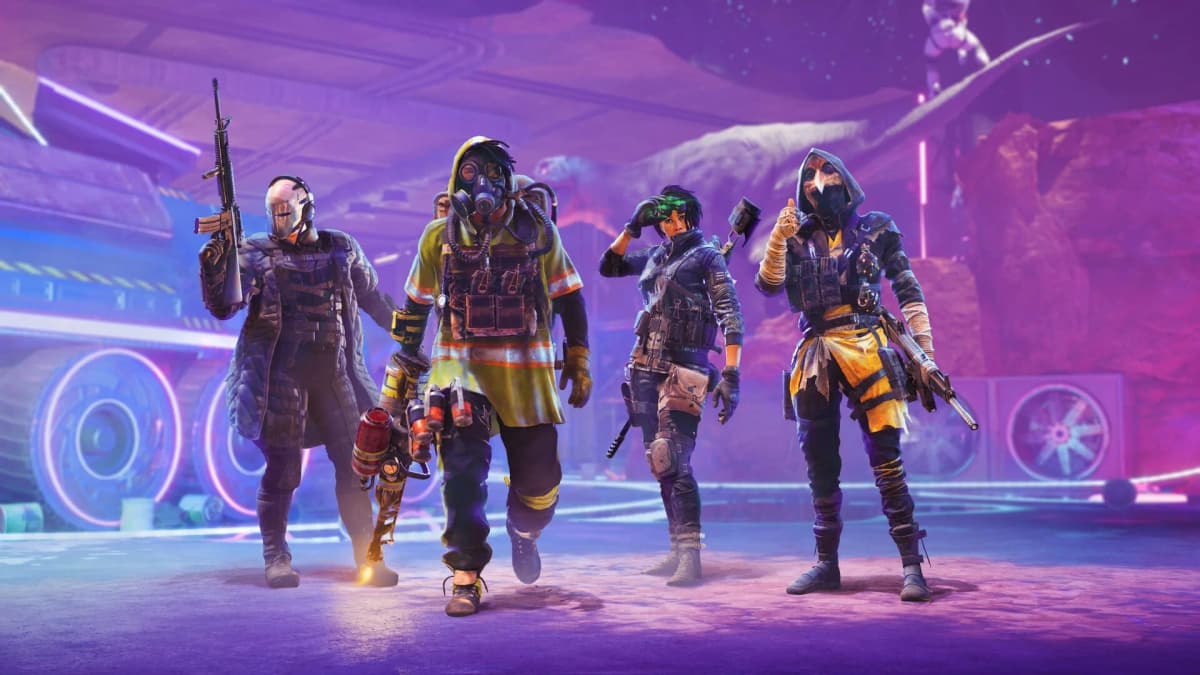
When a live-service shooter dies, it isn’t just wiped data. It’s lost rivalries, abandoned strategies, emergent play moments that become shared lore. Think of the perfect multi-kill on Overwatch’s Hollywood map, or the last-second clutch on Blood Gulch. Those memories shape communities. Publishers chasing only the safest, most lucrative formulas risk stifling the creative sparks that make shooters memorable.
Post-shutdown PR statements read like corporate thank-yous: “We’re grateful to our passionate community.” Then overnight, XDefiant vanished from stores, servers went dark, and the roadmap page turned into a 404. Contrast that with Square Enix’s graceful retirement of Life Is Strange assets, which included offline save tools and open-source server code. When a mega-publisher can’t even offer farewell tools, it’s more than negligence—it’s corporate cowardice cloaked in “mercy.”
If the industry wants to sustain healthy free-to-play shooters, these must become non-negotiables:
Publishers, put your money where your mouth is. If you want buy-in from core gamers, show up—for launch and beyond.
Free-to-play shooters aren’t going away, but their future depends on trust and transparency. Here’s what I predict for the next five years:
These steps won’t solve every problem, but they’ll build a foundation of goodwill—something XDefiant never got the chance to earn.
XDefiant’s short, turbulent life isn’t an isolated incident—it’s emblematic of an industry that too often values quick returns over lasting experiences. Core gamers deserve respect for our time, transparent development practices, and real end-of-life options. I’m done gambling on free-to-play experiments that vanish when the profit curve flattens. If publishers want our trust—and our wallets—they’ll build shooters designed to endure, not just entertain for a season.
Get access to exclusive strategies, hidden tips, and pro-level insights that we don't share publicly.
Ultimate Gaming Strategy Guide + Weekly Pro Tips