
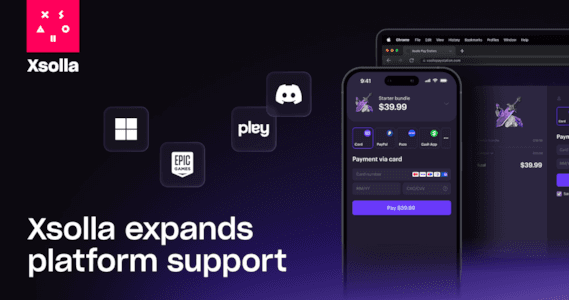
Xsolla just rolled out a three-pronged push: SDKs for Windows stores and the Epic Games Store, a Discord bot that turns servers into storefronts, and a partnership with Pley to put mobile Unity games on the web. As someone who’s watched “direct-to-player” go from indie hack to mainstream strategy, this matters. It’s another sign that developers are done letting platform taxes and clunky store rules dictate how they make money – and how we buy content.
The new SDK for Windows stores is basically a shortcut for PC developers to wire up checkout, login, and cross-platform SKU sync across the Windows ecosystem. The language is a little fuzzy — “Windows stores” could mean Microsoft Store plus other storefronts accessible on Windows — but the pitch is clear: unify entitlements and payments without custom plumbing. If you’ve ever bought a DLC on one PC store and had to wrestle your way to recognition on another launcher, you know why this matters.
On the Epic Games Store side, Xsolla is leaning into direct-to-consumer. The SDK mentions localized native checkout, subscriptions and recurring billing, and crucially, “dual billing options for mobile.” Translation: devs can offer Epic’s systems while also steering players to their own payment flow when allowed. That flexibility has been the holy grail in the post-30% world — especially in regions where alternative billing is gaining ground. If it works as advertised, expect more games to normalize account-based purchases that follow you between PC and mobile.
The Xsolla Discord Bot is the loudest play here. It promises “conversational commerce” — promos, goal-based incentives, and the ability to buy digital goods right inside your server. From a dev standpoint, this is smart: meet players where they already live and chat, then remove friction. From a player standpoint, this will be a fine line. Good servers will use it to announce battle pass discounts or limited-time cosmetics without shouting. Bad ones will turn your notifications into a shopping feed. Discord tried a standalone game store years ago and retreated; this time, the commerce rides shotgun with community instead of competing with it, which gives it a better shot.
Lastly, the Pley partnership: a toolchain to bring Unity mobile games to the web with Xsolla’s payments underneath. We’ve seen a steady trickle of mobile-first devs offering browser versions to dodge app store limits and claim a direct relationship with players. The appeal is obvious — keep more of the revenue and control your pricing — but the execution will matter. Web builds live or die on performance, input feel, and whether your account progress carries over cleanly. If this setup nails save sync and session stability, expect more idle games, RPGs, and gacha-lite titles to push web as a legit first-class option.
Over the last few years, the industry’s been slowly decoupling from the “one store, one checkout” mentality. Regulators have pressured mobile platforms to open doors to alternative billing in some regions, and PC players are used to logging into publisher accounts that transcend stores. Xsolla’s move packages that reality into installable SDKs and a Discord-native sales channel. It’s less about inventing something new and more about lowering the barrier for everyone who isn’t a mega-publisher with their own commerce team.
If you’ve bought currency or a founder’s pack via a web shop for a free-to-play PC title, there’s a good chance you’ve already touched Xsolla without noticing. That’s their value: they’re the merchant of record, eating the boring parts — taxes, fraud, compliance — so studios can focus on keeping you playing. Codifying that into Epic/Windows integrations and a Discord bot means we’ll likely see more consistent entitlements and fewer “I paid for this and it’s not showing up” support tickets. That’s a real quality-of-life upgrade.
Xsolla’s new SDKs, Discord shop bot, and Pley partnership push the industry further toward direct-to-player commerce. Expect smoother cross-platform entitlements and more web or Discord checkout options — along with a real risk of community spaces turning salesy if studios overdo it.
If developers use these tools with restraint and clarity, players get better prices and fewer headaches. If not, we’ll be smashing the mute button while hunting for our missing cosmetics. Choose wisely, folks.
Get access to exclusive strategies, hidden tips, and pro-level insights that we don't share publicly.
Ultimate Gaming Strategy Guide + Weekly Pro Tips