
Xsolla’s Android Buy Button Could Finally Make Mobile Game Purchases Cheaper—If Devs Use It Right
This caught my attention because the mobile checkout fight just moved inside the game
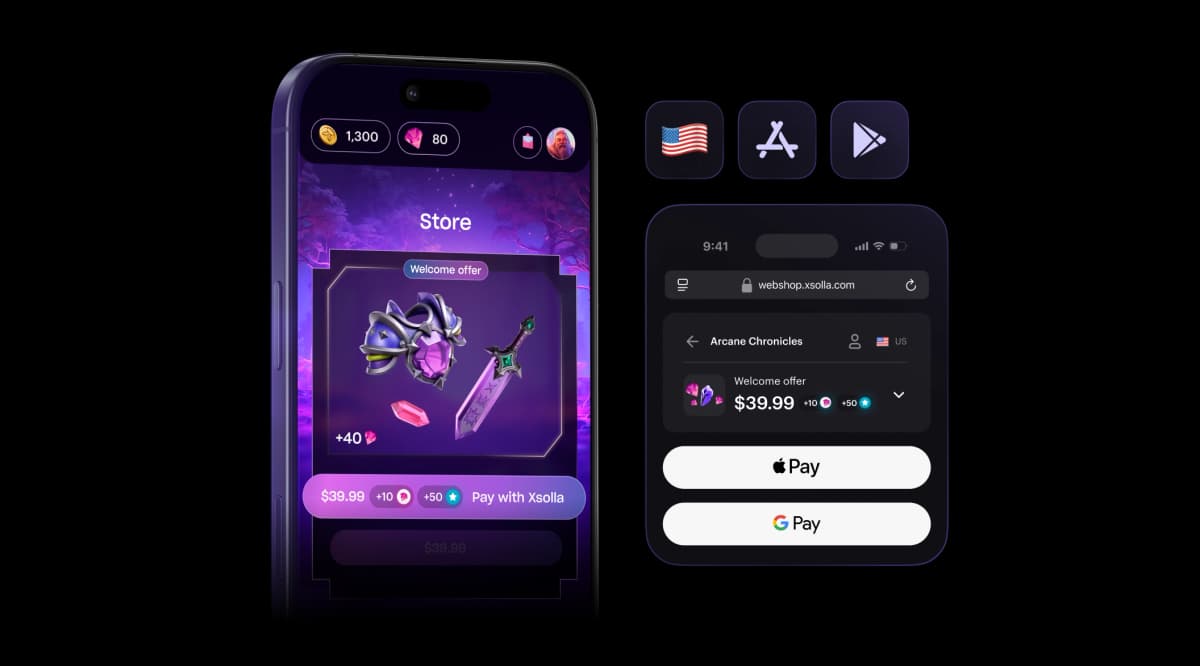
Mobile devs have been quietly nudging players to “buy on our web shop for a bonus” ever since the Epic vs. platform-owner wars kicked off. Now Xsolla is trying to make that workaround feel less like a detour. The company’s new Buy Button for Android is a lightweight SDK that triggers a browser-based checkout flow from inside your game, promising devs they can go live in under 24 hours and keep up to 95% of revenue. If you’ve ever seen Fortnite, Genshin, or CoD Mobile offer better bundles off-platform, this is that idea packaged for everyone else.
Key Takeaways
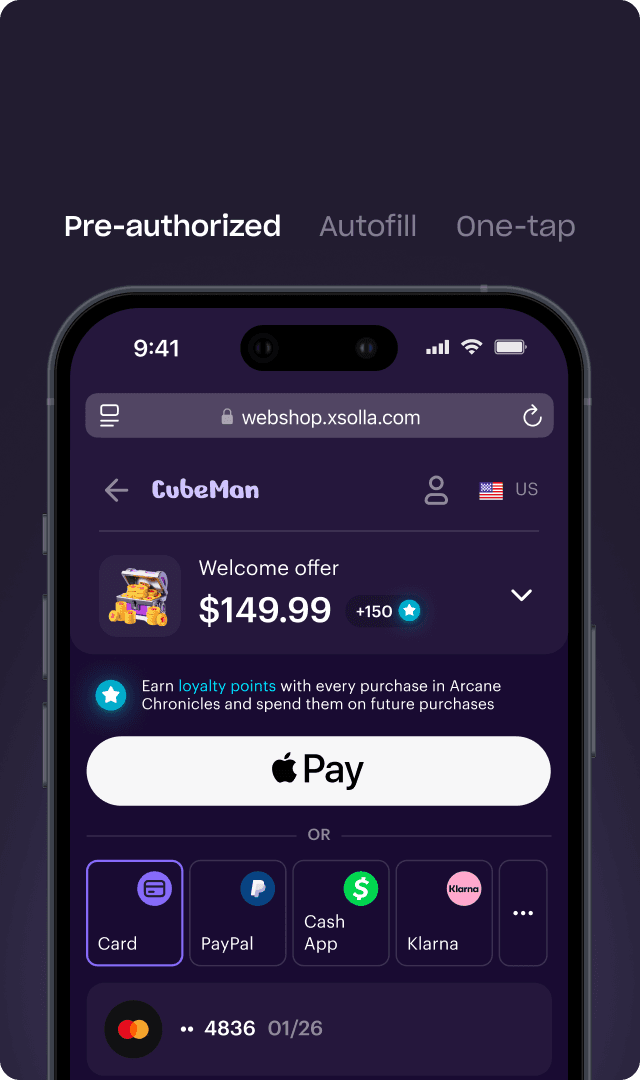
- Xsolla’s SDK adds an in-game link-out to a branded, web-based checkout with autofill and one-tap purchases, powered by PCI DSS Level 1 payments.
- Developers can pursue direct-to-consumer (D2C) sales and potentially keep up to 95% of revenue versus app store cuts-if they steer buyers to the web flow.
- Expect more targeted promos: catalog sync, player segmentation, A/B testing, cross-platform rewards, and even offerwalls for non-spenders.
- For players: you may see cheaper prices or extra bonus currency on “Buy on Web” offers-but also more aggressive monetization experiments.
Breaking down the announcement (minus the buzzwords)
Starting October 22, Android devs in the U.S. can enable link-outs to purchases from within their games using Xsolla’s Buy Button SDK. The flow opens a browser-based checkout (think Chrome Custom Tab vibes) without forcing you to manually hunt down a web shop. It ties into Xsolla’s Pay Station and Web Shop stack-autofill, one-tap, and saved payment methods, plus the back-end plumbing for taxes and fraud—because Xsolla operates as merchant of record for many studios.
On the features side, the interesting bits are the live catalog sync and segmentation tools. Devs can mirror in-game SKUs to the web shop, run A/B tests, spin up personalized promos, and deliver rewards cross-platform. That’s the same playbook we’ve seen from top-grossers: web bundles with extra currency, loyalty perks, and time-limited deals you don’t get on the app store SKU. The “launch in 24 hours” line feels optimistic, but for teams already plugged into Xsolla’s stack, it’s realistic to flip on a flow quickly.
Why this matters now
The timing isn’t random. Between tightening platform rules, rising UA costs, and legal pressure reshaping mobile billing, devs are desperate for margin. Google’s evolving policies around alternative billing and link-outs have cracked the door; the Epic v. Google outcome accelerated everyone’s appetite to diversify. Xsolla is basically saying: don’t just build a web shop—bring the web shop into the game experience so fewer people bounce.
“This is a major moment for Android developers in the U.S.,” says Xsolla president Chris Hewish. “We’ve created a compliant, conversion-first solution that’s fast to launch, secure, and designed to put developers back in control of how they sell, scale, and engage their players.” Translation: this is positioned as policy-friendly, minimizes friction, and lets studios run their own playbook instead of renting one from an app store.
The gamer’s perspective: cheaper buys vs. more nudges
What players care about is simple: do I pay less, or do I get more for the same price? Historically, web shops pass savings through as bonus currency rather than outright lower sticker prices. Expect “10% extra gems on web” or “exclusive bundle if you top up here” rather than flat price drops. If Xsolla’s claim that devs retain up to 95% holds up, there’s room for real incentives—especially for midcore games where whales drive revenue.
The buy flow itself will still kick you to a browser container, which is slightly more friction than native checkout. Xsolla’s autofill and one-tap help, but we’ll see if that matches the convenience of Play Billing for first-time buyers. On security, PCI DSS Level 1 certification is table stakes for payment providers; it’s good to have, not a differentiator. The bigger trust question is whether players are comfortable storing cards with yet another payment vault just to get extra crystals.
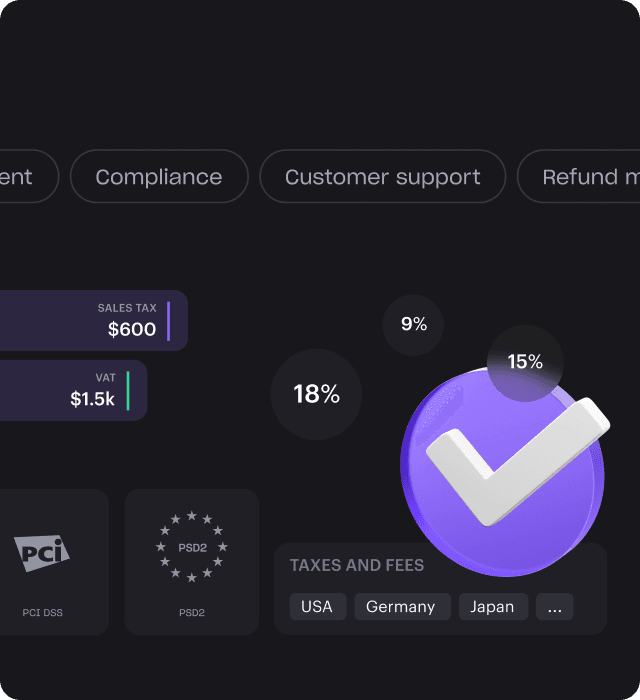
There’s also a parental controls angle. D2C purchases can sit outside platform-level spending limits and refund flows. Good studios will include their own safeguards and clear receipts; bad ones will crank up the FOMO. Xsolla’s segmentation and A/B testing are powerful tools—it’s on developers to use them responsibly, not as dark-pattern slot machines.
Want to Level Up Your Gaming?
Get access to exclusive strategies, hidden tips, and pro-level insights that we don't share publicly.
Ultimate Gaming Strategy Guide + Weekly Pro Tips
What I’m skeptical about
“Go live in under 24 hours” is the kind of promise that depends on how ready your back end is. If you’re already using Xsolla as merchant of record with a functioning web shop, sure. If not, you’re looking at integration, tax configs, fraud rules, and UX tweaks—more days than hours. I’m also curious how “compliant” this remains as Google iterates its policies post-litigation; link-outs are a moving target, and service fees or disclosure requirements can blunt the savings.
Pricing transparency will be everything. If studios pocket the margin and keep pricing identical across app and web, players won’t bother. If they put the savings into repeatable bonuses, loyalty rewards, or meaningful discounts, this will spread fast—just like we saw when Fortnite and others normalized web top-ups.
Looking ahead
The most likely adopters are midcore and hardcore mobile games with live ops muscle—RPGs, shooters, strategy titles—where ARPPU justifies funnel tweaks. Indies could benefit too because Xsolla handles the messy stuff (taxes, chargebacks), but they’ll need to prove the web flow doesn’t tank conversion for first-time buyers. If you start seeing “Buy on Web for extra value” prompts embedded in Android games after October 22, this SDK probably had a hand in it.
Bottom line: if developers pass even a slice of that 95% retention to players, Android gamers could finally feel a price break—or at least get more bang for their buck. If they don’t, expect more pop-ups and the same old prices. The tech is here; the player-friendly execution is the real test.
TL;DR
Xsolla’s Buy Button for Android brings web checkout inside games, aiming to sidestep big store fees and supercharge promos. It could mean cheaper or juicier bundles for players—if studios pass the savings on. Watch how your favorite games price web top-ups after October 22; that’ll tell you everything.