
Mina could decide Yacht Club’s fate — here’s what to watch
Game intel
Mina the Hollower
Mina the Hollower is a bone-chilling action-adventure game featuring classic gameplay and an 8-bit aesthetic in the style of Game Boy Color, refined for the mo…
Mina the Hollower isn’t just a new game — it’s a referendum on Yacht Club’s future
The announcement that actually changes things
This caught my attention because Yacht Club Games isn’t some two-person start-up — it’s the studio that turned a Kickstarter into Shovel Knight, a bona fide indie classic. Now co‑founder Sean Velasco has told Bloomberg that Mina the Hollower is a make-or-break release: selling “200,000” copies would be “really, really great,” anything below about “100,000” would be “not so good,” and hitting the 200k–500k range could secure the studio’s independence. That blunt math is rare to hear out loud, and it changes how gamers should read every trailer, demo, and delay from Yacht Club going forward.
- Key takeaway 1: Mina isn’t just a creative follow-up — it’s the metric Yacht Club is using to decide whether to stay independent.
- Key takeaway 2: Reporting that the studio paused a second project and went through layoffs suggests the company is already tightening its belt.
- Key takeaway 3: The stated delay to “polish gameplay” can mean honest quality control or a sign that scope and engine issues are forcing more work.
Breaking down Velasco’s warning — what he actually said
Velasco’s candor — the kind of numbers and stakes most PR teams usually paper over — matters because it frames Mina as a business lifeline, not just an artistic project. Those numbers came through Bloomberg reporting, and when a studio co‑founder talks in that register it should shift how we interpret subsequent PR and trailers.
The context matters: reporting has noted that Yacht Club paused a secondary project and went through staff reductions, and that Mina slipped out of an earlier window while the team “polishes gameplay.” Those are the classic signs of cashflow pressure. You can tolerate polishing when you have runway; you delay when a single failed launch might be catastrophic.
Studio history: from Kickstarter credibility to precarious reality
It’s easy to forget how much headroom Yacht Club once had. The studio earned its reputation by turning a Kickstarter into Shovel Knight, a game that became synonymous with successful nostalgia‑driven design. That track record gives the studio credibility and a fanbase — which is why Velasco can be so transparent about targets now: the market knows who they are and will notice if the follow-up stumbles.
But indie credibility doesn’t automatically translate to indefinite financial freedom. The indie market is crowded, marketing budgets are limited, and platform discoverability is fickle. One great release can sustain a studio for years; one misjudged launch can force restructuring or partnerships that change how that studio operates.
Mina’s pitch: what the game actually is (and how it plays)
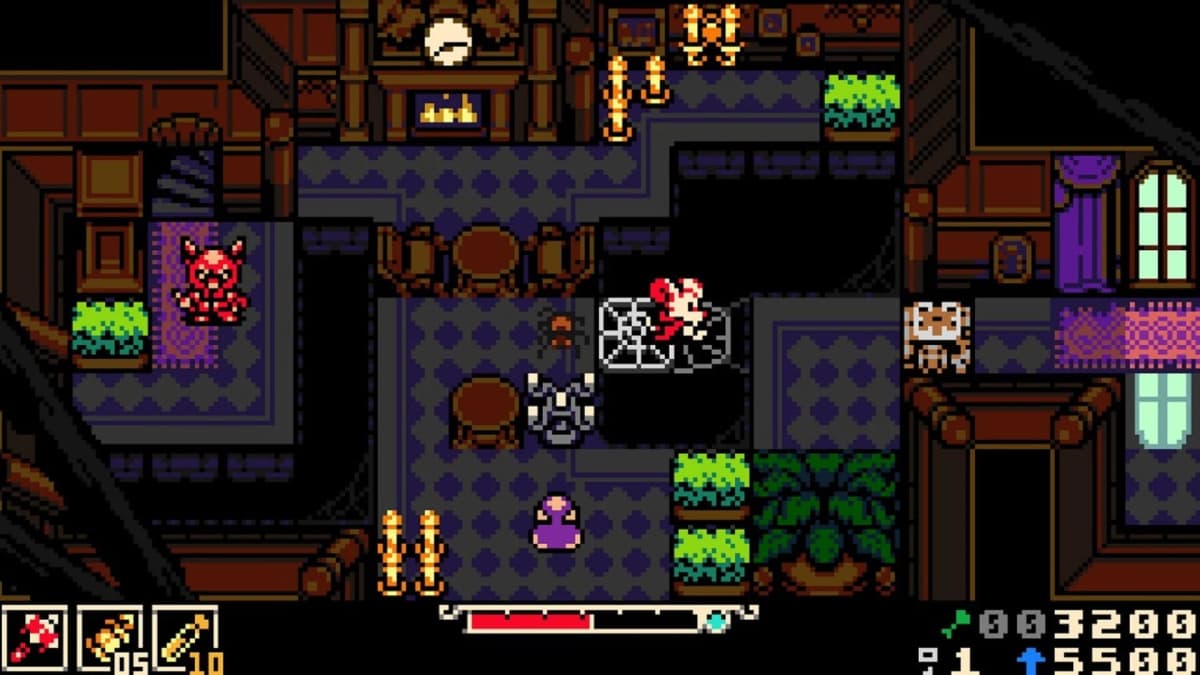
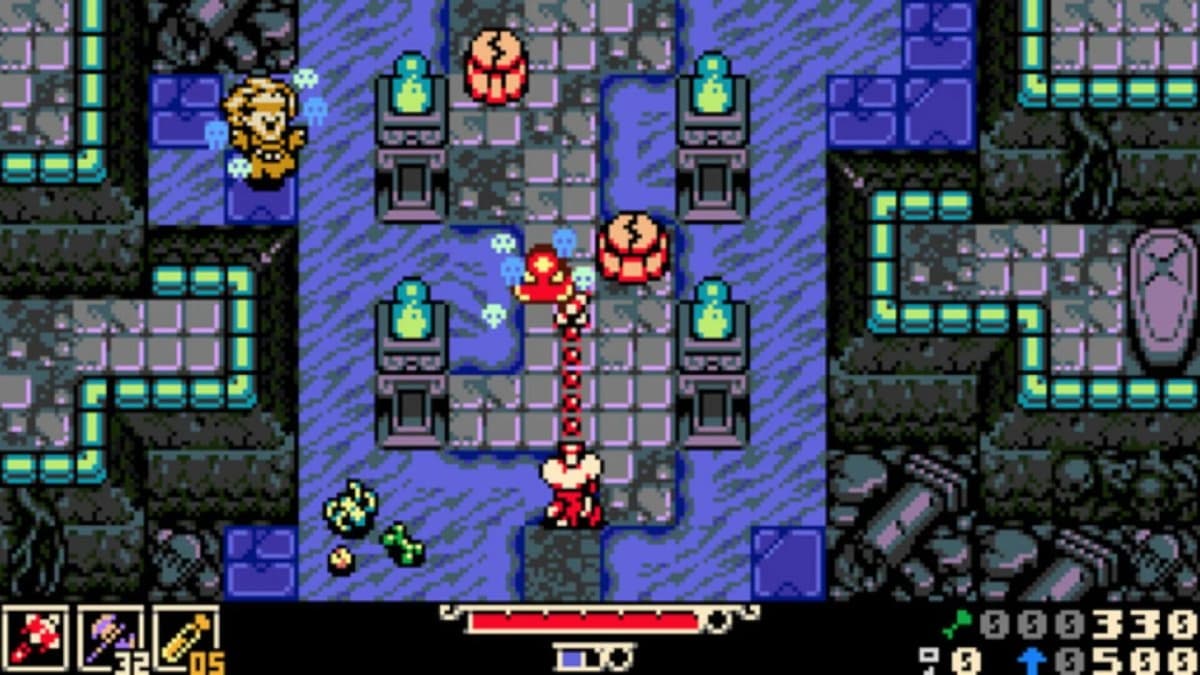
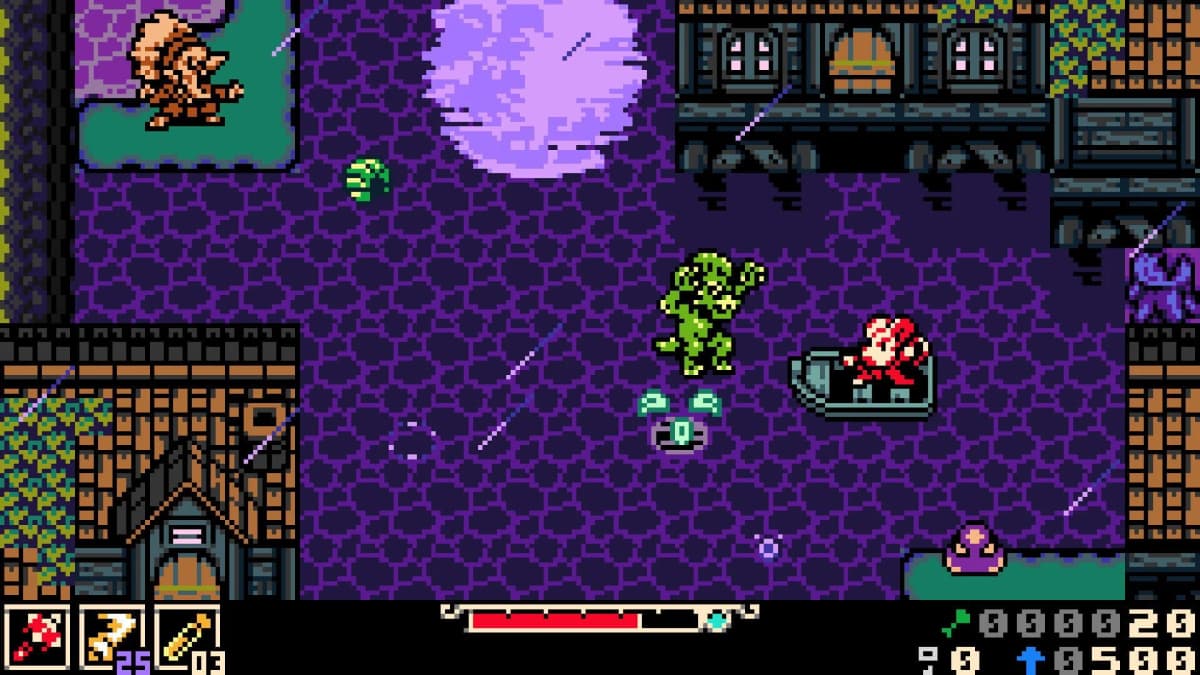
On the surface, Mina the Hollower is a top‑down action‑adventure that leans hard into retro aesthetics — specifically a Game Boy Color‑era palette — while layering modern design sensibilities on top. “Top‑down” here means the camera looks straight down at the world, like classic Zelda games; it affects combat, exploration, and puzzle design. Yacht Club has also shown a “hollowing” mechanic where the protagonist can possess or interact with enemies in unusual ways, which could open design space for puzzles and combat variety.
There’s a demo available (a “demo” is a short playable slice of a game meant to show feel, performance, and core systems), and first impressions have generally leaned positive about the aesthetic and combat feel. That said, demos aren’t full games: they’re curated samples. What matters next is run‑time performance, enemy variety, progression pacing, and whether the hollowing mechanic scales into late‑game systems instead of being a one-note novelty.
Polish or panic? Reading the delay skeptically
Delays to “polish gameplay” are often a responsible move. They can mean a small team is tightening controls, fixing bugs, and improving pacing — the kind of fixes that make a game feel finished rather than rushed. But in the context of layoffs and a paused second project, the same phrase can also read as “we need more time because of bigger structural work: engine rewrites, scope cuts, or systems that aren’t gelling.”
Velasco’s transparency is refreshing, but it also invites scrutiny: watch how the team communicates specifics. Do they say “we’re optimizing frame‑rate on Switch” or do they stay vague? Are demo updates transparent about what changed? Concrete, periodic developer communication is a good sign; ambiguity is a red flag.
Sales scenarios: what different outcomes mean for Yacht Club
Velasco’s thresholds (roughly <100k, 100–200k, 200k–500k) give us a way to imagine outcomes. These aren’t hard laws, but useful scenarios.
- Under 100,000 copies: Velasco himself called that “not so good.” Practically, this could mean immediate budget tightening, fewer new hires, cancelled or paused followups, and a stronger likelihood of seeking external publishing support or investment. Creative autonomy can be at risk when finances are tight.
- 100,000–200,000 copies: A middle ground. The studio may survive comfortably but with constrained growth. Expect more conservative project scopes, slower hiring, and a focus on DLC or smaller projects that can be delivered on tighter schedules.
- 200,000–500,000 copies: The sweet spot Velasco described. Hitting this range could preserve independence and allow Yacht Club to plan bolder projects or expand the team incrementally. It doesn’t guarantee unlimited freedom, but it buys runway and strategic options.
Those ranges also play out differently across platforms. Sales on Nintendo Switch have historically been strong for retro, pixel, and top‑down indies because of the platform’s audience; PC sales often provide a steadier long tail; Xbox and PlayStation can be hit‑or‑miss depending on visibility and storefront promotion.
Want to Level Up Your Gaming?
Get access to exclusive strategies, hidden tips, and pro-level insights that we don't share publicly.
Ultimate Gaming Strategy Guide + Weekly Pro Tips
Platform math: where Mina is likely to find traction
If you’re trying to predict where Mina will do best, think audience fit and discoverability. Switch players have repeatedly shown enthusiasm for retro aesthetics and Zelda‑like design; indie titles with clear nostalgia hooks often see strong initial interest there. PC communities can generate long‑term momentum through modding, streaming, and sales on storefronts; console traction often depends on featured spots and publisher relationships.
That means a launch strategy that lands strong on Switch and gets decent coverage on PC could be enough to hit Velasco’s safer targets. But discoverability is the wildcard: platform promotion, timing relative to other big releases, and whether streamers latch on will all matter.
What gamers should (realistically) do to help
If you care about Yacht Club staying independent, there are concrete actions beyond “buy the game.” Here’s a sensible playbook:
- Wait for informed buys, but don’t over‑shy away: Preorders are useful revenue early, but hype can mask problems. If you want to support, consider buying at launch after reading a few trusted reviews rather than blindly preordering.
- Use the demo strategically: Play the demo on your preferred platform to check performance and feel. Report issues via official channels if you can — constructive feedback helps devs prioritize fixes.
- Amplify word‑of‑mouth: Stream the game if you enjoy it, recommend it in communities, and write short guides or impressions. Word‑of‑mouth is the lifeblood of indies.
- Support through attention, not just money: Engagement matters. Good streams, helpful forum posts, and community content extend a game’s lifespan and sales curve.
- Be patient with patches and roadmaps: If the team is transparent and has a reasonable post‑launch plan, that’s a positive signal. If they vanish or avoid details, be skeptical.
A note on expectations: nostalgia is a double‑edged sword
Shovel Knight set a high bar: crisp controls, tight design, and nostalgic aesthetics done with modern sensibilities. Nostalgia sells, but it also raises expectations. Mina’s Game Boy Color look and mechanics can delight players who crave retro, but they also risk comparisons to bigger open‑world or narrative-driven titles. If you love top‑down Zelda‑style adventures, Mina could be exactly your jam — but don’t confuse promise with guaranteed breakout status. Many nostalgia-driven indies ship with polish issues or pacing problems that only post‑launch patches fix.
TL;DR — The real story
Yacht Club’s Mina the Hollower is both an artistic follow-up to Shovel Knight and a financial pivot point. Sean Velasco’s public sales target turns the game into a referendum on the studio’s independence. Your dollars and attention now matter in a way they often don’t for larger publishers — and that’s both exciting and a little uncomfortable.
Conclusion
Velasco’s frank numbers make Mina feel weighty in a new way: this is no longer just a cool retro adventure to watch on trailers. It’s an economic test with real consequences for a studio that once rode Kickstarter into indie stardom. That doesn’t make Mina a must‑buy or doom it to failure; it simply reframes how we should consume and judge the game. Play the demo, wait for informed reviews if you’re cautious, but know that buying and talking about Mina at launch will have tangible impact. For gamers who care about independent studios keeping their creative freedom, the choice to support — or not — is clearer than it’s been for many releases in recent years.