
I bounced off the original Yakuza 3 twice, and it was always for the same reason: Morning Glory Orphanage. I loved the idea of “Kiryu the island dad,” but trudging through that house with PS3-era loading screens and awkward pacing felt like wading through syrup to get to the good stuff. So when Yakuza Kiwami 3 was announced, my secret hope wasn’t just “make it prettier.” I wanted the game that existed in my head back in 2009 – the warm, messy, heartfelt dad simulator that the original only hinted at.
After spending extended time with a hands-on preview of Yakuza Kiwami 3, that dream is suddenly a lot closer. The Dragon Engine remake doesn’t just smooth out combat and visuals; it leans hard into Kiryu’s island life, adds a full-blown “Daddy Rank” system, and gives Yoshitaka Mine his own Dark Ties side story that turns one of the series’ nastiest villains into a walking disaster you’re paid to clean up after.
Key Takeaways
- Morning Glory is no longer a slog – the new Daddy Rank and a suite of cozy minigames finally make Kiryu’s orphanage life fun and meaningful.
- Domestic dad Kiryu is fully realized through homework help, sewing, cooking, farming, and adorable cutscenes that sell him as a dorky, devoted parent.
- Combat feels snappier and more youthful, with the new Ryukyu Style giving Kiryu an Okinawa-flavored moveset alongside his classic Dragon of Dojima flair.
- Substories are sillier and more “dad-coded” than ever, plus bowling returns and there’s a Sega Game Gear in Kiryu’s room loaded with full games.
- Dark Ties, Mine’s new side story, is a standout, framing him as a hyper-competent emo fixer trying to contain the irredeemable trash fire that is Tsuyoshi Kanda.
- This is shaping up to be the definitive way to play Yakuza 3, though questions remain about how deeply the main story and pacing have been reworked.
Yakuza Kiwami 3 Preview: Finally, The Island Dad Game Yakuza 3 Wanted To Be
Remembering the Original Yakuza 3… and Why It Hurt
In the original Yakuza 3, the idea of Kiryu stepping away from Tojo politics to run an orphanage in Okinawa was brilliant on paper. In practice, actually being at Morning Glory was clunky. Slow walks. Doors that paused for loading screens. Barebones interactions with kids that felt like chores without emotional payoff. It was one of the rare times in this series where I thought, “I get what you’re going for, but I just want out of this building.”
The Kiwami 3 demo I played goes straight at that weak spot. Instead of treating the orphanage as a narrative hurdle, it treats it like the center of Kiryu’s world—and the core of that shift is a new system with a name that made me laugh when it first popped up on screen: Daddy Rank.
Daddy Rank: Turning Morning Glory Into a Legit Cozy Game
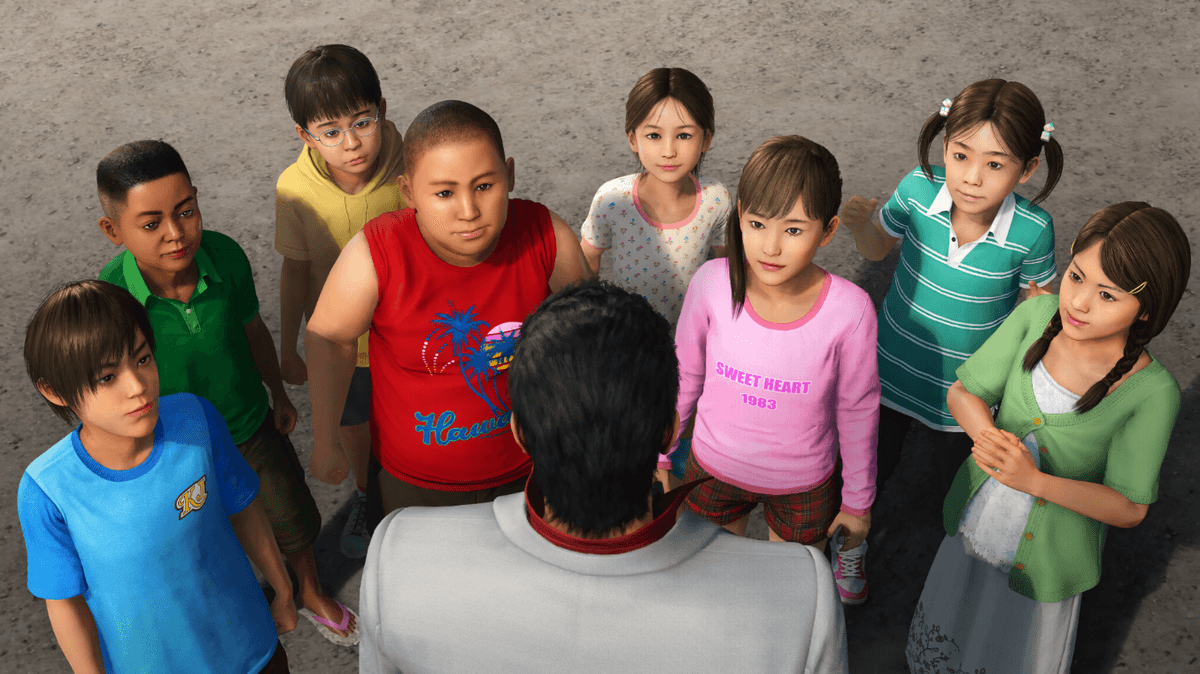
My preview slice dropped me into Chapter 3, right when Haruka is clearly burning out from doing all the chores at Morning Glory. Kiryu watches her quietly grind herself down and finally decides to step up in a way that feels very him: no big speech, just rolling his sleeves up and doing the work.
Every time you help a kid with homework, sew something, cook, play, or tackle a little crisis, you earn “dad points” that raise your rank and deepen your bond with the orphans. You’re not just checking boxes; you’re watching these kids openly brighten as Kiryu learns how to be more than just an ex-yakuza guardian looming in the background.
Homework: The Humbling of Kazuma Kiryu
The first “dad job” was helping Ayako with her science homework. Kiryu is visibly nervous, which is already funny, and then the game flips into a timed multiple-choice quiz that’s basically elementary-school science dressed up as a life-or-death battle. I barely scraped by, and seeing Kiryu wipe sweat from his brow made me genuinely root for him. That follow-up cutscene—where Ayako pats him on the back—sells the emotional payoff in under a minute.
Sewing & Cooking: WarioWare by Way of Single Dad Kiryu
Sewing a new bag for Taichi instantly morphs into a tense, microgame-style skill test. Kiryu’s “ultra concentration face” has big WarioWare energy as you guide stitches along a narrow line. Cooking pushes further: you crack eggs, flip pans, juggle prompts in a whack-a-mole rhythm, and even source seafood via fishing or farming in the orphanage garden.
Stack those systems together and Morning Glory stops feeling like a sad duty and starts feeling like a fully fledged cozy side game bolted onto a crime drama.
From Island Dad to Street Enforcer: Meeting the Haisai Bike Gang
Chapter 4 shifts you from bento boxes to broken bottles. Kiryu crashes an attack by the Tokyo Night Terrors—an all-male biker gang beating up local women—and you’re back into street combat. Here, the new Okinawa-themed moveset shines.
Ryukyu Style Combat: Kiryu Feels Young Again
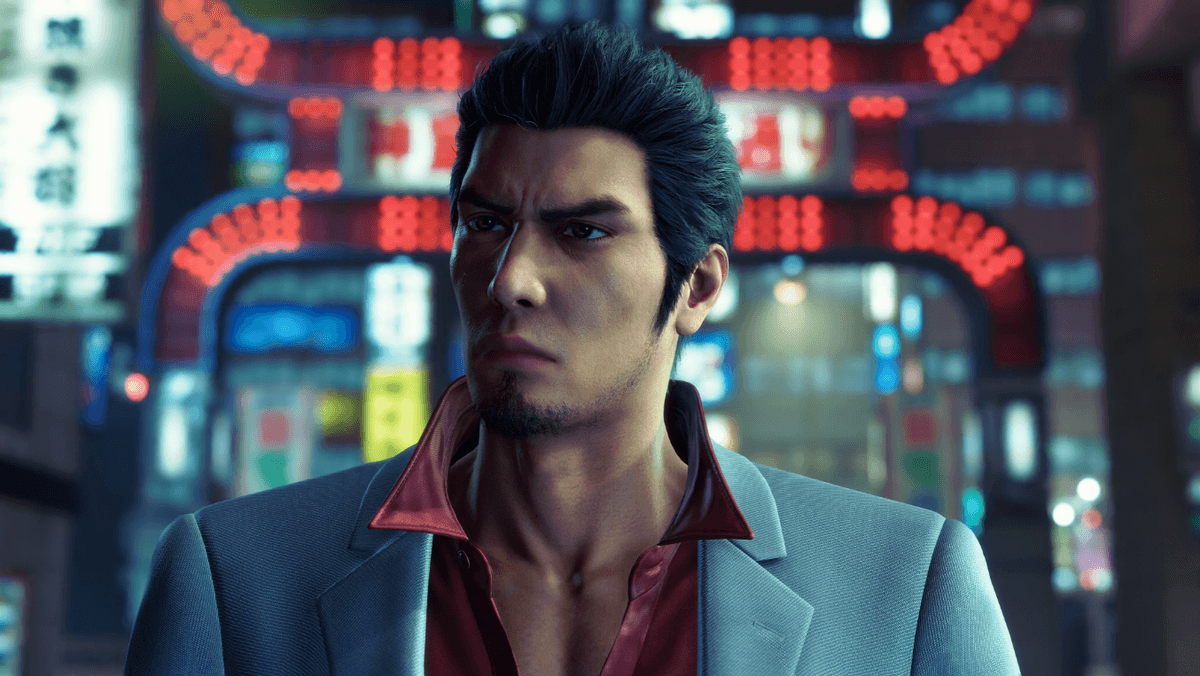
Drawn from Okinawan martial arts, Ryukyu Style is more fluid and evasive than Kiryu’s usual Dragon flair. Combined with smoother Dragon Engine animations—shattering props, convincing enemy knockdowns—it’s a dramatic upgrade over the stiffer PS3 original. Switching between island-dad chores and seasoned enforcer feels seamless instead of jarring.
Shifting from core gameplay overhauls and storyline pivots, here’s what’s working so far in Yakuza Kiwami 3.
Substories, Bowling, and a Sega Game Gear: Classic Yakuza Nonsense, Sharpened
Substories have always been one of Yakuza’s greatest strengths, and Kiwami 3 leans in harder. I laughed through a gag where Kiryu hides a naughty magazine from Haruka, and moments later I was lining up a perfect strike in bowling. There’s even a Sega Game Gear in Kiryu’s room loaded with full games, turning his apartment into a playable museum piece.
Every side activity feels “dad-coded”—whether kids are watching or not—making the world feel more lived-in. The only lingering question is how much the main story’s pacing has been tweaked to accommodate all this extra heart and variety.
Dark Ties: Playing as Mine, Babysitting a Human Dumpster Fire
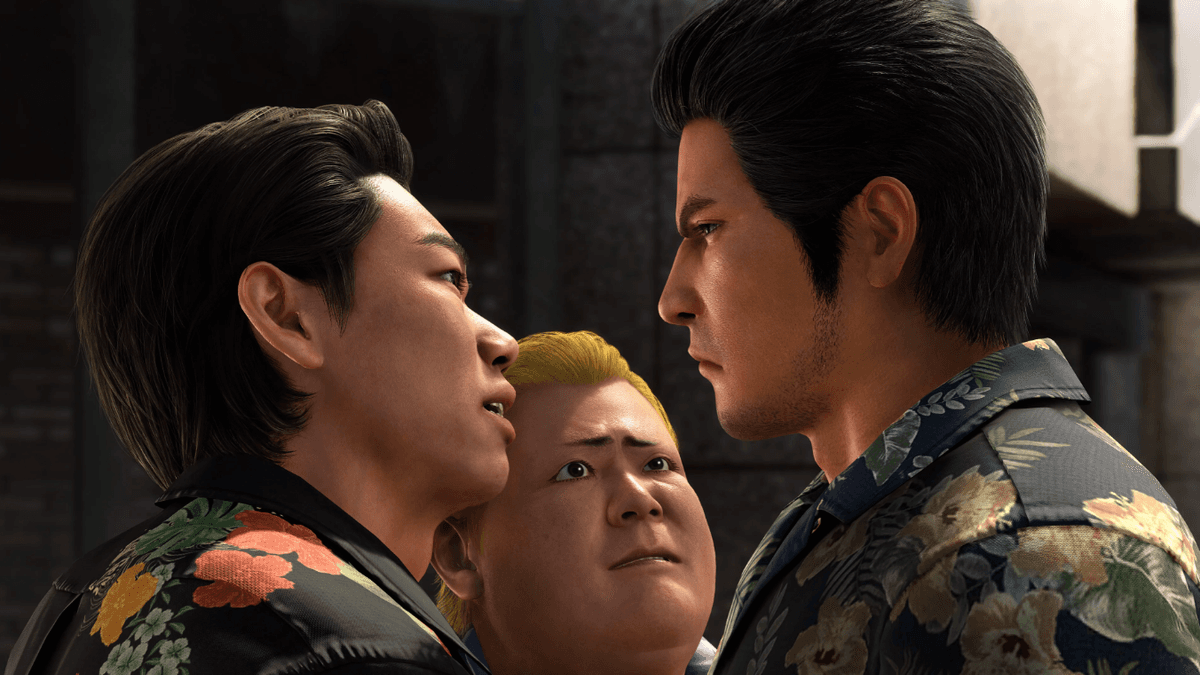
The part of the remake I was most curious (and honestly a bit wary) about was Dark Ties, the new side story starring Yoshitaka Mine. It casts Mine as the series’ emo enforcer turned reluctant babysitter, hired to contain Tsuyoshi Kanda’s unhinged antics.
The deck notes “You’ll guide Mine through a chain of unpredictable skirmishes, recruit backup, and upgrade your gear as you corral Kanda’s dumpster-fire chaos.” It blends roguelite loops—randomized stages, permadeath risk, upgrade systems—with tight Dragon Engine combat. It’s a welcome layer of challenge and variety, though how deep it holds over a full playthrough remains to be seen.
FinalBoss // Gear
Level up your setup
01Top-rated gaming headsetson Amazon→02High-refresh gaming monitorson Amazon→03Gaming chairson Amazon→04Discounted game keyson Kinguin→Affiliate links · As an Amazon Associate, FinalBoss earns from qualifying purchases.
Conclusion
Yakuza Kiwami 3 nails its biggest promise: transforming Morning Glory from an awkward interlude into the warm, messy heart of Kiryu’s world. With Daddy Rank, snappier combat, and the fresh Dark Ties expansion, it feels like the definitive way to play Yakuza 3. Still, the extent of main story restructuring and final polish won’t be clear until release.
TL;DR
Yakuza Kiwami 3 meaningfully improves the orphanage chapters with Daddy Rank and cozy minigames, sharpens combat with a new Ryukyu Style, and adds a standout Dark Ties roguelite side story. Questions remain around pacing tweaks and the game’s overall finish.