
This caught my attention because the conversation around character looks often slides straight into debates about sexualization – and that’s an important discussion. But Blizzard’s recent explanation reframes the trend as a technical design decision, not simply a style shift. That matters for how we judge future hero designs and the cosmetics economy in Overwatch’s next phase.
Yes, Overwatch Characters Have Been Getting Sexier – But Blizzard Says It’s About Future-Proofing
- Blizzard’s team says taller, longer-limbed hero models make adding cosmetics and new geometry easier, not just to make characters “sexier.”
- The company rebranded back to Overwatch and unveiled five Season 1 heroes (Domina, Enron, Emery, Mizuki, Jetpack Cat) – 10 new heroes are planned across 2026.
- Expect more cosmetics, crossovers (including a Sanrio/Hello Kitty collaboration), mythic skins and UI/lootbox updates as Blizzard leans into a scalable model.
- The shift raises real questions about representation, player perception, and how technical constraints shape aesthetic outcomes.
{{INFO_TABLE_START}}
Publisher|Blizzard Entertainment
Release Date|February 2026 spotlight (Season 1 launch Feb 10, 2026 for five heroes)
Category|Hero shooter / live-service updates
Platform|PC, consoles (standard Overwatch platforms)
{{INFO_TABLE_END}}
During the February 2026 Overwatch Spotlight, senior producer Kenny Hudson told GameSpot that the recent move toward more conventionally attractive hero models is driven largely by technical and future-proofing needs. In his words (paraphrased): longer limbs, taller proportions and larger cores make adding cosmetics and new geometry easier. Taken at face value, that’s a pragmatic explanation: if your base mesh is proportioned to accommodate a wide range of outfits, equipment and cosmetic layers, you reduce clipping, rigging headaches and the need for bespoke geometry changes with each skin.
That rationale matters because Overwatch now functions as a long-term live service with frequent crossovers, mythic skins and cosmetic-driven monetization. Blizzard also announced five new heroes arriving in Season 1 — Domina, Enron, Emery, Mizuki and Jetpack Cat — as part of a plan to release ten heroes across 2026. Alongside gameplay additions like sub-role passives, the team is refreshing cosmetics and the UI, and leaning into collaborations, including a Hello Kitty/Sanrio crossover and mythic skin drops. From a production standpoint, one scalable character pipeline is easier to maintain and grow than many small, unique pipelines for every hero.
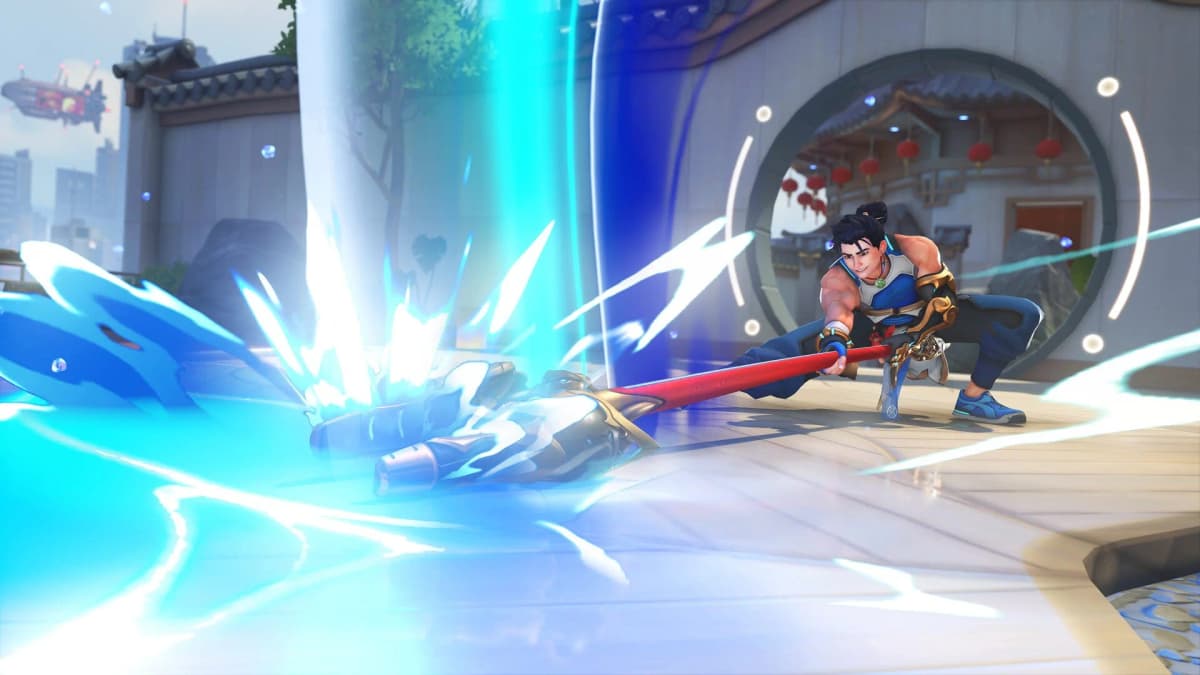
But practical reasons don’t erase downstream effects. When base meshes skew toward taller, leaner, conventionally attractive silhouettes, public perception will often read that as “characters are getting sexier.” That perception is valid — and it can clash with community demands for body diversity and authentic representation. The design trade-off is real: make a standard body that streamlines cosmetics across dozens of skins, or preserve radically different silhouettes that require bespoke work for each cosmetic.
From an industry perspective, Blizzard’s choice mirrors a common pattern in live-service games. Studios standardize skeletons and body proportions to enable a massive cosmetics pipeline — Fortnite, for example, uses relatively uniform rigs for much of its catalog (with exceptions) to speed content delivery. The upside is more frequent, higher-quality cosmetics and smoother cross-promotions. The downside is a visual homogenization that can flatten character identity and reduce opportunities to represent different body types without extra cost.
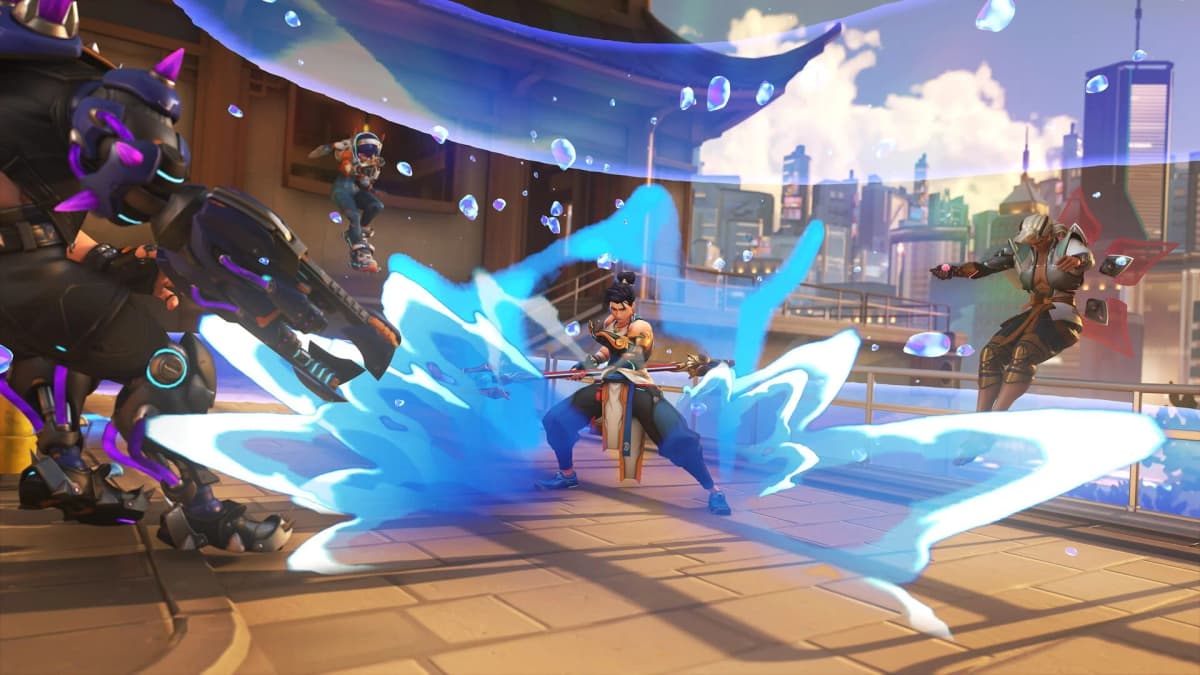
There’s also a gameplay angle. Larger cores and extended reach can improve animation readability in a fast-paced shooter. Visual clarity — knowing at a glance who’s where and what they’re doing — is essential in Overwatch’s combat. Slightly exaggerated proportions can help silhouettes read better at range and across visual effects, which benefits both competitive integrity and the spectator experience.
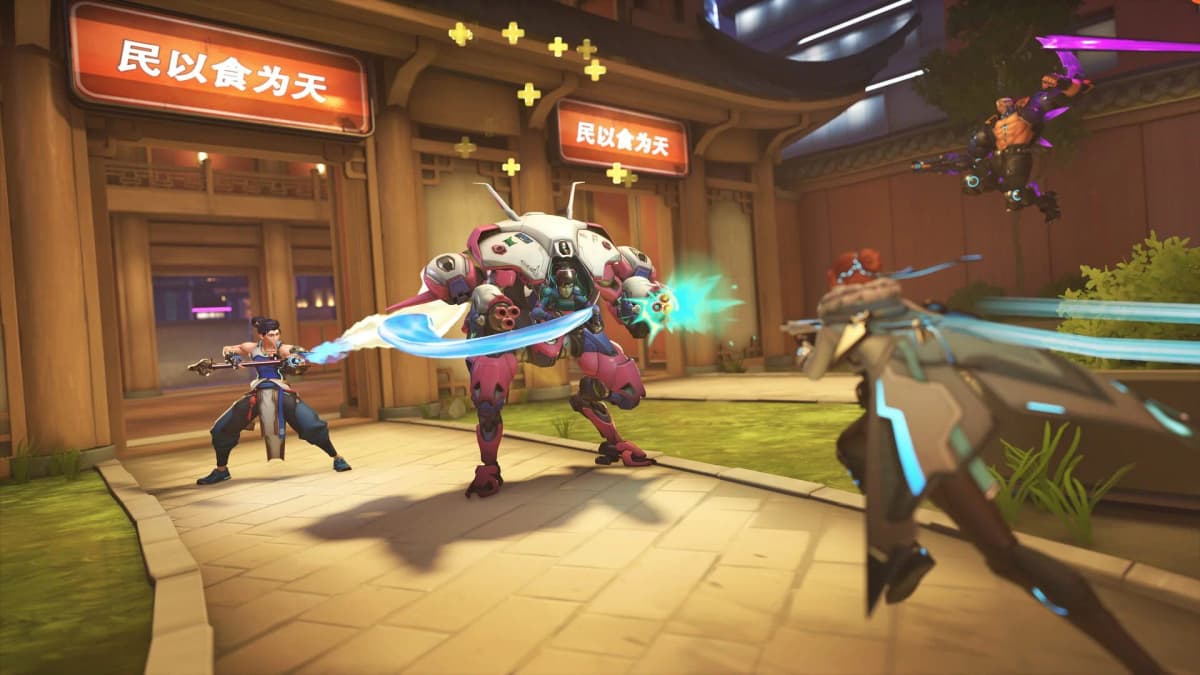
So what should players expect? First, a busier cosmetics roadmap: more mythic skins, smoother crossovers, and fewer clipping complaints as new outfits land. Second, a steady pipeline of heroes optimized for that shared pipeline — meaning new characters will likely conform to the studio’s preferred rig. Third, ongoing community pushback: fans who value diversity in body types and cultural representation will continue to call for exceptions or parallel workflows that preserve distinct silhouettes.
What this means for players
- Faster and cleaner cosmetic drops — fewer wonky clipping issues, more ambitious crossovers (like Hello Kitty).
- More consistent hero silhouettes, which helps gameplay readability but can reduce visual variety.
- A likely increase in mythic and premium cosmetics as Blizzard capitalizes on a more efficient pipeline.
- An area for community activism: demand for occasional bespoke models or parallel pipelines to preserve body diversity.
Blizzard’s explanation reframes a sensitive topic. The studio isn’t necessarily chasing a narrower beauty standard for its own sake; it’s optimizing a production pipeline for a long-term, cosmetics-driven live service. That technical reality coexists with player expectations about diversity and representation — and both sides deserve attention. If Blizzard wants the best of both worlds, the smart path is transparency about when exceptions will be made and investment in selective bespoke work for heroes where silhouette diversity meaningfully matters.
TL;DR: Overwatch characters have trended toward taller, longer-limbed proportions, but Blizzard says the change is driven largely by technical and future-proofing reasons: easier cosmetics, reduced clipping, and better animation/readability. Expect more crossovers and mythic skins — and continued community debate about representation.
FinalBoss // Gear
Level up your setup
01Top-rated gaming headsetson Amazon→02High-refresh gaming monitorson Amazon→03Gaming chairson Amazon→04Discounted game keyson Kinguin→Affiliate links · As an Amazon Associate, FinalBoss earns from qualifying purchases.