
Table of Contents (18)
How I Finally Stopped Getting Farmed on the Chapter 6 Map
After spending my first 20+ games in Fortnite Chapter 6 dying off-spawn, I realized the new island isn’t just “Chapter 5 but different.” The 18 named locations, the new Vehicle Spawner system, and power-scaling POIs like Sprite Shrines and Typhoon Blade Stands completely change how you should plan your match.
The breakthrough came when I stopped landing randomly and built a simple plan: pick 2-3 main landing spots, memorize their loot paths and nearby vehicle spawns, then add Sprite Shrines and Typhoon Blade routes into my rotations. Once I did that, my average placement and kill count jumped immediately.
This guide is exactly what I wish I’d had on day one: a practical tour of every named location, which ones are actually worth landing at, where vehicles fit into your game plan, and how to rotate without getting deleted crossing open ground.
All 18 Named Locations (And What They’re Good For)
The Chapter 6 island has 18 named landing spots. You don’t need to master all of them right away, but you should at least know what each is roughly “for” so you’re not blindly jumping into a hot zone when you wanted a quiet start.
- Magic Mosses – Dense, high-loot greenery; tight buildings and natural cover.
- Canyon Crossing – Central crossroads with strong loot and open sightlines.
- Burd – Solid but calmer town-style POI, good for safe looting.
- Lost Lake – Water-focused area with good positions and sneaky rotations.
- Shogun’s Solitude – Vertical, Japanese-inspired fortress with high-tier loot.
- Brutal Boxcars – Train yard / industrial vibes; moderate loot density.
- Demon’s Dojo – Combat-focused, close-quarters structures.
- Flooded Frogs – Swampy, low-ish loot but usually low player traffic.
- Foxy Floodgate – Bridges and water, situational but decent if uncontested.
- Hopeful Heights – Elevated terrain with solid vantage points.
- Masked Meadows – Fields with scattered buildings and rotational options.
- Nightshift Forest – Dense trees, good for hiding late-game.
- Pumped Power – Industrial energy facility with vehicles and mid-tier loot.
- Seaport City – Big coastal city, lots of loot and lots of players.
- Shining Span – Bridge / crossing area; great for choking rotations.
- Twinkle Terrace – Compact POI, fine for duos or solos.
- Warrior’s Watch – High-ground fortress; fantastic late-game position.
- Whiffy Wharf – Coastal docks with vehicles and rotation angles.
Some of these are pure loot hubs, some are rotation tools, and some are just places you pass through on your way to something better. The key is matching the POI to your playstyle.
Best Landing Spots: S, A, and B Tier (From Painful Experience)
S-Tier: Land Here If You Want to Control the Match
These three spots gave me my most consistent “stacked” early games: full shields, solid weapons, and a clear rotation plan.
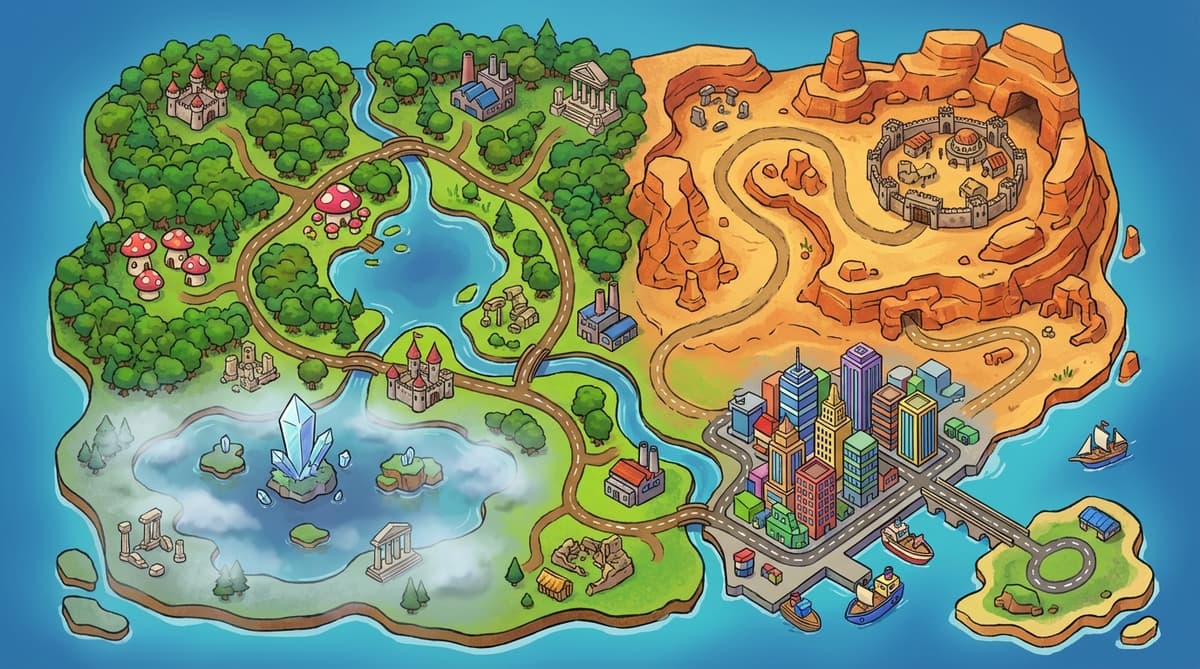
- Magic Mosses – My number one drop. You typically get high loot density (around 4–5 chests and a ton of floor loot in a compact area), plus trees and rocks for instant cover. What finally worked for me was landing on a guaranteed chest roof, grabbing whatever I got, then immediately clearing the closest two buildings before people could fully stabilize. If you hesitate here, you get third-partied to death.
- Canyon Crossing – Think of this as the “hub” of the island. Central position, strong loot, and easy transitions in almost any storm. My biggest mistake early on was overstaying. Now I loot for 30–45 seconds, grab a vehicle or rotate on foot using canyon walls as cover, and leave before the full lobby collapses on it.
- Shogun’s Solitude – Slightly less hot than the first two, but still stacked. The verticality is huge: controlling the upper levels lets you farm anyone rotating in late. I like dropping on the highest roof, looting downwards, then using the zip/ramps (or natural slopes) to swing toward Warrior’s Watch or Shining Span depending on circle.
A-Tier: Great for Consistent Top 10s
These are my go-to spots when I want a calmer early game but still enough loot to fight.
- Burd – Solid chest and floor loot, but fewer people contest it compared to the S-tier POIs. Perfect for trios and squads that want to gear up first, then third-party fights at Canyon Crossing.
- Lost Lake – The terrain here is underrated. The water and small islands give you natural cover and creative angles. I’ve survived so many scuffed games by sliding along the lake edges and using the terrain to break line of sight.
B-Tier: Situational Picks That Still Have a Place
These POIs I treat as backup plans or rotation stops rather than primary drops.
- Brutal Boxcars, Demon’s Dojo – Perfect if the bus path makes your usual drops hot death zones. Loot is fine but more spread out, so squads can feel a bit starved early.
- Flooded Frogs, Foxy Floodgate – Lower loot density, but I barely see anyone here. I’ll use these when I just want to survive off-spawn and play endgame practice.
- Other spots like Masked Meadows, Twinkle Terrace, Shining Span are great as second stops – clean them on your way to circle after looting safer areas.
Don’t make my early mistake of forcing yourself into S-tier hot drops every game if you’re still learning the map. A couple of calmer A/B-tier games do wonders for understanding rotations and vehicle spawns.
Power POIs: Sprite Shrines, Typhoon Blades, and Elemental Chests
The biggest difference between my “average” games and my “I feel unkillable” games is how often I route through these power POIs.
Sprite Shrines: Free Power If You Plan Around Them
Sprite Shrines are scattered around the island and let you interact to reveal Sprites, then trade them for Boons (temporary buffs). Once I started treating them as mid-game objectives instead of side content, my win rate noticeably improved.
- Plan a shrine into your first rotation from your landing spot.
- Prioritize Boons that boost survivability or mobility (extra shields, movement perks, etc.). Damage helps, but living longer wins more games.
- If you’re ahead on loot, don’t greed every fight – rotate early to the nearest shrine, get your buffs, then hunt fights.
Typhoon Blade Stands: One Legendary, One Winner
Each Typhoon Blade Stand spits out one legendary Typhoon Blade per match. That scarcity makes them instant hotspots. When I tried to force these stands straight off the bus, I died a lot. What finally worked was hitting them on my second rotation:

- Drop at a strong loot POI (Magic Mosses / Shogun’s Solitude).
- Fully gear up and grab at least mid-tier weapons + heals.
- Rotate toward the nearest Blade Stand once the first wave of chaos has passed.
- Use natural cover or a vehicle to approach – people will camp these.
If you grab a Typhoon Blade mid-game while already stacked, you effectively jump a tier in power compared to most of the lobby.
Elemental Chests: Win Fights Before They Start
Elemental Chests add extra punch to your kit with elemental effects. They’re not as life-changing as a Typhoon Blade, but they often decide close fights. I especially value anything that helps control space (like area denial) when holding choke points around Shining Span or canyon paths near Canyon Crossing.
Vehicle Spawners: The Real Secret to Safe Rotations
In Chapter 6, vehicles no longer feel random once you learn the Vehicle Spawner system. Each spawn plate reliably produces a specific vehicle, and once I memorized a few around my favorite drops, my deaths crossing open areas dropped dramatically.
Know Your Ride: When to Take Which Vehicle
- Armored Transport – My go-to for ranked or sweaty lobbies. It’s slower but tanky, perfect for crossing contested zones or rotating from Seaport City / Whiffy Wharf along exposed roads.
- War Bus – Mobile cover and team carrier. Great around central POIs like Magic Mosses and Canyon Crossing where third parties are constant.
- SUV – Balanced pick from spots like Pumped Power. Enough durability, decent speed, good for flexible rotations.
- Nitro Fang – Speed demon. I use these from northern POIs (like Warrior’s Watch / Shogun’s Solitude area) when the circle pulls hard south or east and I just need to book it.
- Others (Whiplash, TrailSmasher) – Fun, niche options. I treat these as opportunistic picks, not core rotation tools.
The main tip: plan your route from your landing spot to the closest reliable vehicle spawner. Don’t wander hoping to “find a car” – that’s how you get beamed in the open.
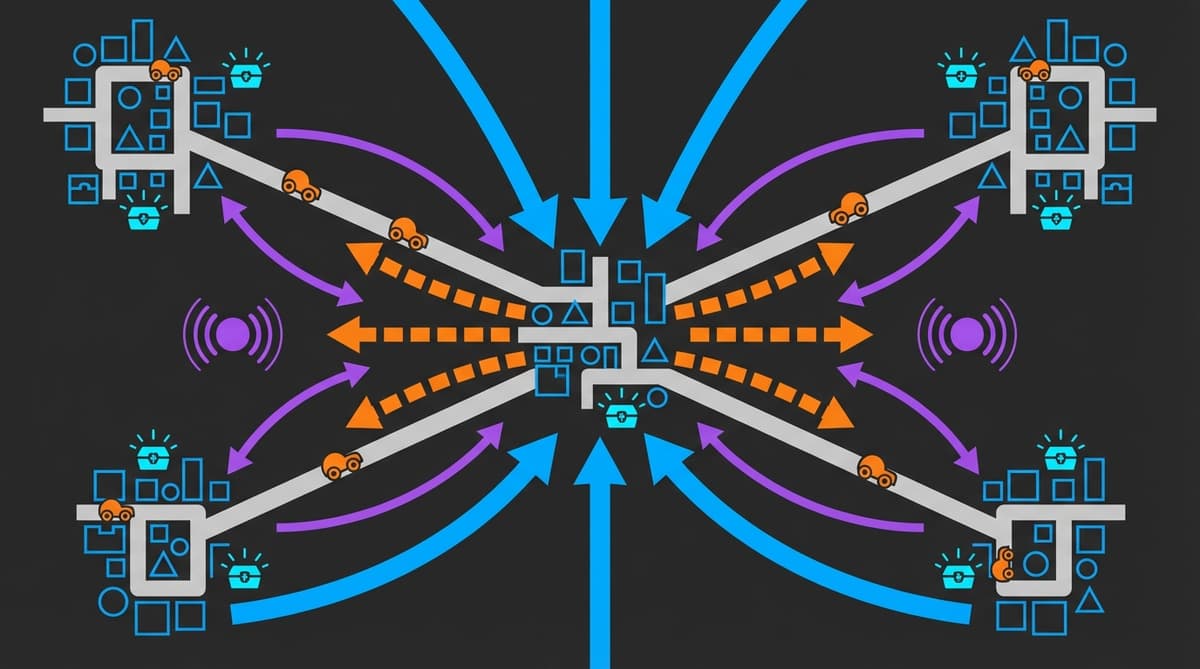
Rotation Gameplan: Early, Mid, and Late Match
Early Game (0–5 Minutes): Loot Fast, Move First
- First 30 seconds: Land on a guaranteed weapon (roof chest or visible floor gun).
- Next 60 seconds: Clear 2–3 nearby buildings, hit obvious chests, and grab at least:
- 1–2 weapons (close + mid range)
- Full shields or close to it
- Basic mats
- By 1:30–2:00: Start rotating toward:
- Your nearest planned vehicle spawner, or
- A nearby Sprite Shrine if it’s close and uncontested.
This is where most people (me included, at first) fail: they over-loot their starting POI and get caught rotating late with the whole lobby between them and zone. Beat that by moving earlier than feels comfortable.
Mid Game (5–15 Minutes): Power Up, Don’t Overfight
- Use your first vehicle to cross the most dangerous, open section of your path.
- Prioritize:
- Sprite Shrines for Boons
- Typhoon Blade Stands if you’re already decently geared
- Elemental Chests around choke points
- Take fights you can third-party or where you clearly hold height / cover advantage. If it’s a 50/50 brawl in the open, drive past it.
My rule: if I don’t have at least blue weapons, good heals, and one meaningful buff (Boons, Typhoon Blade, or elemental weapon) by the end of mid-game, I assume I’m behind and play more defensively.
Late Game (15+ Minutes): Ditch Vehicles, Play Terrain
Late game is where I lost a ton of winnable matches by staying in vehicles too long. Once circles shrink around spots like Nightshift Forest, Warrior’s Watch, or Pumped Power, vehicles turn into noisy bullseyes.
- Abandon vehicles just outside the final zone and rotate in on foot.
- Prioritize:
- High ground at Warrior’s Watch or nearby hills
- Tree cover in Nightshift Forest
- Solid buildings / natural cover at Pumped Power
- Think in terms of approach routes: where will enemies have to walk or glide from, and can you see those lines?
Advanced Tips & Common Mistakes to Avoid
- Don’t full-send Typhoon Blade Stands off-drop. Treat them as second-rotation objectives unless you’re intentionally practicing off-spawn fighting.
- Don’t ignore “boring” POIs. Places like Burd, Lost Lake, or Flooded Frogs can quietly set you up for top 5s with way less stress.
- Use water and canyons for stealth rotations. Lost Lake and the canyons around Canyon Crossing let you move without being constantly exposed.
- Memorize 1–2 vehicle spawns per favorite POI. This alone will massively cut down on those frustrating “died crossing a field” games.
- Leave S-tier POIs before the chaos peaks. Win your local fights, loot, and get out. Staying for the third third-party is how you throw tempo.
Putting It All Together
If you take nothing else from this guide, use this simple framework for Chapter 6:
- Pick one S-tier and one A/B-tier landing spot to main.
- Memorize their loot paths and nearest vehicle spawners.
- Plan a mid-game route that hits at least one Sprite Shrine and, if possible, a Typhoon Blade Stand.
- Ditch vehicles before the final zones and play high ground + natural cover.
Give this approach 5–10 matches, and you’ll feel the difference. Fewer scuffed rotations, more stacked inventories, and way more games where you’re the one gatekeeping rotations instead of begging for a safe path into zone. If I could go from getting farmed at Canyon Crossing every match to reliably closing out endgames, you can absolutely do the same.
FinalBoss // Gear
Level up your setup
01Top-rated gaming headsetson Amazon→02High-refresh gaming monitorson Amazon→03Gaming chairson Amazon→04Discounted game keyson Kinguin→Affiliate links · As an Amazon Associate, FinalBoss earns from qualifying purchases.
Want to Level Up Your Gaming?
Get access to exclusive strategies, hidden tips, and pro-level insights that we don't share publicly.
Ultimate Guide Strategy Guide + Weekly Pro Tips