
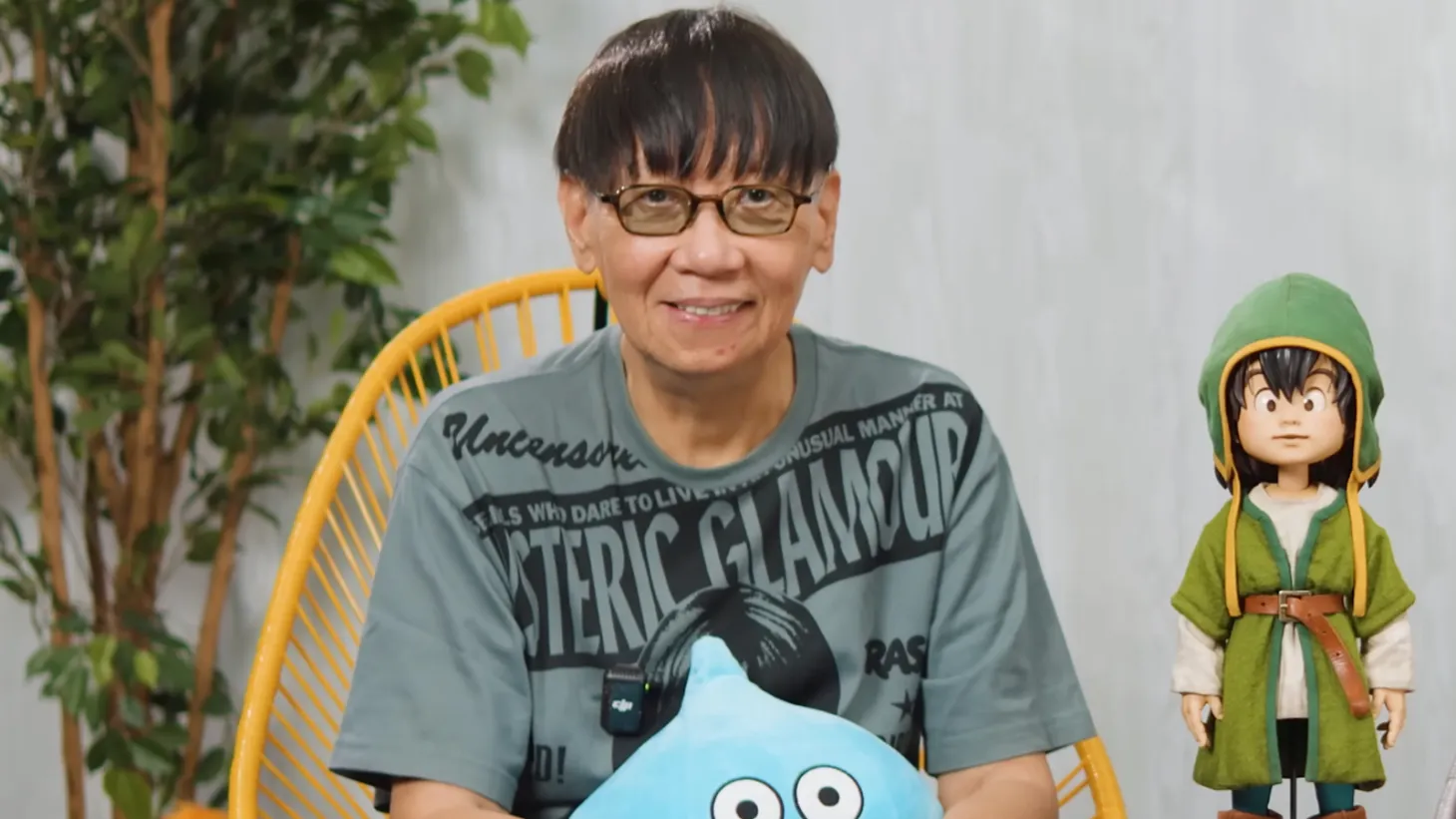
Yūji Horii says he’ll work on Dragon Quest ’til he dies — and gamers should care
Game intel
Dragon Quest (Series)
Dragon Quest VI did not receive an enhanced remake on a console until the Nintendo DS. The Dragon Quest VI enhanced remake for the Nintendo DS was announced in…
Why this mattered the moment I read it
When Yūji Horii – the man who shaped JRPG storytelling for decades – told reporters, “Je pense que je travaillerai dessus jusqu’à ma mort” (“I think I will work on it until my death”), it wasn’t just a sentimental line. At 71, Horii’s promise to stay involved with Dragon Quest while taking a quieter role in development signals something the industry keeps wrestling with: legacy stewardship versus creative renewal.
- Horii will supervise the story for Dragon Quest XII: The Flames of Fate while stepping back from day-to-day duties.
- He hopes to participate in the series’ 50th anniversary in 2036 – a long-term anchor for Square Enix’s plans.
- This is part of a broader pattern: veteran creators (Miyamoto, Sakurai, Tajiri, others) remain visible while younger teams handle execution.
Key takeaways
- This matters because Horii’s involvement still sets the creative tone — even “quiet” guidance can shape narrative and mechanics.
- Gamers should be cautiously optimistic: legacy oversight often protects franchise identity but can also slow risky innovation.
- Expect Square Enix to lean on anniversaries and remakes (HD-2D, remasters) as part of a strategy that benefits from Horii’s stamp.
Breaking down Horii’s role — what “discreet” supervision actually means
Horii supervising Dragon Quest XII’s story suggests he’s still the franchise’s moral compass: approving plot beats, character arcs, and the tone that keeps Dragon Quest recognizably Dragon Quest. That’s a big deal. The series’ DNA is subtle — a mix of whimsy, melancholic drama and party-based systems — and a misstep in tone can sour long-time fans quicker than a botched combat system.
But “discreet” is also a euphemism. In modern AAA production, supervision often looks like notes on narrative drafts, checking milestones, and public-facing appearances. It’s not the same as writing every line or designing every encounter. That’s fine — and normal — provided publishers don’t hide behind a respected name to paper over a lack of fresh ideas.
Industry pattern: legends who stick around — pros and cons
The user-provided list of recent games — from Dragon Quest III’s HD-2D remake to Zelda, Pokémon, Kirby, Metroid, and Final Fantasy entries — illustrates a clear trend. Big franchises keep attracting their original creators as overseers. That continuity helps maintain brand trust and often yields high-quality reimaginings and anniversary projects.
But there’s pushback. When studios lean too heavily on nostalgia, the market gets flooded with remakes, expansions and “supervised-by” billing. It can become a comfort cycle rather than genuine advancement: safe sales for publishers, fewer risks for players craving new ideas. The key for 2025 onward will be balancing respect for creators’ visions with room for younger designers to evolve franchises.
Want to Level Up Your Gaming?
Get access to exclusive strategies, hidden tips, and pro-level insights that we don't share publicly.
Ultimate Gaming Strategy Guide + Weekly Pro Tips
What this means for players
If you’re a Dragon Quest fan, Horii’s continued involvement is reassuring. The upcoming Dragon Quest XII: The Flames of Fate is likely to keep narrative throughlines and the tonal balance fans expect. And his aim to be present for the 50th anniversary in 2036 gives Square Enix a reliable anchor for long-term planning.
Still, temper enthusiasm with a pragmatic watchfulness: look at hands-on credits and the younger talent listed on projects. Supervision is valuable, but the actual gameplay experience will be decided by the teams shipping the game. If developers use Horii’s name as a seal rather than genuine guidance, players will notice.
Looking ahead — why now, and what to watch for
Why now? Remakes, HD-2D aesthetics, anniversary marketing and cross-generational appeal are everywhere. Horii’s statement fits that cadence: franchises leaning on legacy will be central to 2025-2036 strategies. Watch Dragon Quest XII’s credits, the shape of its story beats, and Square Enix’s anniversary roadmap. That will tell you whether Horii’s presence is creative stewardship or primarily symbolic.
TL;DR
Yūji Horii saying he’ll work on Dragon Quest until he dies is heartfelt and strategically useful for Square Enix. For players, it’s mostly good news: expect narrative fidelity and carefully staged anniversaries — but keep an eye on who’s actually doing the day-to-day design. Legacy names are valuable; they’re not a substitute for new ideas.