
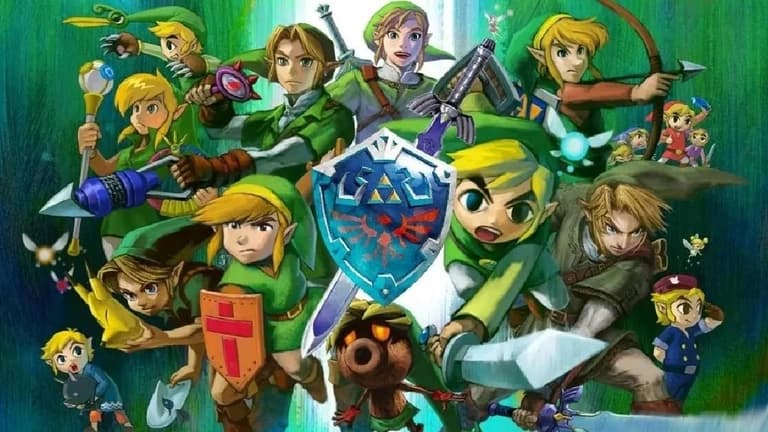
Forty years in, The Legend of Zelda reads less like a franchise and more like a developer’s changelog that the whole industry keeps copying. From battery-backed saves and open exploration to Z‑targeting and physics-first open worlds, Zelda’s headline innovations are technical and conceptual pivots studios still borrow. The anniversary conversation this week – equal parts nostalgia, community mods and fan frustration – underscores that influence, even as Nintendo itself kept the celebration muted.
Table of Contents (7)
Key takeaways
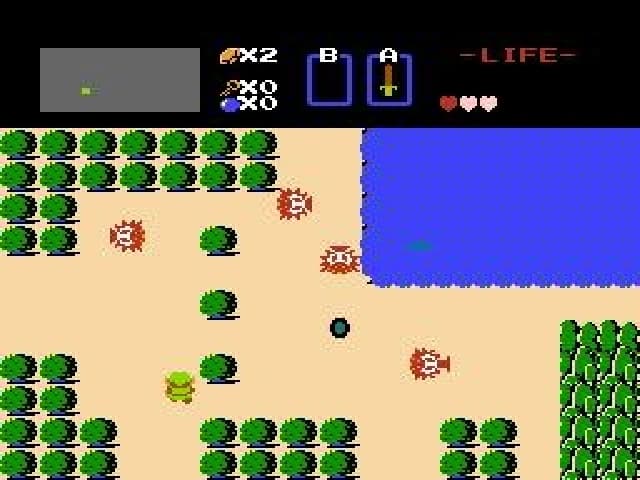
- The original Zelda introduced battery-backed saves and true non-linear exploration – a foundational shift away from arcade-style loop design (Nintendo Life).
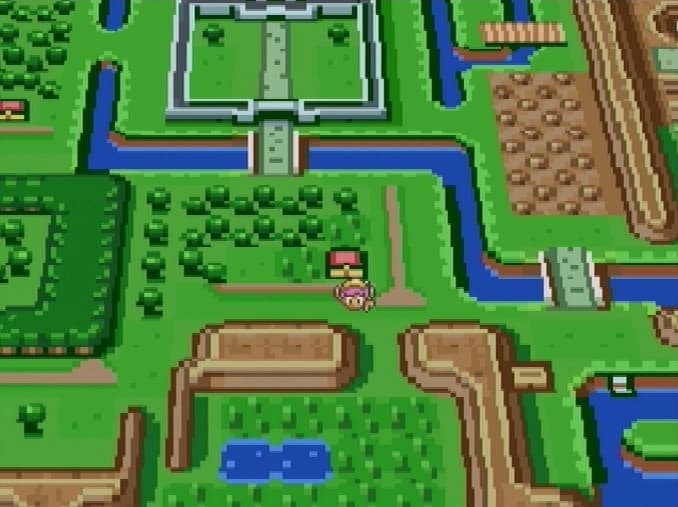
- A Link to the Past codified Metroidvania-style gating and dual-world levelwork that became an industry template (Nintendo Life).
- Ocarina of Time’s Z‑targeting and context-sensitive controls standardized how 3D action games handle camera and combat.
- Breath of the Wild rewrote open-world assumptions with systems-first, physics-driven play; its influence is explicit in modern big releases and indie design trends.
- The anniversary exposed a split: fans wanted big Nintendo-led celebration (Steam News), while the community did what it does — tinker and adapt hardware and ideas themselves (GamesRadar+).
Every Zelda major release functions like an industry patch
Nintendo doesn’t just release sequels; it deploys new tools for other teams to use. The original 1986 Zelda did something deceptively simple and massively consequential: it put a battery-backed save on a consumer console cartridge and handed players a persistent, explorable space. That technical choice unhooked game design from the arcade quarter model and made longer, discovery-led games commercially viable (Nintendo Life).
A Link to the Past then made gating and item-based progression elegant — an architecture that became shorthand for Metroidvania design. Ocarina of Time solved a different era’s problem: how to make action work in 3D. Z‑targeting and context-sensitive buttons made camera, targeting and UI sane in a way every 3D action-adventure studio still copies.
Most recently, Breath of the Wild didn’t add more icons to a map. It inverted assumptions about how open worlds should work: a compact set of interactive systems — physics, temperature, weapon durability, emergent traversal — produced discovery without hand-holding. Developers openly cite it; critics and creators argue over which systems to steal and which to resist, but the result is the same: a new default for how AAA and indie teams think about open space.
The anniversary story the headlines missed
Two things stood out across coverage this week. First, Nintendo’s low-key approach left many fans disappointed — Steam News captured the backlash — which matters because silence cedes the narrative to fans, leakers and modders. Second, the community itself keeps the ideas living. A GamesRadar+ feature on modders turning the 2021 Zelda Game & Watch into a proper retro handheld is a neat symbol: when corporate stewardship is quiet, enthusiasts extend, remix and repurpose the brand and hardware.
There’s also an archival angle: VidaExtra’s reporting on Retro Studios’ rejected Zelda pitches from the 2000s is a reminder that experimentation often happens behind the curtain. Ideas that don’t fit Nintendo’s roadmap still seed later content elsewhere. The franchise has always been conservative about which experiments it ships, but its influence leaks out through other teams and genres anyway.
The uncomfortable observation
Nintendo’s restraint on anniversaries isn’t mere modesty — it shapes how the franchise is remembered. The company rarely lets nostalgia be monetized into big surprise drops on its own timetable, and that control frustrates fans who equate anniversaries with remasters or retrospectives. Meanwhile, the most visible labour of love ends up coming from players: mods, retrospectives, and written histories. If a cultural property is preserved through fan work more than company showmanship, that’s a comment worth making.
The question I’d ask Nintendo’s PR rep
Why let the franchise’s own 40th anniversary pass with silence instead of using it to map Zelda’s design lineage — the saves, the gates, the Z‑targeting, the systems — and signal where the series goes next? And will Nintendo acknowledge and protect the fan work and small-scale hardware tinkering that keep the brand culturally active?
What to watch next
- Nintendo’s next Direct or partner showcase — any sign of curated retrospectives, archival collections, or reissues for Switch Online or a new platform.
- Breath of the Wild sequel updates — how much the team leans further into systems design versus more scripted storytelling.
- Legal or PR responses to community mods (Game & Watch modding): will Nintendo tolerate, ignore, or clamp down?
- Leaks or confirmations about Retro Studios or other external teams being allowed to tackle Zelda-style projects — that could indicate a shift in how Nintendo outsources experimentation.
Those signals will tell us whether Zelda’s role as the industry’s rule-changer is going to be curated by Nintendo or continued by the community and other studios.
TL;DR
Zelda’s 40th is a reminder that every few entries the series rewrites the playbook — saves, Metroidvania gating, Z‑targeting, systems-based open worlds — and those rewrites have remade whole genres. This anniversary highlighted a split: Nintendo stayed quiet while fans and modders picked up the storytelling. Watch Nintendo’s next moves, Breath of the Wild follow-ups, and how the company treats community work — they’ll show whether Zelda’s next rule change will be made in Kyoto or on YouTube.
FinalBoss // Gear
Level up your setup
01Best-selling Switch 2 gameson Amazon→02Switch 2 accessorieson Amazon→038BitDo controllerson Amazon→04Discounted game keyson Kinguin→Affiliate links · As an Amazon Associate, FinalBoss earns from qualifying purchases.
Want to Level Up Your Gaming?
Get access to exclusive strategies, hidden tips, and pro-level insights that we don't share publicly.
Ultimate Gaming Strategy Guide + Weekly Pro Tips