
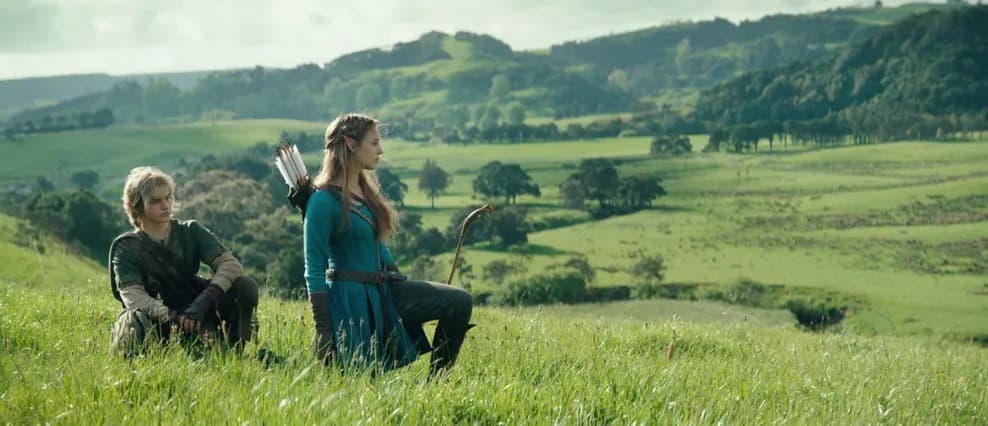
Why Zelda’s Live-Action Film Could Rewrite Game Movies
Game intel
The Legend of Zelda
Why Zelda’s Live-Action Film Could Rewrite Game Movies
Nintendo’s decision to bring The Legend of Zelda into live-action territory isn’t just another game-to-screen experiment—it’s a high-stakes leap onto the blockbuster stage. After Mario’s animated triumph, this is Nintendo’s boldest film gamble yet: real actors, sweeping real-world vistas and a fanbase poised to scrutinize every Master Sword swing. If everything clicks—tone, casting, narrative focus—it could set a new standard for video game adaptations. But get any one element wrong, and we’ll have generic fantasy slog that undercuts Hyrule’s magic.
- Production is underway in Wellington, New Zealand, from Nov 4, 2025 to Apr 7, 2026 (industry listings).
- French premiere slated for May 5, 2027, with a global rollout that week.
- Directed by Wes Ball (The Maze Runner, Kingdom of the Planet of the Apes).
- Script by Jurassic World’s Derek Connolly; coproduced by Shigeru Miyamoto and Avi Arad.
- The biggest hurdles: giving Link a voice and preserving Zelda’s spirit of wonder.
Breaking Down the Announcement
The production timeline actually checks out: five months of principal photography in New Zealand’s stunning landscapes, followed by at least a year of intensive post-production for creature effects and immersive environments. That longer tail in post is crucial—Wellington’s vistas can fill the “sweep,” but the mandate of mixing practical sets with high-quality VFX demands time. Industry trades like Variety and The Hollywood Reporter note Nintendo’s choice of a May 2027 release slot is classic four-quadrant fantasy territory. It’s prime real estate—families, teens, and adults all converge for that holiday-week buzz.
Importantly, Miyamoto’s involvement as coproducer (alongside Avi Arad and Nintendo Pictures) serves as a creative safeguard. His hands-on approach helped keep the recent Mario movie faithful without stifling innovation. Here, that balance is even more delicate: Zelda thrives on quiet exploration as much as epic showdowns. A heavy-handed studio push could drown out the franchise’s core ethos.
Casting Curveballs
Online chatter—backed by unnamed “sources” in trades—has linked Benjamin Evan Ainsworth (known for his role in Netflix’s Chilling Adventures of Sabrina) to Link, and Icelandic newcomer Bo Bragason to Princess Zelda. Neither the studio nor Nintendo has confirmed these names, so treat casting reports as provisional. If the leads skew toward late teens or early twenties, expect a coming-of-age framework: Link’s journey through Hyrule as a rite of passage, with Zelda positioned as both mentor and equal partner. That dynamic could mirror Katniss–Peeta or Joel–Ellie, giving emotional ballast beyond sword fights.
Age range and chemistry will hint at more than just romance potential; they signal the film’s intended rating and tone. A PG-13 rating can accommodate perilous moments and shadowy threats—think restrained Redeads rather than gory horror—but that hinges on how Sony and Nintendo calibrate risk. Too soft, and Ganon feels toothless; too grim, and the film loses its family-friendly charm.
The Connolly Conundrum
Derek Connolly’s Jurassic World credits underscore his knack for spectacle—but his scripts often lean on nostalgia over deep character arcs. Jurassic World dazzled, yes, but critics flagged its thin protagonists and patchwork logic. Zelda, by contrast, demands a narrative built on puzzle logic, environmental storytelling, and quiet discovery. Treasured series moments—like solving a shrine riddled with ancient Sheikah tech—must translate into fully realized sequences, not throwaway montage. Connolly’s challenge is to craft set pieces that feel like gameplay loops: observe, deduce, act, and reward.
To do that, the script likely needs a structural meditation on “internal goals.” Link’s silence in the games is a feature—players project onto him. In a feature film, however, complete muteness becomes a barrier. The sweet spot? Give Link selective dialogue: a few calm, purposeful lines that reveal his hopes and vulnerabilities, without turning him into a quip machine. Think of how Hayao Miyazaki uses sparse speech to convey deep emotion. That approach honors Link’s legacy while fitting a two-hour runtime.
The Real Adaptation Puzzle
Translating Zelda’s signature gameplay elements into cinematic language is the project’s core puzzle. In Breath of the Wild, exploration is the reward—sun-dappled fields, hidden Korok seeds, and random breeze-swept anecdotes from Scarecrows. Could the film recreate that serendipity? A well-staged sequence might show Link scaling a cliff, only to discover a drifting paraglider and a panoramic reveal of Hyrule Castle. That sense of discovery needs space to breathe on-screen; relentless action cuts would feel like skipping the best chapters.
Within dungeons, puzzle mechanics—lever pulls, mirror reflections, timed switches—must be woven into the drama. Imagine a torch-light trial where Link must use a new tool (say, the Magnesis Gauntlet) to solve a metallic door puzzle, only to be ambushed by a miniboss that punishes reckless use of magic. That layered design evokes the interactive spirit gamers adore. A build-up that pays off Call of Duty-style gunplay won’t cut it—Zelda is about thoughtful engagement, not button-mash heroics.
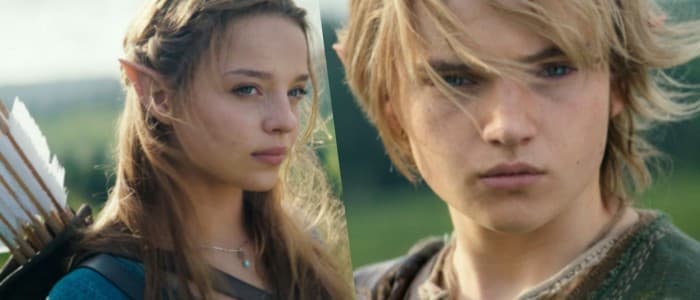
But puzzles are only half the story. Tone matters more. Wes Ball has teased a “Miyazaki-like dreaminess,” focusing on moments of hush: a solitary Link gazing at the sunset, the soft hum of Sheikah runes, the weight of an ancient prophecy. Achieving that requires trusting the art direction team: weathered texture on a wooden bridge, delicate glow on Sheikah slate panels, the graceful sway of Korok foliage—and a score that blends John Williams–sized grandeur with Joe Hisaishi–style leitmotifs. Composer announcements (perhaps Koji Kondo returning as consultant) will be an early indicator of how much the film honors Zelda’s musical heart.
Narrative Opportunities
Beyond Link and puzzles, the story needs a compelling through-line. Will we see a flashback to the original sealing of Ganon? Could Impa serve as a military strategist, offering world-building exposition without heavy-handed monologues? Zelda’s intelligence and agency are central—she can’t just be a damsel in need. A well-structured screenplay might parallel Link’s physical journey with Zelda’s political maneuvering in Hyrule Castle, converging in a climactic reunion.
Bonus fan-service moments could include cameos: a cloaked Tingle interpreted as a mysterious traveler, or a brief shot of the Master Sword rising from its pedestal. But these Easter eggs should feel earned, not gratuitous winks to die-hard fans. The key is emotional stakes: if Link saves Zelda—or vice versa—invest in the relationship so the final sequence resonates beyond a simple triumph over evil.
Industry Case Studies: Hits and Misses
Looking at recent game adaptations offers a roadmap. The Last of Us succeeded because HBO treated it like prestige TV, extending Ellie and Joel’s bond over multiple episodes. Uncharted stumbled by streamlining Nathan Drake’s wit to generic action-hero quips. Sonic the Hedgehog turned around initial design backlash by listening to fans and injecting sincere humor. Mario broke records by embracing the franchise’s nostalgia, leaning into character-driven gags rather than pure spectacle.
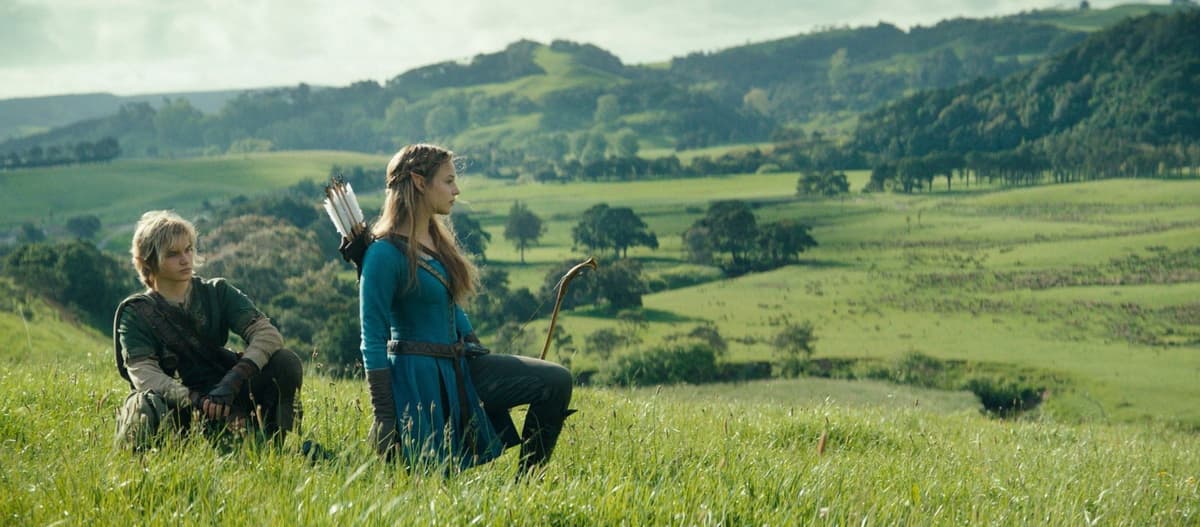
Zelda’s film sits at these crossroads: it needs episode-scale depth but must fit into a single theatrical run. If Sony and Nintendo chase only Marvel-style spectacle, we’ll get slick but soulless cosplay. If they commit to Zelda’s idiosyncrasies—unafraid of quiet interludes and cryptic lore—we might see a new yardstick for adaptations. The lesson: respect the source material’s core rhythms—expect exploration, mystery, and that slow-burn magic that turns a simple hilltop view into goosebump territory.
What Gamers Should Watch For
- Official casting announcements: names and age ranges reveal intended tone and dynamic.
- Composer or musical collaborators: a familiar leitmotif suggests deep roots in game scores.
- First trailer’s editing: will it linger on landscapes and puzzles or volley nonstop action?
- Villain presentation: Ganon as mythic shadow vs over-the-top cartoon baddie.
- Production design teases: lived-in Hyrule or polished high-fantasy?
Looking Ahead & Predictions
My guess: Sony will drop the first teaser at a major gaming showcase—perhaps Summer 2026’s Nintendo Direct or a D23 Expo—followed by a full trailer early in 2027. Composer credit could go to someone like Ramin Djawadi for a fresh take, with Kondo consulted to weave in classic themes. Expect early marketing to feature the Master Sword silhouette and a glowing Triforce fragment as key art. Rating clues will emerge from the trailer’s perilous moments—if we glimpse terrifying dungeon creatures without overt gore, we know they’ve struck a smart PG-13 balance.
Long-term, if this film nails its tone and narrative, Hyrule could become a multi-film saga or even a streaming series. New regions, sages and temples await—Zelda’s world is practically built for episodic exploration. But none of that matters if the first installment can’t capture the franchise’s soul: the hush of heroism, the thrill of discovery, the weight of destiny. So far, signs are encouraging: Wellington’s epic scenery, Miyamoto’s oversight, Ball’s dreaminess. Now, we wait for that trailer to breathe life into Hyrule once more.
TL;DR
Zelda’s live-action movie shoots in New Zealand for a May 2027 release. Success demands a thoughtful Link, puzzle-driven set pieces, and a tone that balances wonder with peril. Cautious optimism, Master Sword raised.