
Polished Remasters vs. Original Games: Innovation at a Crossroads
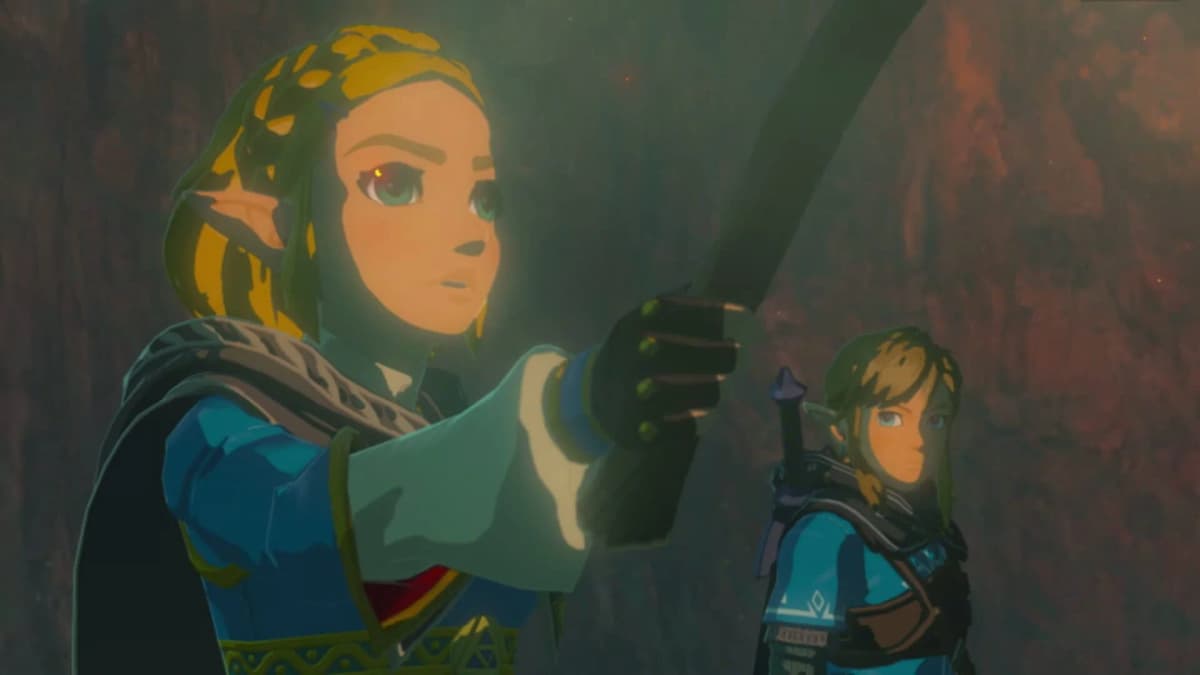
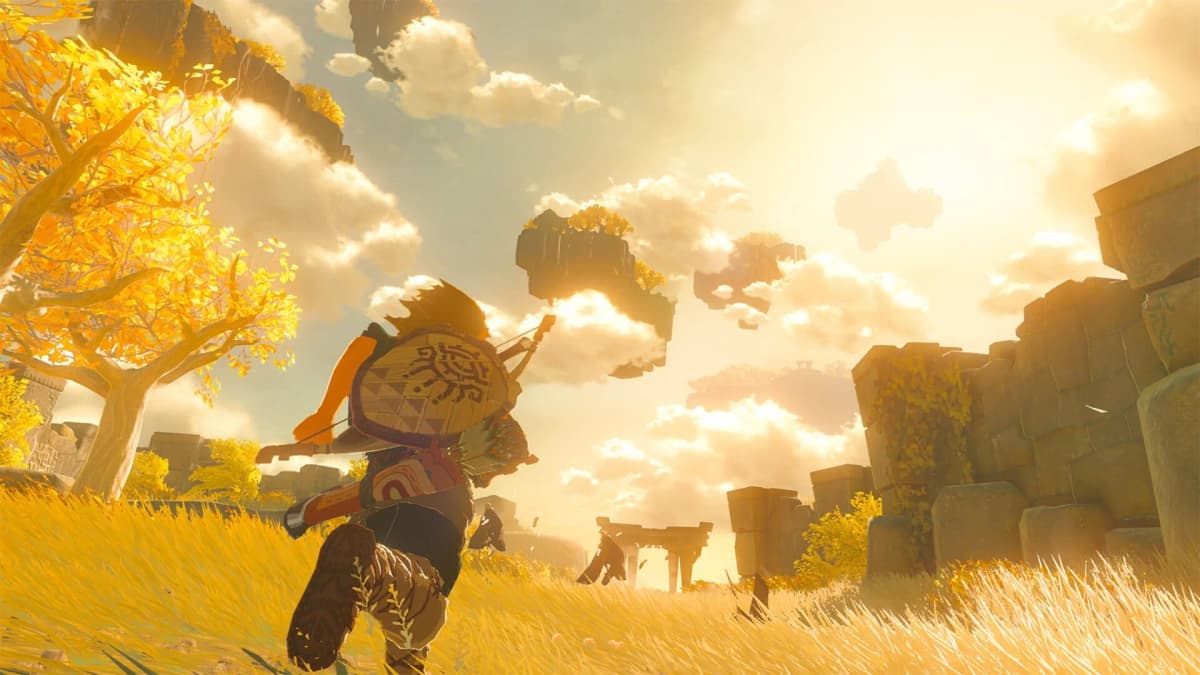
When Tears of the Kingdom resurfaced on Metacritic with a gleaming 95—courtesy of a Switch 2 rerelease—fans celebrated until they realized the score didn’t apply to the original. Enhanced textures, snappier loading and minor interface tweaks nudged it past indie standout Clair Obscur: Expedition 33 (93). The moment reignited a familiar question: are we applauding genuine breakthroughs or simply basking in a high-definition nostalgia trip?
The Appeal of Remasters
Revisiting a beloved franchise on modern hardware comes with built-in perks. Developers wield refined tools to polish every corner, while publishers enjoy dependable sales forecasts and limited creative risk. From Breath of the Wild’s remaster to revamped early Zelda titles, this formula has become a go-to strategy.
- Tears of the Kingdom (Switch 2): 95 for sharper visuals, boosted frame rates and quality-of-life improvements.
- Clair Obscur: Expedition 33: 93 for inventive hybrid combat and bold art design, but unable to dethrone the big name.
- Remastered classics span genres—platformers, RPGs and action-adventures—all seeing renewed attention.
- Robust hardware sales suggest strong appetite, yet new IPs struggle without the muscle of an established brand.
Spotlight on New IPs
Amid the remaster frenzy, a select few fresh titles are earning acclaim. Blue Prince (92) lets players reshape its modular levels on the fly. Split Fiction (91) delivers branching narratives that react in real time. Indies like Neon Frontier and Odyssia Echo have built loyal audiences with bold visuals and experimental mechanics, even if they haven’t topped the charts.
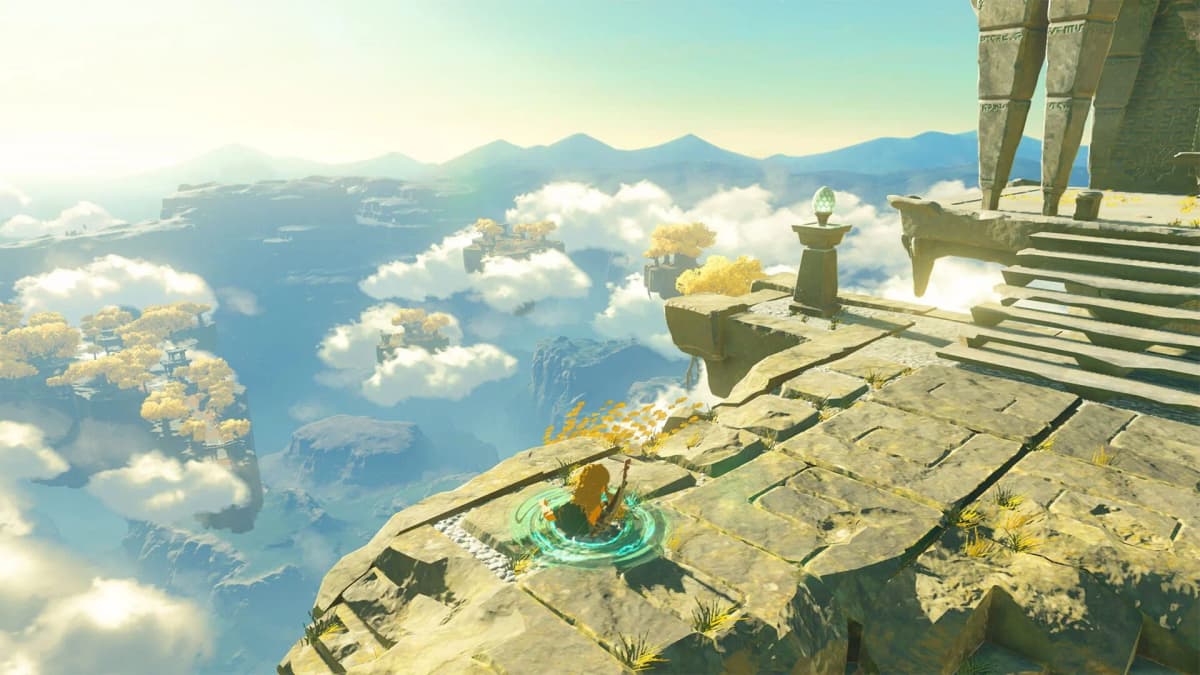
These examples prove that risk can yield creative rewards—provided studios secure adequate support. Yet marketing budgets and showcase slots still favor nostalgia, forcing smaller teams to rely on word-of-mouth and community buzz.
Economic Drivers
Publishers analyze sales figures, critic scores and player engagement to decide where to invest. A successful remaster cycle naturally garners more funding, which in turn can limit resources for original adventures. Still, some industry insiders argue that high-quality rereleases build goodwill, priming audiences for future innovations.
Why It Matters
At stake is the industry’s creative compass: will teams lean on the safety net of beloved properties or chart new territories brimming with fresh mechanics and bold storytelling? Answering this will shape gaming’s next decade.
Future analysis should compare how much publishers allocate to remasters versus new IP, success rates of each approach, and long-term player engagement. Such data could predict whether the next landmark title emerges from a storied franchise or a daring indie.
Looking Ahead
For players, polished classics offer instant gratification. For developers, the challenge lies in striking a balance between homage and invention. If the industry leans too heavily on retro polish, tomorrow’s genre-defining adventures may never emerge. But with courageous backing for fresh ideas, gaming’s next frontier could be more vibrant than ever.