
Table of Contents (6)
Why Zelda’s 40th anniversary matters more than a birthday cake
This caught my attention because anniversaries are often excuse-level nostalgia. Zelda’s 40th is different: the original 1986 release didn’t just birth a franchise – it planted ideas that still turn up in the biggest games today. From technical tricks like battery-backed saves to a refusal to hold the player’s hand, the first Legend of Zelda helped define what “open” games can be.
- Key takeaway 1: The original Zelda pioneered gameplay and technical features that pushed consoles away from arcade-style design.
- Key takeaway 2: Koji Kondo’s improvised theme, Miyamoto’s childhood explorations, and the famous line “It’s dangerous to go alone! Take this.” are more than trivia – they’re part of the game’s design DNA.
- Key takeaway 3: Zelda’s influence stretches beyond Nintendo – failed western pitches and cancelled ideas (like Retro Studios’ prototypes) show how other teams tried to re-shape Hyrule in different ways.
- Key takeaway 4: The many re-releases and platform ports keep the original accessible, which is both preservation and a steady reminder of how much modern open worlds owe it.
Breaking down the 1986 spark
Released on the Famicom Disk System on 21 February 1986, the first Legend of Zelda arrived when console games were still heavily arcade-influenced. JeuxVideo’s anniversary roundup highlights how Zelda’s cartridge battery save — and the game’s sprawling map with few forced directions — let Nintendo aim for an experience built around exploration and persistence rather than lives and high scores. That shift is the through-line to everything from Hyrule’s later entries to modern sandbox epics.
The lore around the music and moments is worth mentioning because they weren’t decorative flourishes: Koji Kondo’s title tune (famously slipped in late in development) and the terse, memorable prompt “It’s dangerous to go alone! Take this.” created atmosphere and player motivation with economy. Shigeru Miyamoto’s childhood wandering — caves, woods, and the curiosity of getting lost — is the conceptual seed you can still feel when you drop into any Zelda world.
Influence beyond Japan: name, canceled ideas, and cross-pollination
Numerama’s piece on the series’ name reminds us the franchise’s identity came from a marketing suggestion: Zelda Fitzgerald’s name was picked for its ring, not destiny. It’s a reminder that much of what becomes myth starts in small, human decisions — and that the series’ public image was shaped early on.
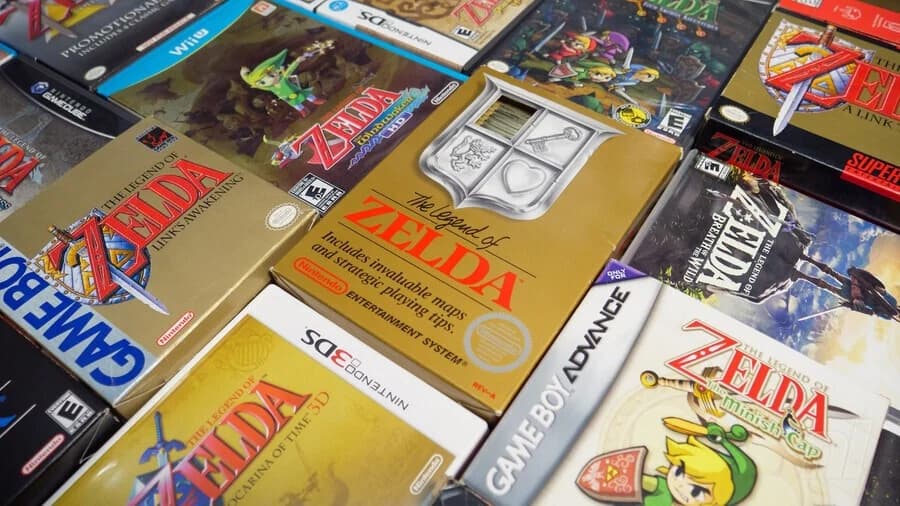
What I didn’t expect was how often other teams tried to reinterpret Zelda. VidaExtra dug up Retro Studios’ mid-2000s pitches: a DS tactical Zelda and an action-RPG centered on the Sheikah backstory. Nintendo passed on those, but ideas filtered back into later content. The existence of such proposals underlines Zelda’s cultural weight — studios want to touch Hyrule because it’s a rich design sandbox. It also shows Nintendo’s tight curation of the IP: good ideas can still be deemed “not the right Zelda.”
Why this still matters for gamers in 2026
Forty years on, Zelda’s role as a laboratory for game design is clear. JeuxVideo maps the lineage from the original save-enabled, non-linear structure through ALttP’s dual-world design up to Ocarina’s targeting tech and Breath of the Wild’s physics-led discovery. Play any modern open-world game and you can pick out fingerprints: curiosity-first design, emergent interactions, and systems that reward player experimentation.
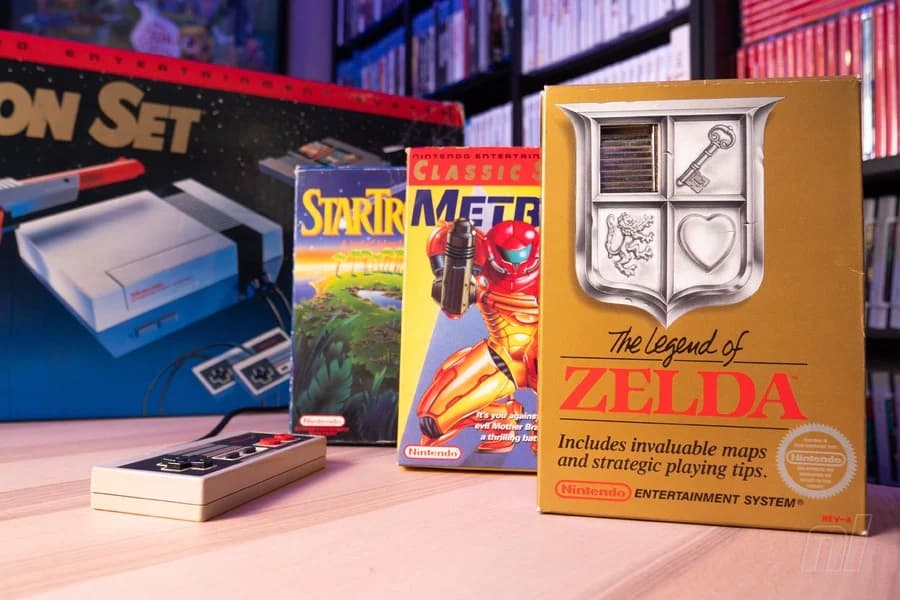
There’s also a preservation conversation: Nintendo has made the original widely available — Famicom Disk System, NES, GBA/GameCube compilations, Virtual Console, Nintendo Switch Online, even special Game & Watch hardware — which keeps the game in circulation and makes the anniversary tangible. That’s a win for players and historians. At the same time, repeated re-releases are a reminder of how commercial incentives and preservation overlap; having the game available is great, but the monetization choices deserve scrutiny.
Where we go from here
On this 40th anniversary, Zelda isn’t just a nostalgic emblem — it’s a living reference point for designers and players. The franchise will keep reinventing itself, and other studios will keep trying to borrow its magic. For players, the practical takeaway is simple: the original still rewards curiosity, and it’s easy to play thanks to decades of re-releases. We’ve opened a poll listing every platform the original has appeared on — from the Famicom Disk System through to Nintendo Switch Online — so those platform-origin stories can be counted and archived.
TL;DR
The Legend of Zelda’s 40th matters because the original changed how console games could be designed — battery saves, open exploration and evocative simplicity created a template still visible in 2026. Name origin trivia and cancelled western pitches are fun footnotes, but the core legacy is design: dare players to explore, then reward them. Nintendo has repeatedly made that first game available, and that’s both good preservation and a neat reminder that many modern open worlds trace a line back to Hyrule.
FinalBoss // Gear
Level up your setup
01Best-selling Switch 2 gameson Amazon→02Switch 2 accessorieson Amazon→038BitDo controllerson Amazon→04Discounted game keyson Kinguin→Affiliate links · As an Amazon Associate, FinalBoss earns from qualifying purchases.
Want to Level Up Your Gaming?
Get access to exclusive strategies, hidden tips, and pro-level insights that we don't share publicly.
Ultimate Gaming Strategy Guide + Weekly Pro Tips