
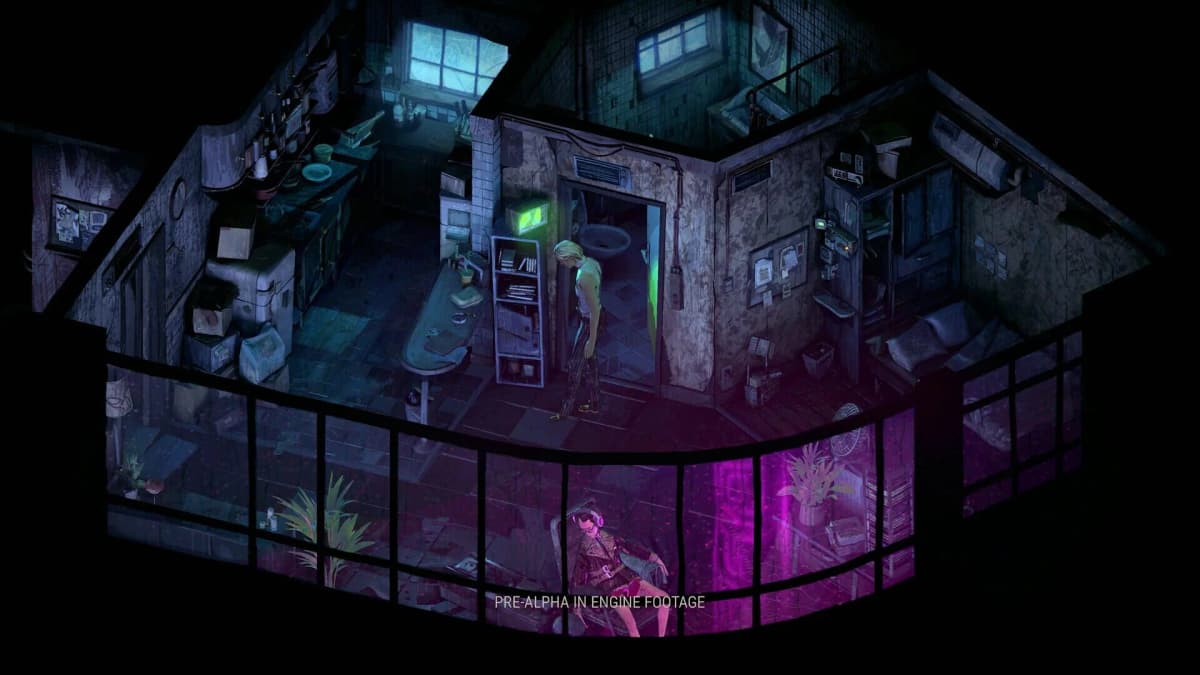
By the third review I read, the pattern was impossible to miss. First came the excitement: yes, Zero Parades: For Dead Spies really is a dense, dice-driven, talk-heavy RPG in the mold of Disco Elysium. Then came the pause, the little throat-clear from critics who seemed relieved to praise it and equally unable to ignore the shadow hanging over it. The game is getting attention for its espionage hook, its pressure-cooker skill systems, and its political worldbuilding. It is also being judged against one of the most beloved narrative RPGs ever made, while carrying the extra baggage of ZA/UM’s very public breakup and everything that followed.
I have not had a review build in hand, so I’m not going to fake a save file and pretend otherwise. What follows is a read of the launch review wave and the shape of the consensus forming around it. The short version is pretty clear already: if you wanted another combat-light, wordy, psychologically noisy RPG with inner voices chattering in your ear, Zero Parades seems to absolutely understand that assignment. If you wanted a clean escape from Disco Elysium’s skeleton, the reviews suggest it never quite gets free.
Key takeaways
- Zero Parades: For Dead Spies is being widely framed as the closest public cousin to Disco Elysium, right down to its dialogue-heavy, skill-check-driven structure.
- The spy angle appears genuine, not cosmetic: reviews point to tradecraft, paranoia, crew-building, political betrayal, and a different fantasy than detective work.
- Its most promising ideas are the new stress-and-condition systems, with outlets highlighting mechanics like Conditioning, fatigue, anxiety, delirium, Exert, Pressure, and “dramatic encounters.”
- The biggest warnings are repetition and roughness: derivative feel, drier writing, uneven narration and voice acting, clumsy UI, and some build-specific technical complaints.
- Current recommendation: narrative RPG diehards can be interested, but anyone sensitive to launch issues or expecting a fully distinct identity should consider waiting for patches.