
Table of Contents (17)
April 2026 Might Be the Weirdest “Stacked” Month in Years
Every year there’s a month that doesn’t look that wild on paper, then suddenly your backlog explodes. April 2026 is that month. It’s not March’s wall of megabudget releases, but it quietly lines up a long-delayed Capcom sci-fi epic, a Diablo IV expansion big enough to function as a soft relaunch, Starfield finally hitting PS5, and a pile of indies that could absolutely hijack your free time.
When I sat down to rank April 2026’s 15 most anticipated games, I didn’t just sort them by raw marketing spend or franchise size. I’ve been combing through release calendars, regional lists, and preview coverage, and the same names keep bubbling to the top – even if different outlets disagree on exact dates or platforms. Rather than chase a “perfect” list (which doesn’t exist), I’ve focused on two things that actually matter to most of us when we decide what to play.
- Hype power: size of the fanbase, marketing push, and how loudly people are talking about it.
- Sleeper potential: the odds this thing comes out of nowhere and ends up dominating your Discord chats for weeks.
Some games here are obvious headliners – Diablo IV Lord of Hatred is leading almost every April hype ranking and has the biggest built-in audience by far. Others, like Saros or Mouse P.I. For Hire, are the kind of titles you only find if you live inside release schedules. Where I’ve played early versions, previous entries, or close genre cousins, I’ll lean on that; where nobody’s gone hands-on yet, I’m upfront about reading the tea leaves from trailers and dev histories.
Here’s how April 2026 shakes out if you care about both the obvious blockbusters and the weird little games that might actually end up stealing your nights.
1. Diablo IV: Lord of Hatred
If you’d told me back at Diablo IV’s rocky launch that its second major expansion would be my most anticipated game of April 2026, I’d have laughed. Yet here we are: Diablo IV: Lord of Hatred (April 28 on PS5, PS4, Xbox Series X|S, Xbox One and PC) is the clear focal point of almost every release calendar this month, and for good reason. The base game already has one of the most tactile combat loops in the genre; what it’s been missing is a truly bottomless, rewarding endgame.
Blizzard’s pre-launch messaging for Lord of Hatred leans hard on exactly that. This expansion is being pitched as a big new chapter for the ARPG – fresh endgame content, a new campaign chunk centered on the Prime Evil himself, and the kind of long-tail grind that actually respects the hundreds of hours people are putting in. I’ve spent far too many evenings fine-tuning builds around a single perfect drop, only to hit a wall where Nightmare Dungeons all blend together. Lord of Hatred is positioned as the antidote to that fatigue.
In pure hype terms, nothing else in April touches it: cross-platform launch, massive existing player base, and an opportunity to win back lapsed players who bounced off the early seasonal grind. There’s even a bit of “sleeper” drama here – if Blizzard really nails the pacing and rewards, Lord of Hatred could become Diablo IV’s “No Man’s Sky moment,” the point where the conversation flips from disappointment to obsession. That combination of gigantic spotlight and genuine course-correction potential is why it lands at number one.
2. Pragmata

Pragmata is the game that’s lived rent-free in my head the longest. Capcom first teased it years ago with that strange astronaut, the holographic cat, and a little girl in a shattered city, then went mostly silent while it slipped down multiple calendars. The extended gameplay trailer that finally dropped on March 31, 2026 changed everything: suddenly this wasn’t an idea, it was a real sci-fi adventure landing April 24 on PS5, Xbox Series X|S, and PC.
What grabs me most is the tone. From the new footage, Pragmata leans into lonely, low-gravity exploration on and around the Moon – wide, desolate vistas punctuated by tight, tense combat encounters. You’re not mowing down hordes of enemies; you’re picking your shots, manipulating physics, and using that hard sci-fi suit as both lifeline and weapon. Capcom has quietly become one of the most reliable big-budget publishers when it comes to feel and polish, and the way enemies react to hits and the environment crumples under your tools in the trailer screams “they care about the micro-details here.”
In terms of hype, Pragmata sits in a fascinating spot. It doesn’t have the built-in audience of a Monster Hunter or Resident Evil, but every new look at it spikes conversation among sci-fi and action fans. At the same time, it’s new IP with some pretty daring vibes – contemplative stretches, sparse UI, and a relationship at the core that seems more ICO than typical Capcom bombast. That means it could either underperform commercially or become one of those cult classics that people won’t shut up about for a decade. That knife-edge risk is exactly why it sits this high.
3. Starfield on PS5 & Terran Armada / Free Lanes DLC
Starfield is getting something close to a do-over this month. On April 7, Bethesda’s space RPG finally arrives on PS5 with bespoke DualSense support and performance modes, alongside the Terran Armada and Free Lanes DLC across PS5, Xbox and PC. I put around 80 hours into Starfield at launch on PC – enough to fall in love with ship building and faction questlines, but also to feel how thin its procedural planets and combat could get over time.
Since then, Bethesda has been steadily patching and tweaking, and this PS5 launch is clearly being treated as a “second premiere.” The new DLC – Terran Armada and Free Lanes – is framed around deepening the fantasy of living in that universe rather than just padding the map. From the early info and naming alone, you can feel the push toward richer fleet combat, more defined spacefaring factions, and better reasons to care about trade routes and smuggling. Layer on DualSense haptics for dogfights and weapon recoil, plus PS5 Pro-flavoured performance modes, and you’ve got a version that could finally line up with what people imagined back at reveal.
In hype terms, the Starfield PS5 launch is massive: tens of millions of new players can finally join in, and existing fans get a big chunk of fresh content to chew through. But there’s also a hefty sleeper angle here. If the cumulative patches and DLC really do tighten pacing and add personality, Starfield could pull a slow-burn redemption arc similar to other maligned-at-launch RPGs. That’s why it lands just behind Pragmata – slightly less “new,” but with a potentially huge narrative shift attached.
4. Hades II (Full Release)
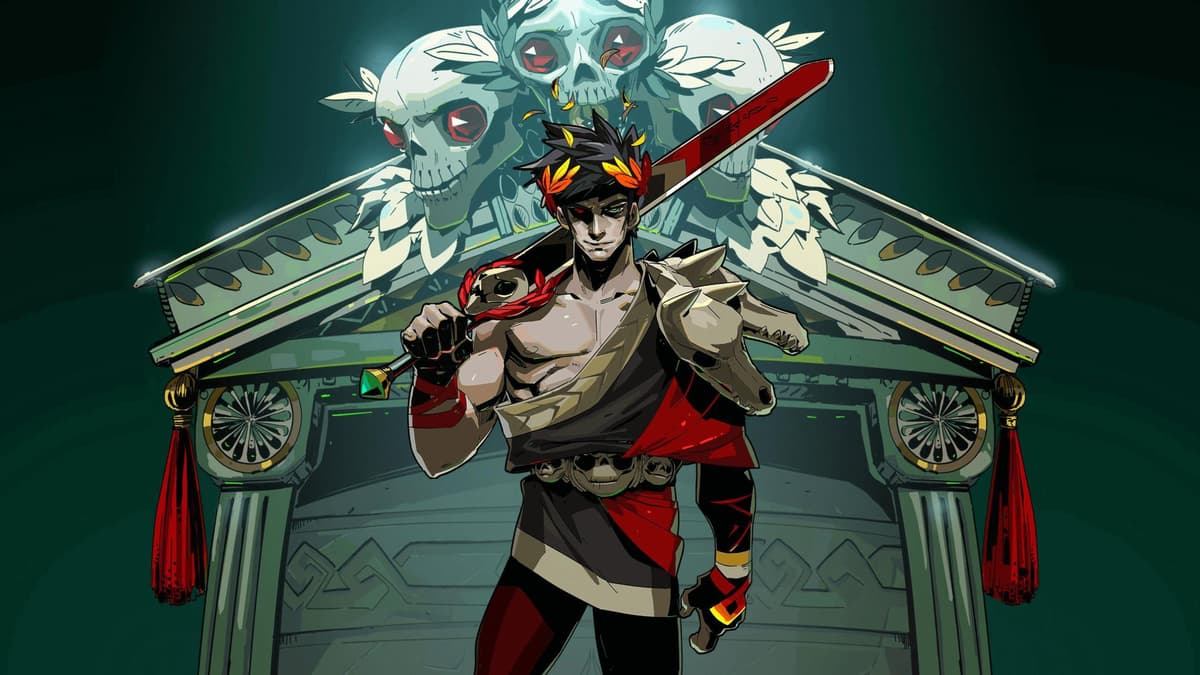
I don’t use “one more run” lightly, but the original Hades basically rewired my sleep schedule for months. So when Hades II hits full release on April 14 after its early access run, it’s not just another sequel; it’s a lifestyle threat arriving on PC and consoles at once. Supergiant proved with the first game that they can blend razor-sharp combat with absurdly reactive storytelling, and the sequel has looked like a confident extension of that formula from day one.
In early access, Hades II has already shown its hand in a few key ways: faster, more flexible movement options; expanded buildcraft with boons that interact in weirder, more explosive ways; and that same “everyone has a unique voiced line for everything” energy. Playing as Melinoë rather than Zagreus shifts the tone in a nice way, too – more witchy, more occult, more about striking back at an even more terrifying cosmic threat. If you’re the kind of player who min-maxes builds, you can already see the hours disappearing into testing out god combinations.
The hype here is huge but also very specific: people who fell hard for the first game are all-in, and critics are practically lining up superlatives in advance. The reason it doesn’t crack the top three is simple: unlike something like Saros or Neverness to Everness, there’s very little “unknown” about its quality curve. Barring a catastrophe, this is going to land. The question isn’t whether it’s worth playing – it’s how high it climbs on the all-time roguelike ladder once the full story and endgame are in our hands.
5. Saros
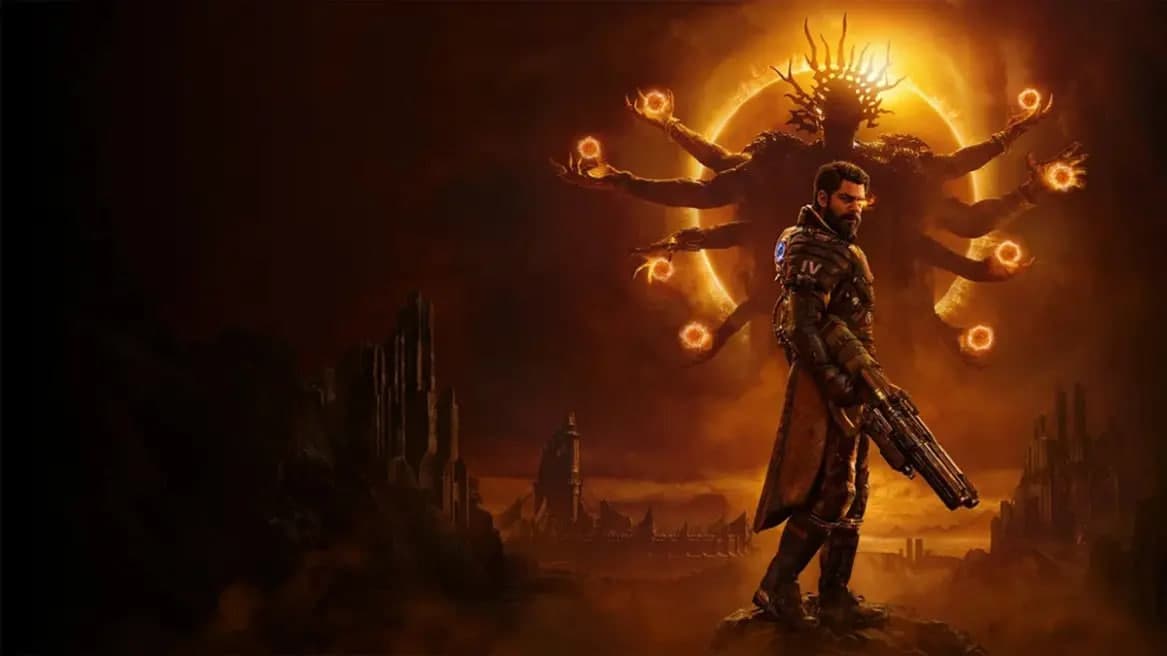
Every stacked month needs at least one game you can point to later and say, “Yeah, that was the sleeper hit.” For April, my money is on Saros. It’s a PS5-exclusive action roguelite built in Unreal Engine 5, launching April 30, and it’s been quietly building buzz in the corners of the internet where people obsess over lighting models and animation timing. The first time I saw it in a montage, I assumed it was some big-budget soulslike – the presentation really is that sharp.
From the gameplay footage that’s out there, Saros lives in that sweet spot between deliberate melee combat and the quick, iterative rhythm of a roguelite. Think shadow-drenched corridors, hard-hitting strikes that send particles flying, and runs where you’re constantly weighing whether to dive deeper or cash out. The UE5 pedigree isn’t just a buzzword; the game leans into heavy contrast, volumetric fog, and environmental destruction in a way that makes every encounter feel theatrical, even when you’re dying for the fifth time in ten minutes.
Hype-wise, Saros doesn’t have a huge marketing machine behind it, and most mainstream “upcoming games” lists tuck it in the middle. But its sleeper potential is enormous. A PS5-only launch gives it a clear technical ceiling to target, and the roguelite community is always hungry for the next obsession once they’ve burned through a Hades or a Dead Cells. If Saros lands its feel and progression, it could be the game people are still talking about in December when they look back at 2026’s indies.
6. Neverness to Everness
As someone who’s sunk way too much time into games like Genshin Impact and Honkai: Star Rail, I’m always scanning for the next big action-heavy gacha RPG. Neverness to Everness is the one that keeps popping up in that niche. It debuts in China on April 23 before rolling out worldwide around April 29, and the pitch is immediately clear: supernatural urban fantasy, open areas to explore, and real-time hack-and-slash combat instead of auto-attacks and number soup.
What stands out from the pre-release footage is how physical it looks. Characters don’t just swipe through enemies; they juggle them, dash-cancel out of danger, and unleash screen-filling ultimates with a speed that’s much closer to character action games than traditional mobile RPGs. The environments lean into eerie liminal spaces – empty city streets, warped interiors, pockets of otherworldly geometry bleeding into the mundane. It feels designed to appeal to people who want their gacha pulls to plug directly into a satisfying combat system rather than sitting in menus.
Hype is already significant in gacha circles and in regions that are getting it first, but outside those communities it’s still very much a “wait, what is this?” kind of title. That’s where the sleeper angle kicks in. If the global launch lands with decent optimization and a fair-ish monetisation model, Neverness to Everness could quietly become the next big obsession on PC and mobile, especially for players hungry for something darker and stranger than the usual bright fantasy worlds.
7. Replaced
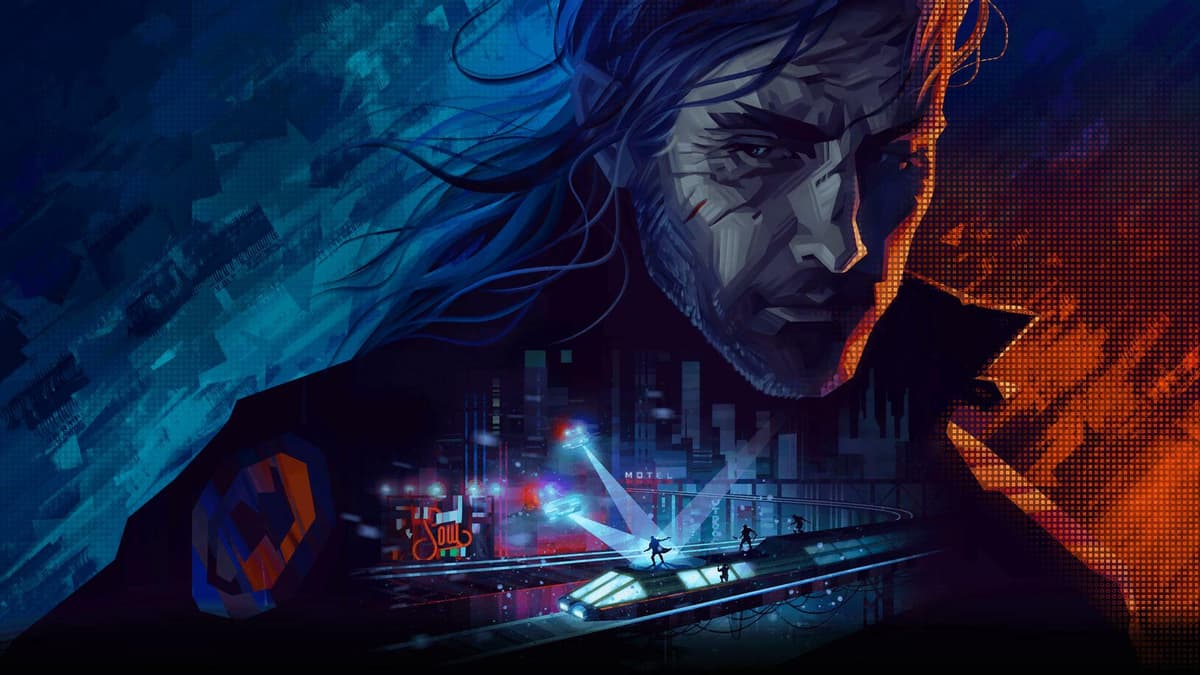
I’ve lost count of how many times I’ve rewatched the early trailers for Replaced. That frozen-in-rain rooftop, the crunchy punches, the way the camera swings with each dodge – it all looked impossibly slick back when it was first revealed. After a couple of delays, this cyberpunk 2.5D action platformer is finally slated for April 14 on PC, with console versions also lined up, and it hasn’t really lost any of that initial swagger.
Replaced drops you into an alternate 1980s America drenched in neon and moral decay, with combat that blends hand-to-hand strikes, gunplay, and environmental interaction in a single fluid flow. The pixel art is absurdly detailed – every sliding kick, every reload animation, every shattering window feels like it was tuned frame by frame. As someone who grew up on Flashback, Another World, and later Katana ZERO, that kind of deliberate, weighty movement hits me right in the nostalgia while still feeling modern.
Among April’s releases, Replaced is a classic “mid-tier hype” game: indie in budget, but showcased often enough on big platforms that a lot of players have at least seen it. What keeps it high on this list is how often people still bring it up unprompted when talking about upcoming indies. If the level design and story land anywhere near as well as the visuals and combat, this could be one of those games that becomes shorthand for an entire aesthetic – the way Inside or Hotline Miami did in their time.
8. Pokémon Champions
Whenever a new Pokémon project appears, you can practically feel the internet lean in. Pokémon Champions is different from a mainline entry, though: it’s a free-to-play spin-off hitting Switch this April, positioned as a more competitive, live-service style experience. Exact details are still being drip-fed, but everything about how it’s been framed suggests a focus on building and testing teams in a more bite-sized, online-friendly way than traditional RPG adventures.
From my perspective as someone who bounced between Pokémon Unite matches and ranked battles in Sword and Shield, that’s both exciting and a little nerve-wracking. On the one hand, Champions has the potential to become the go-to place to scratch that “just one more battle” itch, with regular events, rotating metas, and a lower barrier to entry than buying a full-price cartridge. On the other, free-to-play Pokémon games have a mixed track record when it comes to monetisation and long-term support, sometimes feeling more like experiments than pillars.
Hype is guaranteed purely because of the brand – millions of people will at least try it. But the design risks and live-service structure give it genuine sleeper stakes: this could end up a forgettable curiosity, or it could quietly reshape how a whole generation interacts with competitive Pokémon on Switch. That uncertainty, combined with the sheer gravitational pull of the franchise, earns it a solid mid-table spot on this list.
9. The Occultist
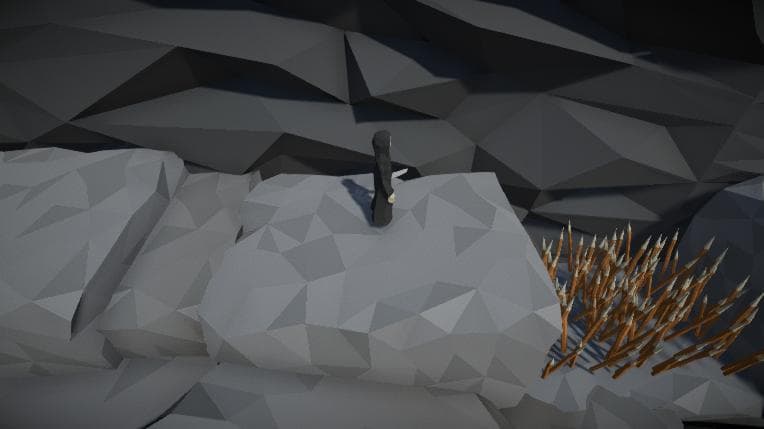
I have a soft spot for horror games that aren’t just “gun plus corridor.” The Occultist, launching April 8 on PS5, Xbox and PC, looks like one of those games that understands fear is as much about what you can’t see or do as what you can. Built in Unreal Engine 5, it’s pitched as a paranormal investigation game with hide-and-seek style mechanics rather than straightforward combat, putting you in the shoes of someone poking at forces they probably shouldn’t.
Pre-release footage leans heavily on atmosphere: dusty, cluttered interiors, flickering lights, and entities that don’t behave like traditional monsters. You’re scanning environments for clues, piecing together what went wrong, and then trying very hard not to be in the same room as the things you’ve just stirred up. It looks like it borrows a little from immersive sims – giving you multiple ways to approach a problem – and a little from games like Amnesia or Outlast in the way it forces you to engage with vulnerability.
In terms of pure hype, The Occultist is never going to compete with a Diablo expansion or a Pokémon spin-off. But in every monthly roundup I’ve seen, it’s the horror title that gets singled out as “one to watch,” and that matters. Horror has an outsized sleeper factor because a single clever mechanic or iconic scare sequence can turn a modest release into a streaming phenomenon. If The Occultist delivers a few of those watercooler moments, it could be April’s breakout in the horror space.
10. Darwin’s Paradox!
Opening the month on April 2 across PS5, Switch 2, Xbox and PC, Darwin’s Paradox! is exactly the kind of game that would have flown under my radar a few years ago. These days, anything billing itself as a “narrative-driven puzzle” adventure gets my immediate attention. The title alone hints at evolutionary weirdness, and early descriptions have emphasized a story that weaves scientific experimentation, cause-and-effect puzzles, and moral choices into one increasingly twisted mystery.
From what we’ve seen so far, this isn’t a sterile lab sim; it’s more in conversation with games like The Talos Principle or Outer Wilds, where the puzzles are as much about understanding a system or a timeline as they are about rearranging blocks. Expect to be flipping switches that have consequences hours later, nudging ecosystems in strange directions, and piecing together a narrative that changes depending on how reckless or cautious you are. It’s the kind of design that makes you reach for a notebook as often as the controller.
Hype is modest – most mainstream lists mention Darwin’s Paradox! as a curiosity rather than a headline – but the sleeper potential is strong. Puzzle-narratives have long tails; once a dedicated fanbase forms, they’ll spend months digging out alternate endings and hidden solutions. If you like games that reward patience and attention over reflexes, this might be one of the most important April releases for you personally, even if it never trends on social media.
11. He-Man: Dragon Pearl of Destruction
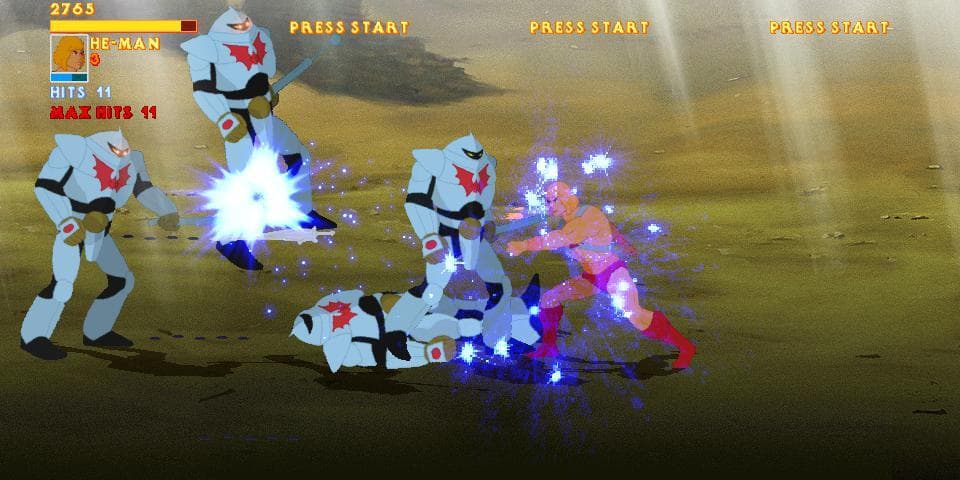
The wave of excellent licensed beat ’em ups over the last few years – from Teenage Mutant Ninja Turtles: Shredder’s Revenge to the return of Scott Pilgrim – has completely reset my expectations for cartoon tie-ins. He-Man: Dragon Pearl of Destruction, out April 28 on multiple platforms, is riding that same retro brawler energy, and as someone who grew up on Castle Grayskull lunchboxes, I’m absolutely here for it.
Details are still fairly light, but everything about the way it’s been pitched suggests a classic side-scrolling beat ’em up structure: pick your favourite Masters of the Universe hero, punch your way through swarms of colourful villains, and string together co-op combos with friends on the couch or online. The key for these games is always feel – weighty hits, fast recovery, and enough enemy variety that fights never devolve into pure button-mashing. The footage we’ve seen shows bright, chunky art and attacks that land with a satisfying knockback, which is exactly what you want from this kind of comfort food.
Hype sits in an odd place. Outside of dedicated retro and cartoon circles, Dragon Pearl of Destruction isn’t commanding huge attention, especially dropping the same day as Diablo IV’s expansion. But sleeper-wise, it has two huge advantages: nostalgia and replayable co-op. If it comes anywhere close to the quality bar set by recent brawler revivals, it could become the go-to “quick, what should we play together?” answer every time friends are over.
12. Invincible VS
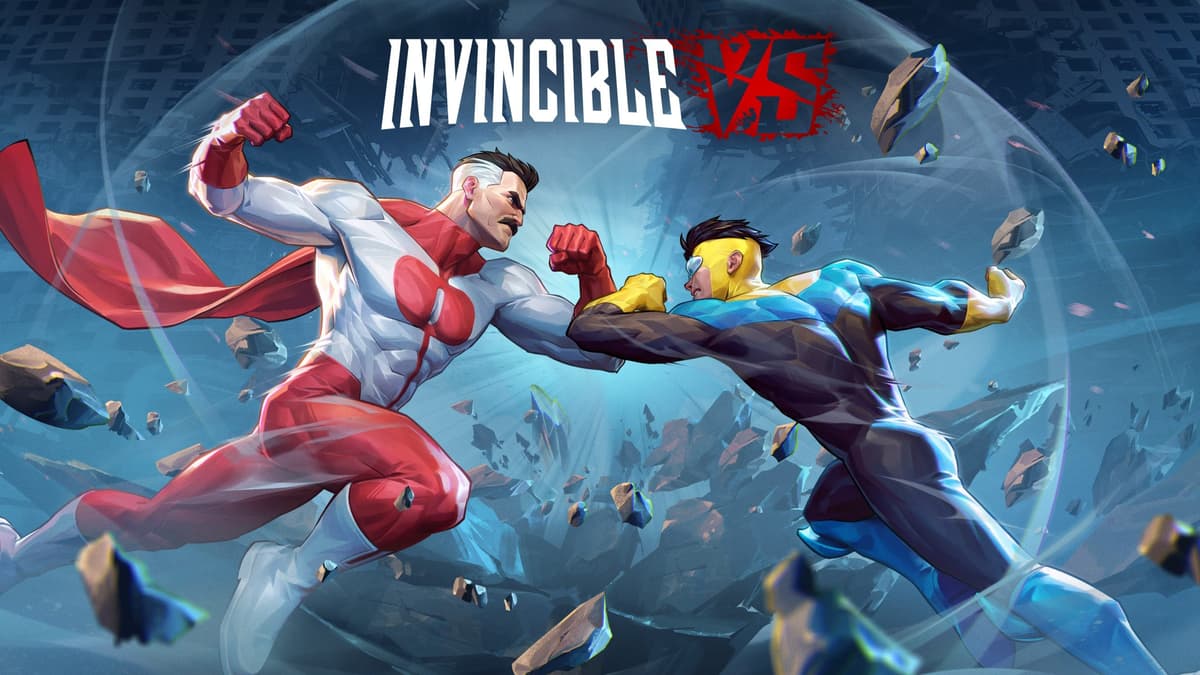
Superhero fighting games live or die on two things: how good it feels to throw a punch, and how well they capture the specific flavour of their source material. Invincible VS is stepping into a crowded arena this April, but it has a built-in edge: the Invincible universe is messy in a way most capes-and-tights settings aren’t. If you’ve watched the show or read the comics, you know exactly how brutal and emotionally charged those fights can get.
Pre-release clips have focused on giving each character a distinct, readable silhouette and moveset. Mark, Omni-Man, Atom Eve – they don’t just share animations with different skins, they move the way you expect them to from the series. There’s a heavy emphasis on big, momentum-swinging supers and environmental destruction, which suits the tone; clashes in Invincible always feel like they’re one misstep away from levelling a city block, and the game looks like it’s trying to sell that scale moment to moment.
Hype-wise, Invincible VS sits below the household-name fighters of the world, but it has strong crossover potential. Fans of the show will at least check it out, and if the mechanics click with the existing anime-fighter and arena-fighter communities, it could carve out a loyal competitive scene. That’s where the sleeper angle lies: even a mid-budget licensed fighter can stick around for years if the netcode holds up and the devs commit to post-launch balance and support.
13. Mouse P.I. For Hire
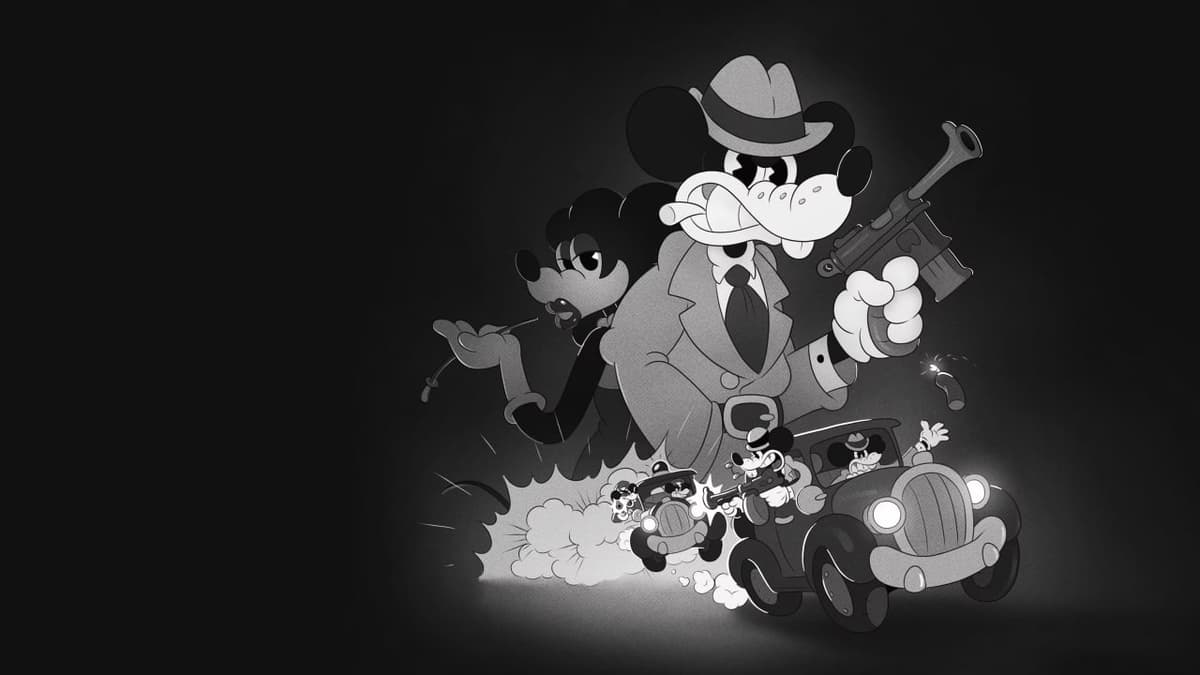
Among all the cosmic horror and galaxy-spanning RPGs, Mouse P.I. For Hire might be my favourite tonal whiplash this month. It’s a small indie launching in April that does exactly what the title promises: drops you into a noir-flavoured detective story where the hardboiled gumshoe happens to be a mouse. I’m a sucker for offbeat animal protagonists when they’re used for more than just “look, it’s cute,” and Mouse P.I. looks like it’s going full-on Raymond Chandler by way of Saturday morning cartoon.
The snippets of footage circulating so far lean into classic adventure-game structure: poking around alleyways and cramped offices, grilling shady characters in smoky bars, collecting odd little details that only make sense three conversations later. The art direction appears to straddle a line between cosy and grimy – lots of rain-slicked streets, silhouetted skylines, and warm interior lighting that makes you almost smell the coffee on the desk. It’s less about high-stakes set-pieces and more about living in a mood for a few hours.
Objectively, Mouse P.I. For Hire has low hype; it rarely cracks the main lists unless they dig deep into indies. But its sleeper potential is high simply because there’s so little like it in April. Narrative adventure fans and people who loved games like Backbone or Night in the Woods are always looking for their next fix, and a well-written, sharply observed detective story – even a short one – can stick in your memory longer than far bigger games.
14. Outbound
Survival games are one of those genres where you blink and there are five new ones in early access. For April, the one I keep circling back to is Outbound, due around April 23 on multiple platforms. It doesn’t have a single wild hook like “you’re a tiny person in a backyard” or “it’s underwater Vikings,” but sometimes the appeal is exactly that: a grounded, systems-heavy survival sim you can sink into with a couple of friends.
From trailers and previews, Outbound looks focused on the fundamentals: harsh environments, limited resources, and a loop built on scavenging, crafting, and slowly pushing your safe radius outward. Weather systems and day-night cycles seem to play a big role, forcing you to plan trips rather than just sprinting out indefinitely. The building looks more practical than flashy – functional shelters, defensive structures, workstations – which usually signals a game more interested in how you live in a world than how pretty your base screenshots are.
Hype is modest; survival fans are spoiled for choice, and Outbound is arriving without a massive marketing push or big-name license. But that also gives it room to surprise. If the core loop feels good and the progression is tuned to avoid the usual mid-game slog, it could quietly become a favourite among streamers and co-op groups who want something new to occupy their regular sessions. It’s not the kind of game that will dominate April headlines, but it might quietly dominate your weekends.
15. Vampire Crawlers
Closing out the list is a game that feels almost engineered to eat spare hours: Vampire Crawlers. Slotted into April’s line-up as a smaller expansion/sequel-style release, it’s part of that post–Vampire Survivors wave of top-down action games built entirely around the joy of mowing through absurd hordes of enemies with increasingly broken builds. If you’ve ever looked up at the clock and realised you’ve been doing “just one more run” for two hours, you know exactly the sort of danger zone this sits in.
Details vary across different previews, but the throughline is clear: short, intense runs; a constantly escalating tide of monsters on all sides; and a meta-layer of unlocks and upgrades that slowly twists each new attempt into something stranger and more powerful. Names like “Crawlers” usually imply a focus on movement and positioning – sneaking through gaps, kiting enemies into killzones, and using the environment just as much as your arsenal to stay alive for another thirty seconds.
Hype in the mainstream scene is basically non-existent, which is why it sits at the bottom of this list. But in terms of sleeper potential measured by “time played versus marketing budget,” Vampire Crawlers could end up near the top. These kinds of games thrive on low friction and high satisfaction, and they’re perfect to slot between bigger April releases like Diablo IV: Lord of Hatred or Hades II. Don’t be surprised if this is the title you boot up “for five minutes” while waiting for a download, only to look up and realise it’s suddenly 2 a.m.
So Where Should You Spend Your April?
Looking across April 2026, the pattern’s pretty clear. If you’re chasing the safest bets, you start with Diablo IV: Lord of Hatred, Starfield’s PS5 launch plus its Terran Armada / Free Lanes DLC, and the full release of Hades II. Those are the games most likely to dominate review headlines and Discord servers, with huge communities ready to dissect every balance tweak and story beat.
If you care more about being ahead of the curve, though, the smart money is on Pragmata, Saros, and Neverness to Everness. Capcom’s long-delayed lunar odyssey has the makings of a modern cult classic; Saros looks poised to be April’s breakout roguelite; and Neverness could easily become the next big timesink for gacha-action fans. On the smaller end, I’d keep a very close eye on Replaced and Mouse P.I. For Hire – they might not have the loudest marketing, but they’re the kind of games people evangelise about for years when they hit.
My verdict, if you don’t have time for everything: treat Diablo IV’s expansion as the month’s anchor, then pick one big unknown and one wildcard. For most players, that probably means pairing Lord of Hatred with either Pragmata or Starfield PS5 on the “known giant” side, and Saros or Mouse P.I. For Hire as the wildcard. That way you’re covering the safe blockbusters and giving yourself a shot at discovering the game everyone else only stumbles onto months later.
FinalBoss // Gear
Level up your setup
01Best-selling PS5 gameson Amazon→02DualSense controllerson Amazon→03PS5 SSD upgrades (M.2 NVMe)on Amazon→04Discounted game keyson Kinguin→Affiliate links · As an Amazon Associate, FinalBoss earns from qualifying purchases.
Want to Level Up Your Gaming?
Get access to exclusive strategies, hidden tips, and pro-level insights that we don't share publicly.
Ultimate Top Strategy Guide + Weekly Pro Tips