
Table of Contents (9)
2017 Was A Mess For Me, But Games Saved The Year
Personally, 2015 to early 2019 was a bit of a write-off. Aimless jobs, dumb decisions, that low-level background anxiety you only realise was grinding you down once you’re out of it. But buried in that sludge, 2017 stands out in crystal clarity-and it’s almost entirely because of games.
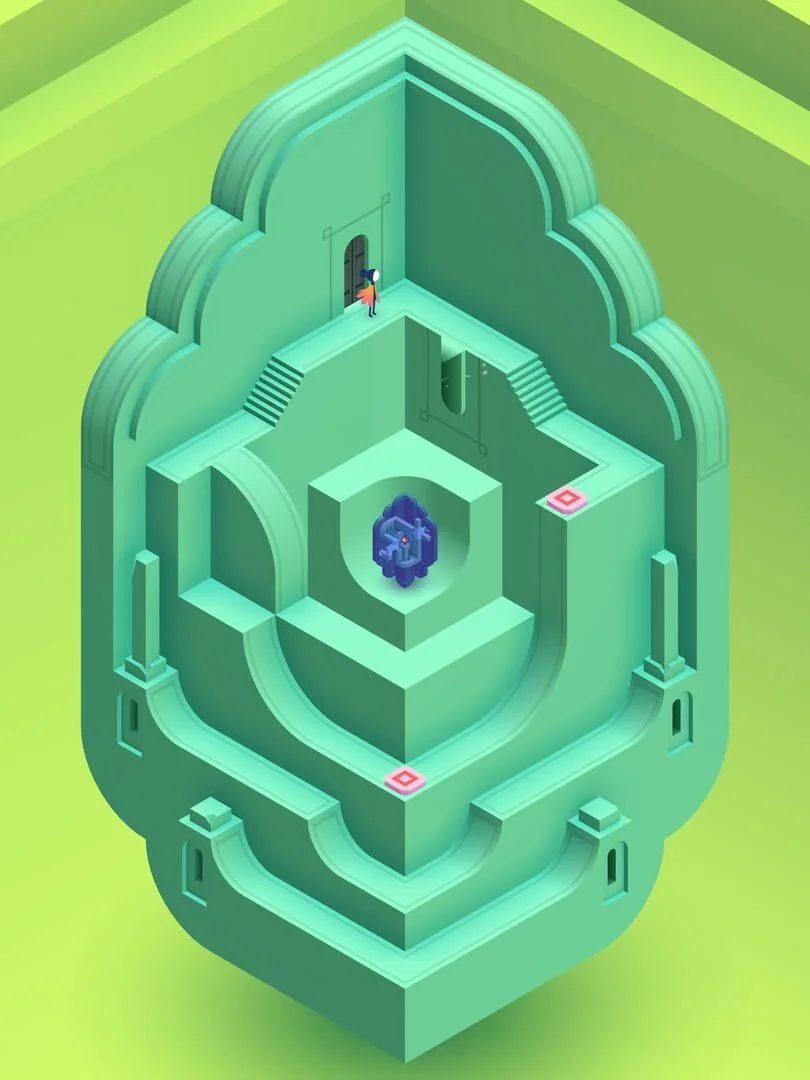
I remember one stupidly specific evening: cheap takeaway on the coffee table, my launch Switch docked, me wandering through Hyrule in Breath of the Wild after work. Later that night, I was lying in bed, headphones on, guiding a mother and child through impossible architectures in Monument Valley 2 on my phone. The same day, friends were spamming the group chat about “this janky PC shooter called PUBG” that apparently everyone was dying in before they even found a gun.
Looking back from 2026, I’m convinced 2017 was a high-water mark for how varied gaming could feel. It wasn’t “indies vs AAA”, “mobile vs console”, or “single-player vs live service”. It was everything, all at once, and somehow it didn’t feel like a cynical content treadmill yet. It felt like possibility.
And yeah, nostalgia can lie. But 2017 isn’t just “the year I happened to be playing a lot of games”. It’s the year battle royale exploded, single-player went on an absurd hot streak, mobile puzzle design hit something close to perfection, and gacha took a huge mainstream step with Fire Emblem Heroes. It’s also the year that quietly set up a bunch of the problems we’re drowning in now.
The Last Time Battle Royale Felt Like Chaos, Not Homework
On PC, 2017 was the year I realised “oh, games can just become a cultural event overnight now”. PlayerUnknown’s Battlegrounds hit like a truck. It was ugly, half-broken, and the lobby felt like a tech demo someone left in early access by mistake. But dropping out of that plane for the first time? Genuinely electric.
What made PUBG special wasn’t just the “100 players, one winner” hook, it was the sheer fragility of it. You could die in thirty seconds from a guy with a frying pan and a dream. Matches were tense, messy stories, not sterile exercises in “optimising your weekly challenges for maximum XP gain.” It felt like a survival movie where you weren’t supposed to survive.
Then came Fortnite’s pivot to battle royale. I remember laughing when I first heard about it. “The building game? Sure, okay.” Then suddenly, everyone’s kid brother was cranking 90s and flossing on Twitch. For a while, it was genuinely exciting watching the arms race between these two completely different interpretations of the same idea-gritty and grounded vs colourful and chaotic.
Compare that to now, where half the industry is still trying to duct-tape battle passes onto whatever they’ve got lying around. In 2017, battle royale was a wild experiment. In 2026, it’s a PowerPoint slide. Back then, when I jumped into PUBG or Fortnite, I felt like I was part of something new. Now, dropping into yet another battle royale just feels like going to work without getting paid.
2017 was the moment before that magic curdled. The genre wasn’t yet crushed under crossovers and collabs and obligation. It was still allowed to be stupid and surprising-and that matters.
Single-Player Took A Victory Lap While Everyone Yelled “Multiplayer Or Bust”
At the same time, you had people confidently predicting the death of single-player games. “Everything’s going service-based. Nobody wants one-and-done campaigns anymore.” Meanwhile, 2017 casually dropped a murderer’s row of single-player experiences that still get referenced in design talks and Twitter arguments today.
Off the top of my head, a single year gave us:
- The Legend of Zelda: Breath of the Wild
- Super Mario Odyssey
- Persona 5 (for the West)
- Resident Evil 7
- Nier: Automata
- Cuphead
- Pyre
That’s ridiculous. That’s not a “good year”, that’s a decade’s worth of reference points compressed into twelve months.
Breath of the Wild basically rewired my brain. I’d grown up obsessed with games that trusted me to wander—Shenmue being the big one—so getting dropped into a Hyrule that didn’t nag, didn’t waypoint me to death, and happily let me fall off cliffs because I was curious, felt like Nintendo quietly apologising for every over-tutorialised game of the previous decade.
Nier: Automata, meanwhile, messed with me in a completely different way. I don’t usually buy statues, but I dropped a frankly embarrassing amount of money importing a 2B figure from Japan. It’s been gathering dust in a corner for years now—and I still don’t regret it. That game earned shrine status in my flat. It made “New Game+” mean something again, and it cared about themes and structure in a way most big-budget games just… don’t.
The point isn’t just “wow these games are good”. It’s that in 2017, while battle royale was exploding, publishers still let weird, thoughtful single-player projects ship and succeed. The industry didn’t force everything into one mould. You could spend your evening chasing a chicken dinner, then sink into a 60-hour JRPG fever dream, then bash your face against a brutal cartoon boss in Cuphead. One year, radically different flavours.
Monument Valley 2 And The Year Mobile Puzzlers Grew Up
But the secret sauce of 2017, the thing that really spoils me when I look at mobile gaming now, was how good the puzzle scene was. It was a delightfully puzzling year in the best possible way.
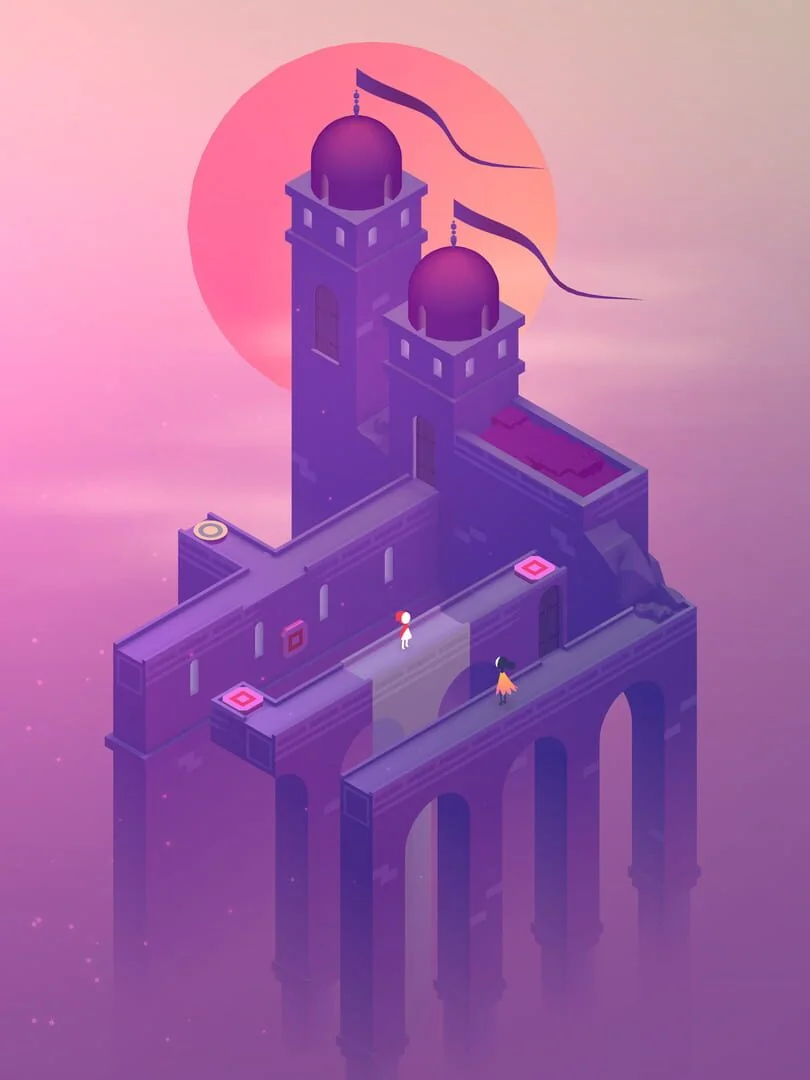
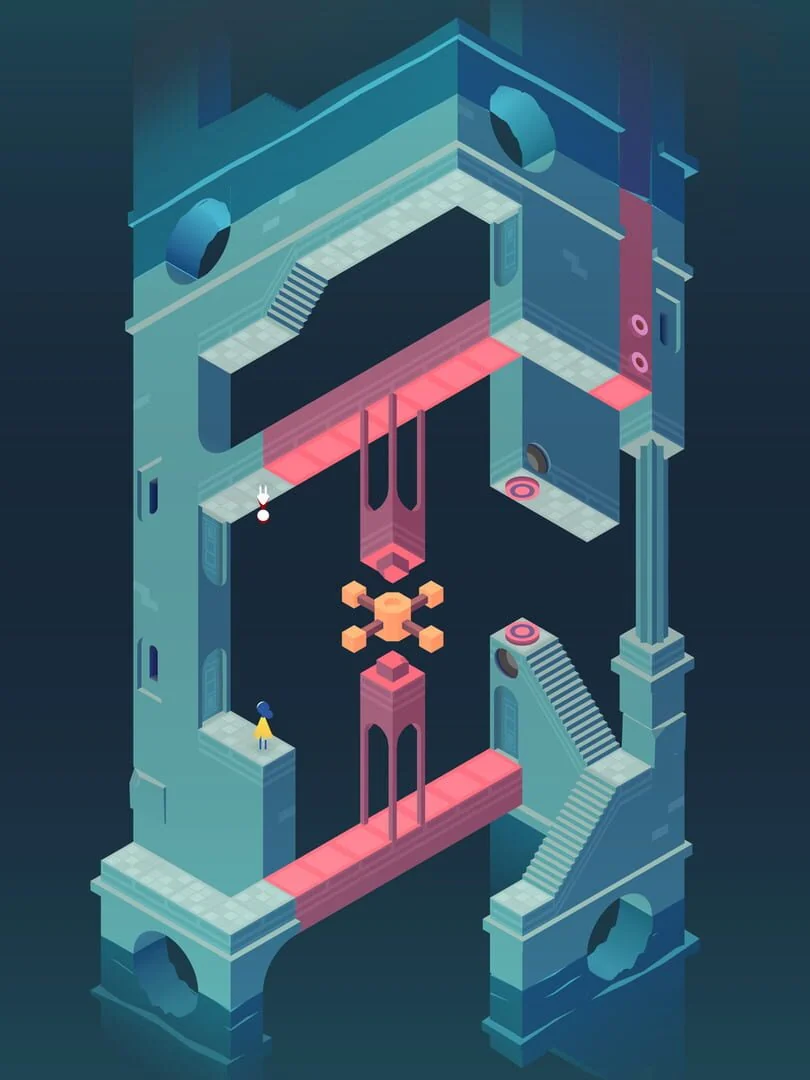
Monument Valley had already put mobile on the map for “actual art, not just time-wasters”. The sequel, though? Monument Valley 2 is one of those rare follow-ups that doesn’t just imitate; it refines and deepens.
I played it on an old Android phone with a cracked screen, and it still felt more magical than half the big-budget stuff I’d boot up on my TV. The way it turned impossible Escher-style geometry into emotional storytelling—this quiet little narrative about a mother and her child, told mostly through movement and space—hit way harder than it had any right to.
What stuck with me wasn’t just the cleverness of the puzzles, but the respect. No gacha pulls. No energy timers. No “come back in three hours to see the next chapter unless you pay up”. You bought the game, and you got a complete, polished, thoughtful experience that trusted you to sit with it. In the current mobile landscape, that feels almost rebellious.
And it wasn’t alone. 2017 stacked the deck with premium or premium-feeling puzzlers that treated mobile like a legitimate platform, not a lootbox kiosk:
- Gorogoa, where you literally rearrange illustrated panels to shift perspective and create solutions that feel like magic tricks.
- Cosmic Express, a deceptively cute space railway puzzler that starts simple and spirals into glorious, brain-breaking complexity.
- Card Thief, a stealth game turned into a tense Solitaire-style card crawl, wrapped in moody art and smart systems.
- Inside finally hitting mobile, proving you could squeeze an oppressive, atmospheric masterpiece onto a phone without losing its soul.
I remember riding the bus home from work, swapping between Cosmic Express levels and a run in Card Thief, actually looking forward to the commute because my phone was serving up more interesting ideas than half the PS4 catalogue.
Tell me, honestly, how often that’s true now. Mobile in 2026 is drowning in fake ads, idle trash, and slot-machine RPGs perfectly tuned to manipulate you. There are still brilliant games, of course, but in 2017 it felt like the premium puzzle space was leading the platform, not desperately trying to hang onto the edges while gacha devours everything.
Tell me, honestly, how often that’s true now. Mobile in 2026 is drowning in fake ads, idle trash, and slot-machine RPGs perfectly tuned to manipulate you. There are still brilliant games, of course, but in 2017 it felt like the premium puzzle space was leading the platform, not desperately trying to hang onto the edges while gacha devours everything.
🎮 Get This Game at the Best Price
Compare prices instantly and save up to 80% on Steam keys with Kinguin — trusted by 15+ million gamers worldwide.
*Affiliate link — supports our independent coverage at no extra cost to you
Fire Emblem Heroes: The Moment Gacha Went Mainstream (And The Hangover)
Speaking of gacha: 2017 is also when that genie really bolted out of the bottle in the West. And its name was Fire Emblem Heroes.
I’ve been into Fire Emblem since the GameCube days, so a mobile adaptation was equal parts dream and nightmare. On launch, Heroes honestly exceeded my expectations. It captured the series’ core tactics in snackable doses, let me assemble stupid crossover teams, and felt like Nintendo finally taking mobile seriously instead of just dumping companion apps on us.
The gacha stuff was there from the start, obviously. Rolling for heroes, praying you’d pull your favourites, the creeping dread of “maybe just one more ten-pull”. But in that launch window, before the meta calcified and banner fatigue fully set in, there was genuine excitement. It didn’t have that “Seriously, another one?” stink that every new anime-style gacha gets slapped with now. It felt like a fresh, slightly experimental spin on a beloved tactics franchise.
And people showed up. It hit around 10 million downloads shortly after launch, and my social timelines were full of people who’d never touched a strategy RPG debating IVs and skill inheritance like they’d been in the trenches since Path of Radiance. It was a turning point: gacha wasn’t just that weird thing happening in Japan anymore; it was parked on your home screen with Nintendo’s logo stamped on it.
But here’s the flip side: you can draw a pretty clean line from that high to the current low-level exhaustion around mobile gacha. Fire Emblem Heroes proved the model worked for big, beloved franchises. Everyone else took notes. Fast-forward to 2026 and it feels like every second announcement is another “anime tactics/gacha/live service hybrid” trying to recapture that lightning in a bottle, minus the soul.
For me, Heroes is also when I realised how easy it is to slip from “I’m just supporting a game I love” into “why did I just drop real money to roll for a different colour of the same character?” That’s when I started drawing my own lines with monetisation. 2017 gave me both the high of “wow, they nailed this on mobile” and the sinking feeling of “oh, this is where this road leads if no one taps the brakes.”
2017’s Cross-Platform Magic: Switch, Ports And The Death Of The Snob Line
Another reason 2017 sticks in my head: it’s the year the walls between “real gaming” and “mobile gaming” started to properly crumble, whether the snobs liked it or not.
The Nintendo Switch launched in March with Breath of the Wild, and suddenly the idea of taking a gigantic, open-world, genre-defining game on the train didn’t sound like a fantasy. At the same time, you had games like Inside being ported to phones with almost nothing lost in the transition. I remember booting it up on mobile and thinking, “If you showed this to someone in 2007, they’d assume you were running it on a console.”
On PC and console, indies were flexing hard. Cuphead looked like a 1930s cartoon and played like a boss rush from hell. Pyre mashed up fantasy sports, visual novel storytelling, and moral choices in a way that shouldn’t have worked but absolutely did. Then you had those same platforms bleeding into handheld and mobile in different ways—Switch ports, mobile versions, cross-buy experiments.
What ties it all together is that in 2017, your device didn’t fully dictate the kind of experience you were allowed to have. You could have smart, soulful puzzlers on mobile. Huge, thoughtful single-player epics on a hybrid handheld. Multiplayer chaos on PC that would later bleed into console and beyond. The lines were blurry in the best way.
Compare that with now, where so many games are designed around the worst assumptions of their platform: mobile = “we assume you want to watch ads and spin loot wheels”, console/PC = “we assume you’ll log in every day or get left behind”. 2017 wasn’t perfect, but it felt like a year where everyone, across platforms, was still primarily chasing ideas, not just “engagement”.
Why 2017 Still Haunts My Backlog Today
So why does any of this matter now, beyond “old man yells at cloud and replays Nier again”? Because 2017 quietly set my standards—and I refuse to lower them just because the industry’s current business model wants me to.
When I boot up a new game in 2026 and it immediately assaults me with currencies, battle passes, login streaks, and FOMO events, I can’t help but mentally flick back to that year. To Monument Valley 2 just letting me exist in its world for a few hours without asking for anything else. To Breath of the Wild trusting me not to need a checklist. To Fire Emblem Heroes before it became a content firehose, when pulling a favourite unit felt special rather than routine.
2017 proved we can have breadth and depth across platforms: battle royale experiments and wildly inventive indies; mobile puzzlers that respect your time and console epics that respect your intelligence. It’s the year that ruined me for the idea that “this is just how games are now” whenever a publisher hand-waves away some predatory system or live-service grind.
I’m not interested in going backwards or pretending everything was perfect. 2017 also sowed the seeds for a lot of the bullshit we’re drowning in: the gacha gold rush, the obsession with infinite updates, the idea that every hit has to be a forever game. You can draw a line from PUBG’s success to half a dozen shameless battle royale corpses. You can draw another from Fire Emblem Heroes to the endless parade of “waifu collectors” clogging up app stores.
But that’s exactly why it’s such a crucial year to remember. It shows both what happens when creativity is firing on all cylinders and what happens when the suits realise how to monetise that spark at scale.
My Line In The Sand After 2017
Here’s where I’ve landed, nearly a decade on: 2017 is my benchmark. If a game wants my time and money now, it has to offer at least a fraction of the honesty, variety, or craft that year delivered almost by accident.
I’m fine with live service—if it earns it like Fortnite did back when it was genuinely shaking things up, not just because a publisher is terrified of anything that ends. I’m fine with gacha—if it respects the player even half as much as those early months of Fire Emblem Heroes did, before the arms race went nuclear. I’m absolutely still in love with mobile—but only when it gives me another Monument Valley 2, Gorogoa or Card Thief, not another thinly-veiled casino.
And if that means I play fewer games but better ones? Good. 2017 taught me that one incredible puzzle on my phone, one weird indie on my PC, and one unforgettable single-player epic on my console can carry an entire year of memories. Everything else is noise.
So no, I don’t buy the line that “this is just where the market went” as an excuse for every cynical design choice. I’ve seen a year where the market, the tech, and the creativity lined up in a way that felt genuinely player-first across mobile, PC, and console. We’ve already done better. In 2017, we actually proved it.
And until the industry matches that mix of chaos and craft again, I’ll keep looking back at that cracked-screen playthrough of Monument Valley 2 and those late nights chasing wins in PUBG, quietly thinking: we didn’t realise how good we had it.
FinalBoss // Gear
Level up your setup
01Top-rated gaming headsetson Amazon→02High-refresh gaming monitorson Amazon→03Gaming chairson Amazon→04Discounted game keyson Kinguin→Affiliate links · As an Amazon Associate, FinalBoss earns from qualifying purchases.
Want to Level Up Your Gaming?
Get access to exclusive strategies, hidden tips, and pro-level insights that we don't share publicly.
Ultimate Gaming Strategy Guide + Weekly Pro Tips