
Most bad Narja builds start with one wrong label: “the healer.” Narja is a 5-star Instinct Controller, and her real job is to make the rest of your deck attack better while she keeps it alive. Play her as a panic-button medic and her kit looks weak. Play her as a setup engine that builds Voracity and cashes out with Predation, and she covers sustain, damage amplification, and turn quality from a single roster slot.
Table of Contents (8)
The short version
- Class: 5-star Instinct Controller — a hybrid support, not a pure healer.
- Core loop: build Voracity first, then convert with Predation or Mealtime.
- Voracity: grants healing plus bonus damage on attack-card hits, and is consumed one stack per hit — so multi-hit attackers exploit it far better than single big strikes.
- Predation: amplifies attack-card damage once Voracity is active. It is a payoff button, not a turn-one button.
- Mealtime: a retained, unique-style card that combines area damage, major healing, and Predation setup in one play.
- Best teams: basic-attack and multi-hit lineups, backed by a shielder or AP support to buy her setup turns.
What Narja’s role actually is
Narja is a support-first unit whose value comes from making everything around her better. She keeps the team healthy, but her best work happens when that sustain lands on the same turn as bonus damage and smoother AP usage. That is why she belongs in the “hybrid support” bucket rather than the plain healer one.
- She supports team sustain instead of only reacting to incoming damage.
- She improves offensive turns through Voracity and Predation.
- Her AP and card-cost efficiency opens lines a pure healer cannot.
- She scales with teams that attack many times, not teams built around one heavy hit.
Judge her by team output, not by her own card numbers in isolation. A support who adds healing, smoother AP, and a stronger burst turn beats a “safer” pick that only does one of those jobs. If you are still deciding which support to invest in, weigh Narja against the rest of the roster in our best teams by archetype guide.
How to get Narja
Chaos Zero Nightmare is a live-service game with rotating banners, so verify Narja’s status in your own client before spending pulls based on an old screenshot. Check Recruitment → Details and Notices → Event: those screens tell you whether she is in a featured pickup, the general pool, or temporarily off-rotation. If she is not listed, do not assume she was removed — just treat older “pull now” advice as patch-sensitive.
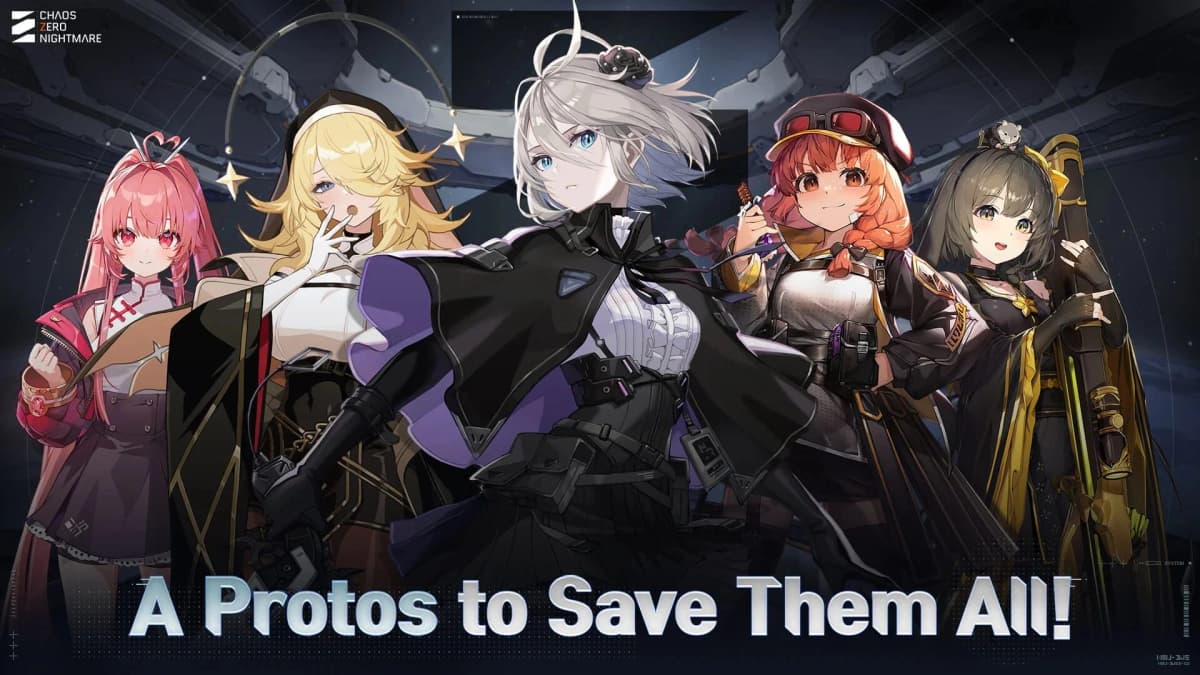
If you are reading this before pulling: Narja is worth saving for when your account needs one support who covers sustain and offensive enablement at once. If you already have her, the challenge is sequencing, not rarity. Pairing her with a strong early lineup matters too — see our best teams for early, mid, and late game for where she slots in as your roster grows.
How Narja’s kit works: Voracity first, Predation second
Narja’s identity is stack management. Treat Voracity as the foundation and Predation as the payoff. Voracity gives Narja her texture: it provides healing plus bonus damage on attack-card hits, and it is consumed one stack per hit. That single detail explains the entire build — multi-hit or repeated basic-attack lines drain Voracity for value several times in a turn, while one big single strike spends just one stack and wastes the rest.
Predation turns that setup into pressure. It amplifies attack-card damage after Voracity is active, and the value peaks once you have enough stacks established to make the burst turn count. Predation is not the button you rush on turn one; it is the button you press after the board is prepared.
Mealtime is Narja’s swing card. It is a retained, unique-style card that can deliver area damage, major healing, and Predation setup in a single play when the turn economy lines up. In a good Narja deck, Mealtime stabilizes a fight without costing momentum. In a bad one, it gets thrown out early and ends up merely “fine.”

Exact Voracity and Predation values shift with balance patches, so confirm the live numbers under Combatant → Skills before you rebuild a whole deck around an older write-up. The mechanic that does not change — Voracity consumed per hit, Predation paid out after — is what your build should be anchored on.
How to play Narja turn by turn
The easiest way to misplay Narja is to treat her as a reaction unit. Plan a short three-step cycle instead.
- Setup turn: establish Voracity (and any cost-reduction setup) rather than chasing small immediate damage.
- Conversion turn: feed Voracity into your multi-hit or basic-heavy attackers so each hit consumes a stack for real value.
- Swing turn: fire Predation or Mealtime when you gain both damage and stability — not when you are simply impatient.
This is why AP efficiency is core to her reputation. A support that lowers costs or smooths AP usage creates extra playable lines, so Narja does not just buff damage — she changes what your turn is allowed to look like. That ceiling is why experienced players keep returning to her even as newer units arrive.
Best team styles for Narja
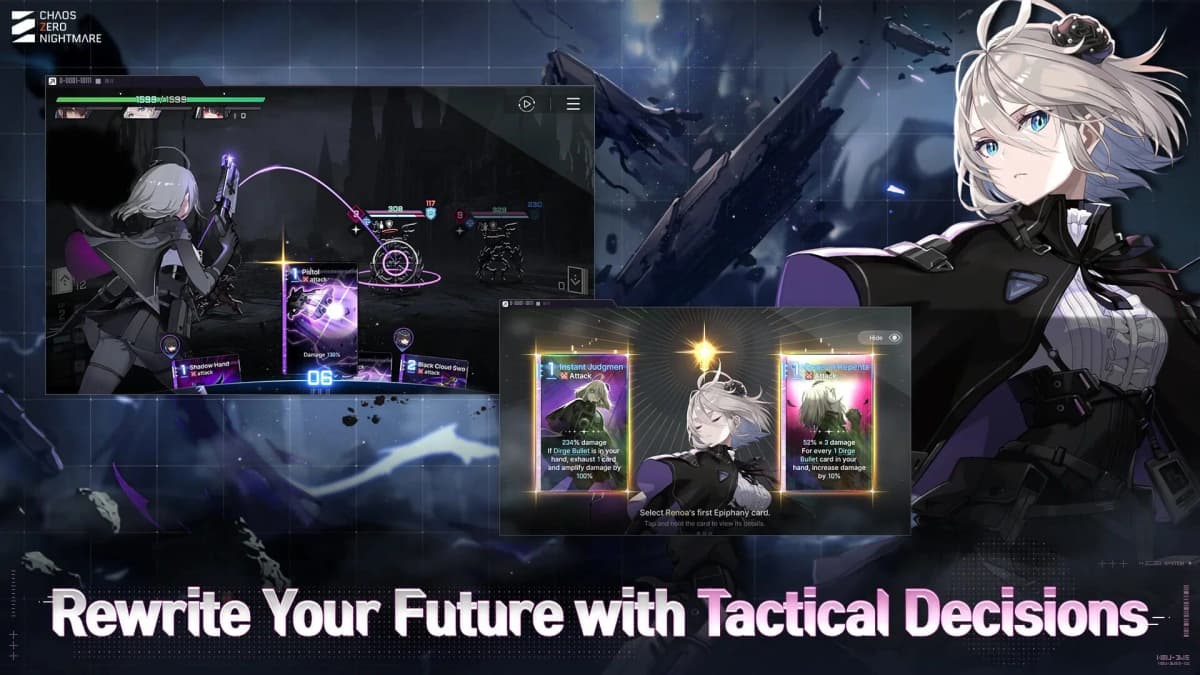
Because Voracity is consumed per hit, basic-card and multi-hit teams are her home. An attacker that hits several times turns her support package into compounding value. A team that passes around expensive, slow, single-impact cards still works with Narja, but never exploits the part of her kit that makes her special.
She also wants teammates who solve her setup problem. A shielder buys the turn she needs to build stacks; an AP-support partner smooths her sequencing so she is not stranded mid-loop. Every new defensive or turn-smoothing unit added to the game is a potential Narja enabler.
- Best fit: basic-attack or multi-hit teams that consume Voracity repeatedly.
- Very good fit: decks with shielding or extra AP support that protect her setup turns.
- Weaker fit: slow burst teams that want one giant hit over sustained sequencing.
- Underrated fit: teams that already survive fine but need one slot to bridge sustain and damage tempo.
The right question is not “does Narja heal enough?” It is “does Narja create a better total turn than a pure healer or pure buffer would?” In attack-heavy teams, the answer is yes. For full lineup templates built around supports like her, see our best team build frameworks for Nightmare runs.
Common mistakes
- Firing Predation before building value: with no Voracity established, the burst turn is a fraction of its potential.
- Treating her as emergency-only healing: her healing is strongest woven into your normal offensive sequence.
- Ignoring hit count: single-nuke teams leave most of Voracity’s per-hit value on the table.
- Dumping Mealtime on curve: its best use is the turn it stabilizes and converts advantage at once.
- Copying exact stack math from old guides: values move with patches — verify them in
Combatant → Skillsbefore optimizing hard.
Practical takeaway
Build Narja if you want a support-first 5-star Controller who rewards planning, multi-hit attackers, and AP-aware decks. Drop the “pure healer” mindset, verify her current availability in-game before pulling, and treat number-heavy older guides as patch-sensitive. Run her as a Voracity engine with Predation as the payoff, back her with a shielder or AP partner, and she becomes one of the most complete support packages in Chaos Zero Nightmare.
FinalBoss // Gear
Level up your setup
01Mobile gaming controllerson Amazon→02Top-rated gaming headsetson Amazon→038BitDo controllerson Amazon→Affiliate links · As an Amazon Associate, FinalBoss earns from qualifying purchases.
Want to Level Up Your Gaming?
Get access to exclusive strategies, hidden tips, and pro-level insights that we don't share publicly.
Ultimate Guide Strategy Guide + Weekly Pro Tips