
Crimson Desert isn’t getting a flashy new mount or a viral combat clip this time. Patch 1.02.00 is about something less sexy but far more important: stripping away the friction that made actually living in this world feel like work.
- Headgear visibility is now fully toggleable, including separate behavior for combat and cutscenes.
- A new Movement Controls mode (Basic vs Classic) admits the default control scheme wasn’t working for everyone.
- Private Storage can now scale from 240 up to 1000 slots via Greymane camp upgrades, reshaping how you hoard and craft.
- Under the hood, Pearl Abyss is still in rapid-response mode: control, quest, UI, FSR/DLSS, and stability fixes across PC, PS5, Xbox, and Mac.
Table of Contents (8)
This patch is about fixing how the game feels, not what it offers
Crimson Desert launched with the classic “MMO designer meets single-player expectations” problem. The systems were generous on paper – big world, complex progression, plenty of loot – but the day-to-day experience was clogged with clunky controls, visual noise, and inventory pressure.
Patch 1.01 already read like a community wishlist: smoother movement, better mounts, lighter stamina costs, faster loading, cleaner QoL. Patch 1.02.00 keeps pushing in the same direction, but now it’s going after three pressure points that affect every minute of play: how your character looks, how they move, and how much you can actually carry.
The uncomfortable part is obvious: none of this is innovative. These are table-stakes features that should have existed at launch. But the velocity of the fixes tells you Pearl Abyss understands that and is treating Crimson Desert like a live-service product in emergency stabilization mode.
Headgear visibility: a small toggle that says a lot
The headline change is deceptively simple: a Headgear Visibility toggle in Settings → Language & Gameplay. You now get four options:
- Always Show – standard behavior, helmets always visible.
- Show in Combat – gear appears when fighting, disappears outside combat.
- Hide in Cutscenes – visible during gameplay, automatically hidden during story moments.
- Always Hide – full stats, no visual helmet, ever.
This is hardly revolutionary; most big RPGs shipped this years ago. That’s exactly why its absence in Crimson Desert was jarring. When you put serious work into your character’s face and hair and then spend 99% of your time in a bucket helm, it undercuts the whole fantasy.
What matters here isn’t just that the option exists, but how granular it is. Being able to separate combat visuals from cutscene presentation shows Pearl Abyss is slowly lining up with modern expectations: players want both mechanical clarity in battle and cinematic framing in story scenes. One toggle is doing a lot of reputational cleanup.
Movement controls: Pearl Abyss admits the default wasn’t working
Patch 1.01 already tweaked movement costs (flight, sprinting, aerial stamina) and smoothed traversal. Patch 1.02.00 goes a step further by exposing a new Movement Controls setting with two profiles: Basic and Classic.
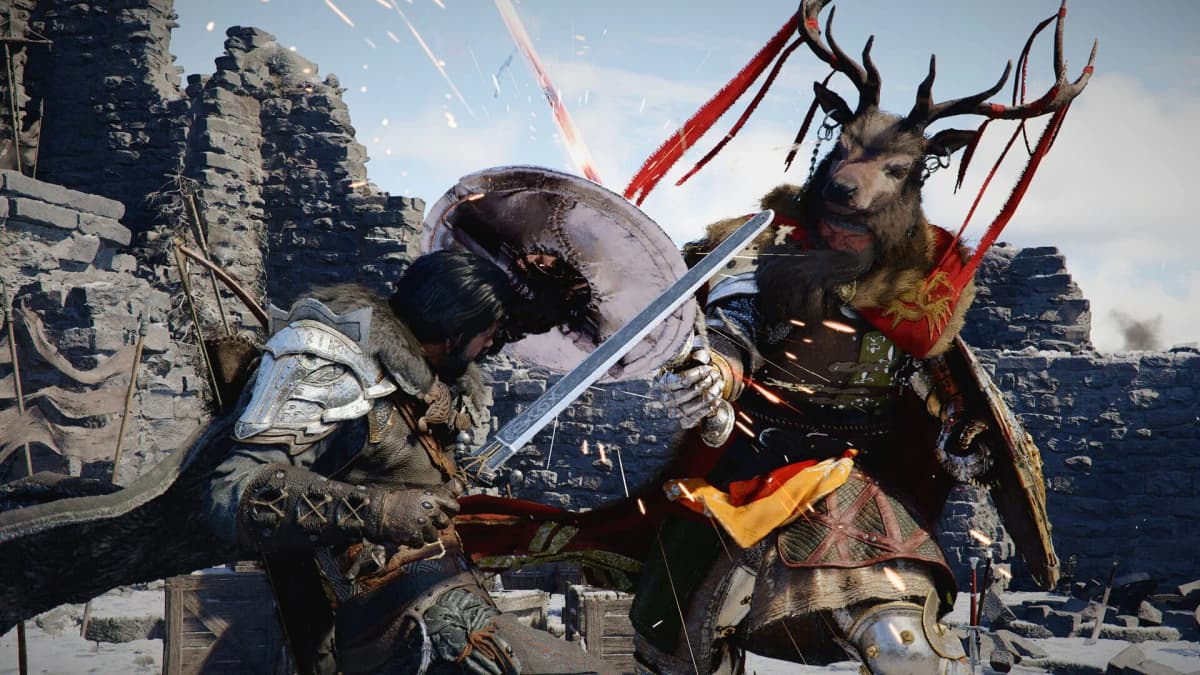
The developers aren’t pretending one size fits all anymore. The original scheme, clearly built with MMO muscle memory in mind, never quite clicked for a broader action-RPG audience used to tighter, more standardized control layouts. Creating a Basic vs Classic split is essentially Pearl Abyss saying: “we picked a lane at launch, and it wasn’t the only one we should have supported.”
Without over-interpreting the labels, the practical outcome is clear: if you bounced off Crimson Desert because movement felt wrong in your hands, it’s now worth at least diving into the settings menu before you uninstall again. The game is slowly gaining the configurability that should have been there on day one, especially on controllers.
Crucially, this sits on top of all the earlier tweaks to stamina costs and movement responsiveness. The result is cumulative: controls that were merely “tolerable after a few hours of adaptation” are inching toward “fine out of the box, customizable if not.” For a game that expects long sessions and lots of traversal, that’s more important than any new dungeon.
Storage expansion: from 240 slots to 1000, gated by camp progression
The other big systemic change is to Private Storage. Previously capped at 240 slots, it can now scale up to 1000 slots, rolled out in five stages tied to how far you’ve expanded your Greymane camp.
On a mechanical level, this does three things:
- Reduces inventory friction – less time shuffling items, dismantling, or agonizing over what to drop.
- Supports crafting and experimentation – more room to hoard materials and situational gear without feeling punished.
- Gives Greymane camp a sharper purpose – storage is now a concrete, felt reward for upgrading that hub.
Again, this is a patch papering over an original design tuned too close to MMO scarcity. Crimson Desert’s world showers you with loot and materials, then punishes you with cramped storage and logistics overhead. Players end up playing “inventory Tetris” instead of the actual game.
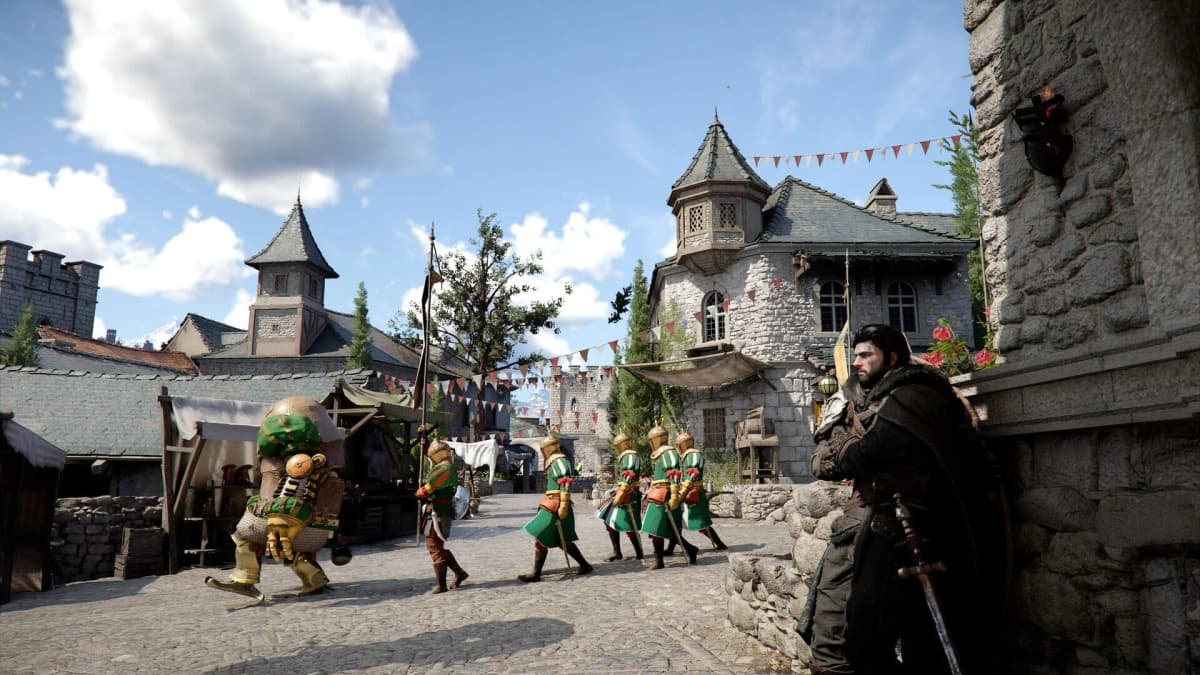
By stretching the ceiling to 1000 slots, Pearl Abyss is tacitly acknowledging that its own systems – crafting, upgrading, collection — demand more space than the launch game allowed. Tying the extra capacity to Greymane camp upgrades is the one smart twist: it turns a pure QoL fix into a progression loop. If you care about hoarding, you now care about your camp.
The tradeoff is that new and midgame players will still feel squeezed until they’ve invested in that camp. This isn’t an instant relief valve; it’s a long-term fix. Whether that’s good design or just another form of grind will depend on how demanding those upgrade requirements are in practice.
Abyss Nexus, visual tech, and the ongoing stability sprint
Patch 1.02.00 isn’t only knobs and sliders. There’s also a new Abyss Nexus added in Pailune, though the patch notes frame it more as an additional activity node than a full-blown content drop. It’s another sign Pearl Abyss is trying to layer in repeatable challenges without shouting “live service endgame” from the rooftops.
More telling is the continued attention to graphics upscaling and platform stability. Following earlier work in 1.01 around FSR, DLSS, and a fixed 4K mode on PS5, this update continues to refine FSR/DLSS behavior and squashes platform-specific issues on PC, PS5, Xbox, and Mac.
That’s exactly where Crimson Desert needs discipline. A game that sells itself on spectacle cannot afford inconsistent image quality or unstable performance, especially with such aggressive cross-platform coverage. These tweaks are the unglamorous part of the job, but they’re the difference between “this looks incredible in screenshots” and “this actually looks good on my hardware.”
Alongside that are the usual lists of quest fixes, control edge cases, UI bugs, and crash scenarios that have been quietly removed. Taken alone, none of these line items is headline material; as a pattern, they’re exactly what you want to see from a big RPG in its first post-launch month.
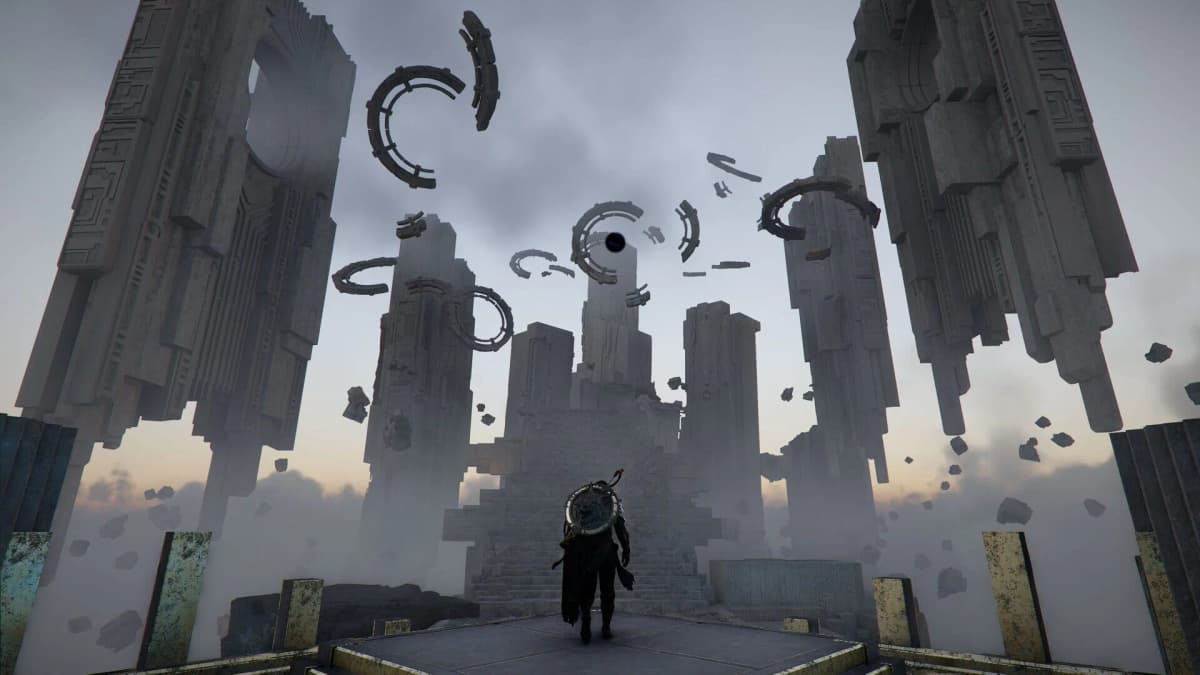
The bigger picture: from harsh MMO habits to modern RPG standards
Viewed together, patches 1.01 and 1.02.00 show Pearl Abyss slowly unlearning some of its harsher Black Desert–era instincts. The launch version of Crimson Desert often felt like it had been tuned for retention metrics, not comfort: heavy stamina taxes, cramped storage, rigid controls, and cosmetic decisions forced on the player.
In less than a month, we’ve seen:
- Movement costs relaxed and traversal smoothed.
- Multiple new mounts, including boss drops, to make getting around feel better.
- Refinement and upgrade systems made less punishing.
- Now, control profiles, headgear visibility, and massive storage expansion.
This isn’t just bug fixing; it’s philosophical adjustment. Crimson Desert is being dragged, patch by patch, toward the expectations players bring from titles like Assassin’s Creed, Witcher 3, or Elden Ring, where friction is a design choice, not a side effect of neglecting UX.
The question a PR rep probably doesn’t want to answer yet is simple: how many of these systems had to get worse to serve an internal vision that players simply didn’t share? If the next few patches keep walking back launch-era constraints, we’ll have our answer.
What to watch next
Three things will tell you whether 1.02.00 is part of a healthy trajectory or just post-launch damage control:
- The next “content” patch – When Pearl Abyss ships the next major feature or region update, look at how much friction is built into its systems. If storage, controls, and cosmetics stay this flexible, that’s a positive cultural shift.
- Further control and UI customization – If Basic/Classic is the start of deeper remapping and accessibility options, Crimson Desert could become genuinely comfortable to play for a wider audience.
- How Greymane camp evolves – Tying storage to camp upgrades is smart, but only if the camp keeps gaining practical, not just cosmetic, value. Watch how future patches use it.
For now, patch 1.02.00 is straightforward: if you’re already in deep, your day-to-day experience just got less annoying. If you bounced off early because the controls felt off or the inventory game felt punitive, it’s not a full reset, but it moves Crimson Desert closer to something you don’t have to fight to enjoy.
TL;DR
Crimson Desert patch 1.02.00 adds full headgear visibility options, a Basic/Classic movement control split, vastly expanded storage (up to 1000 slots via Greymane camp), an Abyss Nexus in Pailune, and a long list of fixes for controls, quests, UI, graphics, and stability. It matters because it keeps chipping away at launch-era friction — visual clutter, clunky movement, and harsh inventory limits — that made the game feel more like a grind than an adventure. The next big checkpoint is the first major content update built on top of these changes; that will show whether Pearl Abyss has fully committed to a more player-friendly Crimson Desert, or is just patching symptoms.
FinalBoss // Gear
Level up your setup
01Top-rated gaming headsetson Amazon→02High-refresh gaming monitorson Amazon→03Gaming chairson Amazon→04Discounted game keyson Kinguin→Affiliate links · As an Amazon Associate, FinalBoss earns from qualifying purchases.
Want to Level Up Your Gaming?
Get access to exclusive strategies, hidden tips, and pro-level insights that we don't share publicly.
Ultimate Gaming Strategy Guide + Weekly Pro Tips