
Best Gaming Laptops Under $2,000 (2026)
The best gaming laptops under $2,000 in 2026 — the upper-mid tier where RTX 5070 and 5070 Ti machines handle high-refresh 1440p with room to spare.
Two grand is the sweet spot of the gaming-laptop market. Below it you are managing compromises; above it you are paying a steep premium for marginal flagship gains. At this cap you can have a genuinely capable RTX 5070 or 5070 Ti machine that drives high-refresh 1440p comfortably, with enough CPU and cooling to keep frame rates sustained rather than peaky.
This guide is for the buyer who wants real performance for years, not just a spec sheet. In 2026 the upper-mid tier splits cleanly into two camps: thick, well-cooled performance machines like the Lenovo Legion Pro 5 Gen 10 and Acer Predator Helios Neo 16 AI that prioritise sustained wattage and upgradeability, and premium thin-and-lights like the Razer Blade 14 that trade headroom for a chassis you actually want to carry. Rarely do you get both in one laptop.
One expectation to set early: most laptops in this bracket pair the RTX 5070 with 8 GB of GDDR7 VRAM. It is plenty for 1440p today, but it is the single spec our reviews flag most often as a future limitation — worth understanding before you commit.
What to look for
Real GPU power, not just the model name. Two laptops wearing the same "RTX 5070" badge can perform very differently depending on the total graphics power (TGP) the chassis allows. The picks here run their GPUs at a full 115 W — 140 W on the Helios Neo's RTX 5070 Ti — and that wattage is what matters. Beware machines that advertise a tier but quietly cap it: the Alienware 16X Aurora earns its place precisely because it runs its RTX 5060 at the full 115 W instead of the 80 W the cheaper 16 Aurora is locked to.
Cooling and sustained load. A thicker chassis is a feature here, not a flaw. The performance picks have the thermal headroom to hold clocks through long sessions; thin-and-lights like the Blade 14 throttle sooner and run louder. If you game for hours at a stretch, a little extra weight buys cooler, quieter, more consistent frames.
The panel. High-refresh 1440p (WQXGA, 2560×1600) is the standard at this price. OLED — as on the Legion Pro 5, and as an option on the ASUS TUF F16 — gives the best contrast; fast IPS at 240–300 Hz suits competitive play. Mind the practical caveats: the Helios Neo's screen is colour-accurate but highly reflective, the single most-cited complaint in its reviews.
VRAM. Eight gigabytes is the floor across most of these picks. It runs everything at 1440p now, but reviews already call it tight for the Blade 14's native 3K OLED and at 1440p on the MSI Crosshair 16 HX AI. If you want genuine headroom, the Helios Neo's RTX 5070 Ti is the way to get it.
The single-channel RAM trap. Several value machines — the Lenovo LOQ 15 and the base TUF F16 among them — ship 16 GB as a single stick, which measurably drops gaming performance until you add a second module. Always check whether a configuration is single- or dual-channel, and budget for the cheap upgrade where it applies.
Which should you buy?
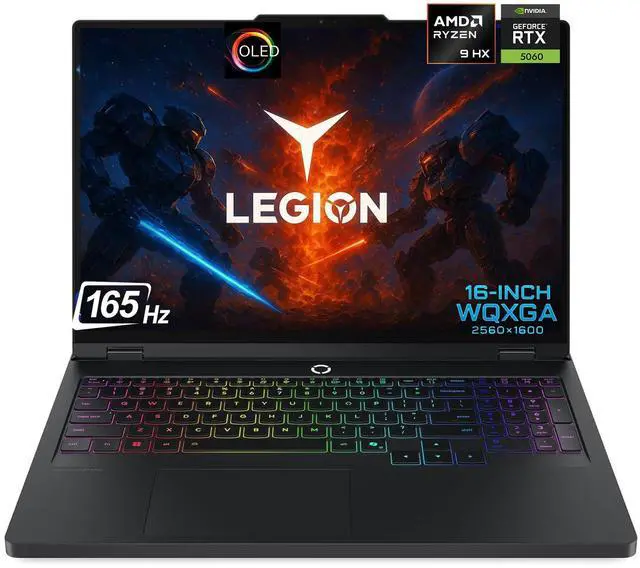
Best overall — Lenovo Legion Pro 5 Gen 10. A 16-core Ryzen 9, a full-power RTX 5070, a 165 Hz OLED and upgradeable RAM, frequently discounted well below MSRP. It is the most complete package under the cap; just buy from a returnable retailer given the thin 2026 thermal data so far.
Best value performance — Acer Predator Helios Neo 16 AI. If you want an RTX 5070 Ti or more VRAM headroom, this is the serviceable, frequently-discounted route — provided you can live with the reflective screen.
Best build / premium small — Razer Blade 14. Choose this only if portability outranks everything. Stay on the RTX 5060 config to stay under budget, and go in aware of the soldered RAM and the documented motherboard-failure pattern.
Cheapest that still delivers — Lenovo LOQ 15. If you would rather bank the savings, its RTX 5060 handles 1080p-to-1440p for far less — just upgrade the single-channel RAM on day one.
Need to spend less? See our best gaming laptops under $1,500. Chasing maximum frame rates above this cap? Our best laptops for AAA gaming guide goes higher.
- 1Lenovo Legion Pro 5 Gen 10 (AMD, OLED)
from $1,999
RTX 507016" OLED16–32 GB2.35–2.50 kgOur top pick under $2,000: a 16-core Ryzen 9 9955HX, a full-power RTX 5070 and a 165 Hz OLED with genuinely upgradeable RAM, regularly discounted well below MSRP. The watch-out is thin independent 2026 thermal data, so buy from a returnable retailer.
- 2Acer Predator Helios Neo 16 AI (2026)
from $1,699
RTX 5070 Ti / RTX 507016" IPS16–32 GB2.7 kgThe value performance pick — RTX 5070 or 5070 Ti behind a 240 Hz IPS panel, sensibly serviceable and frequently discounted near $1,500. The defining gripe is a very reflective screen, and there is no GPU MUX switch.
- 3Alienware 16X Aurora (2026)
from $1,849
RTX 506016" IPS32 GB2.6 kgFor Alienware build quality on a budget: it runs its RTX 5060 at the full 115 W with G-SYNC and Advanced Optimus, unlike the 80 W cheaper 16 Aurora. Watch for early-batch coil-whine and throttling reports — inspect the unit on arrival.
- 4Razer Blade 14 (2026)
from $1,999
RTX 5060 / RTX 507014" OLED16–32 GB1.63 kgThe premium small option: a 1.63 kg CNC-aluminum unibody with a 3K OLED, if you will trade upgradeability for portability. Stay on the RTX 5060 config to keep it under $2,000, and go in aware of the documented post-warranty motherboard-failure pattern.
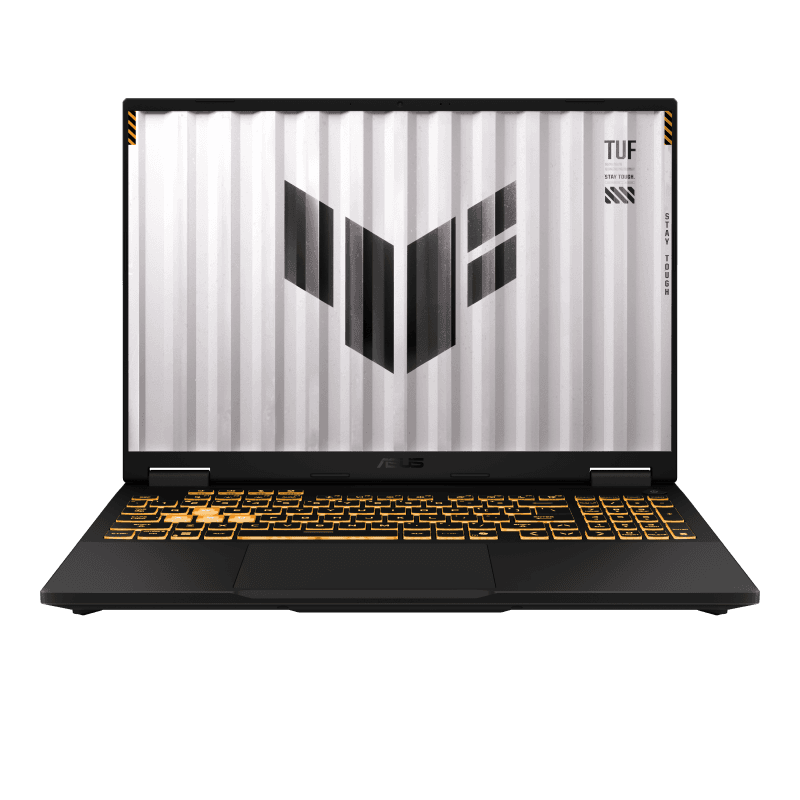
- 5ASUS TUF Gaming F16 (2026)
Price unavailable
RTX 507016" OLED16 GB2.20 kgAn upgradeable RTX 5070 machine with an OLED-or-300 Hz IPS choice and Thunderbolt 4, leaving headroom under the cap. Avoid the single-channel 16 GB base config and check for the reported 2026 sleep/wake bug.
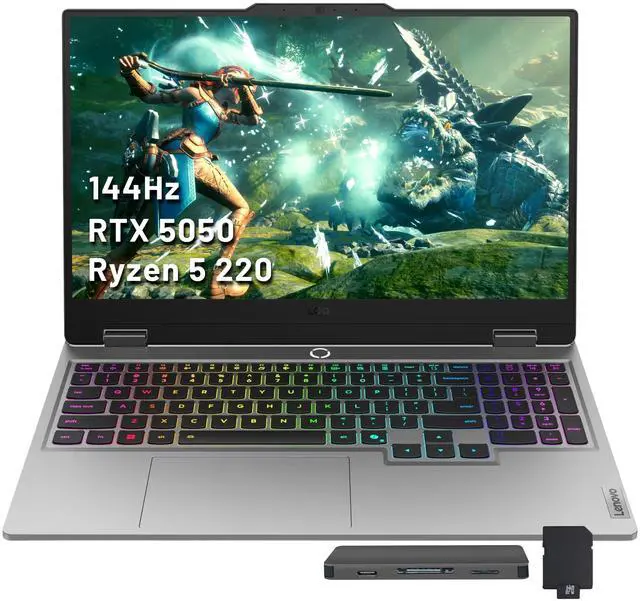
- 6Lenovo LOQ 15 (2026)
from $1,299
RTX 5060 / RTX 507015.6" IPS16 GB2.43–2.45 kgIf you would rather bank the savings, this RTX 5060 covers solid 1080p-to-1440p play for far less than the budget allows. Its single-channel 16 GB default is the catch — upgrade to dual-channel immediately for full performance.
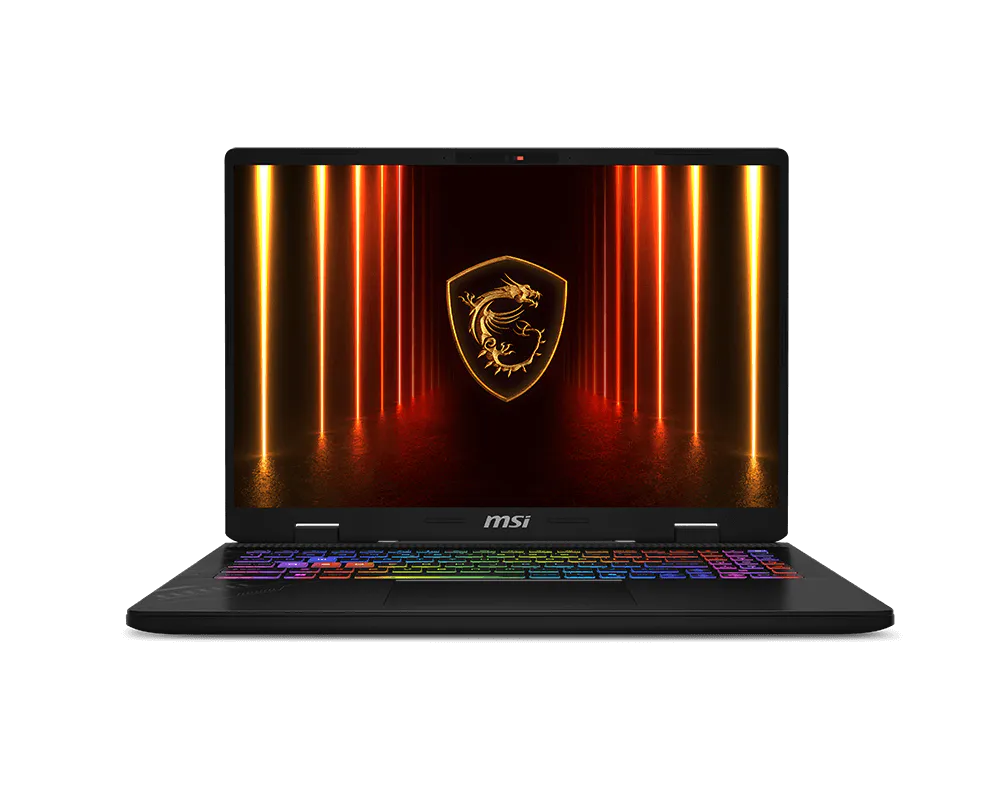
- 7MSI Crosshair 16 HX AI (D2XW)
from $1,499
RTX 5070 / RTX 506016" IPS32 GB DDR5-6400~2.8 kgAn RTX 5070 with RAM upgradeable to 96 GB and a 240 Hz screen around $1,499. Mind the USB-C-through-iGPU quirk that breaks external-monitor gaming (use HDMI) and the 8 GB VRAM at 1440p.


FAQ
Is $2,000 enough for a high-end gaming laptop?
It buys the upper-mid tier — RTX 5070 and 5070 Ti machines like the Lenovo Legion Pro 5 Gen 10 and Acer Predator Helios Neo 16 AI, which handle high-refresh 1440p well. Full 175 W RTX 5080/5090 flagships generally start above this cap, so under $2,000 the smarter move is a fully-fed mid-to-upper GPU rather than a starved flagship.
What is the best value gaming laptop under $2,000?
The Lenovo Legion Pro 5 Gen 10 — a 16-core Ryzen 9 9955HX, a full-power RTX 5070 and a 165 Hz OLED with upgradeable RAM — is our standout, and it is routinely discounted well below MSRP. For more raw performance headroom, the Acer Predator Helios Neo 16 AI adds an RTX 5070 Ti option.
Should I buy premium-thin or performance at this price?
It is a real trade-off. The Razer Blade 14 offers a premium 1.63 kg portable OLED build but soldered RAM and a single M.2, while the Legion Pro 5 and Helios Neo give you more sustained GPU power, better cooling and upgradeability for the same money. Buy thin only if you carry the laptop daily.
Is 8 GB of VRAM enough on a 1440p gaming laptop?
For now, yes — most RTX 5070 and 5060 configs here ship 8 GB of GDDR7 and run current titles at 1440p fine. But it is the spec our reviews flag most as a future limit, and it is already called tight for the Razer Blade 14's native 3K OLED and at 1440p on the MSI Crosshair 16. If you want headroom, the Helios Neo's RTX 5070 Ti is the step up.
Does single-channel RAM really hurt gaming performance?
Yes, and it is a common trap at this price. The Lenovo LOQ 15 and the base ASUS TUF F16 ship 16 GB as a single stick, which measurably lowers frame rates until you add a second module for dual-channel. Both are user-upgradeable, so check the config and budget for the cheap fix if needed.