
If you searched GreedFall: The Dying World expecting an item, DLC zone, or hidden quest inside the original GreedFall, here is the clarification you need first: this is a separate game, not a late-game unlock in the first title. It is GreedFall 2: The Dying World, a prequel set roughly three years before the original. You do not reach it by progressing through GreedFall — you start it as its own game.
Table of Contents (8)
The short version
- GreedFall 2: The Dying World is a standalone prequel, not DLC for the first game.
- You play a native of Teer Fradee who is captured by settlers and taken to the mainland continent of Gacane; the Malichor is only beginning to spread.
- Pick a focused opening direction, not a spread of points — you can fix it later with a one-use Memory Stone, bought from merchants and used from the Skills menu at a campfire or your ship.
- Combat runs three profiles — Tactical, Hybrid, and Focused — spanning full tactical-pause party control to direct real-time play. Try them early.
- Difficulty is granular: separate sliders for party damage, recovery, enemy damage, friendly fire, plus camera and keybind controls. Tune it instead of fighting the defaults.
What The Dying World actually is
GreedFall 2: The Dying World is a prequel, set about three years before the events of the first GreedFall. You play a native of the island of Teer Fradee who is captured by settlers and shipped to the mainland continent of Gacane. The Malichor plague that defined the original game is only starting to spread here, and that early stage — plus the colonial and faction politics of Gacane — drives the setting. For returning players, the role in the series is to reframe familiar themes earlier in the timeline, with the choice-heavy RPG systems pushed further than before.
The naming trips people up. Official material uses GreedFall: The Dying World; fans and most coverage call it GreedFall 2. They are the same game. That mismatch matters for your search terms, not for what you play.
Character creation is your real early-game difficulty setting
Attributes drive your combat effectiveness, talents decide what the world opens up for you outside of fights, and skill trees unlock your active abilities. That split tells you how to plan: attributes for how well you fight, talents for which doors the world opens, skills for your moment-to-moment playstyle.
You do not need a perfect build before leaving the opening area, but you do need a direction. Scattering points to cover every weakness leaves you mediocre at all of them; a focused start carries you through the early hours far more cleanly. If you want smoother exploration and more route options, lean into the talents that govern world interaction. If you want reliable fights from the start, commit to the combat style you expect to use most. The game rewards commitment over indecision.
Early choices are not permanent traps. Respec runs on a one-use Memory Stone, bought from merchants and triggered from the Skills menu — but only at a safe location such as a campfire or your ship, not mid-fight. Treat it as a correction tool, not a reason to skip planning. If a talent-heavy start leaves you underpowered in combat, or a combat-heavy start feels too narrow for questing, a Memory Stone lets you pivot without restarting.
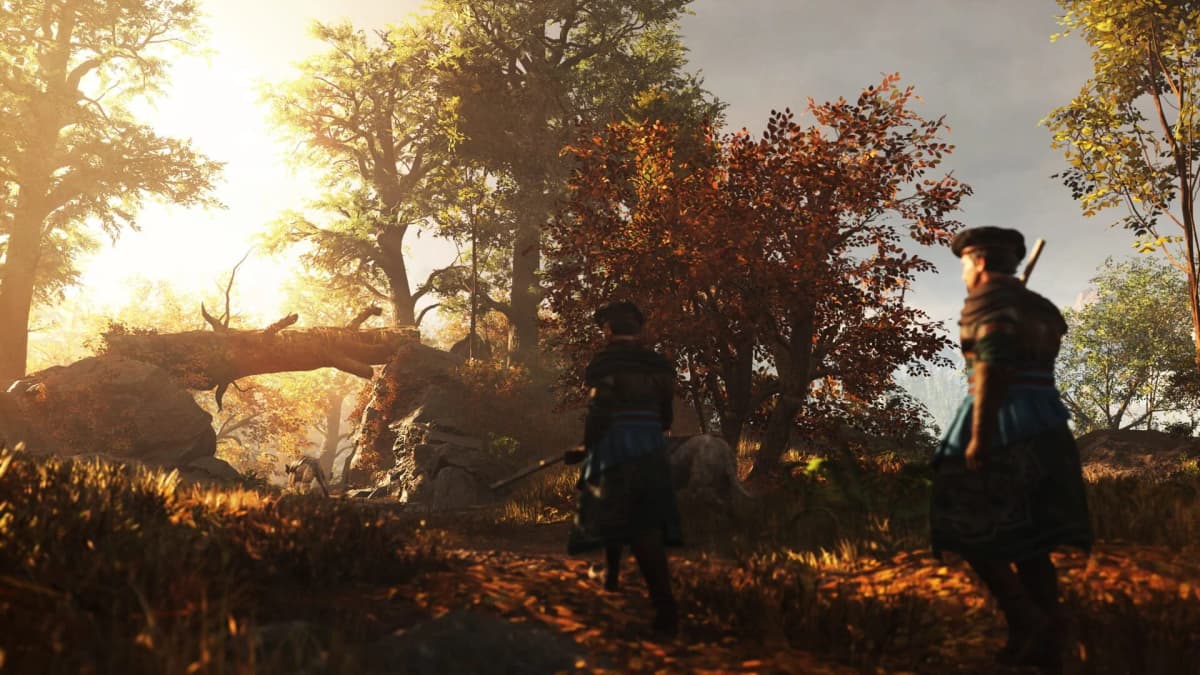
If you want concrete archetypes and stat spreads to anchor your start, the build framework from the first game still maps closely onto the sequel’s attribute-talent-skill structure. See our GreedFall best builds breakdown for the top archetypes and where to put points first.
Combat: pick a profile, then tune it
Combat is built around three profiles — Tactical, Hybrid, and Focused — that range from full tactical-pause party control to mostly real-time play where you drive your own character and the AI handles companions. Neither end is a gimmick; both are part of the intended experience.
If you like party micromanagement, the tactical end makes fights far more readable: you control positioning, ability timing, and recovery windows deliberately, which is exactly what you want while you are still learning how each companion contributes beyond raw damage. If you prefer an action-RPG feel, the real-time end keeps momentum up and cuts menu friction — but it leans harder on your build and on how dependable your companions are when you are not steering them.
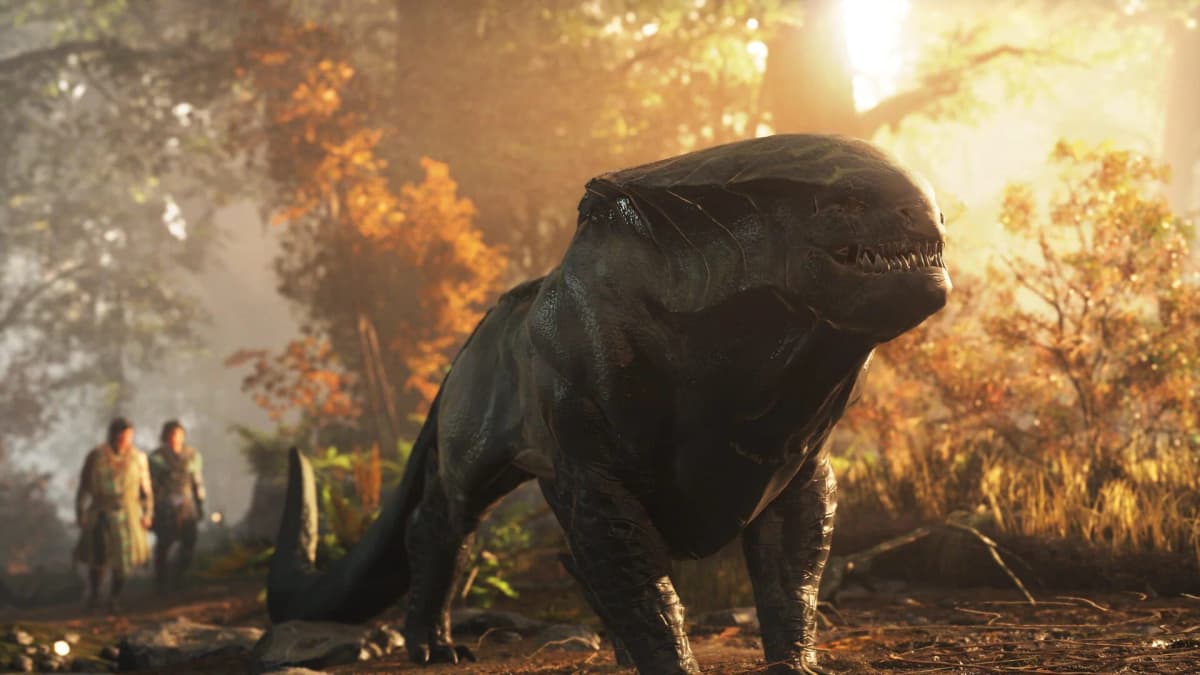
Where the game stands out is how much it lets you tune around that choice. Difficulty is granular, not a handful of presets: separate modifiers for party damage, recovery, and enemy damage, a friendly-fire toggle, plus camera controls and keybinds. You are never locked into an all-or-nothing difficulty identity. If fights feel punishing for the wrong reasons, adjust the specific slider creating friction instead of abandoning your preferred style. Spend a few minutes setting this up before you commit — a slower, tactical player and a clean real-time player want very different settings, and the game expects you to dial them in.
Companions do more than fill party slots
The easiest mistake in a party RPG is treating companions as combat coverage. The Dying World goes further: companions carry their own backgrounds, loyalties, and skill trees, and they can open alternate quest approaches or surface dialogue you would otherwise miss.
So do not keep the same party just because the damage feels comfortable. Rotate companions when you head into new political spaces, faction-heavy missions, or investigation sequences — the right history or loyalty angle can hand you information and options the default party never would. In a game built around multiple solutions, that is a mechanical advantage, not flavor text. It also means relationship management is part of progression: ignore a companion’s arc and you are ignoring a toolkit the game expects you to use.
Tracking vision is not optional
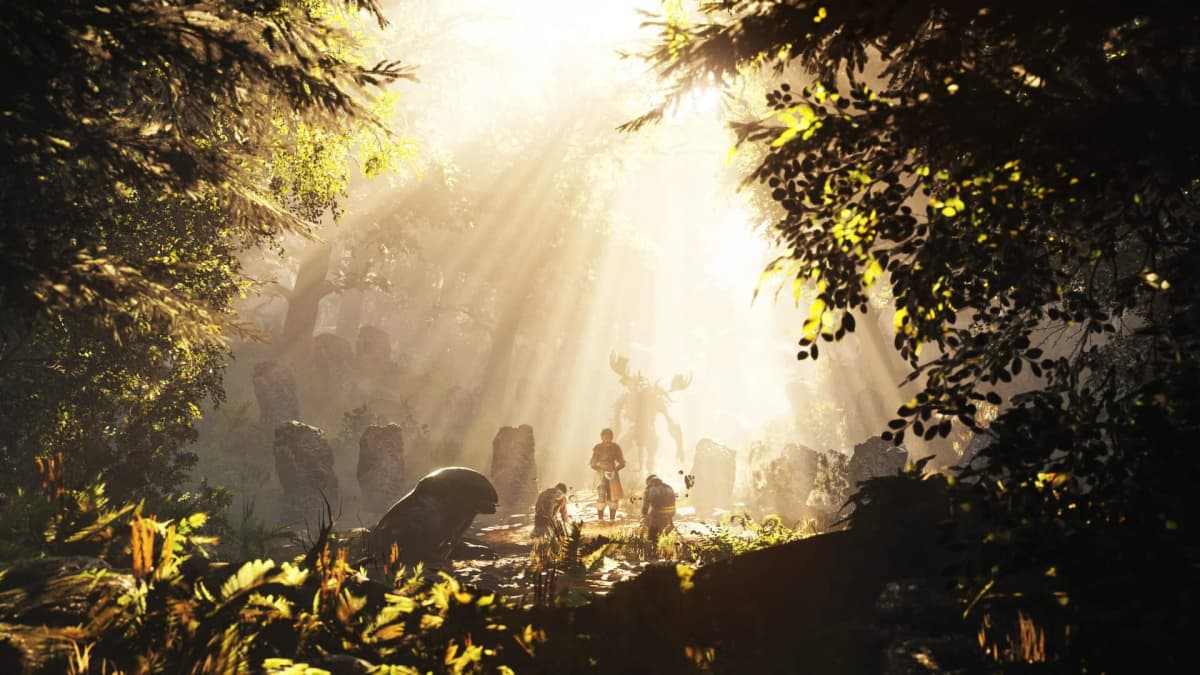
Tracking vision highlights hidden clues, interactive objects, and loot. The useful part is what it implies about pace: this game rewards methodical searching. If you only scan the obvious path forward, you will miss the evidence that unlocks alternate quest solutions. Use it whenever you enter a new room, a suspicious outdoor area, or a quest space that feels too empty for the objective you were given. Hidden evidence usually matters more than one extra chest.
Common mistakes to avoid in the first stretch
- Building too broadly at character creation. A focused start beats trying to cover combat, utility, and dialogue equally on day one.
- Restarting instead of using a Memory Stone. If your build feels wrong, buy one from a merchant and respec at a campfire or your ship before throwing away progress.
- Treating companions as permanent combat furniture. Their backgrounds and loyalties shape quests — rotate them by mission.
- Skipping tracking vision because the area looks straightforward. Hidden clues and interactables are part of the intended loop.
- Fighting the defaults. Granular damage, recovery, camera, and keybind sliders exist — tune them the moment the feel is off.
- Assuming every quest has one correct path. Most do not.
Practical takeaway
GreedFall 2: The Dying World is a separate, choice-driven prequel to GreedFall — not content hidden inside the first game. Start with a deliberate build direction, keep a Memory Stone in reserve rather than restarting, test all three combat profiles and settle on one, rotate companions to fit each mission’s politics, and use tracking vision routinely. If you want to dig deeper into the RPG systems the sequel inherits, our GreedFall best armor guide and max level and XP guide cover gearing and progression in detail. Do that, and the game opens up far earlier than it first appears.
FinalBoss // Gear
Level up your setup
01Top-rated gaming headsetson Amazon→02High-refresh gaming monitorson Amazon→03Gaming chairson Amazon→04Discounted game keyson Kinguin→
Affiliate links · As an Amazon Associate, FinalBoss earns from qualifying purchases.
Want to Level Up Your Gaming?
Get access to exclusive strategies, hidden tips, and pro-level insights that we don't share publicly.
Ultimate Guide Strategy Guide + Weekly Pro Tips