
Table of Contents (14)
Why Your Runner Shell Matters (and What I Learned the Hard Way)
After spending my first 30+ hours in Marathon swapping Shells every few raids, I finally admitted the obvious: your Runner Shell choice matters more than your gun, especially early on. Most of my early wipes on Tau Ceti weren’t because I lost aim duels – they were because I picked the wrong tools for the job.
If you played earlier tests, Shells have settled firmly into “classes” now: each Runner Shell has a Prime ability (your big ultimate), a Tactical gadget on cooldown, and two Traits that shape your movement and utility. The core kits at launch line up with the last big playtest, but the meta around them has shifted now that everyone is sweating extractions and contracts.
This guide ranks all seven Runner Shells with one priority in mind: how well they keep you and your squad alive. I’ll walk through what each Prime, Tactical, and Trait actually does in real raids, where they shine, and when they’ll quietly get you killed. If I can spare you even half the “learning by dying” I went through, it’ll be worth it.
Marathon Runner Shell Tier List (Launch Version)
Let’s start with the big picture. All seven Shells are viable, but if you care about consistent extracts and contract progress, some are just stronger right now.
- S-Tier – Core meta picks: Triage, Vandal
- A-Tier – Strong, comp-dependent: Assassin, Recon, Destroyer
- B-Tier – Specialist / niche: Thief, Rook (solo-only)
This is based on my launch-week raids, mostly trio queues on PC with a mix of contract grinding and high-risk loot runs. The meta will shift as Shell-specific Cores and faction upgrades become more common, but for raw survival value, this is where things stand.
S-Tier: Triage and Vandal – The Current Survival Kings
Triage – The Best Overall Team Shell
I tried very hard not to main Triage. I usually play aggressive roles, but every time my squad swapped off this Shell, our extract rate dropped. Triage is simply too good at keeping a team alive.
Kit overview:
- Prime – Reboot+: Long-range revive beam that can bring a downed ally back from safety, or be redirected as an EMP burst against enemies.
- Tactical – Med-Drone: Deploy a healing drone that latches onto you or a teammate, slowly restoring health and shields. You can have a separate drone for each ally.
- Trait – Shareware.exe: When you use Patch Kits or Shield Chargers, a portion of the healing is mirrored to anyone currently tethered by your Med-Drones.
- Trait – Battery Overcharge: Temporarily buffs your weapons but ramps up Heat. With volt weapons, breaking enemy shields triggers an EMP stun.
Why Triage is S-tier: Healing items in Marathon are expensive and finite, and early on you’re scraping by with low-tier meds. Med-Drones essentially turn every safe corner into a mini field hospital. I stopped burning Patch Kits for chip damage and just let the drones top us off between fights. Over a full raid, that translates into multiple extra engagements you can take before running dry.
Reboot+ is the real clutch factor. Being able to revive an ally from cover, through mid-range sightlines, removes so many risky body-res attempts. Use it whenever a teammate is in a terrible position or being camped; don’t be greedy and “save it for later” – I lost more fights from holding Prime too long than from using it aggressively.
How to play Triage effectively:
- Stay slightly behind the front line. Your job is to keep Med-Drones up and eyes on your team’s health bars.
- Pair Battery Overcharge with cover – pop it before you swing a corner, dump damage, then immediately break line of sight while your Heat settles.
- Run at least one volt weapon (SMG, AR, or marksman) to consistently proc EMPs when shields break.
- Prioritise Cores that boost drone uptime or defensive stats; you’re too valuable to die early.
Weaknesses: In pure solo queues, Triage is still strong but not as crazy. You’re trading personal power for team value. I’d still rate it S-tier overall because trios dominate the meta, but if you only play solo, consider Vandal or Assassin instead.
Vandal – Mobility God and Duelist
Vandal was the first Shell where I could really feel the difference between “default” movement and a mobility-focused kit. In a game with low base speed and limited sprint, Vandal’s kit turns positioning into a weapon.
Kit overview:
- Prime – Amplify: A short burst of increased movement speed, better weapon handling, and reduced Heat generation from your movement abilities.
- Tactical – Disrupt Cannon: Charge and fire an explosive projectile that deals decent damage and forcefully knocks back anything in the blast – enemies, props, and even you.
- Trait – Microjets: Grants a true double-jump at the cost of generating Heat.
- Trait – Powerslide: Your slides are longer and faster than other Shells, but add extra Heat.
Why Vandal is S-tier: Mobility is life in extraction shooters. Vandal lets you:
- Take off-angles and high ground most Shells simply can’t reach.
- Escape bad engagements by chaining slide → jump → double-jump, especially with Amplify active.
- Use Disrupt Cannon to flush enemies from cover or knock them off rooftops and ledges.
The breakthrough for me was using Disrupt Cannon on myself: firing at my own feet to blast onto higher platforms or over cover. Just make sure your shields are healthy first. Combined with Microjets, you can traverse Tau Ceti’s vertical spaces in ways that completely surprise slower teams.
Heat management is the catch. Every slide and double-jump pushes your Heat up; hit the cap and you’re slowed and vulnerable. I run with:
- At least one Heat-relief consumable (water or similar).
- A habit of stowing my weapon during long rotations (
hold 3by default) to offset Heat and move faster between fights.
If you like aggressive, flanking play with SMGs and shotguns, Vandal is your Shell. Just remember: your survivability comes from not being where enemies expect you, not from tank stats.
A-Tier: Strong but Composition-Dependent Shells
Assassin – The Ambush Specialist
Assassin was my go-to during the Server Slam, and it’s still excellent at launch, but I’ve bumped it down to A-tier because coordinated teams punish solo hero plays much harder now.
Kit overview:
- Prime – Smoke Screen: Throws a line of smoke grenades that block vision and mess with optics for anyone inside.
- Tactical – Active Camo: Temporary invisibility that weakens as you move faster; shooting, using items, or taking damage breaks it.
- Trait – Shadow Dive: Slam down from the air to create a smoke cloud on landing.
- Trait – Shroud: Entering any smoke (yours or otherwise) automatically cloaks you for a short duration, even after you leave the cloud.
Assassin’s entire kit is about breaking line of sight and punishing teams who lose track of you. The strongest plays I’ve found:
- Use Smoke Screen to cut enemy sightlines, then Active Camo to slip around and take a new angle.
- Drop from high ground with Shadow Dive to instantly make smoke, auto-cloak with Shroud, and delete the backline.
- Run suppressed or high-burst weapons to maximise the impact of your first shot from invisibility.
The big pitfall: overconfidence. I wiped multiple raids trying to 1v3 squads because I felt untouchable in smoke. Good players spam utility and blind-fire into clouds; once you’re tagged, you’re just a low-health duelist with average mobility. Assassin is amazing when your squad plays around your smokes, but riskier if you solo-queue.
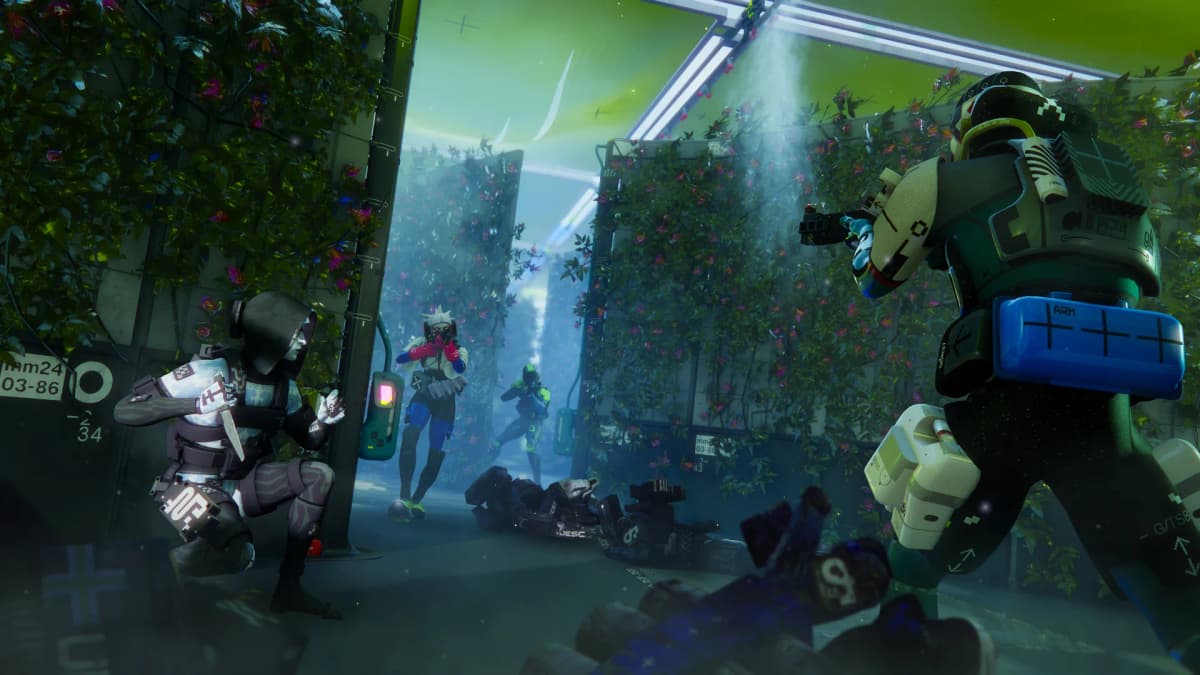
Recon – Information Wins Fights
Recon doesn’t look flashy on paper, but once we had a dedicated Recon main in our trio, our winrate shot up. Knowing where other squads are before they know about you is priceless.
Kit overview:
- Prime – Echo Pulse: Sends out several sonar waves that reveal nearby enemies – including invisible ones – through walls.
- Tactical – Tracker Drone: Toss a crawling drone that hunts down enemies and explodes; hit players are instantly overheated, slowing them and burning them over time.
- Trait – Interrogation: You’re notified when someone pings you, and performing a finisher pings the locations of that player’s teammates.
- Trait – Stalker Protocol: Enemies whose shields you break leave visible footprints briefly, letting you track them through cluttered areas.
How to get the most from Recon:
- Use Echo Pulse when approaching known hot zones – extraction points, contract objectives, or loud gunfights.
- Throw Tracker Drone into buildings or tight corridors before pushing; an overheated enemy can’t easily reposition.
- Play a mid-range overwatch role with DMRs or accurate ARs, calling rotations based on pings and footprints.
Recon lands in A-tier because its value scales with team communication. In a coordinated stack, it can feel borderline S-tier. In random lobbies where nobody listens to callouts, you’re basically playing a slightly worse duelist with wallhacks.
Destroyer – Tanky Control With a Learning Curve
Destroyer (the old “Locus” from testing) is the closest thing Marathon has to a tank. Some players swear it’s one of the strongest Shells thanks to its missiles and barricade; in my experience it’s powerful, but you need good positioning discipline.
Kit overview:
- Prime – Search and Destroy: Activates shoulder-mounted launchers that lock onto targets you’re continuously damaging, firing homing missiles that can immobilise or heavily punish exposed players.
- Tactical – Riot Barricade: Deploys a frontal energy barrier that blocks incoming fire. The longer it’s up and the more damage it absorbs, the longer its cooldown.
- Trait – Thruster: Short, sharp lateral dash that can be used on the ground or mid-air.
- Trait – Tactical Sprint: Double-tap sprint to move faster than other Shells, at the cost of extra Heat generation.
Destroyer shines when you control chokepoints and objective areas:
- Drop Riot Barricade to safely revive, reload, or hold a doorway.
- Use Search and Destroy when enemies are forced into open sightlines; it’s less effective against highly mobile Shells in big open spaces.
- Combo Thruster dash with cover to avoid being a stationary target behind your own shield.
The main downside is Heat: Tactical Sprint plus Thruster can overheat you quickly if you panic. Compared to Vandal, your movement is more predictable. When used smartly with Triage or Recon on your team, though, Destroyer anchors fights extremely well – hence a solid A-tier placement.
B-Tier: Specialist Shells – Powerful in the Right Context
Thief – The Ultimate Loot Goblin
Thief is probably my favorite Shell thematically, but also the one that’s punished me the most for greed. It’s built around acquiring loot, not winning straight-up fights.
Kit overview:
- Prime – Pickpocket Drone: You manually pilot a flying drone that zaps enemy players or UESC robots, knocking their most valuable loot out of their bags.
- Tactical – Grapple Device: A grappling hook that yanks you to a targeted surface, letting you reposition quickly or reach awkward angles.
- Trait – X-Ray Visor: Temporarily highlights loot containers through walls and outlines enemies in sight, with color-coded hints about loot rarity. Aiming at enemies while it’s active will briefly scramble their vision.
- Trait – The Finer Things: Your weapon handling improves and your Grapple cooldown shortens based on how stuffed your backpack is.
Where Thief shines:
- Third-partying fights: wait for other teams to batter each other, then use Pickpocket Drone to strip valuables before anyone extracts.
- Early wipe economy runs: chain contracts and stash high-value items quickly with X-Ray Visor guiding your route.
- Hit-and-run play: grapple in, grab loot or a pick, grapple out before enemies can react.
Why only B-tier? None of Thief’s abilities directly help you win gunfights. The drone makes you stationary and vulnerable, and while Grapple is fantastic, Vandal simply does the mobility+combat role better. I treat Thief as my “money-making” Shell when I’m okay with avoiding fights as much as possible.
Rook – The Solo Warm-Up and Refill Shell
Rook is weird enough that it almost sits outside this tier list entirely. It’s a solo-only Shell meant for low-stakes refilling of your arsenal, not competitive trio play.
Rook’s limitations:
- Can only queue solo and often backfills into ongoing raids.
- No Traits – you just get a Prime and Tactical.
- Can’t progress contracts, though you still earn faction reputation from other sources.
- Can’t use gear from your vault; you spawn with basic kit that improves via faction upgrades over time.
Kit overview:
- Prime – Recuperation: A channeled self-heal that gradually restores health but cancels if you take damage.
- Tactical – Signal Mask: Temporarily makes you invisible to UESC robots; sprinting or taking damage breaks the disguise.
Once I unlocked a few faction perks that improved Rook’s starting gear (better backpack, solid shotgun), I started treating it as my “rebuild” Shell after a bad streak. You can quietly farm AI, learn routes, and practice fights without risking high-end vault items.
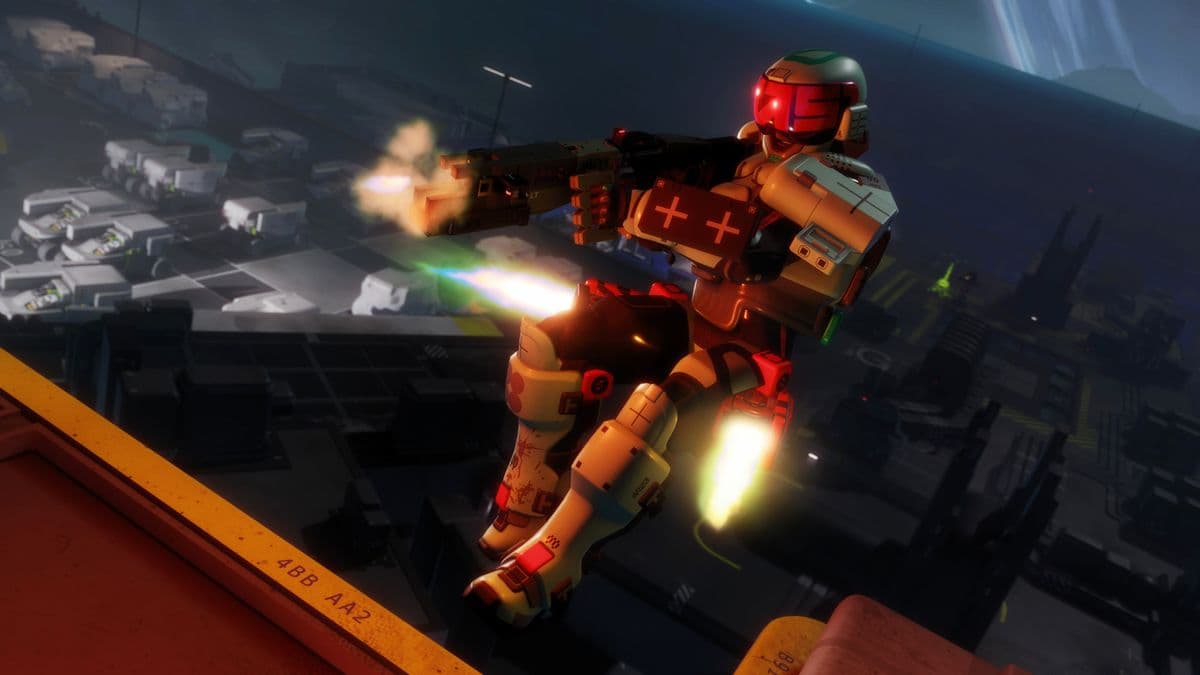
In terms of pure power, Rook is B-tier at best – no traits and solo-only is a big handicap. But as a tool for long-term progression, it’s worth investing in. Just don’t expect it to carry you in sweaty PvP.
Shell Cores and the Evolving Meta
Every Shell has access to Shell-specific Cores – lootable upgrades that slot into your Shell to tweak its kit. Higher-rarity Cores can significantly change how a Shell feels. For example, Cores that reduce Tactical cooldowns or increase drone duration can push Triage, Recon, or Thief to a different level.
Right now, in the first few days of launch, most players are still running low-tier Cores, so base kits matter most – hence Triage and Vandal topping the list. As we move into later weeks:
- Watch for balance patches that touch Med-Drones, Disrupt Cannon, or stealth interactions.
- Pay attention to extraction and win-rate data from the community – if a Core combo starts dominating, expect nerfs.
- Experiment with Cores that shore up weaknesses (e.g., Heat reduction on Vandal, faster cloak recharges on Assassin).
Don’t be afraid to respec your “main” Shell once you find a legendary Core that clearly pushes another class into your preferred playstyle.
Which Runner Shell Should You Start With?
If you’ve just installed Marathon and want a quick recommendation based on my time bumbling around Tau Ceti:
- New to extraction shooters: Start with Triage. The safety net of Med-Drones and ranged revives forgives a lot of mistakes.
- FPS veteran who loves aggression: Go Vandal or Assassin. Learn to abuse movement and flanks.
- Shotcaller / tactical player: Pick Recon and be the team’s radar and strategist.
- Defensive anchor or objective player: Try Destroyer and practice holding ground with Riot Barricade.
- Loot-focused / rat playstyle: Use Thief in trios, Rook when solo and rebuilding.
Once you’ve got 10–15 raids under your belt with one Shell, swap to another for a few matches. I didn’t really “get” how strong Triage and Vandal were until I went back to more basic Shells and felt how much harder everything became.
Marathon’s meta is going to evolve fast, but survival fundamentals don’t change: information, positioning, and sustain. Pick a Shell that strengthens at least one of those pillars, learn its kit inside-out, and your extractions will start looking a lot cleaner.
FinalBoss // Gear
Level up your setup
01Mobile gaming controllerson Amazon→02Top-rated gaming headsetson Amazon→038BitDo controllerson Amazon→Affiliate links · As an Amazon Associate, FinalBoss earns from qualifying purchases.
Want to Level Up Your Gaming?
Get access to exclusive strategies, hidden tips, and pro-level insights that we don't share publicly.
Ultimate Guide Strategy Guide + Weekly Pro Tips