
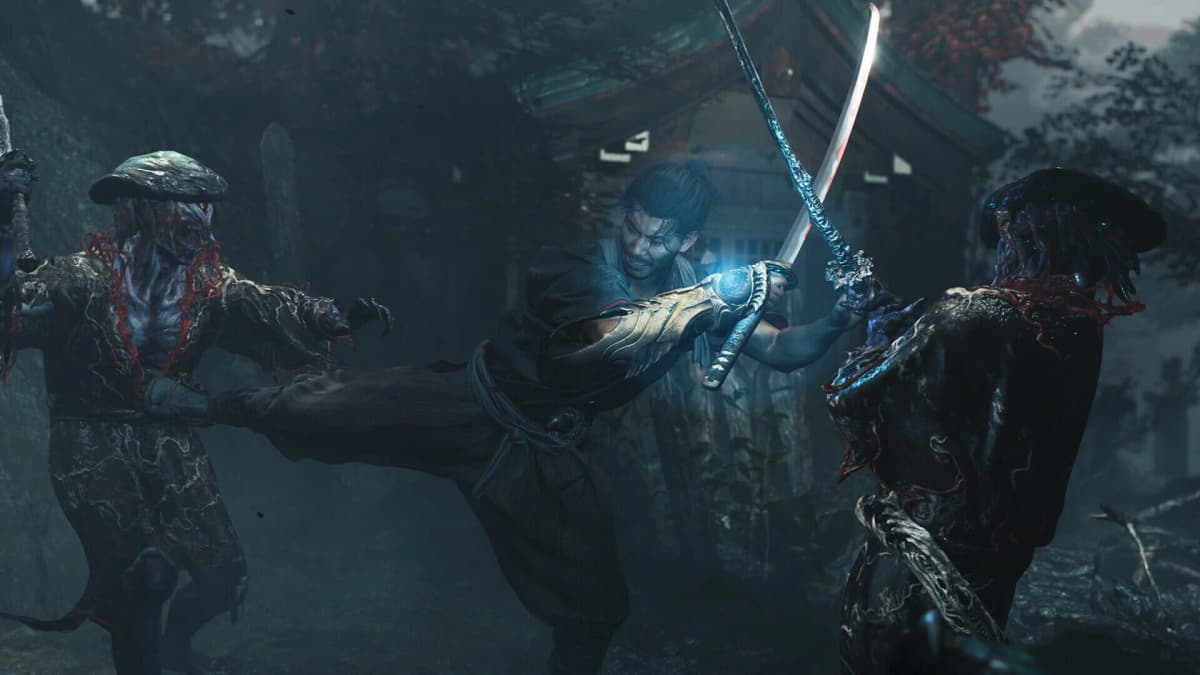
Calling a full timer disable “Better Story Timer” is bullshit. The mod published on September 3, 2026 for The Blood of Dawnwalker does not clean up an ugly interface, repair a broken quest, or rescue players from a real-time countdown chewing through their afternoon. It removes the game’s central scarcity rule: 30 days and 30 nights to save Coen’s family.
Players should be free to mod their single-player games. Full stop. Nobody needs a stranger’s blessing to tailor a PC game around stress, disability, available time, or plain personal taste. But freedom to make a mod does not make every mod a harmless adjustment, and pretending otherwise is how useful conversations about accessibility get flattened into the tired slogan that every restriction is bad design.
Putting Onimusha: Way of the Sword beside The Blood of Dawnwalker makes the distinction painfully clear. Capcom’s September 4, 2026 samurai action game builds pressure through combat: defense creates openings for stronger offense, enemies can be staggered for devastating Break Issen attacks, and malice zones drain health every second. Those systems demand execution, reactions, and resource management. Dawnwalker’s clock demands judgment. Treating both kinds of pressure as interchangeable misses what each game is asking from the player.
Table of Contents (5)
Dawnwalker’s Timer Is a Decision System, Not a Stopwatch
The people calling for the 30-day structure to disappear keep talking as if The Blood of Dawnwalker traps players in a frantic race against a constantly falling clock. It does not. After the prologue, time is a resource. Free-roaming, travelling, exploring, and ordinary conversations do not burn through the calendar. Players can poke around, learn the map, inspect locations, and prepare without watching minutes evaporate.
The clock moves when players commit to meaningful actions: an investigation, an interrogation, a combat encounter, or another plot-relevant choice. Crucially, the game shows the time cost before that commitment. The structure is commonly broken down into 16 segments for each day-night cycle, adding up to 480 segments across the 30-day window. That is a lot of room to act, and it is deliberately legible room. Dawnwalker puts the price tag on the table before players spend.
That detail wrecks the argument that the timer is opaque punishment. A hidden timer that ambushes a player after hours of unrelated wandering deserves suspicion. A system that says, in effect, “this lead costs time; are you willing to spend it?” is doing something far more interesting. It turns narrative progress into a strategic purchase.
One lead may expose a new route. Another may reveal information that makes a later confrontation easier. A detour into combat may be worth the cost, or it may leave too little calendar space for a more important thread. The game forces priorities because its story is about a family in danger and a protagonist with painfully limited opportunities to intervene. Urgency lives in the fiction and in the rules at the same time.
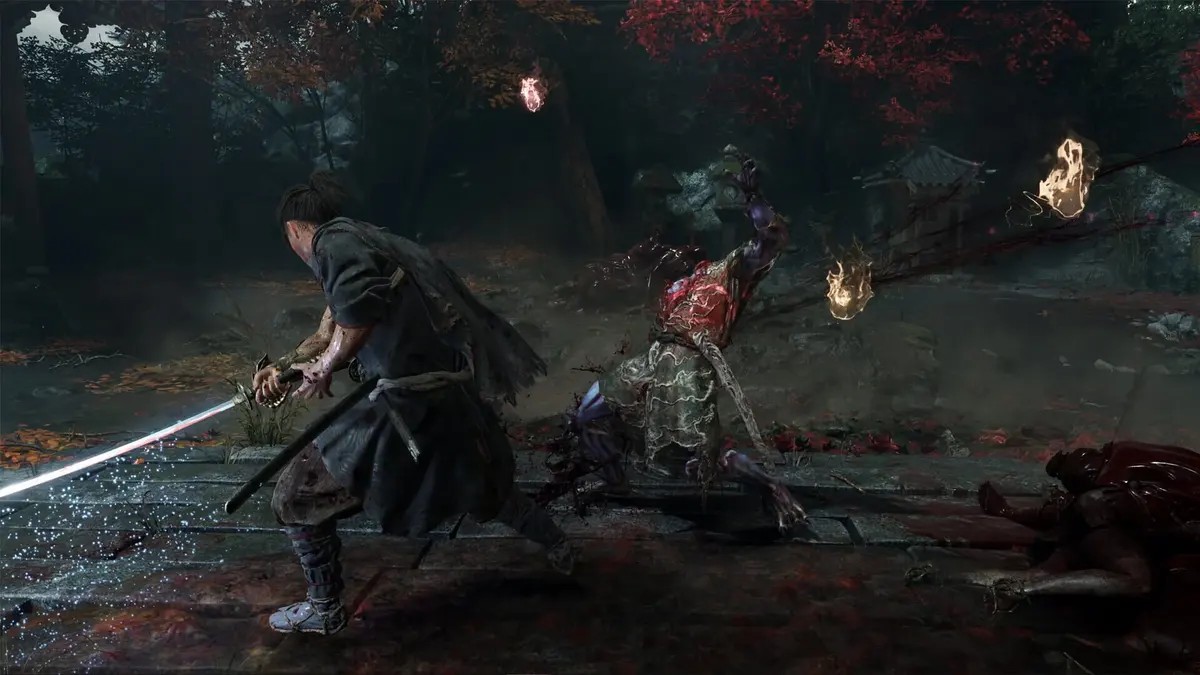
Removing the Deadline Erases the Cost of Being Wrong
A complete timer removal changes more than difficulty. It changes the entire character of a playthrough. With unlimited days, every investigation can be pursued, every branch can be vacuumed up, every detour becomes safe, and inefficient routing carries almost no strategic consequence. The player goes from choosing a path to clearing a checklist.
That is the part mod defenders keep dodging. Dawnwalker’s core challenge does not live in demanding perfect swordplay or fast traversal. Its most distinctive difficulty gate is planning under scarcity. The game wants players to live with a decision, including the uneasy feeling that a compelling side path may cost them something else. A timer-disable mod removes that feeling because it removes the reason to prioritize at all.
Failure matters differently under this structure. A bad combat performance, a questionable lead, or a route that consumes more time than expected leaves a mark on the wider run. The answer cannot always be “reload and do the same thing more efficiently.” Players carry the cost forward. That produces the kind of imperfect, personal story that role-playing games regularly promise and rarely have the nerve to enforce.
Even the end state refuses the cheap “timer equals instant game over” framing. When the available time runs out, the objective shifts from “Rescue your family” to “Come for your family,” while the goal remains killing Brencis. Dawnwalker acknowledges the player’s lost opportunity and lets the story continue through the consequences. That is harsher than a clean reload screen, but it is also dramatically honest. The world moved because the player spent its limited time elsewhere.
Accessibility Needs Better Tools Than a Fake “Fix”
There is a legitimate accessibility case for changing time pressure. Some players experience deadline mechanics as crushing anxiety. Others need extra space to learn a dense quest structure, manage fatigue, or recover after repeated mistakes. A player with limited time and energy may reasonably decide that seeing Dawnwalker’s story matters more than engaging with its calendar puzzle. That player deserves an option, and the PC modding scene is often faster than publishers at providing one.
But accessibility does not require dishonest labels. “Better Story Timer” suggests the original game is defective and the mod restores the intended experience. It does the opposite. It creates a different experience: one with more completion freedom, less uncertainty, fewer sacrifices, and dramatically weaker narrative pressure. Call it Unlimited Time. Call it Story Freedom. Call it Timer Disable. Those names tell players what they are downloading.
| Mod approach | What it changes | What remains of Dawnwalker’s design |
|---|---|---|
| Clearer time-cost UI | Makes action costs easier to read before commitment | The full 30-day scarcity structure and its consequences remain intact |
| Extended calendar or reduced penalties | Gives players more recovery room after inefficient choices | Priorities, route commitment, and some opportunity cost still matter |
| Full timer removal | Deletes the deadline and the scarcity model | Combat and quest content remain, but planning pressure and branch-pruning collapse |
The middle option is where modders should put their energy. Give players 45 days instead of 30. Reduce the time cost of a failed investigation. Add an accessibility setting that restores a small number of spent segments. Make the calendar more readable. Those changes preserve a meaningful trade-off while giving players a cushion. They respect the fact that the timer is a designed system rather than treating it like an annoying pop-up.

Onimusha Shows Why Every Pressure Mechanic Deserves Its Own Argument
Onimusha: Way of the Sword, available on PC alongside PlayStation 5, Xbox Series X|S, and Nintendo Switch 2, gives players another useful example of how badly the word “challenge” gets abused in mod debates. Its malice system punishes players inside dangerous red mist with steady life loss. Its defensive combat rewards patience and turns successful reads into offensive opportunities. A mod that slows the malice drain, expands consumable capacity beyond six, or makes visual danger cues clearer would change the experience in different ways.
Reducing malice damage could be a comfort adjustment for someone who struggles with sustained attrition. Removing every threat from malice zones would gut a layer of environmental danger. Making Break Issen timing more forgiving would soften execution demands. Automatically staggering every enemy would destroy the combat loop built around defense, stamina depletion, and choosing where to strike a broken opponent.
Those distinctions matter because “let people play how they want” is a statement about ownership, not criticism. Of course they can play how they want. They can mod Onimusha into a power fantasy, make Dawnwalker an exhaustive quest tour, or turn either game into something unrecognizable. The only unreasonable demand is that everyone else pretend those altered versions preserve the original design challenge.
The Real Boundary Is Transparency
Modders do not need to protect developer intent as if every shipped mechanic arrived from a mountaintop carved in stone. Games contain bad ideas. Some restrictions are arbitrary, poorly communicated, or hostile to players who need accommodation. Modding has always been one of PC gaming’s best correctives against that kind of rigidity.
Yet there is a serious difference between reducing friction and deleting a game’s governing rule. The Blood of Dawnwalker’s calendar belongs in the second category. It determines how players value leads, react to setbacks, shape their story, and decide what can be left unfinished. A full removal makes the game more convenient, more completionist-friendly, and less demanding of player judgment. That may be exactly what an individual player wants. It remains a fundamental rewrite.
My verdict is simple: allow timer-removal mods, use them without shame if they make the game playable, and stop calling them fixes. The Better Story Timer label is a dodge. Dawnwalker’s 30 days and 30 nights are the point of its structure. Delete them, and players are no longer overcoming the game’s central challenge; they are choosing a different game with fewer consequences.
FinalBoss // Gear
Level up your setup
01Graphics cardson Amazon→02Gaming laptopson Amazon→03High-refresh gaming monitorson Amazon→04Discounted game keyson Kinguin→
Affiliate links · As an Amazon Associate, FinalBoss earns from qualifying purchases.
Want to Level Up Your Gaming?
Get access to exclusive strategies, hidden tips, and pro-level insights that we don't share publicly.
Ultimate Gaming Strategy Guide + Weekly Pro Tips