
When a Pokémon-styled meme began turning up on posts tied to the Trump-era political thread, the company behind Pikachu had to do more than sigh and scroll past: it issued a public warning. The Pokémon Company told social platforms and creators that its imagery shouldn’t be repurposed for political messaging, stressing trademark rights and the need to keep the brand nonpartisan and family-friendly.
- Key takeaways:
- The Pokémon Company publicly denied authorizing “Pokopia” memes used in political posts and warned that unauthorized political use can trigger enforcement.
- The timing isn’t accidental: the franchise’s 30th‑anniversary activity (restocks, merch drops, and collaborations) has amplified its visual footprint.
- Brand protection here is about reputation, not just copyright-Pokémon wants to avoid being seen as endorsing political causes.
Table of Contents (5)
Why the company stepped in – and why it mattered now
The immediate spark was a wave of “Pokopia” memes that borrowed Pokémon typography, colors and aesthetic to make political points – one notable example reported by Areajugones showed a post on X using that style to promote a Trump-linked slogan. That viral use coincided with the franchise’s 30th‑anniversary push: Nintendo Life and Dexerto have been covering restocks and retail collaborations (a retro Pikachu plush pre-order and UNIQLO’s Gen‑1 tee line), which means Pokémon imagery is already occupying more public attention than usual.
From a brand control perspective, that’s the exact moment owners get nervous. When a beloved IP is everywhere — on shirts, in stores, and now in political memes — the risk of associative damage rises. The Pokémon Company’s statement framed the issue plainly: these appearances were unauthorized, and the company’s mission is nonpartisan and family‑facing. That’s not PR speak; it’s preemptive reputation management.
Not just logos: why “family‑friendly” is the bigger worry
Most fans assume trademark enforcement is about stopping knockoffs or counterfeit merch. But here the lever is reputation. GamesRadar recently ran a piece reminding readers that Pokémon’s audience skews older than outsiders assume; long‑time fans and recent adult players mean the brand plays to all ages. That diversity of audience is exactly why the company wants to avoid being pulled into polarizing political imagery — one viral post could make parents or partners see Pokémon differently.
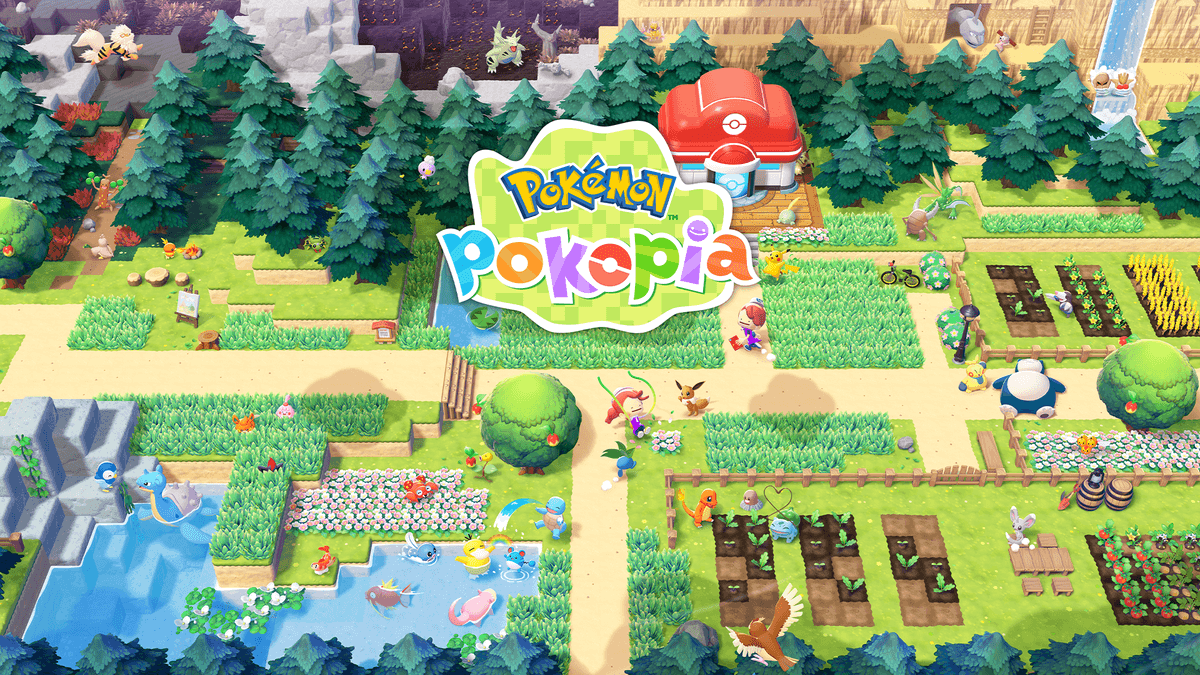
In short: a takedown or legal warning isn’t always about money. It’s about preventing the brand from being perceived as a political actor. When children’s characters or recognizable design language get used as political shorthand, the damage to brand neutrality can be swift and sticky.
The uncomfortable observation the PR team hoped you wouldn’t notice
The company’s statement was careful — it didn’t threaten blanket litigation, saying enforcement will be considered “depending on the case.” Translation: expect selective action. Rights holders often pick fights that are winnable or high‑visibility; they usually avoid sparring with low‑profile meme authors unless the post has serious reach or is tied to organized political messaging.
If I were asking their communications lead the obvious question, it would be: how do you decide which memes cross the line? The answer will reveal whether enforcement is about image control or about policing grassroots expression — a useful distinction for creators and platforms.
What creators and platforms need to know
Creators should assume three things: using official Pokémon art or logos in political posts is high‑risk; derivative designs that clearly mimic Pokémon styling can still prompt action; and scale matters — the bigger the reach, the likelier the company intervenes. Platforms, for their part, will respond faster when a rights holder flags content; that’s been visible in other recent takedowns tied to politics and IP.
What to watch next
- Any formal takedown notices or trademark lawsuits filed by The Pokémon Company — those would move this from PR posture to legal precedent.
- Platform removals of “Pokopia” posts after rights complaints; patterns there will show how aggressively the company pursues enforcement.
- Whether Pokémon publishes clearer fan‑use guidelines tied to political contexts (a practical move that would preempt headaches).
Sources: Areajugones reported the X post and the company’s statement; Nintendo Life and Dexerto provide context on anniversary merchandising that raised the franchise’s profile; GamesRadar highlighted why Pokémon cares about perception across age groups.
TL;DR: A viral “Pokopia” meme pushed Pokémon into the political arena it did not ask to join. The company has drawn a line — trademark enforcement and reputation control are the tools it will use — and the next few takedowns or policy clarifications will tell us whether this becomes a single moderation episode or the start of stricter policing of political meme culture.
FinalBoss // Gear
Level up your setup
01Best-selling Switch 2 gameson Amazon→02Switch 2 accessorieson Amazon→038BitDo controllerson Amazon→04Discounted game keyson Kinguin→Affiliate links · As an Amazon Associate, FinalBoss earns from qualifying purchases.
Want to Level Up Your Gaming?
Get access to exclusive strategies, hidden tips, and pro-level insights that we don't share publicly.
Ultimate Gaming Strategy Guide + Weekly Pro Tips