
Table of Contents (7)
Why the White House slapping “Make America Great Again” on Pokopia matters
Using a freshly released game’s art to hawk a political slogan is not harmless meme culture. It is effectively unlicensed political branding – and when that art belongs to Pokémon, the rights-holder is pushing back loud and clear.
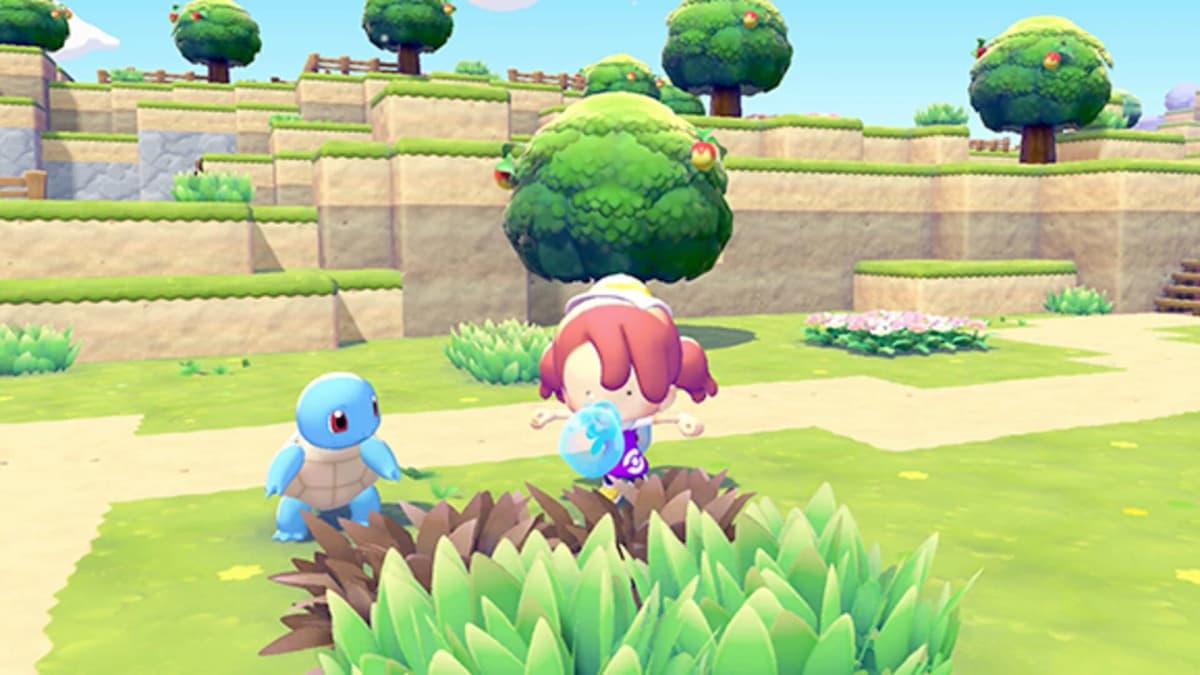
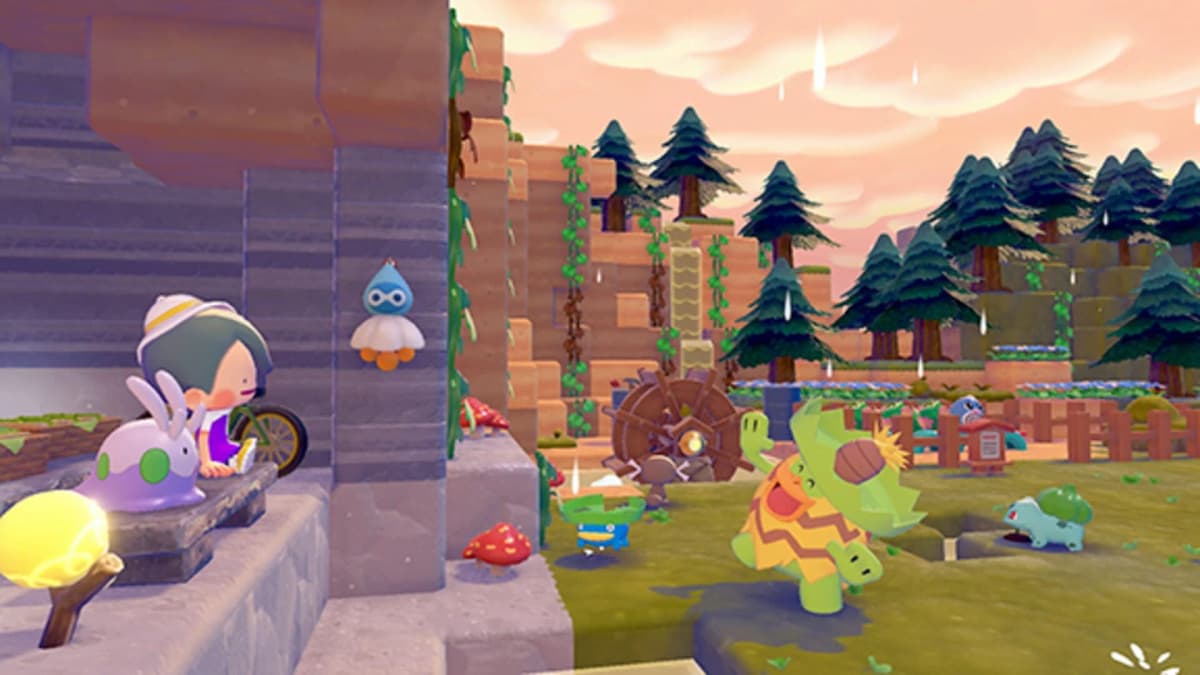
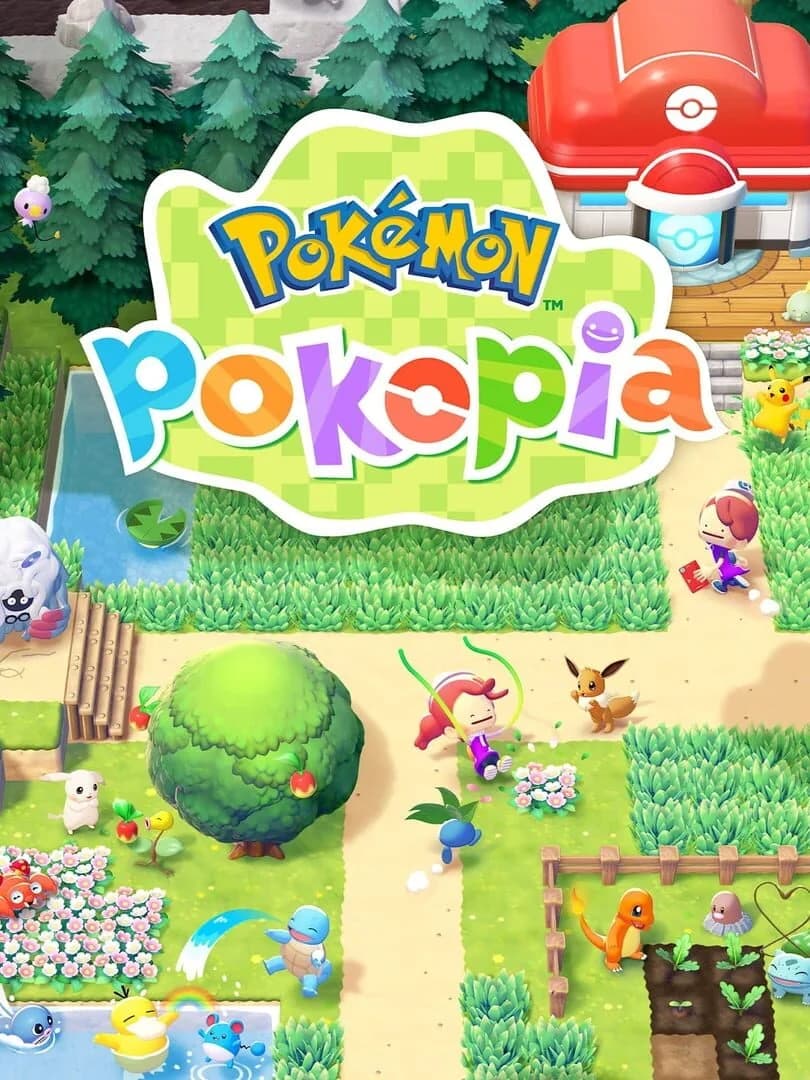
On March 5, 2026 – the same day Game Freak’s cozy spin-off Pokopia launched and critics piled on praise – a White House social post replaced the game’s title with “Make America Great Again” and tucked Pikachu into the image. The Pokémon Company International (TPCi) says it never authorized the usage and warned the brand is apolitical. That response landed between glowing coverage of Pokopia (it just hit the top of Metacritic) and a chorus of creators and rights-holders who are increasingly uncomfortable about government posts repurposing entertainment IP.
Key takeaways
- The Pokémon Company publicly objected after the White House used Pokopia art with “Make America Great Again” — TPCi says no permission was given and the brand is apolitical (PC Gamer).
- Pokopia’s launch day gave the image high visibility; critics have been enthusiastic (Steam News reports an 88 Metacritic score).
- This follows a September 2025 incident where DHS repurposed Pokémon anime footage and the “Gotta Catch ‘Em All” line for immigration enforcement — TPCi also disavowed that use.
- The White House disputed the complaint by pointing at a 2016 Clinton-era Pokémon reference, and some community voices question whether TPCi is being consistent on political expression.
Why TPCi’s objection is more than PR theatre
Corporate statements about neutrality are common — but they’re also enforceable intellectual property claims. TPCi’s spokeswoman Sravanthi Dev told press outlets the company “was not involved in its creation or distribution, and no permission was granted for the use of our intellectual property. Our mission is to bring the world together, and that mission is not affiliated with any political viewpoint or agenda.” That isn’t a slogan; it’s a legal posture. If you want to use someone else’s characters inside political messaging, you normally need a license — or you’ll at least expect the risk of a takedown or other action.
On the flip side, the White House’s response — pointing to a decade-old campaign tweet from a Democratic candidate as evidence of precedent — is a deflection, not a defense. Pointing at someone else’s past usage doesn’t grant permission to repurpose corporate-owned artwork for political ends now.
The uncomfortable observation nobody in the White House pressroom will say out loud
Pokémon as a brand has supported social causes in recent years; community commentators have noted TPCi’s public stances on movements like Black Lives Matter and LGBTQ+ issues. That history complicates the optics. Critics and some fans are asking whether TPCi is picking and choosing which political expressions it tolerates — and whether that choice is about principle or public relations. That’s a fair question, and worth asking of any entertainment company that says it wants to be ‘apolitical’ while regularly taking stands on social issues.
But nuance matters: opposing a government account’s use of your characters in a campaign image is not the same as opposing all political speech. It’s about control over how your brand is used. TPCi hasn’t signaled it’s banned all political engagement by others — just that it won’t let its IP be weaponized without consent.
The sources don’t completely line up — but the through-line is clear
Steam News and GamePro focused on Pokopia’s critical reception and player impressions — the game is an unusually well-reviewed Pokémon spin-off and launching day attention made the image a tempting target. PC Gamer provided the detailed back-and-forth between TPCi and the White House, including quotes and the administration’s counterclaims. A minor reporting discrepancy popped up with one outlet misattributing the statement to Nintendo rather than The Pokémon Company; it’s a small error but one that highlights how fast political stories can blur basic facts.
The question I’d ask TPCi’s PR rep — and the answer that matters
If I had one question for Sravanthi Dev it would be: do you plan to pursue formal legal action, or is this a public warning aimed at deterrence? Saying “we didn’t authorize this” is meaningful, but the next step — a takedown, a cease-and-desist, or a lawsuit — is what will actually change behavior. TPCi has not confirmed legal action yet; watch whether this remains a public admonition or becomes a legal precedent on government use of entertainment IP.
What to watch next
- Any legal filings or copyright takedown notices from The Pokémon Company (likely in the coming days or weeks).
- Further White House statements or similar posts using other game IP — will this become a pattern or an isolated gaffe?
- Community reactions beyond forums: organized boycotts or creator pullbacks could force clearer industry-wide policies.
- Pokopia’s commercial and technical follow-up coverage (benchmarks, sales numbers) — the game’s launch-day visibility is the reason the image got used in the first place.
TL;DR: The White House used a Pokopia image on launch day and swapped the title for “Make America Great Again.” The Pokémon Company publicly objected, calling the use unauthorized and insisting its IP remains apolitical. The real signal to watch is whether TPCi turns that objection into legal action — that’ll decide if this stays a PR skirmish or becomes a test case for government use of commercial IP.
FinalBoss // Gear
Level up your setup
01Best-selling Switch 2 gameson Amazon→02Switch 2 accessorieson Amazon→038BitDo controllerson Amazon→04Discounted game keyson Kinguin→Affiliate links · As an Amazon Associate, FinalBoss earns from qualifying purchases.
Want to Level Up Your Gaming?
Get access to exclusive strategies, hidden tips, and pro-level insights that we don't share publicly.
Ultimate Gaming Strategy Guide + Weekly Pro Tips