
Table of Contents (8)
A rainy alley, a synth chord, and my first hour with Replaced
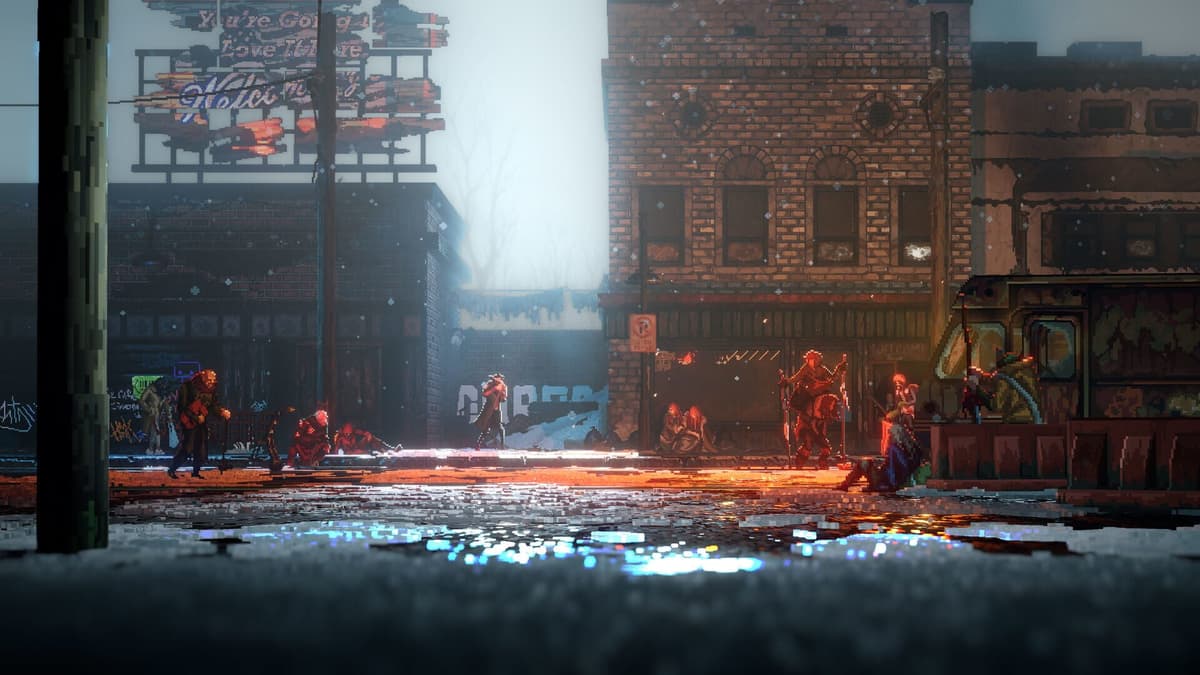
The first time I stopped moving in Replaced, I wasn’t admiring a vista or checking my map. I just froze in the middle of a soaked alley in Phoenix‑City while the camera slowly slid in, neon bleeding into puddles, a lone synth chord hanging in the air. For almost a full minute I didn’t press anything. I just stared.
I grew up on a steady diet of Blade Runner VHS re‑watches, CRT glow, and that particular brand of cyberpunk where the rain feels like it’s falling inside your skull. Replaced has been on my radar since its first trailer in 2021 – all crisp pixel silhouettes, brutal takedowns, and Cold War‑flavored dystopia. It looked like “what if a SNES game tried to cosplay as Denis Villeneuve?”
Now that it’s finally here, I’ve finished the story once on PC (about 9 hours, with a chunk of side errands in the hub), replayed a couple of combat arenas on Hard, and messed around on Steam Deck for a bit. I played mostly with an Xbox controller on a 1440p monitor, dipped into keyboard and mouse long enough to regret it, and spent an unreasonable amount of time just walking slowly through the rain because this game gets atmosphere.
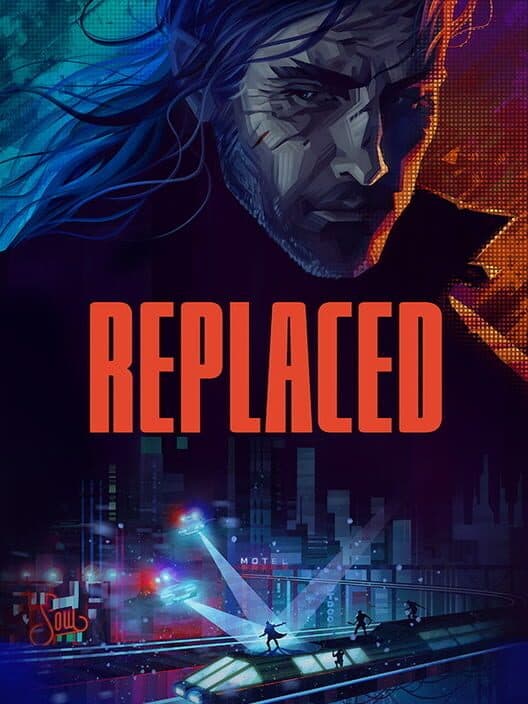
The short version? Replaced is one of the most striking cyberpunk pixel noir experiences I’ve ever touched – an outright love letter to Blade Runner’s mood and questions about humanity – wrapped around combat and platforming that eventually show their seams.
What Replaced actually is (and isn’t)
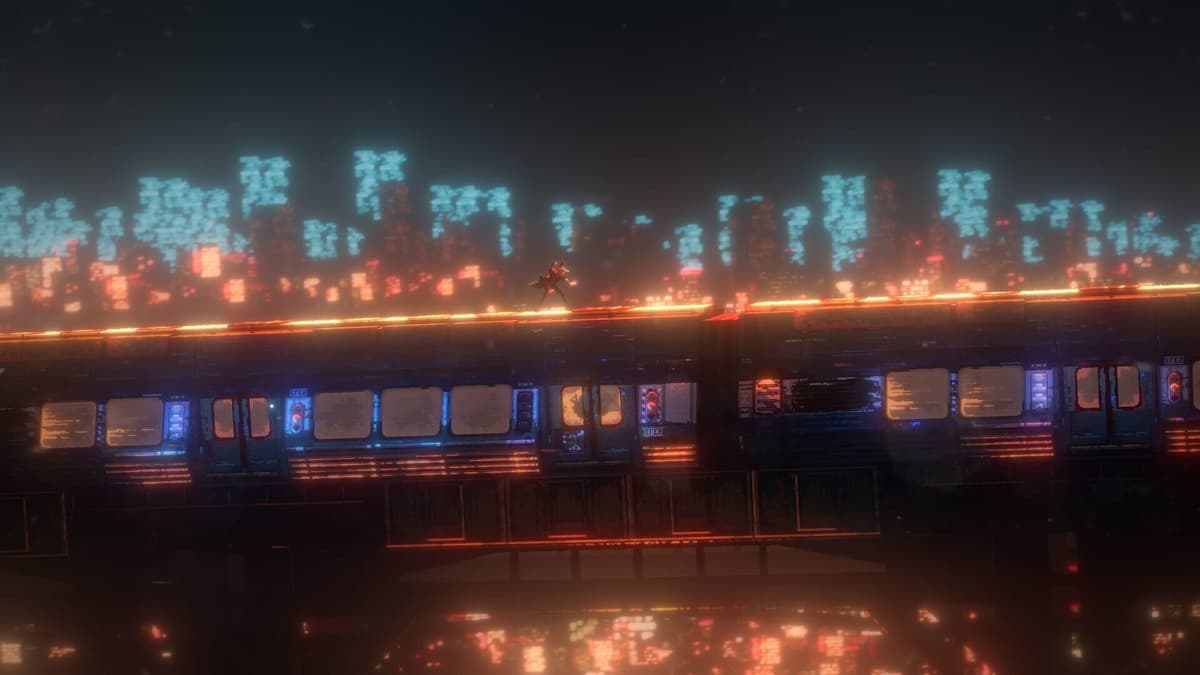
On the surface, Replaced is a 2.5D narrative action‑platformer set in an alternate 1980s America after a nuclear catastrophe, with a focus on Phoenix‑City and the corporate horror show surrounding the Phoenix Corporation.
You play as R.E.A.C.H., a sentient AI forcibly jammed into the body of a scientist named Rich. The core of the story is that identity collision: a cold, calculating AI gradually infected by human memories, guilt, and frailty. If you’ve ever watched Deckard and wondered how much of him is program and how much is soul, you’ll recognize the questions here immediately.
Structurally, the game flows like a very linear cinematic adventure with occasional detours:
- Tight, scripted platforming and parkour sequences
- Chunky, timing‑based melee combat arenas with some gunplay
- A hub‑like district where you pick up side tasks and talk to people
- Light puzzle & “detective” moments, mostly environmental and contextual
If you’re imagining Dead Cells or Hollow Knight levels of mechanical depth or a fully open detective sandbox, that’s not what this is. Think more along the lines of Inside and The Last Night teasers had a baby with Katana ZERO, but with a slower, noir‑y stride.
For better and worse, Replaced is laser‑focused on immersion, vibe, and story beats first, with gameplay existing in service of those things rather than trying to stand as an endlessly replayable system on its own.
Combat: cinematic, crunchy… and eventually repetitive
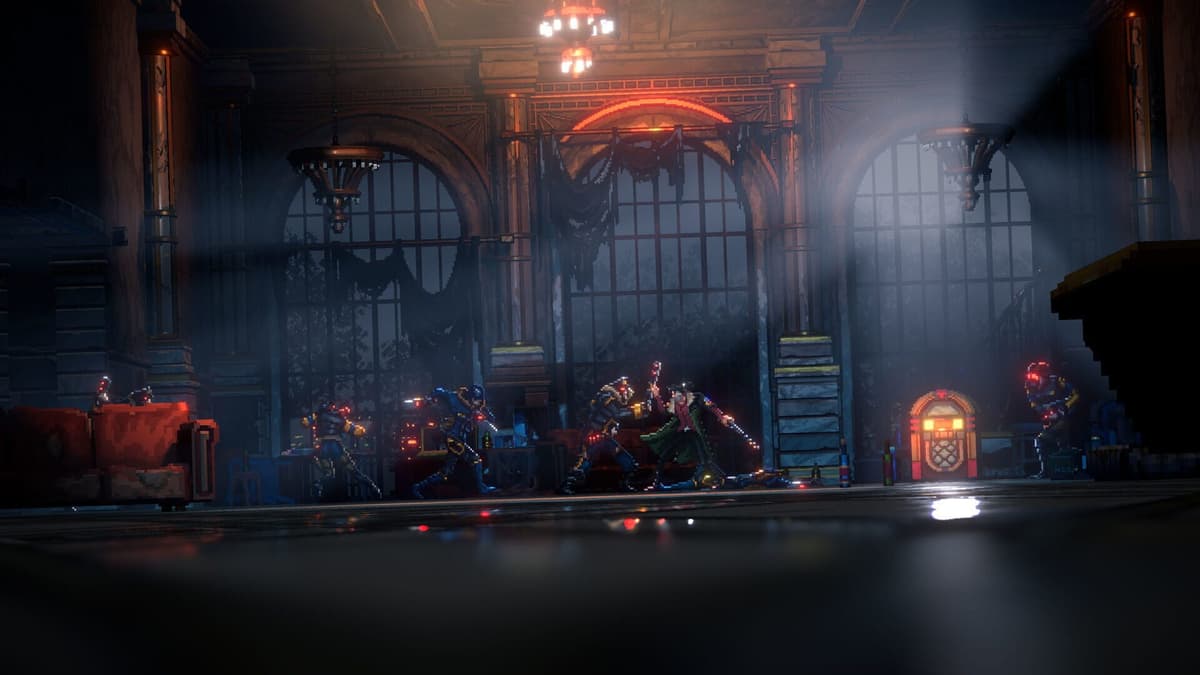
The first proper fight sold me instantly. R.E.A.C.H. pivots into a low stance, trench coat snapping, pixel raindrops slicing across the scene. A thug charges; I tap dodge and watch the AI blur past in a smear of frames, crack him in the ribs, then counter a second attacker with a vicious, almost martial‑arts throw. It feels mean in the best way.
Combat is fundamentally a timing game built around:
- Light and heavy melee attacks
- A well‑telegraphed parry system
- A dodge/roll with i‑frames
- Occasional firearm use for specific enemies or phases
Enemies telegraph clearly – glowing eyes before a shot, a little shoulder twitch before a swing – and a clean parry window turns your block into that glorious freeze‑frame execution you’ve seen in the trailers. When it’s flowing, it feels as slick as it looks. There’s a real weight to the hits; the screen shake and sound design nail that crunchy, low‑tech brutality.
The problem is that after a few hours, the move set barely evolves. You pick up a couple of extra tools, but there’s no real combo experimentation or build variety. Fights gradually become variations on “dodge the big guy, parry the fast guy, shoot the dude in the back,” repeated across different backdrops.
On Normal, I rarely felt pushed. I switched to Hard for the back third of the game and it did help – mistakes hurt more, and some arenas started to feel like actual puzzles in positioning and timing – but you’re still working with a pretty small toolset. Coming from something like Katana ZERO, where every room is a lethal little improv scene, Replaced feels more choreographed and less reactive.
There are also moments where the cinematic aspirations undercut responsiveness. A few times on PC, especially during crowded fights, I hit parry and got nothing – the animation just didn’t seem to register despite being in the window I expected. It wasn’t constant, but it happened enough that I noticed and started leaning more on dodges because they felt more reliable.
Still, when combat hits that sweet spot – a low‑lit rooftop, thunder rolling, enemies piling in from both sides while the soundtrack kicks up – it dishes out some of the best “AI wearing a human like a weapon” energy I’ve seen in years.
Platforming and exploration: cinematic more than skillful
Platforming in Replaced sits firmly in the “cinematic adventure” bucket. You’re running, sliding under debris, clambering up pipes, and doing the occasional mid‑jump grab or wall run, but this isn’t a game that’s going to ask for pinpoint platforming skills.
The camera is the real star here. It pulls back to show off parallax cityscapes when you sprint across a highway, then squeezes in tight for claustrophobic interior sections with flickering fluorescent lights and grime‑covered walls. There’s a gorgeous sequence early on where you’re moving through a ruined district as searchlights sweep overhead; the way the camera tracks your silhouette against collapsing structures feels ripped straight out of a storyboard.
Mechanically, though, you’re mostly doing straightforward left‑to‑right traversal with occasional “find the path” puzzles – shimmy along a ledge here, drop a ladder there. I only died a handful of times to platforming errors, and they were almost always from misjudging edge detection rather than any genuine challenge.
The game occasionally flirts with environmental puzzles – power routing, small locked‑door sequences, light stealth moments – but never really commits to that side of things. They exist to vary the rhythm between story beats and fights, not to scratch a puzzle‑solving itch.
Whether that’s a problem depends on what you want. I enjoyed the flow as a story geek, but as a platformer player, part of me wished the game trusted me with just a bit more mechanical complexity.
Story, characters, and that Blade Runner soul
The heart of Replaced is its story – and this is where it leans hard into being a pixel‑art Blade Runner homage without ever feeling like a knockoff.
Instead of neon Los Angeles and replicants, you get an alternate‑history 1980s America warped by nuclear disaster and corporate organ harvesting. Phoenix Corporation and its satellites control life, surveillance, and bodies themselves. The city is full of missing posters, hushed voices, and half‑legal clinics lit by dying CRT screens.
R.E.A.C.H., as an AI trapped in Rich’s body, gives the game an excuse to constantly interrogate what it means to be “someone” instead of “something.” Early on, there’s a quiet scene in a dingy apartment where you’re just walking around as the AI narrates Rich’s memories bleeding into its own thought process. A photo on a fridge, an old jacket, a busted TV – none of it is interactive in any traditional loot‑game sense, but the voiceover and framing imbue everything with that creeping question: which part of this is me?
It’s here the Blade Runner DNA shows the most. Not in flying cars or direct references, but in that slow burn of moral rot and personal confusion. The game doesn’t shy away from the uglier sides of body commodification either; some late‑game sequences are genuinely uncomfortable in how they depict humans as modular inventory.
The supporting cast is solid, if not especially surprising. You’ve got the hardened but soft‑centered allies in the resistance, crooked corporate types, and a few glimpses of ordinary people just trying to survive in the gaps between megastructures. Dialogue is mostly grounded, with just enough pulpy one‑liners to keep things from drowning in its own gloom.
The one thing I didn’t love is the pacing. The middle third slows down hard in the hub area with errands that feel more like padding than meaningful investigation. Fetch this, talk to that guy two alleys over, come back. The conversations are often interesting, but the rhythm takes a hit. It feels less like noir sleuthing and more like doing chores in the prettiest slum you’ve ever seen.
By the end, though, the story pulls itself together in a way that felt earned. There’s a particular late‑game decision that recontextualizes R.E.A.C.H.’s journey from observer to participant, and while I saw the broad strokes coming, the execution still hit me harder than I expected. This isn’t just AI philosophy wallpaper; it actually commits to a stance on what “replacement” really costs.
Visuals and audio: pixel art witchcraft
I don’t throw the word “best” around for visuals lightly, but Replaced is honestly some of the best pixel art I’ve seen in motion. Period.
It isn’t just the high‑res sprites. It’s the way the whole 2.5D world breathes. Foreground and background layers blur and sharpen as the camera tilts; neon signs reflect in windows at angles that shouldn’t be possible in this style; rain interacts with lighting in a way that constantly made me think, “there’s no way this is all sprite‑based,” even though it is.
Animations are absurdly fluid. R.E.A.C.H. has different contextual movement cycles depending on surface and speed – a careful, almost predatory walk in tight spaces, a messy sprint when things go sideways. Tiny character motions sell big emotional beats: a slight hesitation before opening a door, a little slump on a rooftop after a rough scene.
Environments sell the retro‑futuristic 80s vibe harder than any monologue. CRT monitors glow in shop windows; battered muscle cars sit rusting under holographic billboards; tiny screen‑within‑screen details hint at propaganda, black‑market ads, and local stories. I kept stopping just to read posters or watch background NPCs loop their little noir vignettes.
The soundtrack sits somewhere between synthwave and melancholic ambient. It’s not trying to be a playlist of bangers; it’s there to sink you into the rain‑soaked mood. There are a few standout tracks in combat segments where the percussion goes harder, but the real stars are the slower pieces that hum under quiet walks through Phoenix‑City’s backstreets.
Sound design ties it together: distant sirens, the crackle of old speakers, the wet slap of boots on concrete. Headphones recommended if you want that full “it’s 2am and I live here now” effect.
Performance, controls, and rough edges
On my PC (Ryzen 5, RTX 3060, 16GB RAM) at 1440p, Replaced ran at a mostly locked 60fps with everything maxed. I had a couple of minor hitches during some big set‑piece transitions, but nothing dramatic. Steam Deck fared better than I expected, too – locked to 40fps with medium settings, it felt great in handheld, and the dense pixel art actually benefits from the smaller screen.
Controller support is where the game feels most at home. Gamepad prompts are clear, the analog movement complements the animations, and parries feel natural on a face button. When I tried keyboard and mouse, it immediately felt… off. Keys are rebindable, but there’s a certain stiffness and occasional input weirdness in combat – especially with parries and diagonal movement – that never fully vanished for me.
Checkpointing is mostly fair, but there are a few stretches where failing near the end of a longer combat arena sends you back further than you’d like. Not rage‑quit bad, just mildly “why am I redoing the first 30 seconds again?” annoying. The game isn’t brutally hard, so it’s more an immersion break than a real punishment.
I hit one scripting bug where a cutscene refused to trigger after a fight, leaving me stuck in an empty arena. Reloading the checkpoint fixed it instantly, but it’s worth mentioning. Outside of that, my playthrough was surprisingly clean for a small‑team, visually ambitious indie launch.
Who Replaced is really for
After credits rolled and I sat listening to the rain on that final screen, I realized Replaced isn’t trying to please every type of action fan. It’s unapologetically aimed at a certain type of player.
- If you love cyberpunk noir for the mood, moral rot, and “am I still me?” questions more than for buildcrafting, this is built for you.
- If you still think about Blade Runner, Ghost in the Shell, or Snow Crash years after first contact, you’ll find a lot of thematic comfort (or discomfort) here.
- If you’re okay with a 8–10 hour, relatively linear experience that puts story and aesthetics over mechanical depth, it’s an easy recommendation.
On the other hand, you might bounce off if:
- You’re looking for a deep combat system with progressing skill trees, weapons, or builds.
- You want platforming that tests reflexes and precision the way a hardcore metroidvania does.
- You have zero patience for slow stretches of dialogue or hub‑area errands between the flashy stuff.
For Game Pass players, this is almost a no‑brainer download. For everyone else, the asking price feels fair for the amount of craft and atmosphere on display, but it’s worth calibrating expectations: you’re paying for an interactive neon‑noir film with solid but not transcendent mechanics.
FinalBoss // Gear
Level up your setup
01Top-rated gaming headsetson Amazon→02High-refresh gaming monitorson Amazon→03Gaming chairson Amazon→04Discounted game keyson Kinguin→Affiliate links · As an Amazon Associate, FinalBoss earns from qualifying purchases.
Want to Level Up Your Gaming?
Get access to exclusive strategies, hidden tips, and pro-level insights that we don't share publicly.
Ultimate Reviews Strategy Guide + Weekly Pro Tips