
Table of Contents (8)
Game Pass Has Made My Time More Expensive Than My Money
Scrolling through Game Pass these days feels like walking into an all‑you‑can‑eat buffet when you’re already full. Technically, everything is “free” once you’ve subbed. In reality, the real currency is your attention span and whatever scraps of free time adulthood hasn’t chewed up yet.
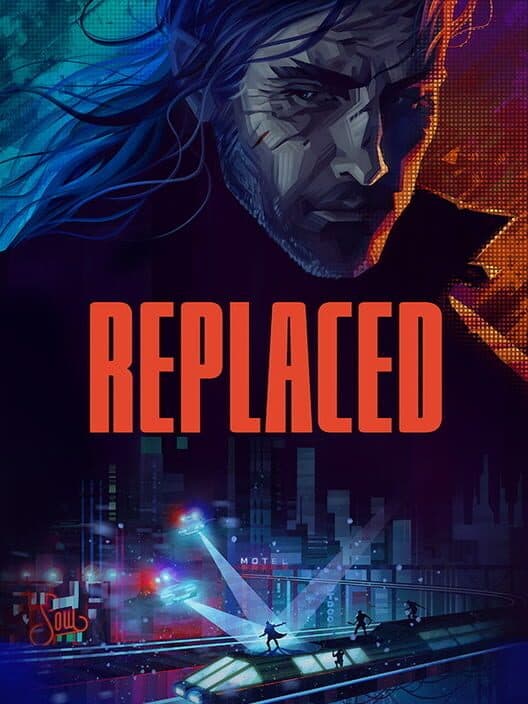
That’s exactly where Replaced slammed into my life. I’d been side‑eying this thing since its first trailer back in 2021 – that jaw‑dropping 2.5D pixel art, the smooth camera pans, the neon‑drenched alternate ’80s America. It looked like someone had stitched together my love of pixel art SNES games and my obsession with moody cyberpunk flicks. Then delays. Then more delays. I quietly moved it into the mental folder labelled “probably never coming out.”
Suddenly, after almost five years of waiting, it drops: day one on Xbox Game Pass, on Series X|S and PC. Zero extra cost. Just sitting there on my home screen, flexing those trailers at me like, “You’ve got no excuse now.”
Except I do have an excuse: I’m tired of games that look like prestige TV intros and then play like a mobile quick‑time event. I’m tired of downloading every hyped indie on Game Pass “because it’s free,” bouncing off after an hour, and forgetting it exists. Being on Game Pass doesn’t automatically make something worth my time; it just lowers the paywall on disappointment.
So with Replaced, I went in suspicious. Visually, it looked almost too good to be true. And the question I kept coming back to was simple: not “Is it worth the money?” but “Is this cyberpunk indie actually worth carving 10 hours out of my life for?”
Replaced Is the First Time in a While I Stopped to Just Watch
I don’t usually pause in the middle of a game just to admire the background. I’m the guy mashing “skip” on cutscenes I’ve seen once, sprinting through hubs, side‑eyeing anything that smells like “prestige narrative experience” without enough game underneath it.
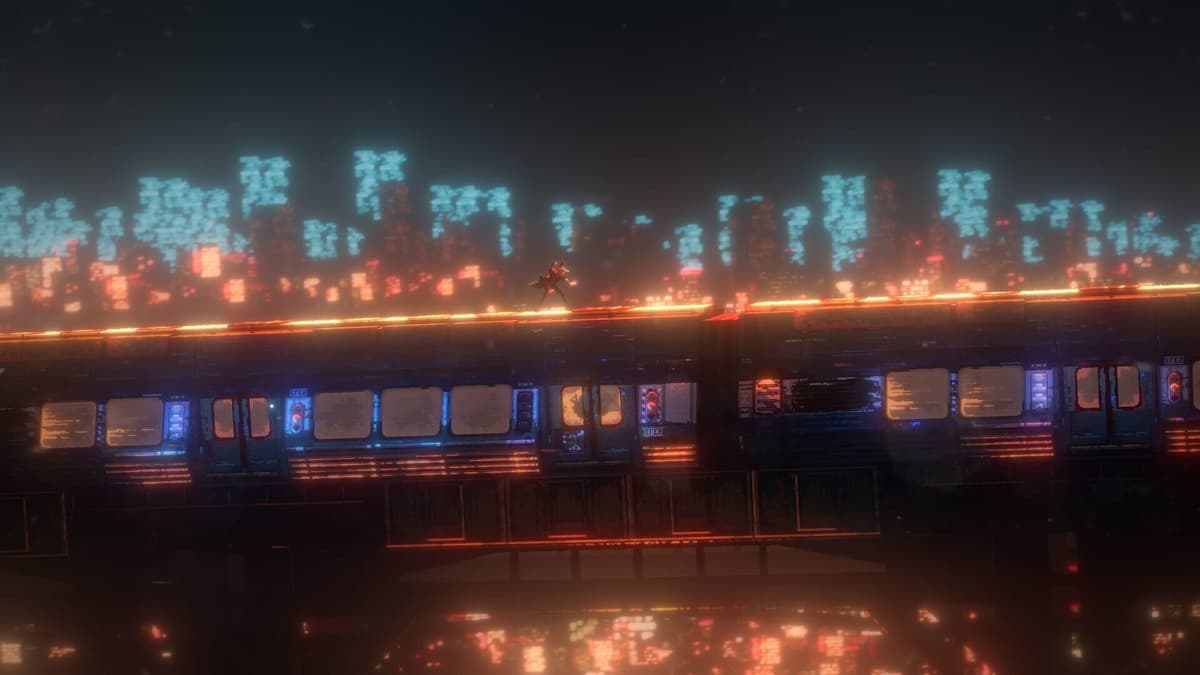
Replaced forced me to slow down. Not with unskippable cutscenes, but because the world is obscene in how meticulously it’s put together.
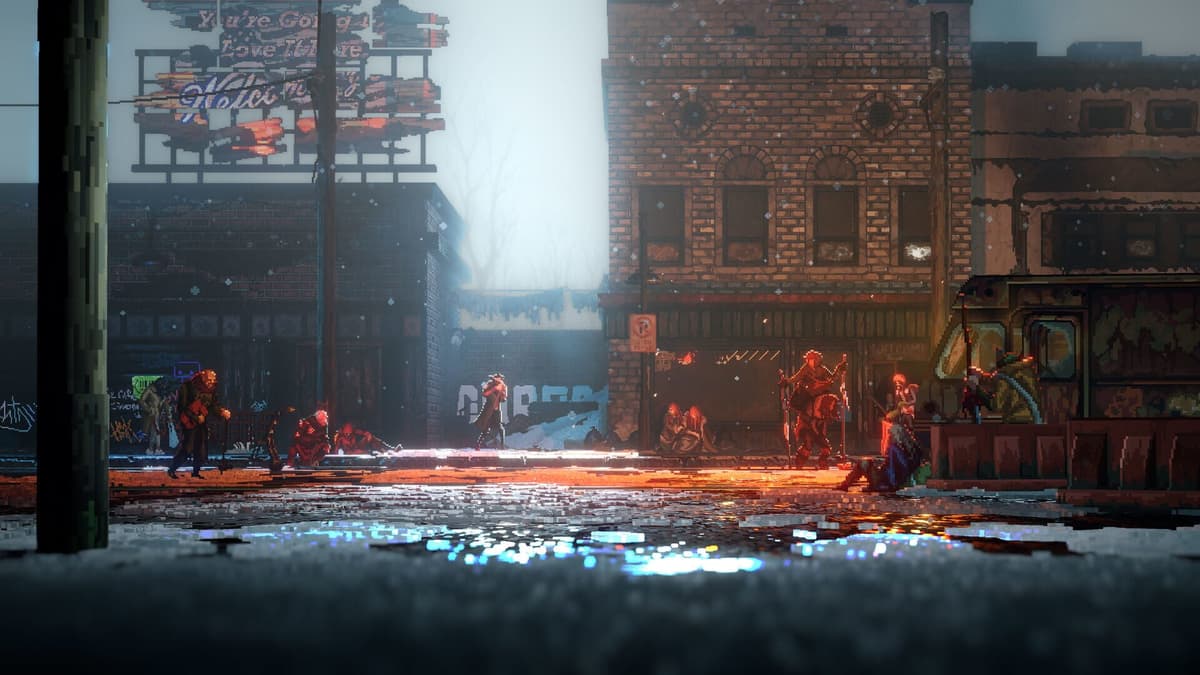
This is a retro‑futuristic, alternate 1980s Phoenix‑City, a kind of post‑apocalyptic America where megacorps sell organs like hardware upgrades and the whole place feels like it’s rotting from the inside. Sad Cat Studios went for a 2.5D look: pixel art characters moving through layered, semi‑3D environments, lit like a noir movie and shot like a summer blockbuster.
And when I say “shot,” I mean it. The camera work in this thing is closer to cinema than most games that market themselves as “cinematic experiences.” You get these tracking shots gliding past ruined cityscapes, long takes through crowded bars filled with shady-looking silhouettes, and dynamic angles that shift mid‑scene like a director calling for a new lens. It’s not just pretty; it’s deliberate.
As you walk, you’re constantly catching little bits of worldbuilding in the frame: propaganda posters on crumbling walls, news clippings hinting at the nuclear catastrophe that broke this version of America, flickering neon signs advertising human upgrades in the same tone we’d use for a phone contract. It feels less like a game level and more like wandering through someone’s very angry illustrated novel.
People have been throwing around phrases like “cinematic masterpiece” about Replaced, and for once that doesn’t feel like marketing fluff. You can absolutely see why it racked up over a million wishlists on Steam before it even launched. This is the sort of art direction that makes AAA teams look embarrassing. All that Ubisoft money and it’s the small Belarusian‑born indie team that drops one of the cleanest visual identities in cyberpunk in years.
Cyberpunk 2077 had scale. Replaced has focus. Every frame feels composed. It’s like the difference between a big‑budget Marvel city shot and a meticulously framed scene from a Denis Villeneuve movie. One is loud; the other lingers in your head.
An AI Trapped in a Human Meat Suit That Actually Feels Fresh
The other thing that pulled me out of my Game Pass paralysis is the premise. You play as an AI – R.E.A.C.H. – that ends up stuck inside a human body, caught up in a conspiracy involving organ harvesting, corpo thugs, and the inevitable fallout of trying to cram something non‑human into a skull that wasn’t built for it.
On paper, “AI wrestles with identity” doesn’t sound revolutionary. We’ve seen it to death in sci‑fi, and games love pretending they’re saying something deep about consciousness while they funnel you down hallways full of disposable mooks. I went in expecting the same handful of tired questions: What is humanity? What is free will? Yawn.
What Replaced does better than most is ground those themes in an actual noir thriller. This is an 11–ish hour story that’s trying to be an old‑school crime drama first, philosophising second. The AI angle is baked into the pacing and the character interactions, not just dropped in during monologues.
You’re not just some omnipotent machine god having lofty thoughts about existence. You are painfully limited. You feel the body’s fragility when you get dropped in combat. You feel the awkwardness of navigating human relationships when you’re essentially a glorified operating system pretending to care. The way the protagonist moves, hesitates, and reacts sells that tension between something cold and logical and the messiness of the meat they’re wearing.
Where a lot of cyberpunk ends up as aesthetic wallpaper for generic uprisings and hacker resistance clichés, Replaced is more interested in the intimate fallout: who gets exploited, who sells out, who gets literally carved up to keep the system running. You’re not overthrowing capitalism in 10 hours. You’re just trying to survive it – and figure out where the hell you, as an artificial mind, even fit into this hierarchy of human misery.
The writing isn’t flawless, but it’s tighter and more self‑aware than I expected from a first game. There are slow stretches where it indulges in its own moodiness a bit too much, but when it lands a beat, it really lands it. And crucially, it never feels like it’s winking at you going, “See? We’re smart, right?” It just lets the world and its consequences speak.
Gameplay: The Beautiful, Slightly Shallow Pool
Now we get to the part everyone was side‑eyeing from the trailers: how does it actually play when you pick up the controller?
Replaced is fundamentally a 2.5D action‑platformer. You’re running, jumping, clambering over obstacles, and punching people in the teeth in between story beats and exploration. On paper, it’s a simple recipe: platforming, light puzzles, reactive combat, some hub‑based side content. Nothing revolutionary, but if done well, enough to carry an 8–12 hour campaign.
The issue is that different people are coming out of it with very different takes on how satisfying that mix actually is. And I get why.
When it clicks, the combat feels great. Parrying a swing, dodging a bullet, and counter‑attacking with a brutal finisher, all framed by those dynamic camera moves, can be incredibly slick. It’s like someone watched the elevator scene from Drive and said, “Make that playable.” There is a rhythm to it that, for a few glorious minutes at a time, makes you feel like a hyper‑competent assassin trapped inside this very breakable body.
But once you strip away the presentation? The mechanics themselves are pretty basic. You’re reading telegraphed attacks and responding in a kind of Simon Says pattern: block the heavy, dodge the projectile, punish the opening. It never reaches the mechanical depth of something like a dedicated action game or even the weirder combat systems you find in some indie darlings. It’s good enough, but it’s not the sort of system you can chew on for hours just for the joy of mastery.
Platforming has the same problem. It’s competently done, and occasionally the level design throws you a really cool set piece – sprinting across collapsing structures, navigating dangerous machinery, that sort of thing – but we’re not talking about Celeste-level finesse here. If you come in hoping for hardcore precision challenges, you’re in the wrong dystopia.
Some reviewers have called this “a gorgeous playable movie,” and that’s not entirely unfair. The variety is there on paper: sneaking, climbing, brawling, light puzzle solving, talking to NPCs in hubs. Over the course of a roughly 10‑hour run, it moves through enough different scenarios that I never felt completely stuck in a rut. But the underlying systems are more “solidly serviceable” than “revolutionary.”
Here’s where it becomes a personal taste thing. If you need your cyberpunk to come with deep mechanical systems and endless buildcrafting, you’re going to bounce off this pretty fast. If you can live with simple, responsive interactions that exist primarily to keep the story and pacing moving, the trade‑off might work for you.
The Slow Burn Problem: Pacing vs. Game Pass Attention Spans
Replaced is a slow burn, especially up front. Not glacial, but deliberate. It takes its time settling you into Phoenix‑City, letting you soak up the atmosphere, drip‑feeding you clues about what went wrong here and why R.E.A.C.H. waking up in this body is such a powder keg.
Personally, I liked that simmer. It fits the noir vibe: the feeling that you’re poking slowly at something rotten under the floorboards, not exploding your way into the CEO’s penthouse in the first hour.
But this is where Game Pass actually works against it a bit. When you can bounce at any moment to something immediately gratifying – some big shooter, a roguelike, a live‑service treadmill – it takes discipline to sit with a game that’s more interested in building dread than spamming dopamine right away. I can absolutely see people tapping out before the story and the stakes fully kick in, filing it mentally under “style over substance” and moving on.
That would be a mistake, but it’s a predictable one. The truth is that Replaced expects you to meet it halfway. It’s not trying to be a 40‑hour epic, and it’s not front‑loading its best tricks. It knows it has about 8–12 hours to tell a complete, self‑contained tale, and it builds toward that instead of begging you to stay forever.
In an era of bloated, half‑finished open worlds where “content” is just map icons vomiting into your face, I actually find that restraint refreshing. But if your patience for slow pacing has been nuked by years of FOMO‑driven live‑service design, you’ll feel the friction.
Technical Stability: The Dog That Didn’t Bark
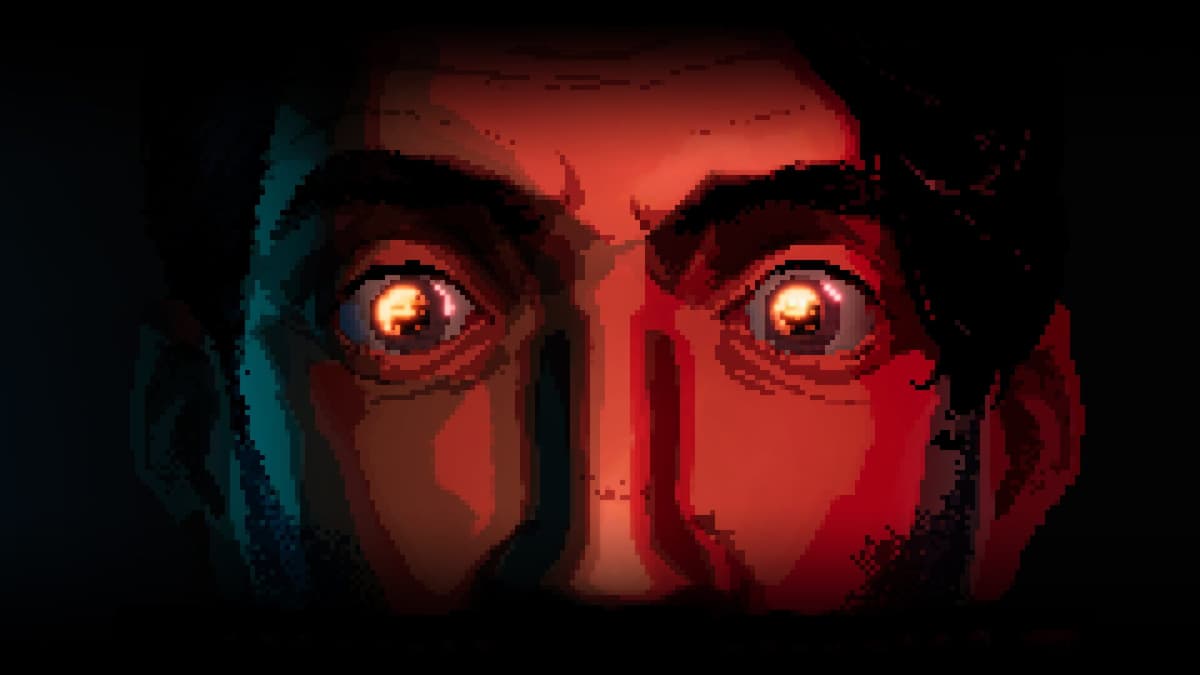
One thing I need to call out, because it’s become depressingly rare: Replaced launched… kind of just working.
No catastrophic bugs dominating social media. No “we’ll fix it in six months” patch roadmap just to make it playable. On Game Pass day one, it feels like an actual, finished game. In 2026, that’s almost rebellious.
For a small studio’s debut project, in a genre where busted launches are basically a meme at this point, that alone earns it some respect. It means when I recommend it, I’m not gambling your time on the hope that maybe, eventually, it’ll become the game it was supposed to be. This is it. It’s here. It works.
So, Is Replaced Worth Your Time on Game Pass?
This is where I draw a clear line.
If you judge every Game Pass game purely on “It’s free, just download it,” you’re missing the point. Time is the scarce resource. You could spend those 10 hours grinding weekly challenges in some live‑service sludge, replaying comfort games, or just touching grass for once. So does Replaced earn those hours?
For me, yes – and not in a lukewarm “sure, why not” way. Replaced is one of those rare Game Pass drops that actually justifies dropping everything else for a few evenings, especially if any of the following hits home:
- You care about art direction and atmosphere enough to forgive simple mechanics.
- You’re hungry for a self‑contained cyberpunk story that isn’t 80 hours of bloat.
- You miss games that feel authored – like someone actually designed the experience instead of procedurally generating your to‑do list.
If your whole thing is mechanical depth, endless progression, or ultra‑challenging platforming, it’s probably not going to change your life. You’ll appreciate the visuals, maybe enjoy a few hours, and then silently uninstall once the combat loop stops evolving. And that’s fine. Not every game needs to be your new obsession.
But as a focused, roughly 10‑hour noir cyberpunk thriller with absolutely killer presentation, a genuinely cool AI‑in‑a‑meat‑suit hook, and the confidence to end before it outstays its welcome? Replaced more than earns its place in the Game Pass rotation.
Honestly, the biggest compliment I can give it is this: it broke the Game Pass curse for me. Instead of treating it like another disposable experiment, I treated it like an actual event – the same way I would if I’d dropped twenty bucks on it on Steam. I sat with it, let it breathe, and engaged with it on its own terms.
And when the credits rolled, I didn’t feel like I’d wasted my backlog time. I felt like I’d just watched a damn good cyberpunk movie that happened to let me step inside the frame and bleed a little.
If that sounds like the kind of experience you actually want out of Game Pass – not another endless treadmill, but a sharp, memorable hit of something distinct – then yes, this cyberpunk indie is absolutely worth your time.
Related Guides
- Replaced is a cyberpunk pixel noir love letter to Blade Runner… with a catch
- Replaced: How to Beat Every Chapter – Complete Story Walkthrough
- Replaced: Chapter 2 Walkthrough – Station Hub, Tempest & Termites
- Replaced: How to Beat Chapter 5 – Full Walkthrough & Boss Guide
FinalBoss // Gear
Level up your setup
01Best-selling Xbox Series X|S gameson Amazon→02Xbox controllerson Amazon→03Top-rated gaming headsetson Amazon→04Discounted game keyson Kinguin→Affiliate links · As an Amazon Associate, FinalBoss earns from qualifying purchases.
Want to Level Up Your Gaming?
Get access to exclusive strategies, hidden tips, and pro-level insights that we don't share publicly.
Ultimate Gaming Strategy Guide + Weekly Pro Tips