
Slay the Spire 2 adding co-op isn’t just “more players, more cards.” It quietly turns one of the most solitary, thinky roguelikes into a four-player strategy board game – with strict rules around who you can play with, how runs are saved, and how brutally enemies scale to punish sloppy teams.
- Up to 4 players only, friends-only: Online co-op runs through private Steam lobbies – no matchmaking, no local co-op, no randoms.
- One host, one shared run: The host owns the multiplayer save; everyone else is a guest. Progression and rewards stay individual.
- Shared combat, individual decks: All players act in the same turn against the same enemies, but keep separate decks, relics, gold, and energy.
- Enemy difficulty scales hard: Health and damage ramp with each extra player, turning co-op into a coordination test, not an easy mode.
Table of Contents (6)
This co-op is built for tight friend groups, not randos
Let’s get the basics of Slay the Spire 2 co-op explained (up to 4, invite-only, shared combat + scaling) before you drag your whole Discord in.
- Platform & connection: Co-op is online-only and PC-only right now, running through Steam networking. There’s no couch co-op or split-screen.
- Private lobbies only: To play together, you must be Steam friends. The host invites from their friends list; there’s no public matchmaking or password browser.
- Max 4 players: You can run anything from a duo to a full four-player squad. You can even all pick the same character if you want four Ironclads punching everything.
This isn’t a live-service, “match with three strangers in 10 seconds” design. It’s deliberately closer to a scheduled game night. That cuts out griefing and loot drama, but if you were hoping to ladder co-op runs with randoms, this mode simply doesn’t exist for you.
Hosting, joining, and the save rules that actually matter
Co-op isn’t just your solo save with extra people stapled on. The game treats a multiplayer campaign as its own thing, and the ownership rules are strict.
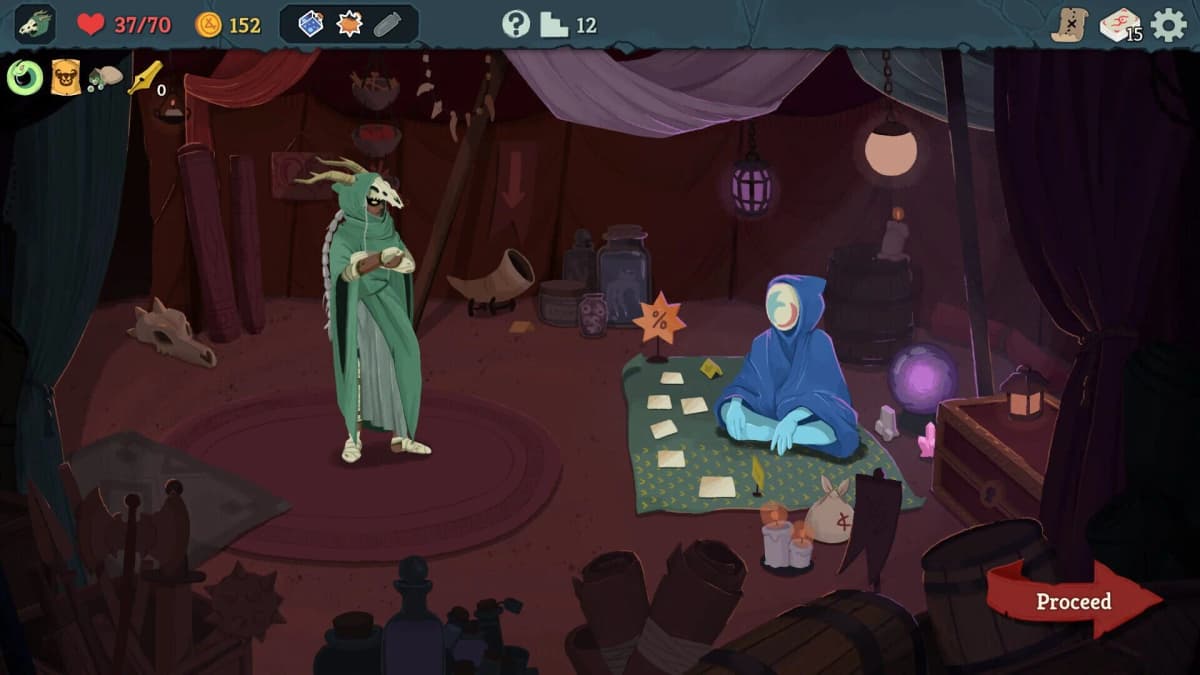
- Starting a co-op run (host): From the main menu, the host selects Multiplayer and chooses to host a game. This creates a multiplayer-specific save tied to their profile.
- One hosted campaign per profile: Each account can only have one active hosted co-op campaign. If the host wants to start fresh, they’re effectively shelving the old run.
- Joining a run (guests): Guests go to Multiplayer → Join and accept the Steam invite. They pick any unlocked character; duplicates are allowed.
- Host-dependent progress: The run lives on the host’s machine. If the host isn’t online, guests can’t continue that campaign on their own.
Under the hood, the game is saying: this is one shared adventure, curated by one person. It avoids all the ugly edge cases of fully shared accounts, but it also means your group’s long-term campaign lives or dies on whether the host keeps logging in.
On the progression side, the game keeps things surprisingly clean:
- Decks and inventories are personal: Each player has their own deck, relics, potions, gold, and energy. No one can steal your rewards.
- Rewards are per-player: After fights and events, everyone individually chooses their cards, relics, or options. You’re not rolling on a shared loot table.
- Separate multiplayer Ascension: Co-op has its own Ascension ladder, and the party’s difficulty is capped by the lowest level in the group. If you’re A10 and your friend is A0, the run plays at 0.
That last rule is the one hardcore players will side-eye. It makes it easy to bring new friends in, but veterans who live for high Ascension climbs will either need a separate sweaty group or accept “tourist mode” runs when they’re carrying newbies.
Inside a four-player fight: shared turn, separate energy
Combat is where co-op either sings or collapses into chaos, and Mega Crit went for something pretty aggressive: everyone shares the same turn.

- One party turn, multiple hands: When combat starts, the whole team enters a single “player” phase. Each player draws their own hand and has their own energy pool.
- Act whenever, in any order: There’s no fixed turn order. You can wait to see what your teammates do, or start playing your cards immediately. You’re all manipulating the same battlefield.
- Everyone must end the turn: The round only passes to the enemies when every player hits End Turn. One indecisive friend can stall the entire fight.
- Shared enemies and intents: You all see the same enemies and their upcoming actions. Attacks, debuffs, blocks, and buffs play out on a single shared set of foes.
- Team support is baked in: Some cards and effects can shield, buff, or heal allies, turning support-style decks into real roles instead of just “damage with extra steps.”
The result feels less like four parallel runs, more like one complicated puzzle with four brains poking at it. Great if you’re in voice chat and everyone’s engaged; miserable if one player is tabbed out or doesn’t really understand their deck yet.
Scaling, synergy, and why co-op can feel harder than solo
To stop co-op from being an easy mode where you drown enemies in extra cards, Slay the Spire 2 ramps enemy stats as the party grows.
- More players = tougher enemies: Enemy health and damage scale with the number of players. A four-player party is fighting significantly nastier versions of the same encounters.
- Damage can hit the whole party: Many attacks and effects care about the group, not just a single hero. Spread damage and multi-target hits matter more when four life totals are on the line.
- Misplays are magnified: Because you share a turn, wasted energy, poor targeting, or bad timing don’t just hurt you – they undercut everyone’s plans.
This is the uncomfortable bit the PR doesn’t emphasize: in practice, co-op often feels harder than solo, especially with three or four players. Co-ordinating four decks, four relic spreads, and four brains is the real difficulty curve, more than the Ascension number.
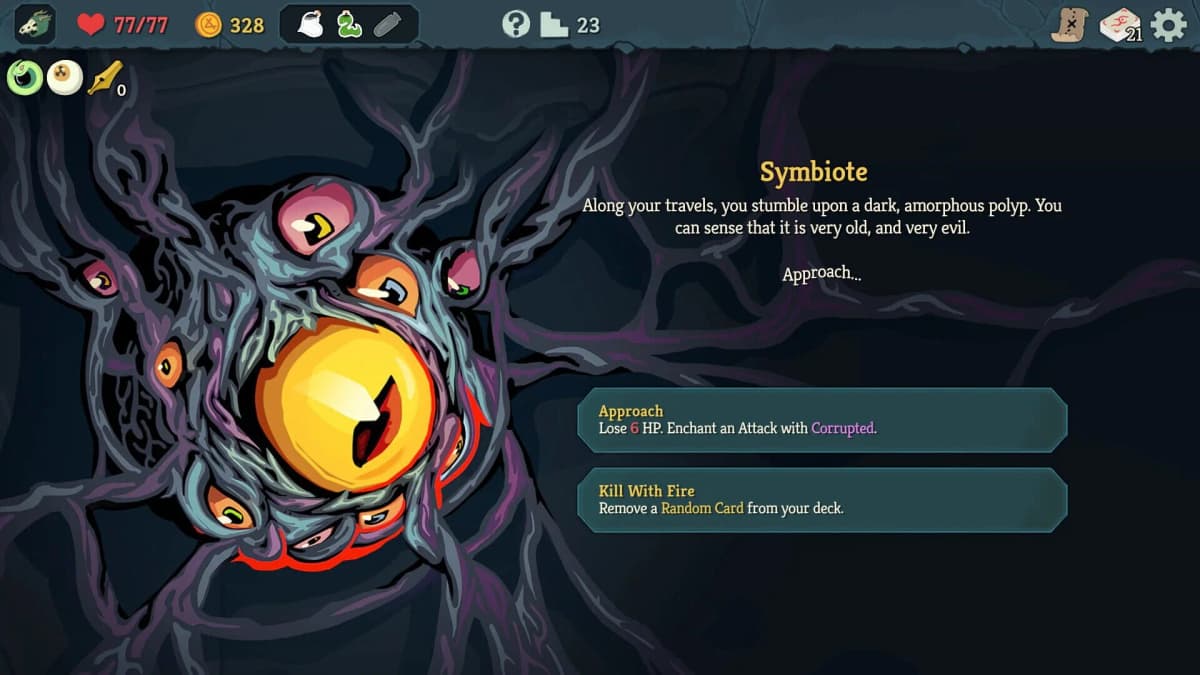
The upside is huge ceiling for strategy. You can build:
- Dedicated tanks funneling block and taunts.
- Pure support builds stacking buffs, card draw, or healing on allies.
- Combo engines that need protection but delete bosses when set up.
The downside: if your group can’t commit to at least decent communication — ideally voice — this can devolve into people silently spamming cards and hoping it works out.
What to watch next
Slay the Spire 2 is still in early access, which means this system is a first draft with room to move. The pressure points to keep an eye on:
- Lobby flexibility: Whether Mega Crit ever allows more than one hosted campaign per profile, or lets runs migrate between hosts, will decide how “serious” long-term co-op campaigns can be.
- Matchmaking or stay private-only: Right now the design is clearly “friends-only or nothing.” If that changes, a lot of the game’s social and balance assumptions change with it.
- Enemy scaling numbers: If four-player runs feel mathematically oppressive, expect balance passes on HP/damage scaling and maybe more team-focused tools.
- Multiplayer-specific modifiers: Separate Ascension for co-op exists; the question is how far Mega Crit leans into multiplayer-only challenges or mutators.
TL;DR and a practical recommendation
Slay the Spire 2’s co-op is a four-player, invite-only mode built for organized friend groups, not quick matches with strangers. One host owns the save, everyone keeps their own deck, relics, and rewards, and you all play on a single shared turn while enemies scale up aggressively with each extra player. If you’re jumping in, treat it like a strategy board game night: get everyone on voice, start at a lower Ascension than you think you need, and expect the real challenge to be coordination, not just the monsters in front of you.
FinalBoss // Gear
Level up your setup
01Top-rated gaming headsetson Amazon→02High-refresh gaming monitorson Amazon→03Gaming chairson Amazon→04Discounted game keyson Kinguin→Affiliate links · As an Amazon Associate, FinalBoss earns from qualifying purchases.
Want to Level Up Your Gaming?
Get access to exclusive strategies, hidden tips, and pro-level insights that we don't share publicly.
Ultimate Gaming Strategy Guide + Weekly Pro Tips