
The first time Slay the Spire 2 punishes you for a sloppy hallway fight, the rules feel almost mean: there is no dependable “heal button” here. Healing is a scarce, run-dependent resource, and the players who survive are the ones who plan around that fact instead of waiting for a recovery they can trigger on demand.
Table of Contents (11)
The short version
- Rest Spots are your most reliable heal. Choose
Restat a campfire node and you restore a percentage of your missing HP — not a flat amount and not a full heal. - Rest Spots are not guaranteed. They appear sporadically and at random spots on the map, so route planning is part of healing.
- Ironclad self-heals. The starting relic Burning Blood restores 6 HP at the end of every combat, the cleanest built-in sustain in the game.
- Potions are a bailout, not a plan. They are one-use and you can carry only three at once.
- Prevention beats recovery. Block, Weak, and clean kills are HP you never have to spend.
In Slay the Spire 2, healing is not routine maintenance — it is a premium resource. A rough fight where you take 12 extra damage is not just a bad turn; it can force a campfire Rest, change your route, and cost you a future upgrade. Assume recovery is scarce and build your deck, route, and campfire choices around that.
Rest Spots and campfires: your most reliable heal
The most dependable healing source is the Rest Spot, a campfire node on the map. When you reach one you normally choose between Rest and Smith. Rest restores a percentage of your missing health — so it heals more when you are badly hurt and less when you are near full. Smith upgrades a card instead. Every heal therefore costs you a permanent deck improvement, which is exactly what makes the choice hard.

Clicking Smith feels great because upgrades snowball your whole deck. Clicking Rest feels defensive because it does not make the deck stronger on paper. But if your HP is low enough that one bad draw, one multi-hit enemy, or one elite opener can end the run, Rest is the correct pick. A dead deck gets no value from upgraded cards.
The catch is that Rest Spots appear sporadically and at random map locations — you cannot count on one showing up the moment you want it. That turns route planning into part of your healing strategy. A path with a campfire before an elite is dramatically safer than a greedier path that offers one more reward but no recovery window.
Rest when
- Your current HP does not comfortably survive the next elite or boss.
- Your defense is shaky and depends on drawing the right cards in the right order.
- You have no healing potion and no reliable sustain to recover from a bad fight.
- A stretch of multiple combats sits between you and the next safe node.
Smith when
- Your HP already clears the next danger threshold with room for a messy fight.
- An upgraded key card will cut incoming damage, not just add output.
- Your route after the campfire is relatively safe.
- You already have backup sustain and need no immediate recovery.
The rule that holds up: Rest when survival is in doubt, Smith when your HP already buys you time. If you are still learning where the danger spikes are, your campfire decisions get easier once you understand how the difficulty ramps — see our breakdown of how Ascension works in Early Access.
Other ways to heal in Slay the Spire 2
Ironclad’s Burning Blood is the cleanest built-in sustain
Ironclad has the most straightforward sustain in the game thanks to Burning Blood, the class starting relic, which heals 6 HP at the end of every combat. That smooths out the chip damage from ordinary fights and makes small mistakes far less punishing across a long act. It will not make Ironclad immortal against burst, but it quietly keeps your HP topped up between elites. If you are still working through the roster, our guide to unlocking every character fast covers the unlock order.

Potions can save a run, but they are limited
Healing can also come from potions, but they are not a stable plan: they are one-use and you can hold only three at once. Treat a healing potion as a tactical bailout before a known danger spike, not as permission to keep eating damage. There is also an inventory lesson here — do not hoard weak potions so hard that a full belt blocks a stronger drop later. If you are sitting on mediocre utility, spending one before a dangerous fight beats dragging dead weight into the next act.
Relics and events add sustain when a run offers them
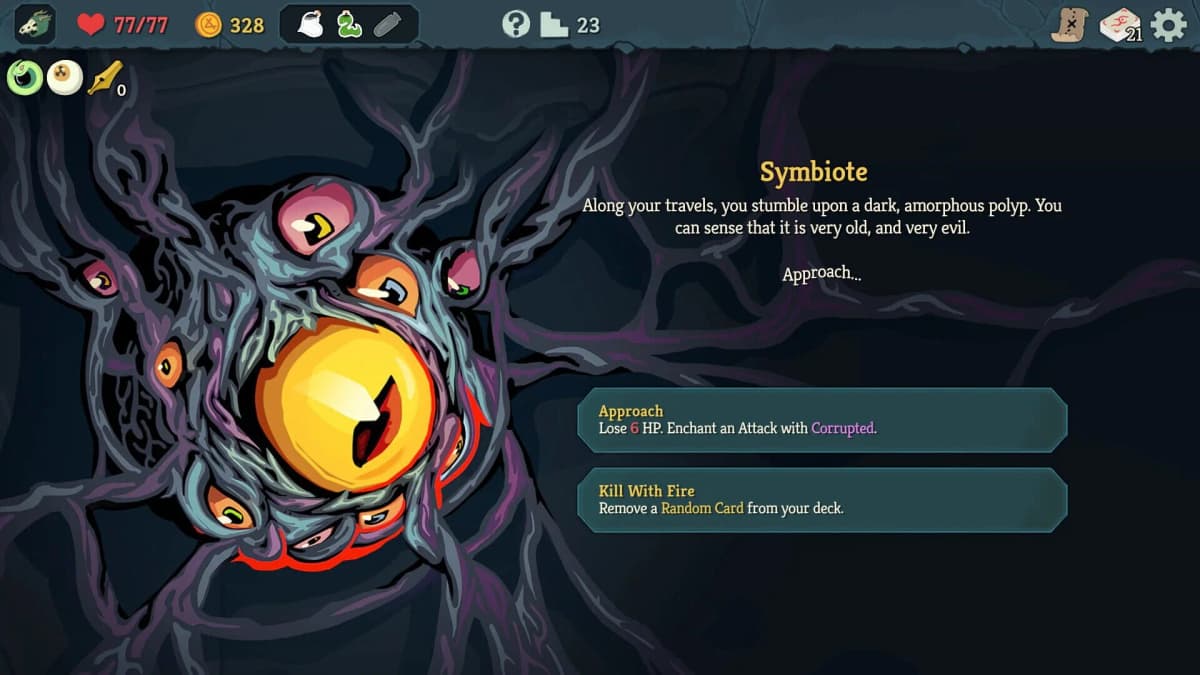
Beyond campfires and Burning Blood, recovery shows up through run-dependent sources such as relics and events. Take that healing when it appears, but build around it as upside, not as the backbone of a run. If a relic or event offers a heal, great — fold it into your plan, but never assume one is coming. The two pillars you can actually rely on are the campfire decision and Ironclad’s 6 HP combat-end sustain.
Smart healing means preventing damage first
The best health strategy in Slay the Spire 2 is not “find more healing” — it is “need less healing.” That changes how you draft and route. A deck that blocks cleanly, applies Weak, or kills dangerous targets before they swing is worth more than a deck that only looks explosive when every draw lines up.
- Prioritize reliable block early. Frontloaded defense prevents the chip damage that quietly ruins acts.
- Respect elites when your HP is low. Skipping one elite often beats dying with an upgraded deck.
- Draft for consistency, not highlight turns. A smoother deck takes less random damage.
- Spend healing items before a forced danger spike. Bosses and elite chains are where hoarded recovery should go.
- Route toward campfires when you are fragile. Map reading is part of healing here.
In a system where recovery windows are rare, avoiding 10 damage now is often worth more than a future potion you may never find.
Common mistakes
- Smithing at every campfire. The best upgraded card does nothing in a dead run.
- Assuming more healing will show up later. Rest Spots are random — play the run you have.
- Ignoring small damage in hallway fights. Five here and seven there is how a safe elite becomes a panic Rest.
- Overvaluing pure damage cards early. If your deck cannot stop incoming hits, your HP total is your real resource.
- Hoarding potions forever. You can only hold three, and they win fights — they are not trophies.
Practical takeaway
Slay the Spire 2 rewards disciplined HP management far more than last-second recovery. Look at your current HP before your dream upgrade, scan the next few nodes for elites and whether a Rest Spot follows, and choose Rest the moment one bad fight puts you in death range — otherwise Smith. Let Burning Blood carry chip damage if you are on Ironclad, save your three potion slots for danger spikes, and treat relic- and event-based healing as a bonus. Plan around campfires, value prevention, and spend heals to keep the run alive rather than because they feel efficient.
FinalBoss // Gear
Level up your setup
01Top-rated gaming headsetson Amazon→02High-refresh gaming monitorson Amazon→03Gaming chairson Amazon→04Discounted game keyson Kinguin→
Affiliate links · As an Amazon Associate, FinalBoss earns from qualifying purchases.
Want to Level Up Your Gaming?
Get access to exclusive strategies, hidden tips, and pro-level insights that we don't share publicly.
Ultimate Guide Strategy Guide + Weekly Pro Tips