
Unknown Worlds is trying to clean up two messes at once: a community-relations problem it absolutely created, and a creature-balance problem players were already feeling in their bones. The apology is the easy part. The harder part is proving that Subnautica 2 can stick to its no-weapons philosophy without making every bad predator encounter feel like the game is wasting your time.
That distinction matters, because the studio has not really changed its design stance. It is not suddenly turning Subnautica 2 into a combat sandbox where you solve every problem with a spear and some bad intentions. What it has changed is the tone. After backlash over dismissive responses – including the now-infamous “go play Sons of the Forest or something” line aimed at players asking for stronger defensive options – Unknown Worlds publicly admitted some players felt “ignored or dismissed” and said that was a failure in communication.
Good. Because it was. And if you’re launching a survival game into Early Access, “we know better than you” is about the dumbest possible posture to take when people are telling you the risk-reward loop feels broken.
Table of Contents (6)
The studio didn’t reverse course – it just finally explained itself properly
The important thing here is what Unknown Worlds is not promising. It is not adding a full weapon-combat system. It is not reframing the game around killing hostile fauna. Reporting around the studio’s open letter and follow-up comments all points in the same direction: the team still sees Subnautica 2 as a survival game built around avoidance, escape, mitigation, and environmental reading rather than direct lethality.
That’s a defensible creative choice. It was a big part of what gave the original Subnautica its identity. Fear works differently when the game doesn’t hand you a clean power fantasy. You’re supposed to feel vulnerable, under-equipped, and a little stupid for venturing too far with bad prep. That tension is the point.
But there’s a line between vulnerability and annoyance. If creatures aggro too early, pursue too long, ignore your supposed counterplay, or repeatedly punish vehicle and base interactions in ways that feel unreadable, then the game stops being tense and starts being abrasive. Players usually know the difference, even when developers don’t want to hear it.
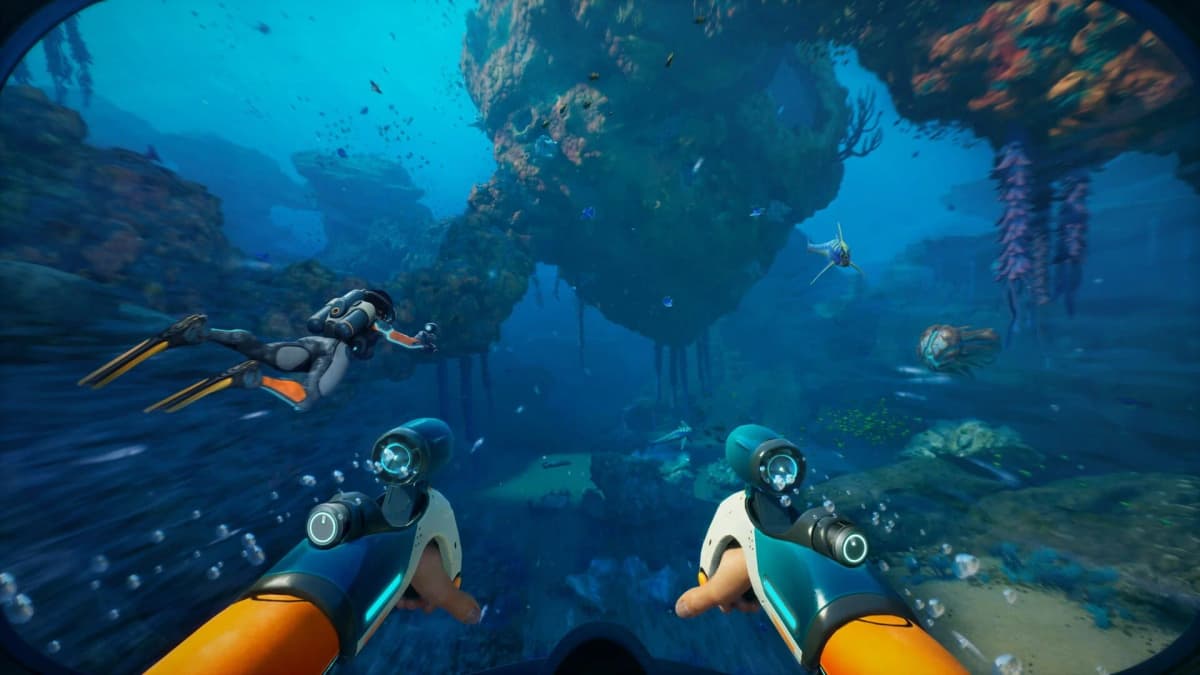
The real issue was never “give us guns” — it was “make this feel fair”
This is where the conversation got flattened by internet discourse, as it usually does. “No weapons” became the headline argument, but the more useful complaint was about encounter design. A lot of players were not demanding that Subnautica 2 become a shooter. They were asking why some creature encounters felt cheap, why mitigation tools seemed too weak or inconsistent, and why certain predator interactions appeared tuned more for punishment than for readable survival decision-making.
Unknown Worlds’ proposed fixes tell the story. The studio says it is looking at aggression timing, aggro range, interactions with vehicles and bases, and the effectiveness of nonlethal tools like flares and the Survival Tool. That is not a philosophical pivot. That is a balance pass. More bluntly: the team seems to have realized that if you insist on pacifist survival design, your nonlethal systems cannot be decorative. They have to work.
And “work” doesn’t just mean existing in the inventory. It means players can understand what triggered hostility, what breaks it, what buys time, what creates space, and what kinds of locations are genuinely safe. If flares are unreliable, if the Survival Tool feels like a placebo, or if predators pressure bases and vehicles in ways that don’t communicate clear rules, players will keep reading the whole thing as undertuned frustration dressed up as artistic intent.
That’s the uncomfortable observation the PR version would rather glide past: sometimes “our game is about helplessness” is a sincere design goal, and sometimes it’s cover for systems that aren’t communicating well enough yet. Early Access is where studios are supposed to sort out which one they’ve actually built.
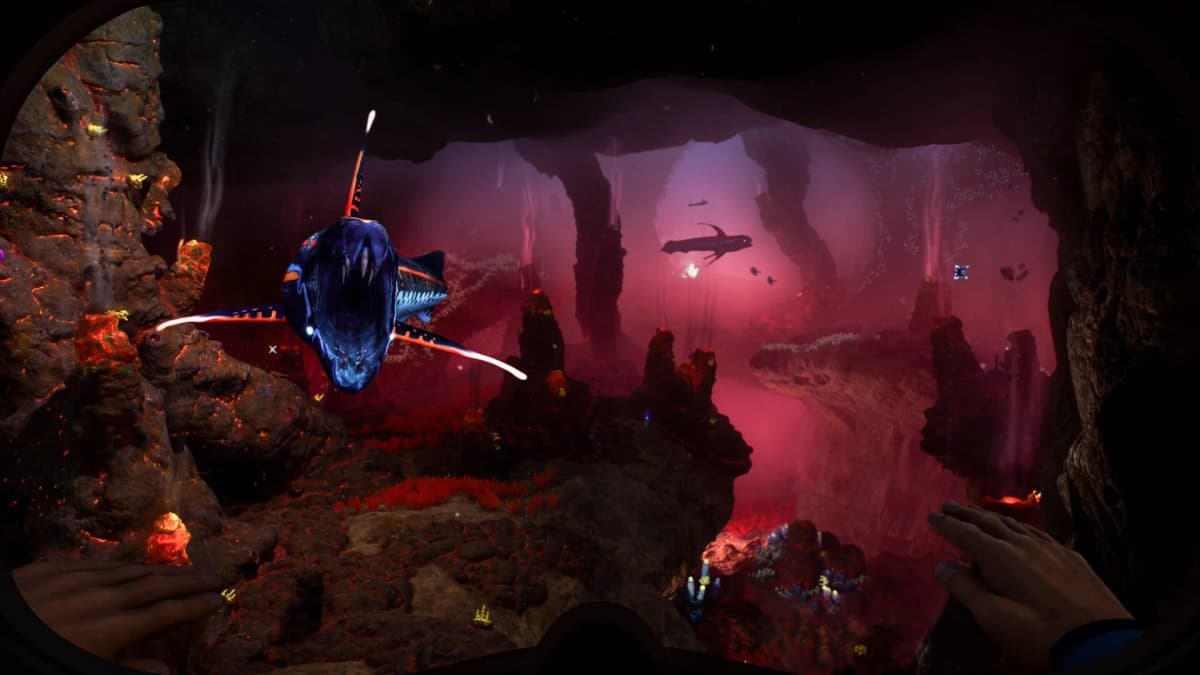
This is also an Early Access credibility test
Unknown Worlds called this a communication failure, and that’s true as far as it goes. But for an Early Access game, communication is not a side issue. It is part of the product. When players buy in early, they are not just buying the current build; they are buying the promise that feedback will be heard, sorted, and acted on without being mocked for arriving.
That’s why the “go play something else” line hit so badly. Not because it was scandalous in some grand moral sense, but because it cut directly against the social contract of Early Access. You cannot invite players into the workshop and then act annoyed when they point at the table saw.
There’s also a familiar survival-game pattern here. Developers fall in love with the fantasy of danger, then underestimate how quickly danger becomes noise when players are trying to build, route resources, and establish a sense of place. Games in this genre live or die on friction tuning. Too little, and the world feels toothless. Too much, or too opaque, and players start optimizing around irritation instead of immersion.
Unknown Worlds seems to understand that now. The question is whether the team understood it early enough to avoid spending the next few patch cycles arguing semantics while players keep posting clips of obviously miserable encounters.
What needs to be fixed first, not eventually
If the studio wants this cleanup to be more than apology theater, the first Early Access updates need to answer a few concrete questions fast.
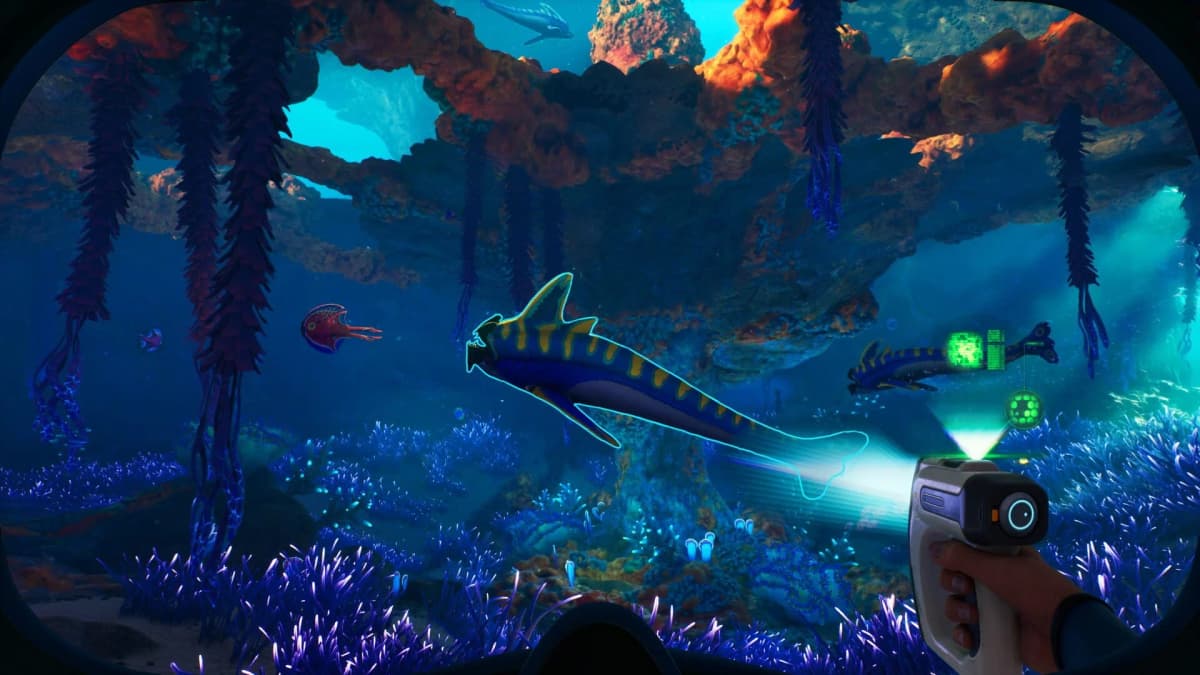
- Are aggro triggers clearer? Players need to know what actually starts a hostile response.
- Does aggro drop in believable, testable ways? “Sometimes it stops chasing you” is not a system.
- Do flares and the Survival Tool create dependable windows to escape, reposition, or protect infrastructure?
- Are vehicles and bases functioning as strategic safety layers, or are they just expensive invitations to get harassed anyway?
- Is creature downtime long enough to let players resume survival tasks instead of getting chain-pressured into busywork?
That is what I’d be asking the PR rep, because it gets past the fake culture-war version of the debate. The real issue is not whether Unknown Worlds is betraying a pacifist vision. The real issue is whether the current implementation respects the player enough to make that vision playable.
What to watch next
The next patches matter more than the letter. Specifically, watch for notes tied to aggression timing, pursuit range, flare effectiveness, Survival Tool usefulness, and creature interactions around bases and vehicles. Those are the first measurable signs that Unknown Worlds is solving the actual complaint instead of just restating its philosophy in softer language.
Also watch how the studio talks after those updates land. If it starts sharing clearer design reasoning and acknowledges edge cases without getting defensive, the apology probably meant something. If the messaging slips back into “players are using the game wrong,” this whole episode will look like temporary damage control.
The verdict: Unknown Worlds was right to apologize, but apologies are cheap and predator tuning is hard. Keeping Subnautica 2 focused on survival instead of combat is not the problem. Keeping that choice from feeling unfair is the problem. If the studio can make creature behavior readable and nonlethal tools genuinely reliable, the no-weapons stance survives. If not, players won’t reject the philosophy — they’ll reject the friction.
FinalBoss // Gear
Level up your setup
01Top-rated gaming headsetson Amazon→02High-refresh gaming monitorson Amazon→03Gaming chairson Amazon→04Discounted game keyson Kinguin→Affiliate links · As an Amazon Associate, FinalBoss earns from qualifying purchases.
Want to Level Up Your Gaming?
Get access to exclusive strategies, hidden tips, and pro-level insights that we don't share publicly.
Ultimate Gaming Strategy Guide + Weekly Pro Tips