
Subnautica 2 is not just “the one with multiplayer.” That’s the easy headline. The real change is that Unknown Worlds is trying to bolt a shared survival sandbox onto a series that built its identity on isolation, dread, and the feeling that the ocean wanted you dead personally. If this works, it doesn’t just add co-op. It rewrites what a Subnautica session looks like day to day.
And, to the studio’s credit, the practical implementation sounds smarter than the usual survival-game mess. Subnautica 2 supports 1-4 players from day one in early access, with crossplay across the launch platforms, drop-in/drop-out joining, and a surprisingly painless way to turn an existing solo save into a multiplayer world. That last part matters more than any marketing bullet point, because it means co-op is being treated like an extension of your progress, not a separate mode that fractures it.
Table of Contents (7)
The good news: this is not a half-baked “co-op later” feature
Unknown Worlds has been explicit here: multiplayer is built in from the start, not bolted on after launch, and every feature is intended to work in both solo and co-op. That means no “you need a group for this content” detour and no separate co-op-only progression lane. You can still play alone, which is important, because turning Subnautica into a mandatory squad game would have missed the point entirely.
The structure, based on the latest developer info and launch reporting, is simple. One player hosts a world. Up to three friends join. That creates a four-player session total: host plus three. Players can enter and leave without blowing up the world state, and the session itself still functions like a persistent survival save rather than some mission-based co-op playlist.
That sounds obvious, but in survival games it often isn’t. Too many co-op systems still treat multiplayer like a side room with weird restrictions, progress loss, or host-only advancement. Subnautica 2 is clearly trying to avoid that trap. The pitch is: play the same world, alone or together, whenever it makes sense. If the game delivers on that in practice, it’ll be one of the more player-friendly co-op rollouts in the genre.
How hosting and joining actually works
The workflow seems designed for convenience over ceremony. If you’re hosting, you start or load your world, then invite friends through your platform friends list, an in-game friend-code system, or a server browser depending on platform and setup. If you’re joining, you’re effectively dropping into the host’s world rather than spinning up a separate character shard or duplicate campaign.
That drop-in/drop-out design is the right call. Survival games live and die on logistics, and the fastest way to kill momentum is forcing four adults to align schedules like they’re raiding in an MMO from 2008. Subnautica 2’s approach means a world can keep existing even if one player logs off, another joins late, and someone else just wants to help gather resources for 40 minutes.
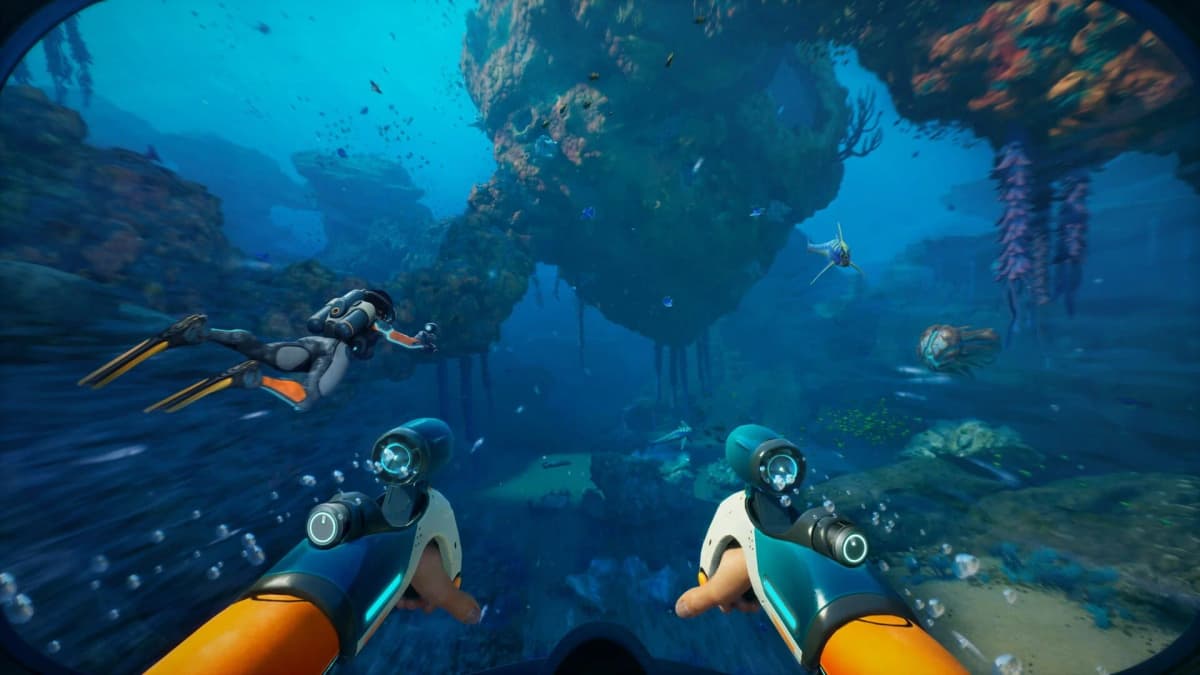
The catch, and this is the part PR blurbs tend to skate past, is that host-based convenience always comes with host-based dependency. If your world belongs to one player, progress access is tied to that player being available or that save being shared through whatever tools the game supports. That doesn’t mean the system is bad. It means you should choose your host carefully. In any long-running co-op survival game, the host is basically the group’s unpaid IT department.
If you’ve got a friend group already planning a run, the boring but necessary advice is this: make the most reliable person the host, not the most enthusiastic one. Those are not always the same person.
The smartest feature is converting solo saves into multiplayer
This is the feature that tells you Unknown Worlds has actually thought about how people play. Subnautica 2 lets you convert a single-player save into a multiplayer world from the main menu, or you can keep separate saves if you want one world for solo exploration and another for co-op chaos.
That matters because it removes the classic survival-game friction point: “Do we start over for co-op?” Usually that question leads to one of two bad outcomes. Either the group restarts and resents the lost time, or the solo player refuses to restart and the group never really forms. Subnautica 2 appears to sidestep that by letting friends join an existing world without nuking prior progress.
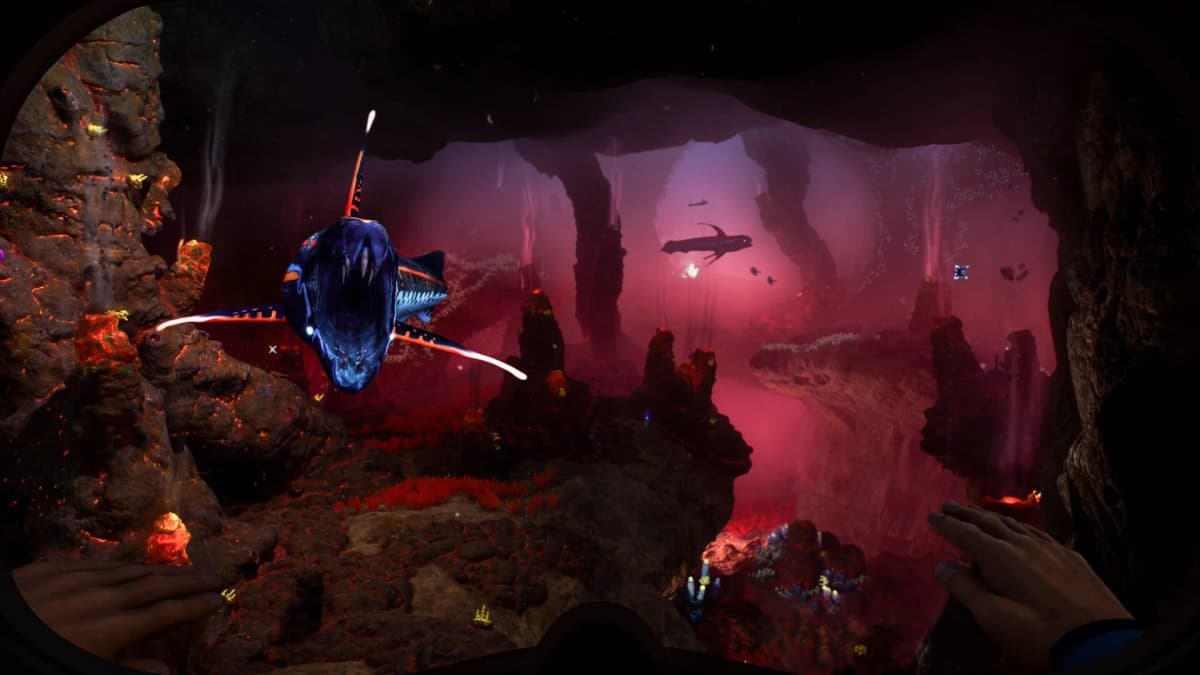
In plain terms, if you’ve already built a decent base, scanned a chunk of the world, and stockpiled resources, you do not need to throw that away just because your friends finally decided to install the game. They can join your established file. That’s the kind of quality-of-life decision that sounds minor in a feature list and becomes huge after 20 hours.
The obvious open question is how smoothly this holds up around edge cases: who owns what progression flags, how story triggers behave if a new player joins a much older world, and whether progression sync gets weird during repeated drop-in sessions. Those are the exact kinds of early access wrinkles that won’t show up in a polished bullet list but will show up fast once players start stress-testing the system at scale.
Crossplay is the headline, but session stability is the real story
Crossplay is confirmed, and yes, that’s a big deal. It means players on PC storefronts and Xbox can get into the same ocean without platform walls turning a co-op survival game into a logistics spreadsheet. For a modern multiplayer release, this should be standard. In 2026, thankfully, it mostly is. Still, it’s a meaningful win for a series making its first serious jump into shared play.
But crossplay alone is not the hard part anymore. The hard part is whether crossplay remains painless after several sessions, several patches, several disconnected players, and one friend with terrible internet who swears it’s “usually fine.” The feature list makes Subnautica 2 sound seamless. The real evaluation starts once players have to rejoin old sessions, recover from crashes, preserve base integrity, and keep save progression clean across platforms.
That’s especially relevant because this is an early access launch, not a finished retail package pretending to be one. Unknown Worlds says this build is bigger and more polished than any of its previous Steam Early Access releases, which is encouraging. It also raises the bar. If you tell players the co-op foundations are robust, they’re going to test those foundations immediately and without mercy.
What I’d want answered before calling this a total win
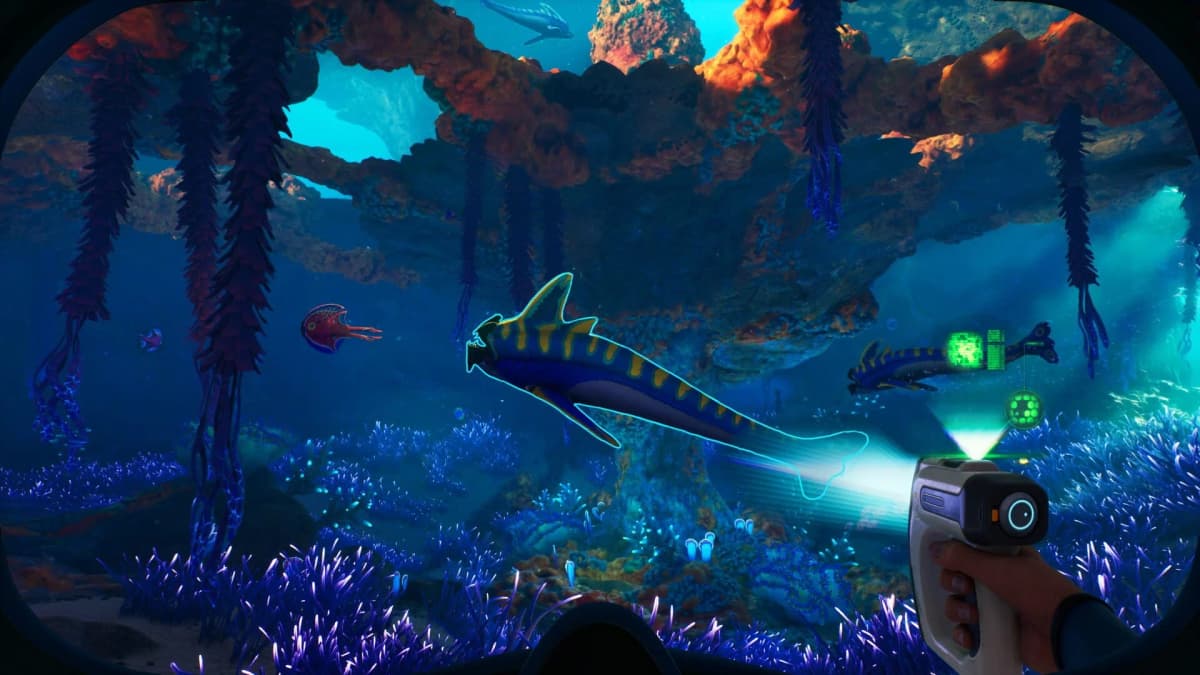
The unanswered question is not whether multiplayer exists. It does. The real question is how much friction sits between “sounds seamless” and “is seamless.” Can players consistently rejoin the same host world without desync headaches? How gracefully does the game handle story and blueprint progression for late joiners? How much control do hosts get over invites, session privacy, and recovery after a bad disconnect?
Those details decide whether Subnautica 2’s co-op becomes a genuine long-term feature or just a fun first-week novelty. Survival players know the difference. A good host/join system disappears into the background. A bad one becomes the entire experience.
What to watch next
Once early access players get real hours into the game, three things will matter more than any trailer or dev vlog:
- Whether solo-to-multiplayer conversion stays stable on older, heavily progressed saves
- How rejoining sessions works after hosts quit, patch the game, or swap platforms in the group mix
- Whether crossplay remains smooth under actual public load instead of curated preview conditions
If those three hold, Subnautica 2 has a real shot at pulling off something the series never needed before but might genuinely benefit from now: shared survival without losing its identity. If they don’t, then “up to four players” becomes one of those nice back-of-box features everyone remembers and nobody uses for long.
That’s the tension hanging over this launch. Subnautica always worked because loneliness was part of the design, not a missing feature. Now the sequel is betting that companionship can deepen the experience instead of diluting it. The tools sound right. The workflow sounds smart. The question is whether a game built on fear of the deep still hits the same when someone else is in the water with you.
FinalBoss // Gear
Level up your setup
01Top-rated gaming headsetson Amazon→02High-refresh gaming monitorson Amazon→03Gaming chairson Amazon→04Discounted game keyson Kinguin→Affiliate links · As an Amazon Associate, FinalBoss earns from qualifying purchases.
Want to Level Up Your Gaming?
Get access to exclusive strategies, hidden tips, and pro-level insights that we don't share publicly.
Ultimate Gaming Strategy Guide + Weekly Pro Tips