
Subnautica 2 is already having the exact fight it was always going to have: not whether players can turn the ocean into a shooting gallery, but whether a survival game that denies lethal force can still give players enough agency when the wildlife turns ugly. Unknown Worlds is promising “creature mitigation” updates after backlash over hostile fauna, and that wording matters. This does not sound like a studio backing away from its no-combat identity. It sounds like a studio realizing that “non-violent” and “annoying to play” are not the same thing – and players noticed the gap immediately.
The blunt version: the debate got framed as “gamers want to kill fish,” which is convenient for anyone defending the design on moral or thematic grounds. But that’s not really the hard part here. The hard part is building a survival sandbox where predators create dread, routing pressure, and smart decision-making instead of just becoming mobile tax collectors that repeatedly punish exploration, base placement, and resource runs. If the answer to every dangerous encounter is “run again, but with fewer tools than before,” players stop feeling immersed and start feeling managed.
Table of Contents (6)
The studio is defending the philosophy, not denying the problem
Unknown Worlds has been pretty clear in public comments: Subnautica 2 is not meant to be “a killing game,” and large creatures are not there to become loot piñatas. Fair enough. The original Subnautica worked precisely because its oceans felt like ecosystems, not target ranges. The fantasy was vulnerability. You were not the apex predator. You were lunch with a flashlight.
That design principle is worth protecting. Survival games routinely flatten their own tension by giving players too clean a path from prey to predator to landlord. The minute every major threat becomes something you can stun-lock, farm, or erase, the world gets smaller. So on paper, Unknown Worlds is making the right call by resisting a full combat pivot.
But here’s the part the PR-friendly version skips: players usually do not revolt against a limitation unless the replacement system is undercooked. And right now, the language coming from the developers points in exactly that direction. They are talking about deterrents, mitigation, hostile-creature tuning, and better non-lethal responses. That is basically an admission that the current balance is not landing. If the ecosystem fantasy were already working, the studio would be defending it with examples. Instead, it’s promising updates.
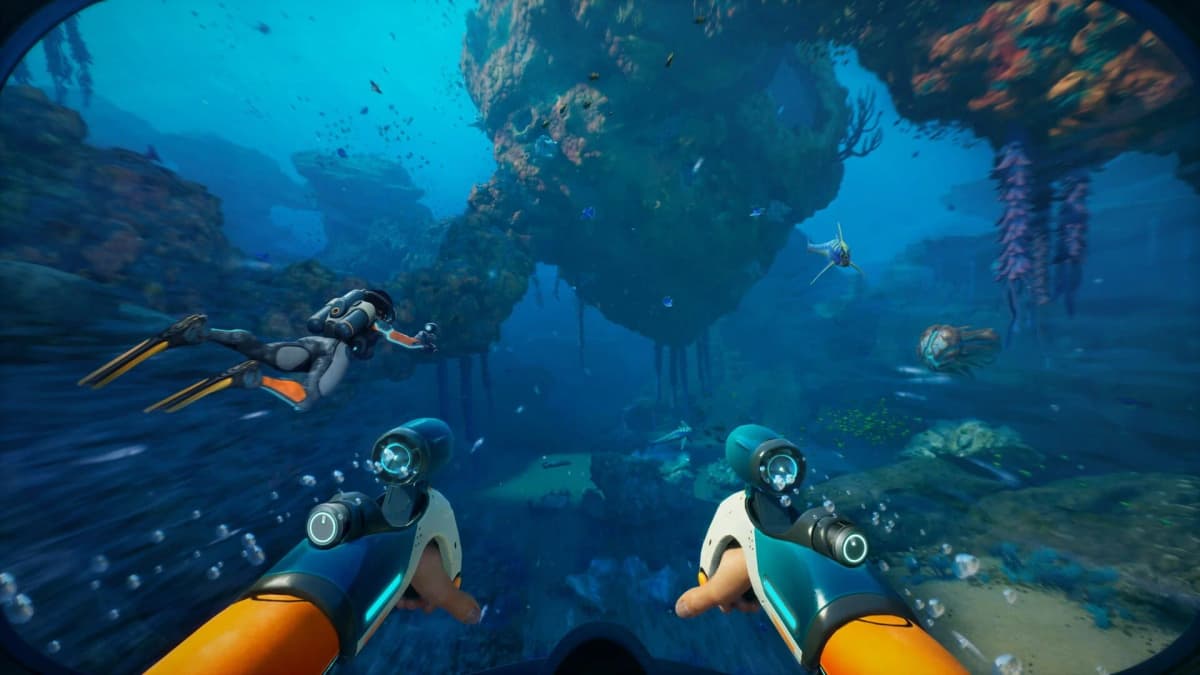
This looks less like a combat debate and more like an agency problem
The uncomfortable observation here is that “no combat” is being treated as the headline issue because it is cleaner than the real one. What players are actually pushing against is loss of control. A hostile creature system can be great in a game with no traditional weapons, but only if the rules are legible and the counterplay feels intentional. When hostility becomes constant friction – unpredictable aggro, bad downtime, awkward base harassment, or too few reliable deterrents – the game starts feeling like it is punishing presence rather than encouraging adaptation.
That lines up with the broader research signal around creature hostility systems in survival games. Players tend to accept aggression just fine when it behaves like a readable state: passive until provoked, territorial within boundaries, escalatory under specific conditions, or avoidable with clear preparation. They get angry when it feels asymmetrical, opaque, or impossible to meaningfully respond to. “Mitigation” strongly suggests Unknown Worlds knows this is a tuning and feedback issue — spawn rates, detection behavior, escalation triggers, retreat windows, pathing around bases, maybe even how often players are forced into repeated interruptions.
And frankly, that is where the interesting design work is. Anybody can add a spear and call it player freedom. The real challenge is making avoidance, distraction, and deterrence feel like robust systems instead of backup plans. If a predator can’t be killed, then the player needs tools that do real work: territory denial, noise diversion, stronger vehicle interactions, better warning states, more predictable creature routines, or defensible safe windows for construction and traversal. “Just leave” is not a system. It is an excuse.
Unknown Worlds may have been surprised by player behavior, but it shouldn’t have been
One detail floating around this discussion says a lot: developers seemed surprised by how many players built bases near dangerous wildlife. That is funny for about five seconds, then it becomes revealing. Of course players did that. Survival sandbox players always test the edge of the map’s danger economy. They build in stupid places, efficient places, scenic places, and places that shave 30 seconds off a farm route. If your creature system falls apart because players made the kind of reckless-but-rational decisions survival players always make, that is not a weird community failure. That is a forecasting failure.
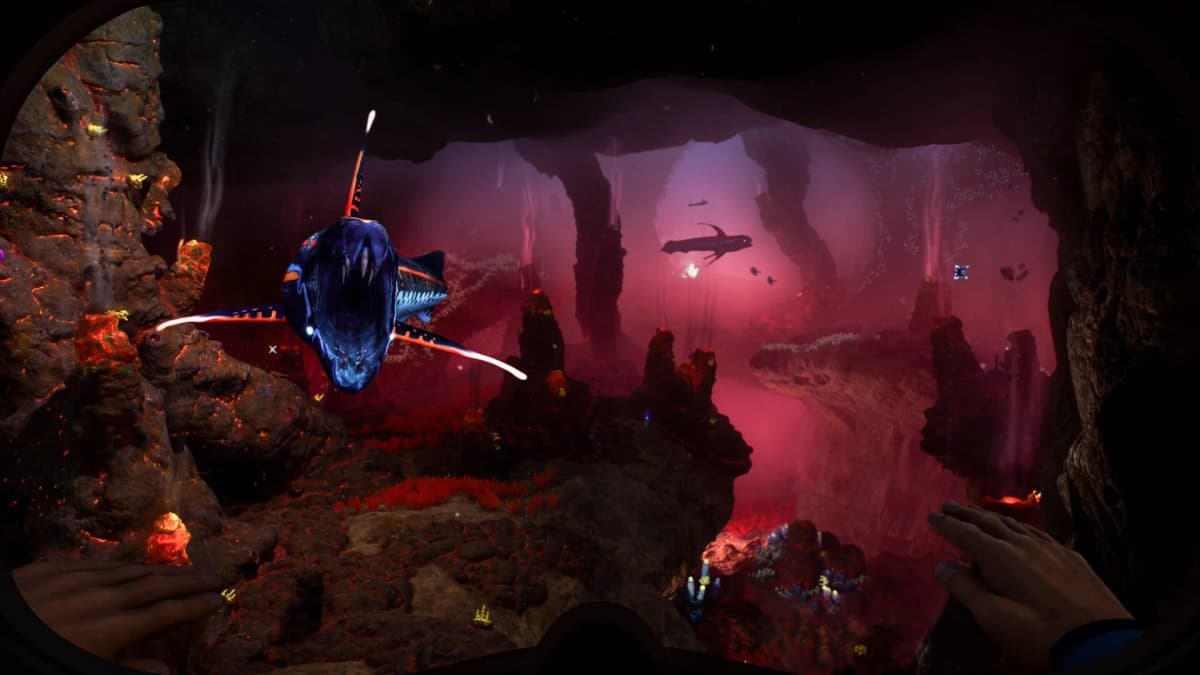
This is also where Subnautica’s own legacy matters. The series earned its identity on fear, isolation, and the thrill of entering spaces you absolutely should not be in yet. Players are not asking to turn that into a generic action-survival game. They are asking for the same core feeling with clearer tools to survive it. There is a difference between terror and tedium, and survival games live or die on understanding where that line is.
If anything, the backlash shows players still want Unknown Worlds to solve the harder design problem instead of taking the easy way out. That is a compliment disguised as forum rage. People do not argue this hard about a game’s ecosystem rules unless they believe the ecosystem is worth preserving.
The question nobody should let slide
The question I’d put to Unknown Worlds is simple: what does successful self-defense actually look like in Subnautica 2? Not lore. Not vibes. Mechanically. Can a prepared player reliably protect a route, finish a construction window, recover from an attack, or create space without killing the threat? If the answer is yes, the studio needs to show those tools more clearly and tune them aggressively. If the answer is no, then the current design is asking players to absorb pressure without enough meaningful response, which is exactly why this discourse blew up.
There is also a messaging problem here. “If you want violence, play something else” is the kind of line that sounds firm and principled until it lands on players who are not asking for violence so much as functionality. It is the classic own-goal of game-dev communication: arguing against the most extreme version of the complaint instead of the strongest one. The stronger complaint is that non-lethal survival still needs satisfying defensive play. That is a much harder argument to dismiss.
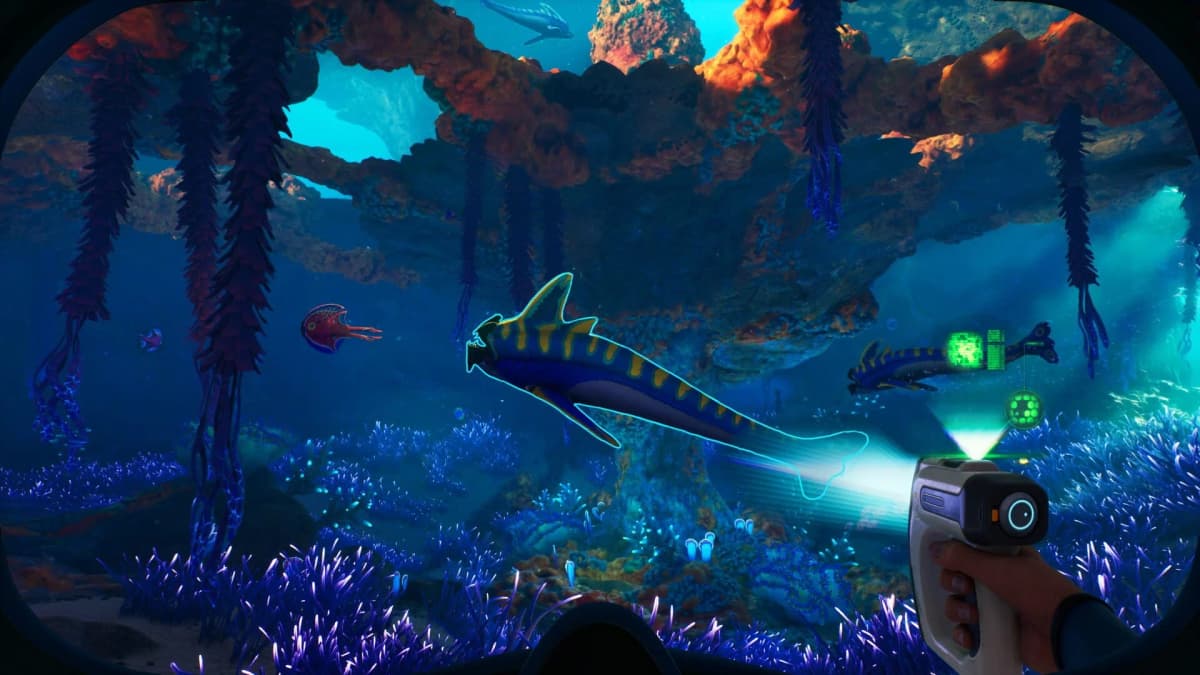
What to watch next
The next meaningful signal is not another Discord clarification. It is the first substantial Early Access patch that touches creature behavior. Watch for specifics: reduced harassment around bases, better deterrent tools, clearer aggro states, longer disengage windows, improved creature feedback, or systems that create actual downtime between threat spikes. If updates mostly tweak numbers without changing how players understand and manage danger, this debate is going to keep resurfacing.
Also watch whether Unknown Worlds sticks to its no-weapons stance while expanding non-lethal options in ways that feel substantial rather than symbolic. That is the tightrope. If the studio can make escape, evasion, and deterrence feel smart, Subnautica 2 preserves the thing that makes it distinct. If it can’t, pressure for more direct combat will keep growing, because players will read “non-violent” as “underpowered by design.”
That leaves Subnautica 2 in an interesting spot. The studio is right not to panic and bolt guns onto a series built on vulnerability. It is also right to admit the current creature friction needs work. The unresolved tension is whether Unknown Worlds can deliver enough defensive agency to make that philosophy feel deliberate rather than restrictive. That is the real test now — not whether players can kill the fish, but whether the game can make living with them feel tense for the right reasons.
FinalBoss // Gear
Level up your setup
01Top-rated gaming headsetson Amazon→02High-refresh gaming monitorson Amazon→03Gaming chairson Amazon→04Discounted game keyson Kinguin→
Affiliate links · As an Amazon Associate, FinalBoss earns from qualifying purchases.
Want to Level Up Your Gaming?
Get access to exclusive strategies, hidden tips, and pro-level insights that we don't share publicly.
Ultimate Editor's Pick Strategy Guide + Weekly Pro Tips