
Subnautica 2 is not asking for a monster rig just to boot, but it is absolutely drawing a line between “you can play this” and “you can play this well.” That distinction matters more than the usual spec-sheet theater, because Unknown Worlds has now attached hard targets to each tier ahead of the game’s May 14, 2026 Early Access launch. The good news: plenty of midrange PCs should clear minimum. The less friendly news: the farther you climb toward 1440p and 4K, the more this starts looking like another Unreal Engine 5 game that eats memory first and asks questions later.
For players trying to answer the practical question – can your PC run Subnautica 2? – the short version is yes, probably, if your machine was built for mainstream PC gaming in the last several years. But if your definition of “run” means stable 60fps, nicer settings, and not treating your RAM kit like a relic from a more innocent era, the answer gets more expensive fast.
Table of Contents (7)
The minimum spec is reasonable, but it is not generous
Unknown Worlds’ published minimum requirement targets 1080p at 30fps on low settings. That baseline calls for a GPU in the GeForce GTX 1660 or Radeon RX 5500 XT class, alongside 12GB of RAM. On paper, that is accessible. A lot of gaming PCs built around 2019 or later can get through that door without drama.
That said, minimum specs are always the most flattering version of the truth. “1080p/30 on low” is not a comfort statement. It is a survival statement. It means the game should function, not that it will feel great, look sharp, or leave overhead for the kind of performance dips Early Access games are famous for. And yes, this is an Early Access build coming on May 14 for $29.99 / £25.99, with a confirmed price increase planned at version 1.0. So the usual “they’ll optimize it later” defense is available, but players are still paying real money now.
The minimum RAM figure is also worth dwelling on. Twelve gigabytes is an awkward requirement because it sits between common old-world configurations and modern upgrades. Plenty of budget or older midrange systems are still on 8GB, which is effectively out of the conversation here. Many others are on 16GB, which clears the bar, but the fact that minimum already starts at 12GB tells you where the floor is. This is not a lightweight survival game anymore. It is a UE5 co-op sequel with the appetite to match.
The real warning sign is not the GPU, it is the memory scaling
The most revealing part of Subnautica 2’s requirements is not the minimum GPU. It is how sharply the memory demand climbs across the tiers. Recommended asks for 16GB of RAM, which is still the current sweet spot for a lot of players. Ultra jumps to 32GB. That is the number that changes this from a routine compatibility check into a budget conversation.
For context, 16GB has been the “you’re fine” standard for mainstream PC gaming for years. A demand for 32GB at the top end does not automatically make a game poorly optimized. 4K assets, larger worlds, heavy streaming loads, and UE5’s general tendency toward higher memory use all push in that direction. But it does mean midrange players need to stop pretending the only important upgrade is the graphics card. If you are sitting on 16GB and hoping to brute-force Ultra settings with a better GPU, Subnautica 2 is one more reminder that modern PC performance is increasingly a whole-system problem.
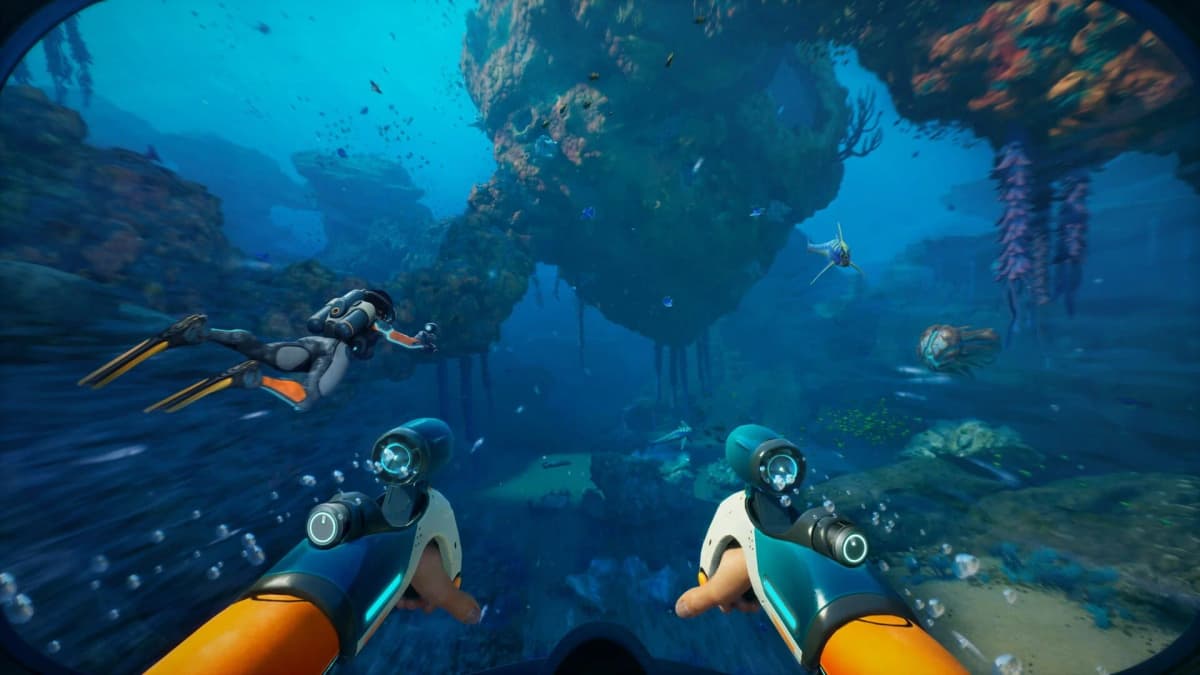
This fits a pattern. Recent high-end PC releases built on modern engines have repeatedly shown that GPU horsepower is only part of the equation. Digital Foundry’s recent performance work on other technically ambitious PC titles has highlighted how modern rendering features, streaming demands, and upscale-heavy pipelines can create bottlenecks that are not solved by one checkbox. Subnautica 2 is different in genre, but the same lesson applies: a shiny new card does not magically erase memory pressure, CPU limits, or Early Access stutter.
If there is an uncomfortable observation here, it is this: the spec sheet makes the game look broadly approachable at the low end while quietly telling enthusiasts to prepare for a much steeper climb than the franchise’s art direction might suggest. Subnautica has always looked clean and readable rather than photorealistic. That can create the false impression that the sequel should be easy to run. UE5 does not care about your assumptions.
Recommended and Ultra tiers tell you who this version is really for
The recommended tier is the one most players should actually read. That is the target for 1440p at 60fps, and it reportedly points toward an RTX 3070-class GPU with 16GB of RAM. That is not absurd in 2026, but it is also not casual. An RTX 3070 remains a solid card, yet it sits well above the bargain-bin hardware many Steam users are still squeezing for one more year.
In plain English: if your PC is roughly “good 2021 gaming rig” territory, you are probably in decent shape for the recommended target. If your system was a budget build even when you bought it, or if you are still on an older GTX 10-series card below the 1660 line, this is where the optimism should end. You may get in at minimum. You probably should not expect a polished, high-refresh experience out of the gate.
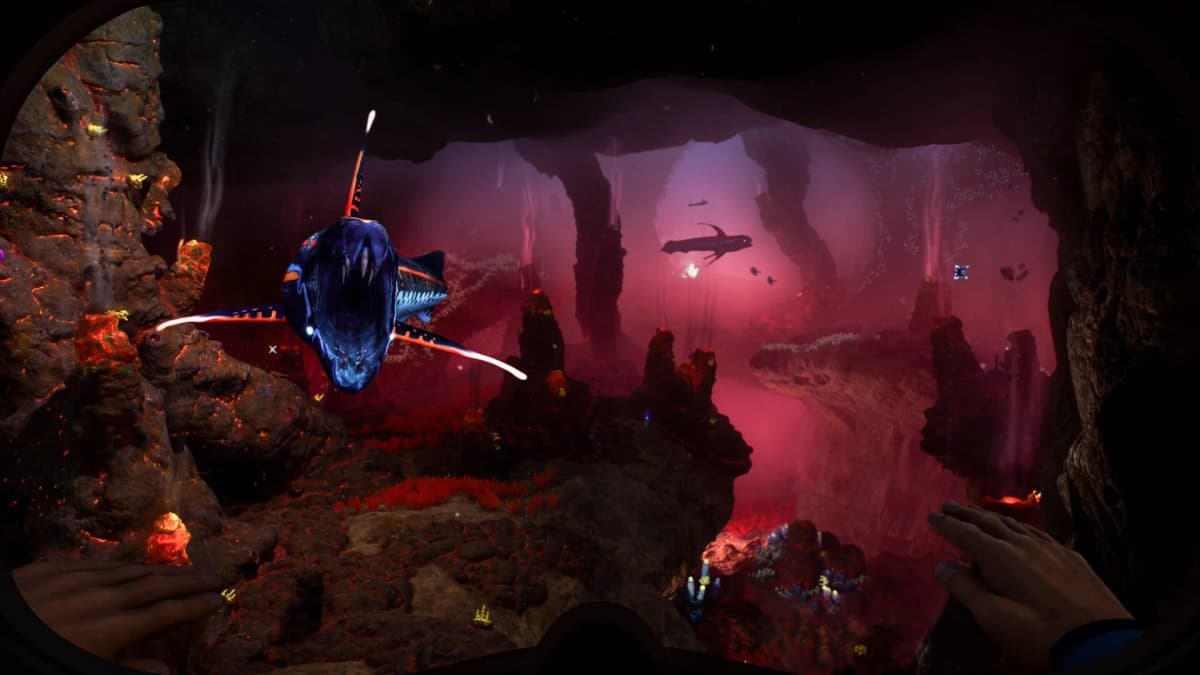
The Ultra profile pushes much harder, reportedly aiming at 4K/60fps on high or ultra settings with current-generation hardware and 32GB of RAM. That is a familiar pattern now: the top-end tier exists partly as a capability statement, partly as a warning label. It tells you what kind of machine the developers had in mind when they stopped making compromises. It does not mean the average player should chase it.
And that is the part some outlets will flatten into “punishing” or “demanding” without much nuance. The smarter read is that Subnautica 2’s requirements are split across three very different audiences. Minimum is broad enough to get plenty of people into Early Access. Recommended is the actual comfort zone. Ultra is the expensive vanity tier that also exposes how aggressive the engine and content pipeline are likely to be. Those are not the same thing, and pretending otherwise just creates disappointment on launch week.
The unanswered question is optimization, not compatibility
The biggest thing missing from every system requirement table is the thing players actually care about once they click “buy”: how stable will this be in the messy real world? Specs can tell you the game should launch. They cannot tell you whether traversal causes shader hitching, whether co-op adds overhead, whether ocean-heavy scenes hammer the CPU, or whether one graphics setting is secretly a frame-rate executioner.
That is especially relevant here because Subnautica 2 is entering Early Access, not shipping as a finished 1.0 product. Early Access specs are often honest in one sense and misleading in another. Honest, because developers are signaling the hardware class they are targeting right now. Misleading, because launch-period performance can swing wildly as optimization passes continue. Sometimes it gets better. Sometimes features get added and the hardware burden rises before it falls.
If I were putting one question directly to Unknown Worlds, it would not be “why does Ultra need 32GB?” The sheet already answered that in the bluntest way possible. The real question is which settings are doing the most damage, and whether players will get enough tuning options to escape the usual UE5 tax. Texture quality, shadows, lighting, view distance, reconstruction methods, frame generation support, and CPU-heavy simulation settings matter more than the broad headline number once the game is in users’ hands.
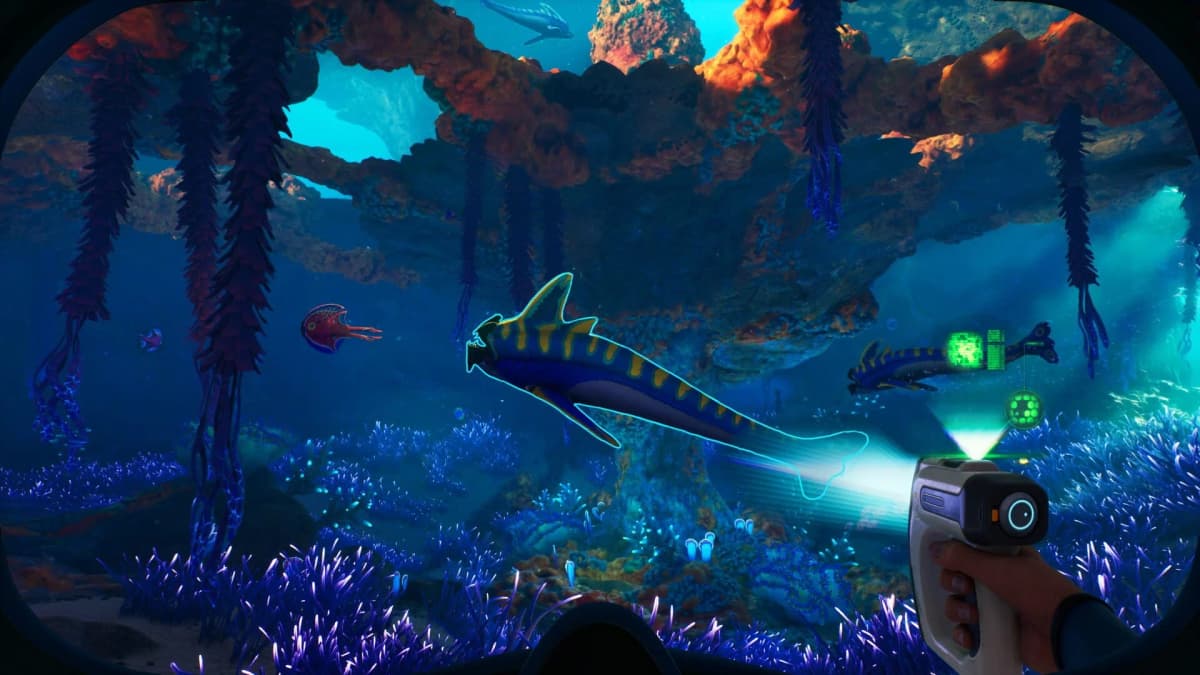
That is the difference between a scary spec sheet and a manageable one. Plenty of demanding games become far less intimidating once optimized settings emerge. Others remain stubborn because the expensive parts are baked into core systems rather than a few obvious visual luxuries. Right now, Subnautica 2 could go either way.
So, can your PC run Subnautica 2?
Here is the practical answer.
- If you have a GTX 1660 or RX 5500 XT-level GPU, 12GB to 16GB of RAM, and a reasonably modern CPU, you should be able to run the game at minimum settings targeting 1080p/30fps.
- If you are on 16GB RAM with an RTX 3070-class GPU or better, 1440p/60fps at recommended settings looks like the intended mainstream sweet spot.
- If you want Ultra or 4K with strong performance, you should assume 32GB RAM and modern upper-tier hardware are part of the price of admission.
- If you are still on 8GB RAM, this is not really a debate. Your PC is below the floor.
The bigger recommendation is simpler: do not buy against the Ultra spec unless that is already your lane. Buy against recommended. That is usually where the best value lives, and it is almost certainly where Early Access reality will feel least annoying.
What to watch before and after May 14
The next meaningful datapoint is not another trailer. It is independent performance testing once Early Access goes live on May 14. Three things matter immediately.
- First, whether 1080p minimum is merely playable or actually tolerable over long sessions.
- Second, how hard co-op performance hits compared with solo play.
- Third, whether 16GB systems show obvious memory pressure, stutter, or asset streaming issues that make the jump to 32GB feel less “Ultra luxury” and more “future-proof tax.”
Until those tests arrive, the requirement list does its job: it tells you Subnautica 2 is not outlandishly inaccessible, but it is also not the kind of sequel you casually throw onto an aging PC and expect miracles from. The low-end bar is manageable. The high-end scaling is the real story. If your rig is hovering around recommended, you are probably fine. If you were hoping this would be one of those forgiving survival games that runs on vibes and nostalgia, the spec sheet just ended that fantasy.
The practical takeaway is straightforward. Check your RAM before you check your ego. For Subnautica 2, that is likely to be the upgrade question that matters most.
FinalBoss // Gear
Level up your setup
01Graphics cardson Amazon→02Gaming laptopson Amazon→03High-refresh gaming monitorson Amazon→04Discounted game keyson Kinguin→Affiliate links · As an Amazon Associate, FinalBoss earns from qualifying purchases.
Want to Level Up Your Gaming?
Get access to exclusive strategies, hidden tips, and pro-level insights that we don't share publicly.
Ultimate Gaming Strategy Guide + Weekly Pro Tips