
Here’s the useful part up front: Subnautica 2 does not look like a GPU massacre, but it absolutely is a reality check for older PCs and handhelds in one specific area. The confirmed baseline points to a GTX 1660 or Radeon RX 5500 XT, a six-core CPU, and-depending on which listing you trust-either 8 GB or, much more likely, 12 GB of RAM. That last number is the one people with aging budget rigs should pay attention to, because it tells you more about this game’s real demands than the graphics card requirement does.
For handheld players, the headline is better than expected: there are now direct signals that Subnautica 2 is being treated as playable on devices like Steam Deck and ROG Ally. That does not mean “miracle port” and walk away. It means Unknown Worlds appears to know exactly how many players want to drag this ocean nightmare onto a portable screen, and it’s building around that audience early instead of pretending handheld support can be sorted out later.
Table of Contents (5)
The minimum specs are reasonable-until you hit the memory requirement
The minimum CPU consensus is unusually clean. Across the reporting, the floor is an Intel Core i5-8400 or AMD Ryzen 5 2600. That’s a six-core baseline, which already tells you this is not the same kind of lightweight survival sandbox as the first Subnautica. The original game could limp along on much more dated hardware, including setups that were frankly getting away with murder on integrated or low-end graphics. Subnautica 2 is not built for that era anymore.
On the GPU side, the minimum is also consistent: GeForce GTX 1660 6 GB or Radeon RX 5500 XT 6 GB. In 2026 terms, that’s not brutal. In fact, it’s almost refreshingly normal at a time when some publishers post specs that read like they were designed by someone who thinks every PC player owns a fresh RTX card. The likely target for this minimum tier is around 1080p at roughly 30 FPS on low settings, which is playable enough for Early Access if your tolerance for stutter is healthy.
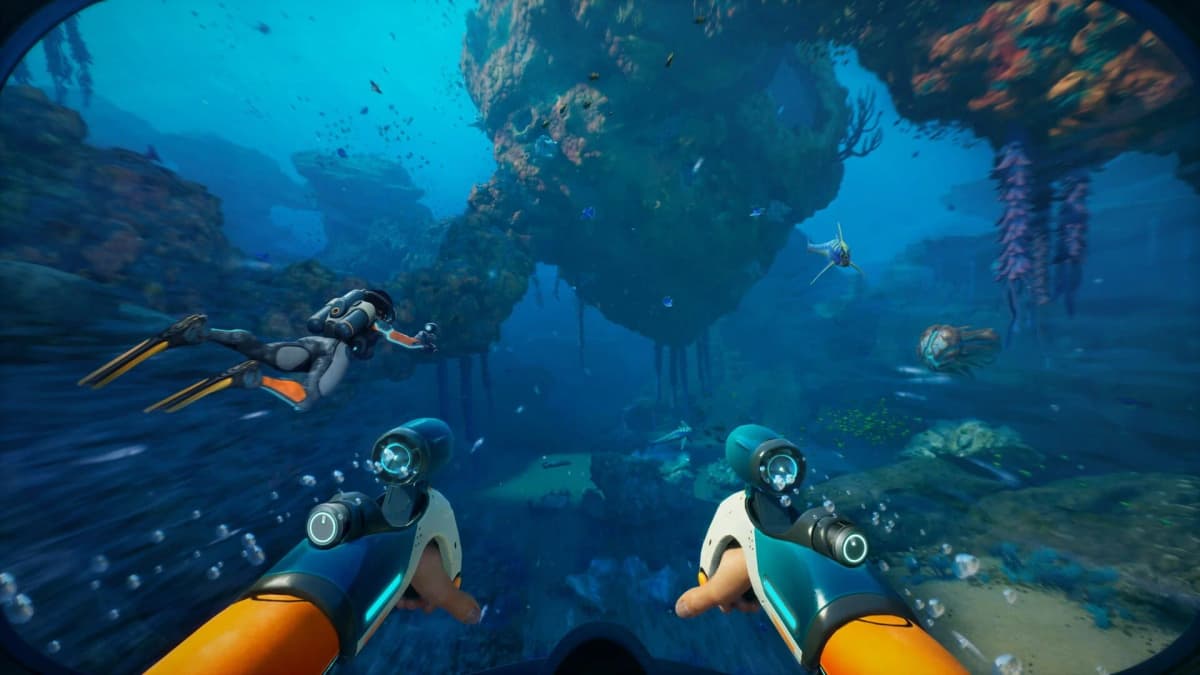
The messier part is RAM. One source listing has floated 8 GB, while multiple others point to 12 GB minimum. If you want the practical answer instead of the clean PR answer, assume 12 GB is the real floor. Not because 8 GB can never boot the game, but because modern survival games built with heavier rendering and world-streaming demands tend to punish low-memory systems in ugly ways: hitching, texture pop-in, background app crashes, and the kind of frame pacing that makes underwater exploration feel like your PC is having a minor panic attack.
That discrepancy matters because people often fixate on GPU model names and miss the actual bottleneck. For older PCs, memory could be the thing that breaks the experience first.
This is the Unreal Engine 5 tax, just not the worst version of it
The bigger story underneath the requirements is the engine shift. Subnautica 2 is asking for more because it’s doing more, and Unreal Engine 5 tends to collect its fee whether developers like it or not. The good news is Unknown Worlds hasn’t posted the kind of absurd minimums that scream “optimization can wait until post-launch.” The bad news is UE5 still has a habit of turning “playable” into “technically functional, emotionally irritating” on borderline hardware.
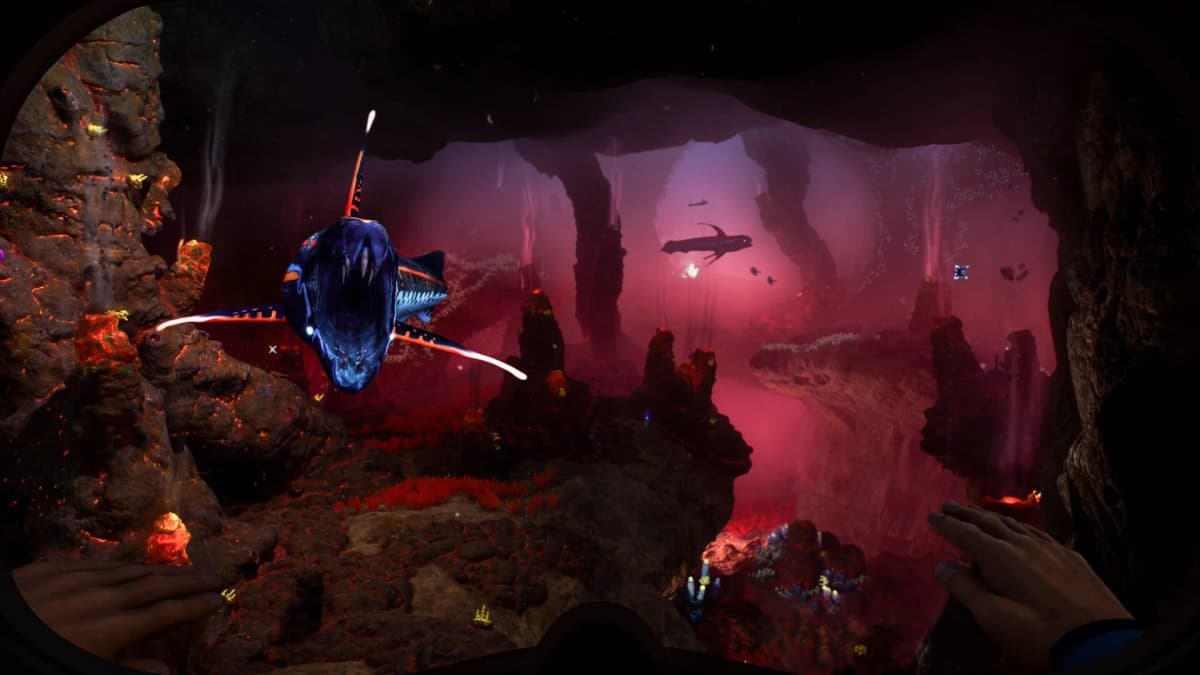
That’s why the recommended specs matter almost as much as the minimum. Reports point to a significant jump there, with modern eight-core CPUs and GPUs in the RTX 3070/RX 6700 XT class for a more comfortable experience, plus 16 GB of RAM. Higher-end targets go much further if you want 4K and 60 FPS. So yes, the floor is manageable. The ceiling climbs fast. That usually means the game may launch in a decent state on modest rigs, while still leaving a lot of performance polish to be done throughout Early Access.
That last part is important because Early Access system requirements are not carved in stone. They’re more like a public promise mixed with a legal disclaimer. If optimization improves, great. If new biomes, co-op complexity, or simulation systems pile on overhead, the “minimum” experience can drift in the wrong direction too.
Handheld compatibility is good news, but don’t confuse it with guaranteed smooth performance
The handheld angle is where this gets more interesting than a basic spec sheet. There are now credible reports that Subnautica 2 is intended to be compatible with Steam Deck and ROG Ally-class devices, with some outlets going as far as describing Steam Deck support in stronger terms. That is genuinely useful news, because these machines live and die by whether a developer takes them seriously before launch rather than after the community starts posting custom settings guides out of desperation.
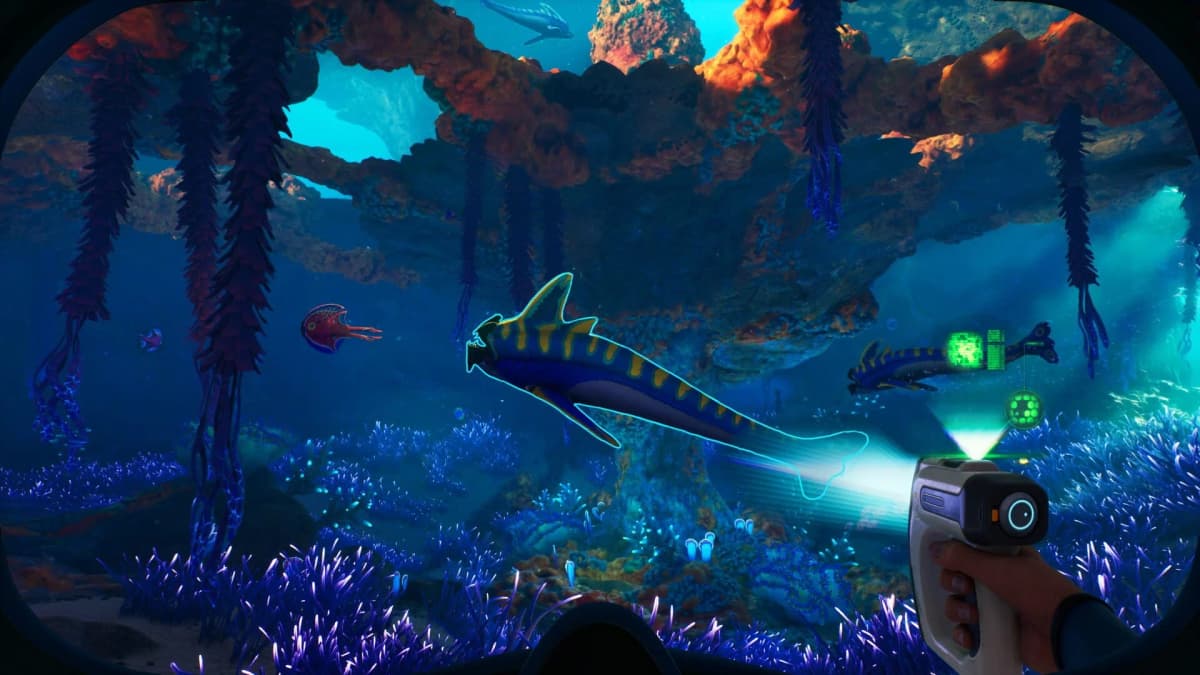
Still, the uncomfortable question is the obvious one: compatible at what cost? A game can be “playable” on a handheld and still deliver a compromised experience with aggressive upscaling, shorter battery life, muddy image quality, and frame rate swings whenever simulation load spikes. Anyone who has spent enough time with modern PC handhelds knows the label is not the whole story. Verified, playable, optimized—publishers and storefronts use those words like they’re interchangeable. They are not.
For Subnautica 2, the likely best-case handheld scenario is sensible settings, lowered shadows and effects, and performance capped around 30 FPS. That’s not a deal-breaker for this kind of game. A slow-burn survival exploration title is a much easier fit for handheld compromises than, say, a twitch shooter that falls apart the second frame time spikes. But it does mean Deck and Ally owners should go in expecting a tuned experience, not a pristine one.
What actually matters before Early Access starts
If you just want the hardware check in plain English, here it is:
- Minimum CPU appears locked at Intel Core i5-8400 or AMD Ryzen 5 2600.
- Minimum GPU appears locked at GTX 1660 6 GB or RX 5500 XT 6 GB.
- Storage sits around 50 GB.
- Minimum RAM is the one disputed line, but 12 GB is the safer assumption than 8 GB.
- Handheld compatibility looks real, especially for Steam Deck and ROG Ally-class devices, but expect compromises.
The next thing worth watching is not another spec repost. It’s launch-week testing once Early Access goes live. Specifically: actual Steam Deck frame pacing, whether 8 GB systems can function without nasty hitching, and whether the minimum spec delivers a stable 30 FPS or just briefly visits it. Those numbers will tell you if Unknown Worlds has posted an honest floor—or the usual industry version of “minimum,” where the game runs in the same sense that a submarine with a cracked window technically still floats.
FinalBoss // Gear
Level up your setup
01Graphics cardson Amazon→02Gaming laptopson Amazon→03High-refresh gaming monitorson Amazon→04Discounted game keyson Kinguin→
Affiliate links · As an Amazon Associate, FinalBoss earns from qualifying purchases.
Want to Level Up Your Gaming?
Get access to exclusive strategies, hidden tips, and pro-level insights that we don't share publicly.
Ultimate Gaming Strategy Guide + Weekly Pro Tips