
Subnautica 2’s roadmap is interesting for one reason above all: it does not pretend the game is content-complete just because early access started. Unknown Worlds has broken post-launch support into a blunt three-step plan – first fix friction, then make co-op feel real, then start layering in the big-ticket stuff like new biomes, vehicles, creatures, resources, and the next story chapter. In an industry that loves to throw “live roadmap” spaghetti at the wall and call it transparency, that kind of sequencing is almost suspiciously sane.
The roadmap currently points to EA 1.1 as a quality-of-life and systems pass, EA 1.2 as the co-op and social update, and a later larger expansion phase for the first major content growth. That tells you exactly how Unknown Worlds sees the state of the game right now: the core loop is promising, but the rough edges are still loud enough that piling on more content first would be the wrong move.
Table of Contents (5)
Fix the friction first – which is exactly what early access is supposed to be
EA 1.1 is not the sexy update. That is the point. The reported feature list includes sprinting inside bases, more passive biomod slots, blight encounter tuning, vehicle docking refinements, fabrication flow cleanup, a new storage cache, extra PDA databank entries, and voice log priority tweaks. None of that sells trailers. All of it affects whether players keep bouncing off small annoyances after the first dozen hours.
This is the part many survival games screw up. They treat inconvenience like depth, then act surprised when players hit the progression wall and decide they’ve seen enough. Subnautica has always lived or died on pacing: just enough friction to make the ocean feel hostile, not so much that basic maintenance becomes admin work. If base sprinting, storage caching, cleaner fabrication, and better docking sound minor, that’s because good usability changes usually do. You feel them more than you notice them.
The biomod and blight tweaks matter for a different reason. Those systems shape build identity and danger tuning, which means EA 1.1 is also a balance patch wearing a QoL nametag. That is usually a sign the developers are looking at real player behavior rather than just shipping a box-tick update. If players are finding certain encounters obnoxious instead of tense, or certain loadouts too restrictive to be fun, you deal with that before expanding the sandbox.
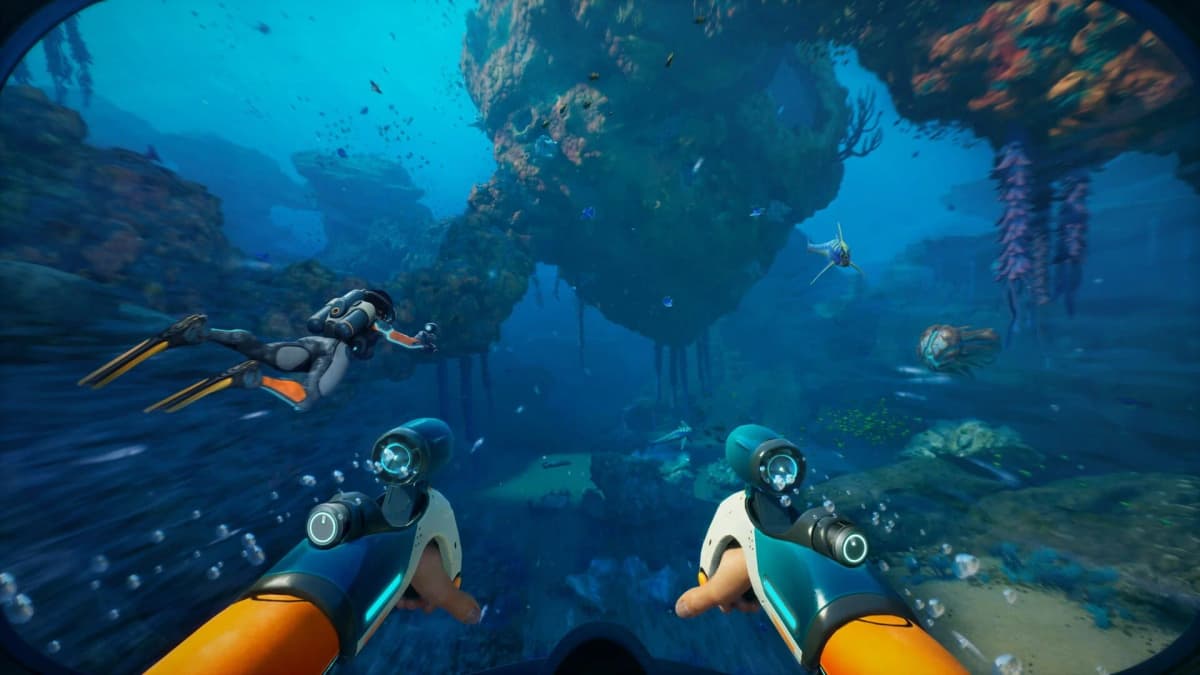
EA 1.2 is where the co-op promise actually gets tested
The second phase is the one a lot of players probably assumed they were already buying into: proximity voice chat, emotes, a revive system, avatar customization, HUD improvements, upgraded base-building tools, color-coded pinned recipes, and reported additions like trading. Read that list closely and a pattern jumps out. This is not just “some social features.” It is the update meant to make multiplayer stop feeling like a feature and start feeling like a mode.
That distinction matters. Co-op survival games live and die on readability and recovery. Can you tell where your partner is? Can you coordinate resources without clumsy workarounds? Can a bad encounter create drama instead of a tedious reset? Can a shared base be built without everyone tripping over the UI? Voice, HUD signals, recipe pinning, better building tools, revives, and trading all answer the same underlying problem: friction is worse when two or more people have to suffer through it together.
The uncomfortable observation here is simple: if co-op gets its “make this actually feel complete” patch in EA 1.2, then co-op at early access launch is still partly a promise. That doesn’t mean it’s bad. It does mean Unknown Worlds knows the multiplayer fantasy needs another major pass before it fully lands. Plenty of outlets will frame that as exciting future support. The more honest reading is that the studio has correctly identified where the current version still feels provisional.
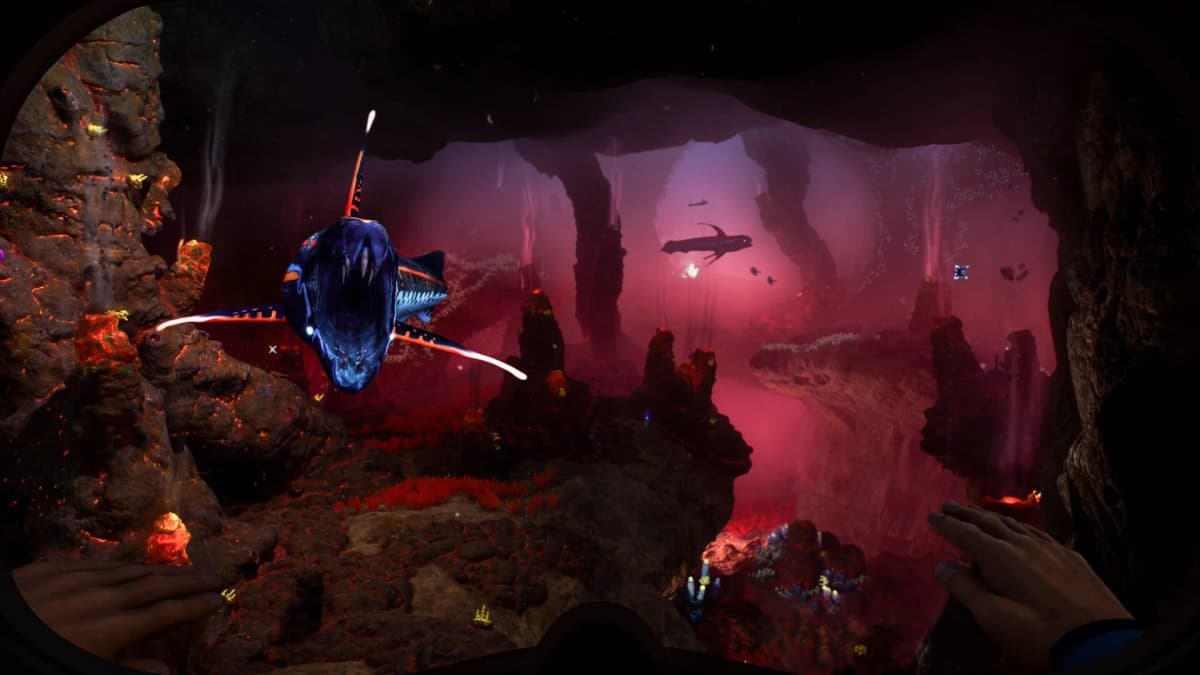
The big content drop is exciting, but it is also where the risk starts
Later roadmap plans point to new biomes, creatures, resources, vehicles or submersibles, and the next story chapter. That is the obvious headline bait, because it sounds like “the real game starts later.” But the smarter takeaway is that Unknown Worlds is trying not to repeat a common early access mistake: using new content to distract from foundational issues.
There is still a catch, and it is a pretty big one. No timeline. PC Gamer and others highlighted the same absence, and it is the part players should keep side-eyeing. A three-phase roadmap is useful. A three-phase roadmap with no dates is still a vibes document. It tells you priority, not pace. That difference matters a lot when a game is already generating strong early interest and players are trying to judge whether they should jump in now or wait for a more complete build.
Historically, this is where early access roadmaps start to wobble. The first wave of feedback creates one set of fixes. Then technical debt shows up. Then multiplayer edge cases eat more time than expected. Then the “content update” quietly moves because the team is still sanding down basic interactions. Unknown Worlds may avoid that trap, but the roadmap structure alone does not guarantee it.
If I had one question for the studio’s PR line, it would be this: what is the internal success metric for moving from 1.1 to 1.2 to the larger expansion? Player retention, bug volume, co-op completion rates, average session length, something else? Because without that, players are being asked to trust sequencing without knowing the threshold for progress.
What to watch next
- Patch cadence, not just patch notes. If EA 1.1 lands quickly, that suggests Unknown Worlds had these fixes in flight before launch. If it drifts, the roughness may run deeper than the roadmap implies.
- How much of EA 1.2 is essential versus decorative. Voice chat and emotes are nice. Revives, clearer HUD communication, recipe readability, trading, and base-building usability are the real co-op stress test.
- Whether the first major content expansion adds breadth or depth. New biomes and creatures sound great, but if progression still hits a wall too early, more map alone will not solve the problem.
- Whether Unknown Worlds starts attaching dates or milestone windows. That is the moment the roadmap becomes a commitment instead of a rough sketch.
Reports from Eurogamer and TheSixthAxis suggest Subnautica 2 already has huge early momentum, with millions of players jumping in almost immediately. That gives Unknown Worlds room to iterate, but it also raises the stakes. A popular early access launch can buy patience; it can also magnify every missing feature and every week of silence.
Right now, the roadmap says the studio understands its priorities. Good. Rare, even. The harder question is whether Subnautica 2 is being built into a better survival game first, or into a bigger one first. Those are not the same thing, and the answer will decide whether this roadmap ages like a disciplined plan or the usual early-access wish list with prettier formatting.
FinalBoss // Gear
Level up your setup
01Top-rated gaming headsetson Amazon→02High-refresh gaming monitorson Amazon→03Gaming chairson Amazon→04Discounted game keyson Kinguin→
Affiliate links · As an Amazon Associate, FinalBoss earns from qualifying purchases.
Want to Level Up Your Gaming?
Get access to exclusive strategies, hidden tips, and pro-level insights that we don't share publicly.
Ultimate Gaming Strategy Guide + Weekly Pro Tips