
Subnautica 2’s first Early Access roadmap answers the question players usually have after week one: is the studio chasing shiny new content, or fixing the stuff that’s already rubbing people the wrong way? Unknown Worlds is doing the sensible thing for once in this genre. Quality-of-life comes first, co-op support comes next, and the bigger biome-and-creature expansions are being held for later. That sounds obvious. It also tells you the current build is still more foundation than finished fantasy.
The short version is simple. The next major update, labeled EA 1.1, is focused on usability and progression smoothing. Unknown Worlds has publicly pointed to HUD signals, improvements to the base builder tool, and a pinned recipes system, alongside other friction-reduction work mentioned around biomods, wrecks, vehicle docking, PDA databank and voicelog fixes, sprint, and storage cache support. After that, the plan shifts to a co-op-focused update with features like voice chat, emotes, player trading, player revive, and more multiplayer-facing quality-of-life. Then come the larger Early Access drops: more biomes, more creatures, more vehicles, more story, the actual heavyweight stuff. No firm release dates are attached, and the roadmap is explicitly subject to change.
Table of Contents (6)
This roadmap matters because it admits the current pain points are real
That ordering is the story. Studios love to sell Early Access with the promise of “more content soon,” because content screenshots market better than usability fixes. Unknown Worlds instead put the dull but necessary work up front. That is a quiet admission that players are hitting friction in the current loop, and that friction is serious enough to address before the studio starts dangling giant new chunks of ocean.
Survival-crafting games live or die on repetition tolerance. If building a room is fiddly, if recipes are annoying to track, if traversal feels needlessly sticky, or if progression cues are muddy, players don’t bounce because the world lacks one more creature. They bounce because every thirty seconds contains a small tax on patience. Pinned recipes, clearer HUD signals, a cleaner base builder, storage caching, and even sprint are not glamorous features. They are anti-annoyance systems. In Early Access, anti-annoyance is content.
That’s especially true for Subnautica. The series has always gotten a lot of mileage out of mood, vulnerability, and discovery, but its magic depends on the world feeling dangerous rather than inconvenient. There’s a difference. If a player gets lost because the ocean is eerie, that’s the fantasy working. If a player gets lost because the game isn’t surfacing the right information cleanly enough, that’s just interface debt wearing a diving mask.
Co-op being second is the raised eyebrow item
Putting co-op improvements in the second wave is not a problem by itself. In fact, it’s probably the correct call. But it does underline something the marketing beats tend to blur: co-op may be a huge selling point for Subnautica 2, yet it is still being treated as a system that needs substantial iteration rather than a solved pillar.
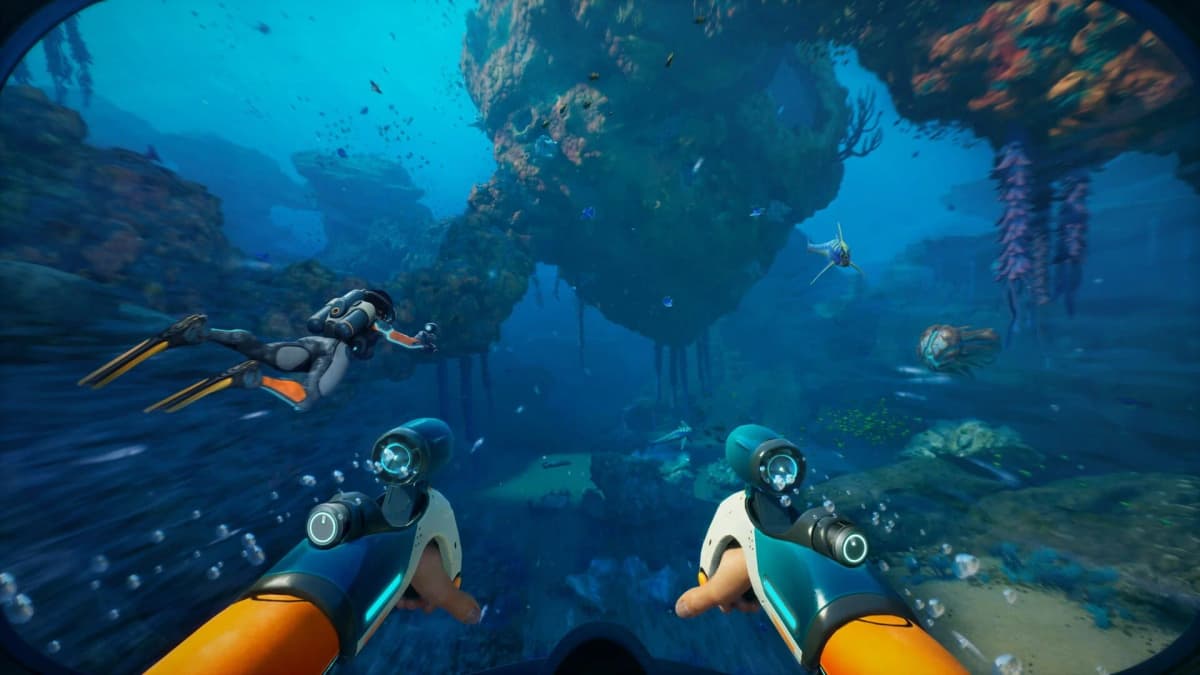
Voice chat, emotes, trading, and revive mechanics are not tiny garnish features. They are the social glue that makes multiplayer feel intentional instead of merely possible. If those are still queued up as roadmap items, then the version players have now is closer to “you can play together” than “this has already become a fully formed co-op survival sandbox.” Again, that is not scandalous. It is just the honest reading.
The uncomfortable question the roadmap raises is the one a PR rep would rather not linger on: how central is co-op supposed to be to the long-term identity of Subnautica 2, and how much of that identity is still theoretical? Because if multiplayer is one of the sequel’s headline differentiators, players need to know whether the final design is trending toward shared exploration with light convenience features, or a properly social survival structure where trading, revives, communication, and base coordination actually reshape how the game is played.
The roadmap hints at the latter, but it is still a hint. That distinction matters. A lot of survival games pitch co-op as a bullet point and only later discover they’ve built a single-player progression spine with extra bodies attached. Unknown Worlds now has to prove this sequel is doing more than that.
The good news is Unknown Worlds seems to understand where survival games usually trip
If you want the optimistic read, here it is: this is a smarter roadmap than the genre usually gets. Early Access plans often make the same mistake. They front-load headline content, chase streamer-friendly moments, and leave the boring systemic cleanup for later. Then “later” arrives, the audience has already fragmented, and the studio is trying to patch core friction into a community that has moved on to the next crafting treadmill.
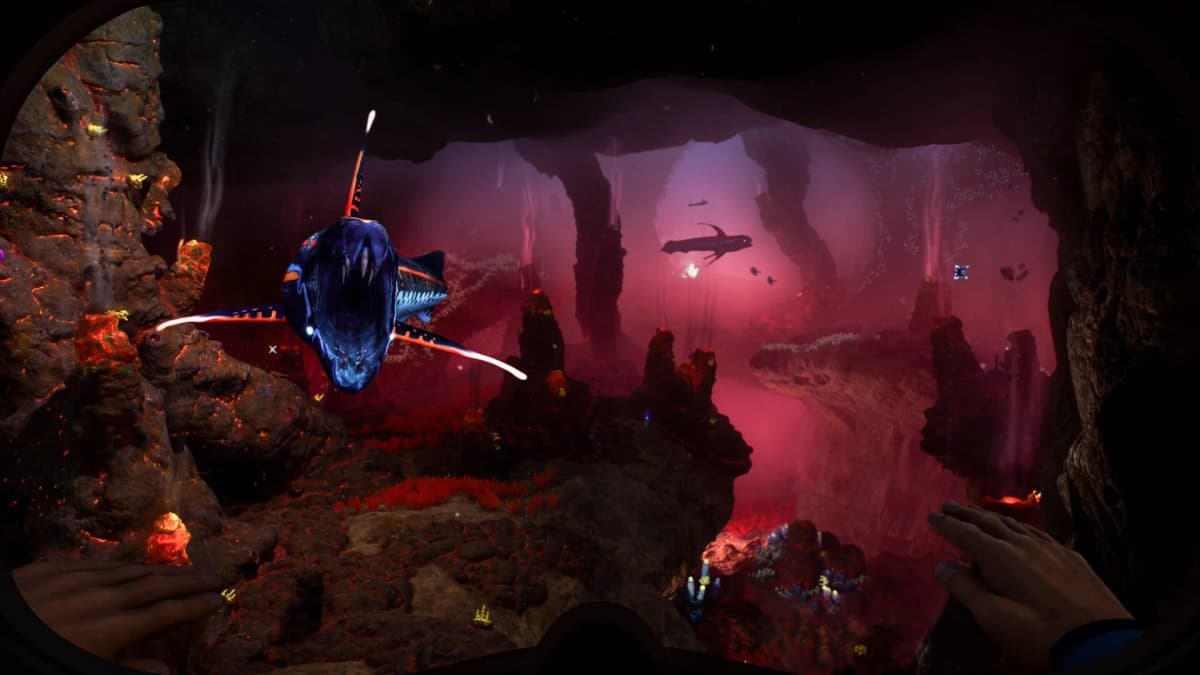
Unknown Worlds appears to be resisting that trap. Fixing biomods, wreck interactions, docking flow, databank and voicelog issues, and navigation readability before the content flood is exactly what a team should do if it wants the back half of Early Access to land cleanly. New biomes and creatures hit harder when the underlying play loop isn’t busy arguing with the player.
There’s also a practical development reality here. Big world-expansion updates are expensive, time-consuming, and hard to evaluate properly if your baseline player behavior is being distorted by small but constant irritations. If crafting flow improves, if traversal becomes smoother, if co-op groups can communicate and recover from mistakes more naturally, then the feedback the studio gets on later content will be better. You can’t balance a new biome well if players are still fighting the toolset used to explore it.
This is why the lack of dates is annoying but not automatically a red flag. Roadmaps with exact dates in Early Access have a habit of aging like milk, especially in systems-heavy games. “Subject to change” is frustratingly vague, but it is also more honest than pretending underwater survival development is a train timetable.
What players should expect to feel first
If EA 1.1 lands the way it should, the first difference won’t be spectacle. It’ll be reduced drag. You should spend less time wrestling information, less time backtracking because the game failed to surface something important, and less time doing inventory and crafting housekeeping the hard way. Base building should become less temperamental. Recipe tracking should be less memory-taxing. Sprint and storage cache changes, if implemented well, will shave seconds off hundreds of micro-actions. That sounds small until you remember survival games are made of micro-actions.
The co-op update, whenever it arrives, should feel more visible. Voice chat and emotes change social rhythm immediately. Trading and revive systems change risk. HUD improvements change coordination. Those are the features that can make a session feel like a deliberately co-op game rather than a solo one being politely shared.
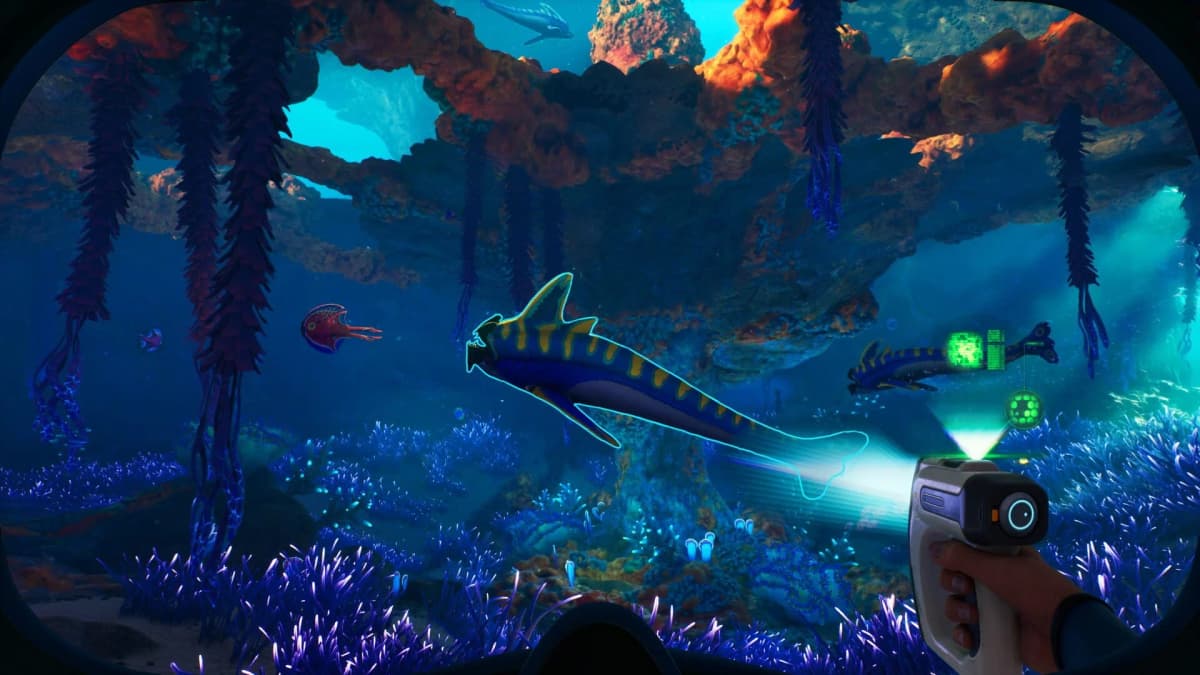
- EA 1.1 should be judged on friction reduction, not flash.
- The co-op patch should be judged on whether group play becomes structurally better, not just more convenient.
- The later content drops should be judged on whether the game earns a longer progression runway, not just a bigger map.
What I’d watch next
The first thing to watch is whether Unknown Worlds starts attaching rough windows to these updates. Not because dates guarantee anything, but because timing will tell you how much of this roadmap is already in production versus still in design cleanup. A near-term QoL patch arriving quickly would suggest the studio came into Early Access with a realistic list of known issues. If that first update slips into the fog, it may mean the underlying friction is deeper than the roadmap makes it look.
The second thing is player response to the co-op patch specifically. Not whether people like voice chat. Obviously they will use it. What matters is whether the conversation shifts from “this is fun with friends” to “this actually changes how Subnautica works.” If that shift never happens, then co-op may remain a marketing differentiator more than a transformative design leap.
Third, keep an eye on how the studio talks about the larger expansions. “More biomes and creatures” is the standard Early Access promise package. The meaningful detail will be whether those additions extend progression, deepen the ecosystem, and create new decision-making, or simply add more places to gather slightly different materials while admiring the scenery. Subnautica has always been better than the average resource treadmill. The roadmap now has to prove the sequel still knows why.
Right now, the message from Unknown Worlds is clear enough: stop expecting the next update to be the giant “real game starts here” moment. The next phase is about sanding down the rough edges players are already feeling. That is less glamorous than a new monster reveal, but it is also how good Early Access projects avoid becoming cautionary tales with beautiful water tech.
FinalBoss // Gear
Level up your setup
01Top-rated gaming headsetson Amazon→02High-refresh gaming monitorson Amazon→03Gaming chairson Amazon→04Discounted game keyson Kinguin→
Affiliate links · As an Amazon Associate, FinalBoss earns from qualifying purchases.
Want to Level Up Your Gaming?
Get access to exclusive strategies, hidden tips, and pro-level insights that we don't share publicly.
Ultimate Gaming Strategy Guide + Weekly Pro Tips