
Here’s the useful takeaway: Subnautica 2 is not demanding a monster GPU just to get in the door, but it is absolutely drawing a line on memory and modern PC readiness. Ahead of its May 14 early access launch, Unknown Worlds has confirmed a full spread of PC requirements for its Unreal Engine 5 sequel, including minimum, recommended, and ultra targets. The headline numbers are straightforward enough – GTX 1660 at minimum, RTX 3070-class at recommended – but the part players should actually pay attention to is the 12GB RAM floor, the SSD requirement, and what co-op plus UE5 likely mean for real-world performance.
Officially, the minimum spec targets 1080p on low settings at around 30 FPS with Windows 10 64-bit, an Intel Core i5-8400 or AMD Ryzen 5 2600, 12GB RAM, and either an Nvidia GTX 1660 6GB or AMD RX 5500 XT 8GB, plus 50GB on an SSD. Recommended jumps hard: Intel Core i7-13700 or Ryzen 7 7700X, 16GB RAM, and an RTX 3070 or RX 6700 XT for 1440p high at 60 FPS. Above that, the ultra presets move into enthusiast territory with 32GB RAM, top-end CPUs, and GPUs carrying 16GB of VRAM for 4K/60 ambitions.
Table of Contents (5)
The GPU story is softer than expected, but the RAM story is not
The easy read is “good news, a GTX 1660 still lives.” That part is true, to a point. If you were worried UE5 automatically meant RTX 4080-or-bust nonsense, that’s not what this spec sheet says. A lot of older mid-range PCs can probably boot this game and explore the ocean just fine on low settings.
But the more interesting signal is memory. A 12GB minimum is unusual enough to matter, because plenty of otherwise serviceable gaming PCs are still sitting on 8GB. That means the barrier here is less about raw graphics horsepower and more about whether your machine has kept up with the quiet baseline creep happening across modern PC games. Unreal Engine 5 didn’t invent that problem, but it has become a very efficient way to expose it.
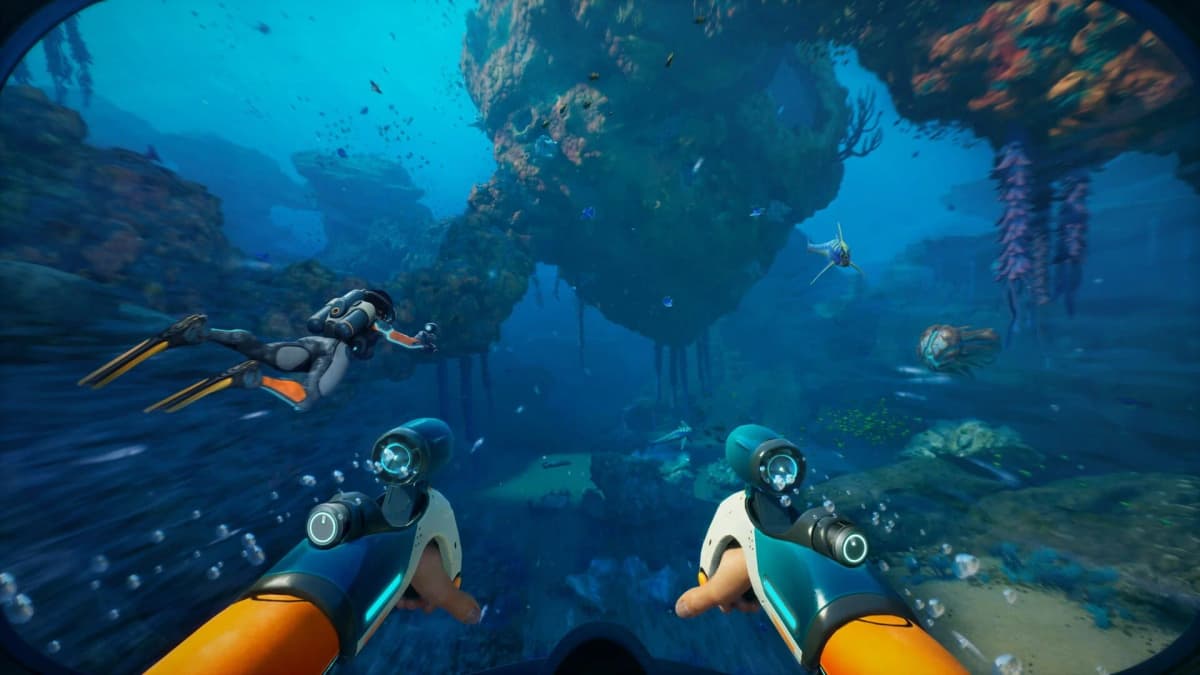
That’s why this spec drop feels more honest than some publishers’ usual fantasy math. Unknown Worlds is not pretending this thing will magically run well on a decade-old budget build. It’s saying: yes, older GPUs can still participate, but no, you don’t get to ignore RAM and storage anymore.
UE5 is doing what UE5 usually does
The engine change matters. The original Subnautica was never famous for immaculate technical polish; it was famous for atmosphere, terror, and making you deeply uncomfortable about what might be beneath you. That bought it a lot of goodwill. Subnautica 2 moving to Unreal Engine 5 suggests a bigger visual and systemic swing, but gamers know the tradeoff by now: UE5 can look fantastic, and it can also turn “recommended specs” into a polite suggestion if optimization slips.
That’s the uncomfortable observation the announcement doesn’t really solve. Early access games are, by definition, unfinished. UE5 games in early access tend to arrive with some amount of shader compilation weirdness, traversal hitching, or CPU overhead that the official spec sheet does not fully capture. A target of 1440p/60 on high with an RTX 3070 sounds reasonable on paper. Whether it feels stable in a large open-world survival game with streaming environments and multiplayer activity is the question that actually matters.
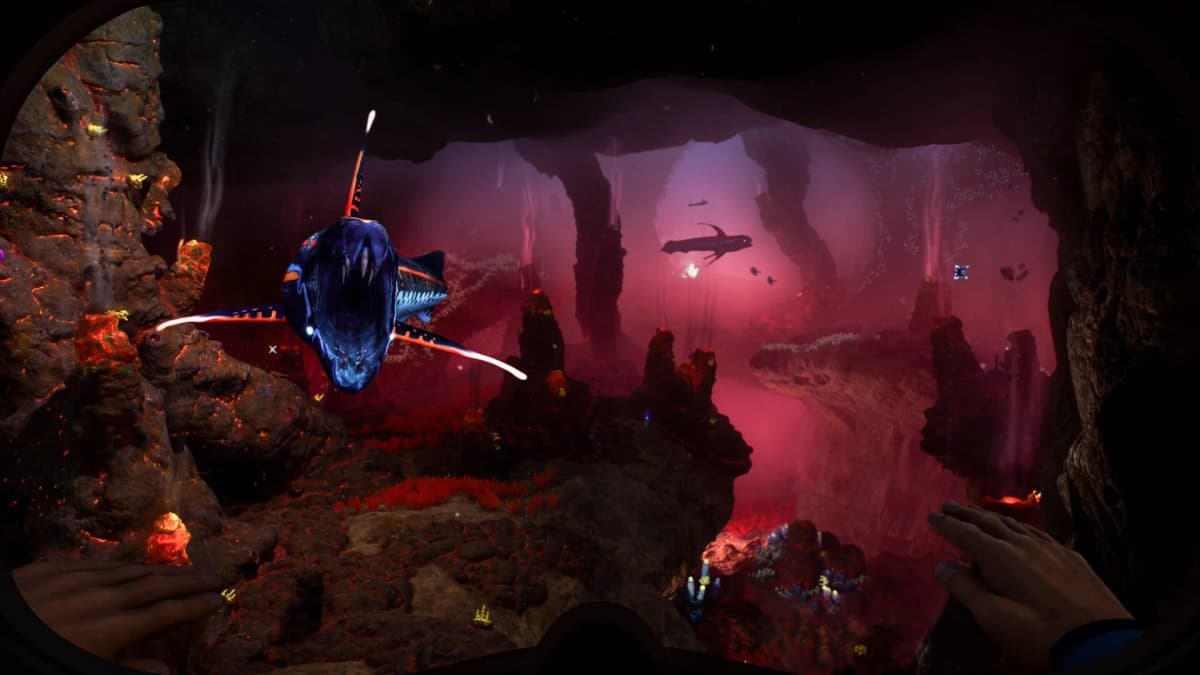
And yes, multiplayer activity matters here. Co-op is one of the sequel’s major selling points, but co-op also means more simulation load, more network overhead, and more opportunities for performance to wobble in ways a single-player benchmark does not reveal. If I were in the press Q&A, the question would be simple: are these targets based on solo play, four-player co-op, or the best-case scenario nobody actually uses?
What these specs really say about early access
This spec sheet is also a soft expectation-setting tool. Unknown Worlds knows players are going to judge this sequel not just against the first Subnautica, but against years of survival games that promised big systemic worlds and then spent a year in early access apologizing for stutters. By publishing clearly separated performance tiers – 1080p/30 minimum, 1440p/60 recommended, then ultra and beyond — the studio is trying to get ahead of that conversation.
That doesn’t guarantee anything, obviously. We’ve all seen requirement charts that looked sane until launch day turned them into fiction. But it does suggest the team understands the pressure points: RAM, VRAM, CPU scaling, and the fact that “it’s UE5” is no longer an excuse players accept on its own.
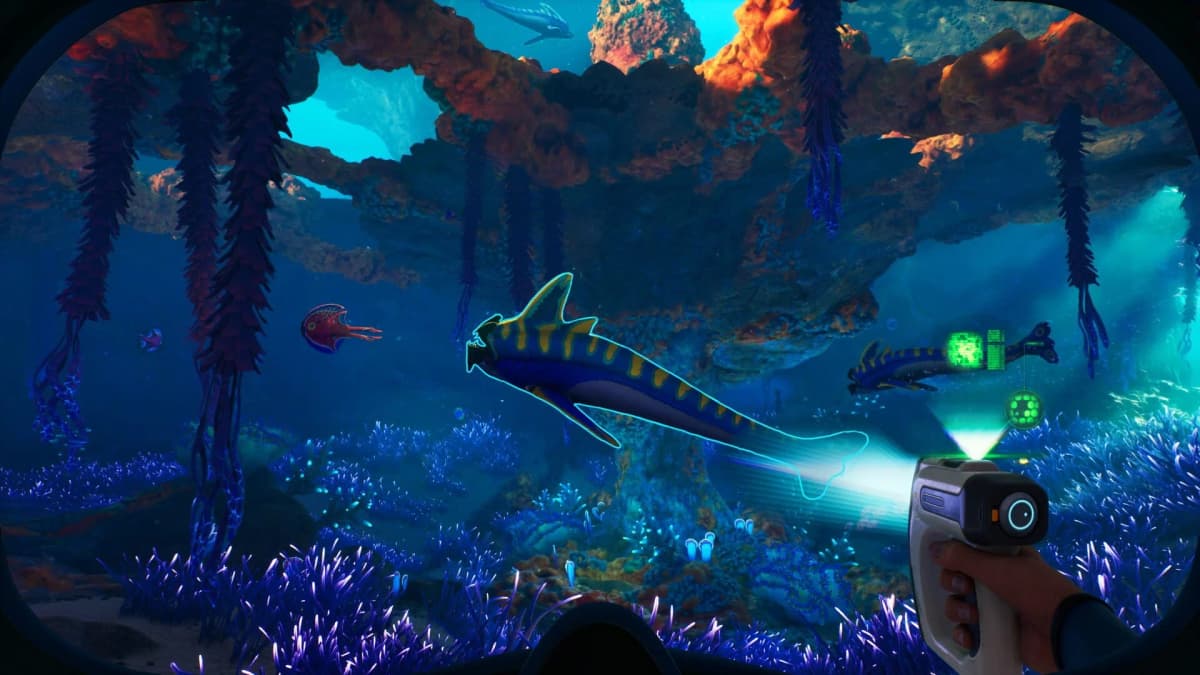
One small note on conflicting reports: some raw listings and secondary summaries floating around have mentioned 8GB RAM minimum or weaker recommended GPUs. Those figures do not line up with the more consistent published breakdown that points to 12GB minimum and a noticeably higher recommended tier. Until Unknown Worlds changes the store-page details itself, the 12GB baseline is the one worth planning around.
What to watch before May 14
- Whether Unknown Worlds clarifies if the published targets were tested in solo play, co-op, or both.
- Whether the studio confirms support for upscaling tech such as DLSS, FSR, or XeSS at early access launch, because that can meaningfully change who hits 60 FPS and who doesn’t.
- Day-one reports on shader stutter and CPU frametime consistency, which matter more in a survival game than a clean average FPS number.
- How 12GB systems hold up in practice. Minimum specs that “run” and minimum specs that feel playable are not always the same thing.
So yes, the good news is that Subnautica 2 is not locking the door on every older mid-range GPU. The less comforting news is that this sequel looks like part of the broader PC shift where memory, storage, and CPU headroom matter just as much as the graphics card. If your rig is still rocking 8GB RAM in 2026, this is the kind of release that stops being theoretical and starts being a shopping list.
FinalBoss // Gear
Level up your setup
01Top-rated gaming headsetson Amazon→02High-refresh gaming monitorson Amazon→03Gaming chairson Amazon→04Discounted game keyson Kinguin→Affiliate links · As an Amazon Associate, FinalBoss earns from qualifying purchases.
Want to Level Up Your Gaming?
Get access to exclusive strategies, hidden tips, and pro-level insights that we don't share publicly.
Ultimate Gaming Strategy Guide + Weekly Pro Tips