
You searched for a The Seven Deadly Sins: Origin tier list and most of what is out there is either franchise noise or screenshots from the wrong game. Here is a clean read on which units are actually carrying right now, how to build around them, and where to spend your pulls first.
Table of Contents (12)
The short version
- Top of the meta: Meliodas, Diane, Jericho, and Escanor are the units that consistently land at SS/S across the major tier lists.
- Strong support: King is a reliable S/A support pick, not a top-line carry.
- Contested: Tristan swings hard between lists (S+ to B depending on the source), and Guila settles around mid-tier (A/B), not top.
- Build by role, not by letter: Origin is an open-world action RPG, so survivability, utility, and weapon access change a unit’s real value on your account.
- Pull priority: if you are still rerolling, target one of the SS/S carries above. See our 8-minute reroll method to lock one fast.
What Origin actually is
The Seven Deadly Sins: Origin is an open-world anime action RPG set in Britannia, centered on Prince Tristan and exploration-driven progression. It is a Netmarble-style action RPG with party-based online co-op: up to four players, cross-play across Steam, PS5, iOS, and Android, with co-op unlocking after Episode 64 of Act 1. There is no confirmed PvP mode, so ignore any tier list that ranks units on “PvP performance” — that content does not exist in the official feature set.
This matters for how you read rankings. A single global ladder is the wrong format. Story clearing, boss damage, and co-op value rarely reward the exact same character, so the tiers below describe overall account value, and the role checklist further down tells you who to actually invest in for your situation.
Origin character tier list
These placements track the consensus across the major Origin tier lists (Game8, OSLink, 7DS.gg, LootBar, Genshin.gg). Where lists disagree, that disagreement is called out directly — it is more honest than forcing a single grade onto a unit the data does not agree on.
- SS / S (build around these): Meliodas, Diane, Jericho, Escanor.
- S / A (strong, role-dependent): King — a high-value support rather than a carry.
- Contested (S+ to B): Tristan — ranked S+ on LootBar, A on 7DS.gg, and B on Genshin.gg. Strong but build- and source-dependent.
- A / B (solid mid-tier): Guila — consistently useful, but not among the most-cited best units.
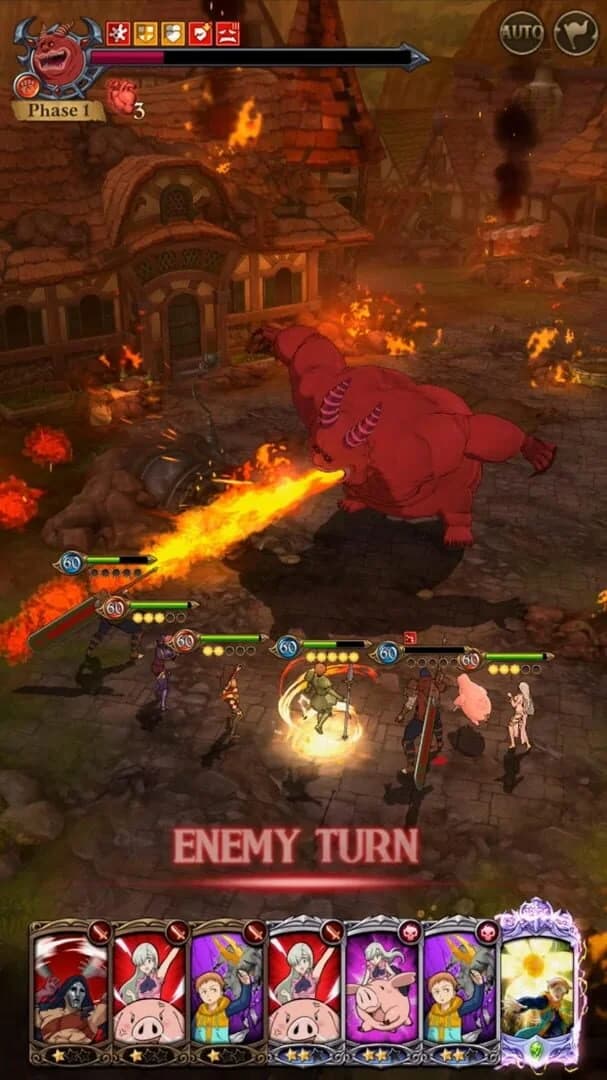
Meliodas, Diane, Jericho, and Escanor lead the meta
These four are the names that repeat at the top of real Origin rankings. Meliodas and Diane sit high in early and ongoing lists; Jericho lands at SS/S thanks to broad kit utility; and Escanor is both a fan-favorite pull and a genuinely strong unit, not just hype. If you keep seeing the same four names across different lists, that consistency is the signal worth acting on. Watch how they hold up when fights get messy — moving targets, interrupted combos, boss armor phases — because a unit that keeps contributing while you dodge is safer to invest in than one that only spikes in ideal rotations.
King is a support, not a carry
King lands in the S/A band, but his value is as a support: buffs, utility, and team enabling rather than headline damage. Slot him to make your SS/S carries hit harder and survive longer, not as your primary damage dealer. Support units like King also tend to age well — low-investment consistency matters a lot in the first months of a live-service game.
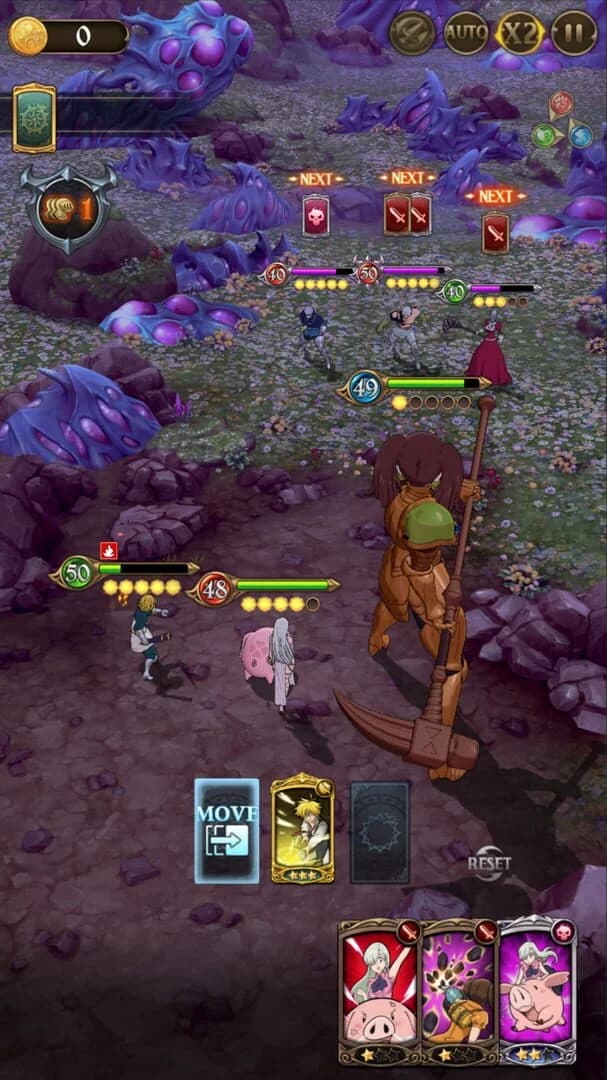
Tristan and Guila are the contested picks
Tristan is the clearest example of why you should not copy one list blindly: he is S+ on LootBar, A on 7DS.gg, and B on Genshin.gg. That spread usually means his ceiling depends heavily on build and content type. He is worth using, but do not slot your best weapon into him on the assumption he is locked top-tier. Guila is steadier but lower — she settles around A/B across lists, a solid mid-tier unit rather than a meta-defining one.
How to judge a unit on your account
A letter grade tells you what worked for someone else’s roster. This checklist tells you why a unit is strong on yours, which is what actually decides your pulls and weapon investment.
- Field-time efficiency: Does the unit do meaningful damage or support in short windows, or do they need long uninterrupted uptime? In movement-heavy fights, short reliable windows age better than slow showcases.
- Survivability: Self-healing, shields, damage reduction, i-frames, or safe ranged pressure matter more than raw DPS when fights force repositioning.
- Utility: Crowd control, defense shred, break or stagger potential, and team buffs scale better into harder content than one more selfish damage dealer.
- Weapon dependence: A unit that only shines with a signature weapon or duplicate pulls should rank lower for most players than one who functions well out of the box.
- Team flexibility: The best early picks slot cleanly into many teams instead of needing one specific partner to become playable.
Best teams to build right now
Because this is a Netmarble-style action RPG, a balanced composition carries more than chasing one headline unit. Build around roles:
- Story and exploration: one reliable on-field damage dealer (Meliodas or Diane), one sustain slot, one utility slot (King), and one flexible pick for range or mobility. Keeps open-world encounters fast without falling apart in longer fights.
- Boss teams: prioritize sustained damage (Jericho or Escanor), defense shred or debuff utility, and at least one way to stay safe through forced mechanics. Bossing punishes greed, so stable uptime beats highlight-reel burst.
- Co-op (up to 4 players): avoid stacking too many selfish carries. Teams that bring crowd control, buffs, and off-field value age better once other players are involved.
When you decide which unit gets your best weapon, give it to the one who improves the whole account — clears story smoothly, handles bosses without constant resets, and stays useful when your rotation breaks down — not just the one with the biggest isolated damage number.
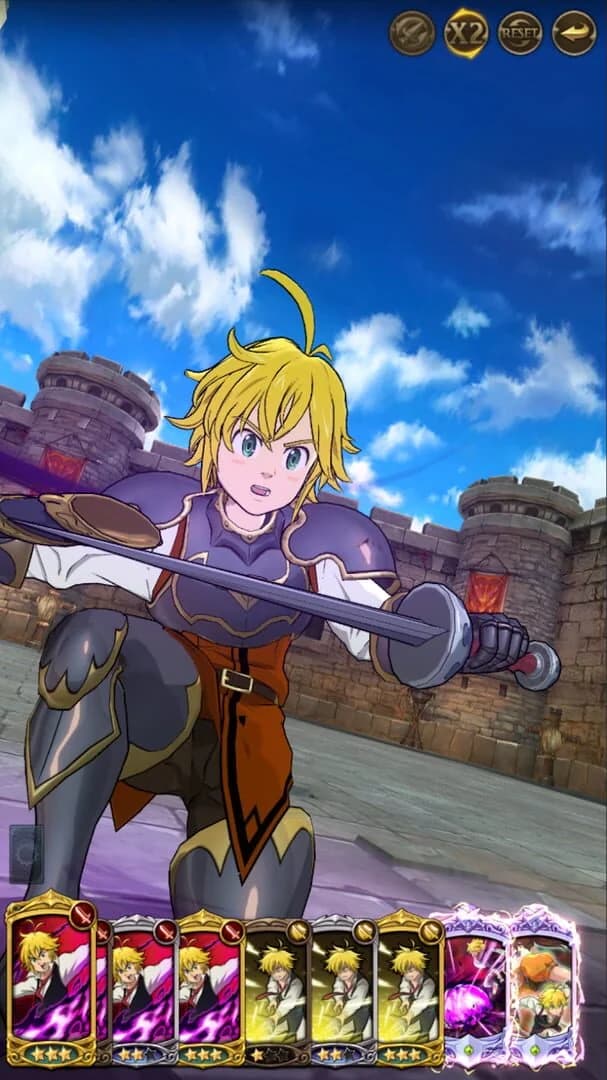
How weapons distort tier lists
Weapons are where rankings get misleading fastest. A unit can look top-tier in footage purely because they are paired with gear most players will not have. The footage is not fake — it just is not representative of your account.
- If a unit needs a signature or high-rarity weapon to feel complete, lower their practical rank for you.
- If a support works well on modest gear, raise their value — low-investment consistency wins in a new game.
- If cooldown reduction, energy gain, or survivability stats improve comfort, do not chase raw attack at the expense of real uptime.
- If a tier list never states its weapon assumptions, treat the ranking as incomplete.
Common mistakes
- Ranking units on “PvP” — Origin’s confirmed multiplayer is co-op only, so PvP tiers describe nothing real.
- Copying Tristan’s grade from a single list when sources disagree by four full tiers (S+ to B).
- Treating Guila as a top pick because she shows up often; she is consistently mid-tier (A/B).
- Dumping your best weapon into the flashiest carry instead of the unit that lifts your whole roster.
- Using The Seven Deadly Sins: Grand Cross rankings — it is a separate, older turn-based mobile gacha game, not this open-world action RPG.
Practical takeaway
If you want one move: reroll or pull toward Meliodas, Diane, Jericho, or Escanor, slot King as your support, and build by role instead of chasing a single letter grade. Treat Tristan as strong-but-build-dependent and Guila as a steady mid-tier pick. Put your best weapon on the unit that carries your whole account, and ignore any “tier list” that ranks PvP or borrows screenshots from Grand Cross.
FinalBoss // Gear
Level up your setup
01Mobile gaming controllerson Amazon→02Top-rated gaming headsetson Amazon→038BitDo controllerson Amazon→Affiliate links · As an Amazon Associate, FinalBoss earns from qualifying purchases.
Want to Level Up Your Gaming?
Get access to exclusive strategies, hidden tips, and pro-level insights that we don't share publicly.
Ultimate Guide Strategy Guide + Weekly Pro Tips