
Table of Contents (15)
Why Resident Evil Requiem’s Easter Eggs Hit So Hard
Resident Evil is one of those series that rewires the brain a little. After a few decades of shambling through Spencer Mansion hallways and ducking Mr. X’s footsteps, every filing cabinet, license plate, and blood smear starts to look like a potential hint. Resident Evil Requiem leans into that mindset completely. It’s not just another return to Raccoon City; it’s a scavenger hunt built for people who still remember the PS1 inventory chime in their sleep.
Playing Requiem on a big screen with the lights off, I caught myself constantly pausing just to zoom into background details. A cracked poster here, a weird bottle label there – Capcom packed this thing with quiet callbacks. Some are loud and obvious (the game knows exactly what it’s doing with that towering vampire reference), others are so deep-cut they feel like inside jokes aimed at the Outbreak diehards and RE2 lifers.
This list sticks to 12 of the most fun, game-focused Easter eggs: nods that tie Requiem back into the wider Resident Evil universe rather than generic horror tropes. It runs the gamut from fan-favorite tofu to a wine bottle that basically winks at Castle Dimitrescu, plus a bunch of blink-and-miss-it details in the RPD and Raccoon’s streets.
There are more secrets out there, of course – the community is already ripping Requiem apart frame by frame – but these are the ones that actually changed how I played, made me grin, or sent me down lore rabbit holes after the credits rolled.
1. Tofu Survivor Still Haunts the RPD

The first time Requiem tipped its hand for me was in the RPD’s West Corridor. The lighting there already feels like pure RE2 Remake – harsh fluorescents, wet floors, that awful hum of silence – and then something pale shifted behind a cracked window. For a split second it looked like a glitch. Then it turned, the little RPD cap caught the light, and my brain finally caught up: they put Tofu back in the station.
It isn’t a cutscene or a big “hey look at this” moment. After the first Tyrant encounter, if you loop back through Reception, the West Corridor, or peek into the Operations Room windows, there’s a chance to spot a wobbling, hat-wearing block of white gelatin strolling past outside. Shooting at the glass makes it flinch and, if the shots land, tiny chunks of its “body” fly off in exactly the low-poly way fans remember from the original bonus mode and the RE2 remake. It never properly engages, never turns into a full boss fight. Tofu just staggers along the periphery like a weird shared hallucination for players who’ve been here since the 90s.
It’s such a specific kind of fan service: utterly pointless for new players, but for anyone who suffered through the original Tofu Survivor runs, it instantly turns the RPD into a haunted museum of Capcom’s own in-jokes. There are plenty of big references in Requiem, but this is the one that made me literally stop, laugh, and waste ammo just to see how many slices I could carve out of that ridiculous, beloved meme character.
2. Grace’s Lockpicks and the “Like Mother, Like Daughter” Nod
Requiem’s new lead, Grace, feels built from the ground up as a love letter to the more grounded, everyday survivors in Resident Evil – the Outbreak crew especially. That really crystallizes in the Rhodes Hill Chronic Care facility when the game quietly hands you a set of lockpicks and lets series history do the rest of the work.
Early on, there’s a side room with a couple of medicine cabinets and a metal drawer that, at first glance, looks like background dressing. Try to interact with it and Grace pulls out a battered leather roll of tools that looks exactly like Alyssa Ashcroft’s lockpicks from Resident Evil Outbreak. Use them enough – popping open supply drawers, maintenance closets, and one extremely rude hallway shortcut – and a trophy pops: “Like Mother, Like Daughter.” The implication isn’t subtle. Between the name, her investigative background, and a few files tucked away in Rhodes Hill, Requiem is basically confirming Grace as Alyssa’s kid.
Mechanically, it’s just a contextual lockpicking system: a little animation, a small loot bump, the satisfaction of bypassing yet another “needs key” message. But the way the game frames it, especially in that hospital, turns it into something more. Outbreak has always felt like the weird cousin of the series – loved by fans, largely ignored elsewhere – and tying Grace directly back to Alyssa gives that whole branch of the lore some overdue respect. Every time I found another “unpickable” door later in Requiem, I checked anyway, purely because that trophy had rewired the way I looked at Grace’s toolkit.
3. Lady Dimitrescu’s Sanguis Virginis on the Helipad
The most on-the-nose Easter egg in Requiem is hiding in a place that feels almost aggressively mundane. On the rooftop Helipad building – the kind of grey, utilitarian space that screams “late-game boss arena prep” – there’s a tiny maintenance room off to the side. Inside: a neglected wine rack, a couple of empty crates, and one very familiar bottle, complete with its ornate red label.
Pick it up and the inspection text confirms it: “Sanguis Virginis, 1958.” It’s the same name and almost the same label design as the blood wine from Resident Evil Village, right down to the flourish of gothic script. Rotate the model and another detail pops – a small embossed insignia at the base that, up close, looks like a double helix twisted into the outline of a castle tower. That’s a cheeky nod in two directions at once: the in-universe obsession with mutagenic viruses and the real-world production codename for Village’s development.
There’s no big lore dump attached to it; no file saying “shipped directly from Castle Dimitrescu” or anything quite that blunt. Instead, it sits there as a visual suggestion that the same wealthy, corrupt networks that fueled Village’s horrors are still quietly moving product around the world. For me, the best part was how banal it felt. After everything that went down in Eastern Europe, some Umbrella-adjacent suit is still hoarding souvenir vampire wine in a dingy Raccoon City utility room. It’s a flex from Capcom too – they know exactly how iconic Lady D became, and this is their way of smuggling her shadow into a game that never actually needs to show her.
4. HUNK’s Corpses and the Mortal Edge Axe
Resident Evil fans have a special relationship with HUNK. He barely speaks, his face is never really seen, and yet the “Grim Reaper” has anchored some of the series’ most punishing bonus modes. In Requiem, his legacy shows up in a way that’s appropriately bleak. Deep in the Raccoon streets, past a barricaded bus and a burning sedan, there’s a collapsed alley where Umbrella Security Service bodies are piled like discarded equipment.
Most of them are generic troopers, but one slumped against a wall has that unmistakable gas mask-and-helmet combo, half-buried under debris. Looting the body gives you the “Mortal Edge,” a tactical axe that plays like a hybrid between a combat knife and a heavy melee weapon. A nearby file, partially burned, refers to its owner only as “the Reaper,” outlining a mission that clearly parallels the Fourth Survivor run from RE2 Remake before cutting off mid-sentence. Swinging the axe in combat even feels like a quiet callback: the heavy finisher has this vicious downward chop that turns some zombies’ heads into that familiar, lolling mess fans have seen a thousand times in old pre-rendered backgrounds.
It’s a stark, almost cruel Easter egg. HUNK has always survived everything the series threw at him, and Requiem doesn’t definitively confirm that this corpse is canonically him. That ambiguity is the point. The emblem on his vest, the wording in the file, and the axe’s upgrade description (“Few walk away when the Reaper swings.”) all push the implication without locking it down. Lore-wise, it keeps the myth alive. Gameplay-wise, it hands you one of the more satisfying melee tools in the game, soaked in just enough history to make every swing feel like borrowed reputation.
5. Barry Burton’s Extremely Barry To-Do List

Capcom clearly understands that half of Barry Burton’s charm is that he feels less like an elite operative and more like someone’s overworked dad who happens to carry a hand cannon. Requiem taps into that energy perfectly with a throwaway document in the RPD that wound up being one of my favorite finds in the whole game.
In a supply office just off the main hall, pinned to a corkboard behind some spare flak vests, there’s a handwritten “To-Do Before Transfer” list signed with a barely legible “B.B.” The bullet points read like deep cuts for anyone who played the 1996 original: reminders to “double-check that dining room clock” and “stop leaving magnum rounds in random boxes,” plus a scribbled note to “make sure Jill actually carries that lockpick this time.” Ticking off the implied tasks – investigating the side rooms the list mentions, rummaging through a very suspicious stack of cardboard boxes – leads to a small cache of magnum ammo hidden under a ragged S.T.A.R.S. emblem.
None of this is essential. By the time you reach this wing of the station, it’s entirely possible to just barrel past the office without a second glance. But lingering there, reading Barry basically nagging himself via clipboard, hit that perfect tone between parody and canon. He’s still the guy who hands over life-saving tools with a corny one-liner, still the one obsessing over gear before everyone else spills blood on the tiles. Requiem uses a single note and a tiny scavenger hunt to remind you that the original mansion crew existed in this world long before Grace ever set foot in the station.
6. Rebecca’s Basketball Photo and Wesker’s Shades
The most layered callback in Requiem sits quietly in the RPD’s library, and it’s the kind of thing that only really lands if you’ve spent too much time clicking on desks in the old games. Tucked among the dusty shelves is a ledger stamped “Property of R.P.D. – Last Borrower: A. Wesker.” On its own, that’s already a little wink. Open it, though, and a yellowed Polaroid slips out: Rebecca Chambers in a basketball uniform, mid-jump shot, grinning at the camera.
That’s a direct evolution of the legendary Resident Evil 2 Easter egg where repeatedly searching Wesker’s desk eventually rewarded you with a photo of Rebecca in sports gear. Requiem goes a step further. Examining the picture properly reveals a code scribbled on the back in marker. Plug that into a locked armory briefcase in the S.T.A.R.S. office and the case pops to reveal a pair of extremely familiar black sunglasses. Equipping them doesn’t somehow turn Grace into a supervillain, but the cosmetic is impossible to miss – same sharp frame, same reflective sheen, even a little glint animation when the light catches them in cutscenes.
It’s a perfect three-layer joke. First, the devs bring back one of the series’ earliest “keep poking this until something fun happens” secrets. Then they loop Rebecca and Wesker together again through a mundane library book. Finally, they hand players the most iconic prop in Wesker’s whole character design as an optional fashion item. I walked around in those shades for hours, purely because it made every briefing scene feel like Grace was one snarky monologue away from going full villain arc.
It’s a perfect three-layer joke. First, the devs bring back one of the series’ earliest “keep poking this until something fun happens” secrets. Then they loop Rebecca and Wesker together again through a mundane library book. Finally, they hand players the most iconic prop in Wesker’s whole character design as an optional fashion item. I walked around in those shades for hours, purely because it made every briefing scene feel like Grace was one snarky monologue away from going full villain arc.
🎮 Get This Game at the Best Price
Compare prices instantly and save up to 80% on Steam keys with Kinguin — trusted by 15+ million gamers worldwide.
*Affiliate link — supports our independent coverage at no extra cost to you
7. Leon’s Jeep and That Familiar License Plate

Requiem’s return to Raccoon City could easily have been a messy nostalgia dump, and sometimes it edges close. One of the smarter touches, though, is how it threads callbacks into the background traffic of the city rather than staging big, dramatic reveals. The burned-out jeep parked near the station’s side entrance is a great example.
At first, it’s just scenery: another wrecked car on another scorched street. But walk around to the front, brush the soot off the bumper, and the license plate peeks through. It matches the pattern fans memorized from Leon’s ride in earlier versions of Resident Evil 2 – same arrangement of letters and numbers, just weathered and half-melted. The camera even does a subtle push-in when you examine it, letting the memory of that infamous “rookie cop’s first day” opening cutscene fill in the rest.
There’s no objective marker here, no checklist tick. It simply exists as spatial storytelling: Leon really did roll into hell down this same street, years before Grace is trudging through its ashes. Combined with a few scattered police radio logs you can find later, it quietly anchors Requiem in the same continuity as the remakes without needing someone to say “remember when Leon was here?” out loud. I caught myself standing there longer than I expected, letting the mental overlay of the PS1 and Remake intros play out against Requiem’s grimmer, more decayed version of the city.
8. The Arklus Building and Sakura in Reverse

Raccoon City has always hidden a lot of its lore in signage – fake brand logos, company names that only make sense once you’ve pieced together file fragments. Requiem continues that tradition with a building that most players will probably rush past on their way to the next objective: the Arklus Tower.
It’s a slick corporate block on the edge of the commercial district, all glass and steel, its neon logo half-flickering in the smoky skyline. The name is what matters. Longtime fans will clock it as suspiciously close to “Arklay,” the mountain range that hosted the original mansion incident, but the real trick is in the sign itself. Catch its reflection in the rain-slick street at a certain angle and the stylized typography reads “SAKURA” in reverse. That’s a deep-cut meta nod to one of Capcom’s internal codenames, looping real-world development history back into the fiction.
The building has no huge role in Requiem’s story; you never fight a boss in its lobby or raid its labs. You just skirt its perimeter, hear the distant alarm chirps, and maybe spot that reflected logo if you happen to pan the camera down while moving. For lore nerds, though, it turns the entire block into a little shrine to where the series started – a reminder that all these sleek biotech fronts still trace their lineage back to one “quiet” research facility in the woods. It’s the kind of Easter egg that doesn’t hand you ammo or items, just a nice jolt of recognition and a sense that Capcom is willing to get weirdly specific for the people paying attention.
9. JoJo’s Locker and the Mini Capcom Museum

The West Office in the RPD has always been a little time capsule of Capcom’s obsessions, and Requiem doubles down on that vibe. The standout callback here is the return of “JoJo’s” locker. In the original RE2, one of the lockers had that name scribbled on it – a nod to director Hideki Kamiya’s JoJo’s Bizarre Adventure fandom. This time, the nod is even more explicit.
One locker sports a key fob dangling from its handle, the plastic tag stamped with a stylized “JOJO” logo. Open it up and you’ll find a handful of handgun rounds, a doodled manga panel taped to the inside door, and a tiny keychain shaped suspiciously like a certain stand arrow. It’s cute, self-indulgent, and extremely in-character for this room. Pan the camera around and the rest of the office is basically a low-key Capcom museum: a faded Street Fighter poster pinned above a corkboard, a stack of arcade flyers half-buried under reports, and a whiteboard where the score names line up a little too neatly with release years for some of the publisher’s biggest hits.
None of it turns into an explicit crossover. You’re not suddenly unlocking Ryu as a secret character or anything so blunt. Instead, Requiem treats the West Office like a place where bored cops killed time dreaming about fighting game tournaments and manga chapters between zombie outbreaks. It folds the studio’s actual history and tastes into the environment in a way that’s playful without yanking you out of the horror tone. I lingered here longer than any other “safe” room, just soaking in all the tiny references and imagining what this squad’s coffee breaks used to look like.
10. The New Tyrant Variant and Mr. X’s Shadow

It almost feels wrong to call Requiem’s towering bioweapon a mere “Easter egg,” because it’s a major gameplay pillar. But the way this Tyrant variant is presented is so steeped in nostalgia that it may as well have a caption reading “remember this nightmare?” across the screen. The first encounter in the RPD lobby mirrors Mr. X’s iconic arrival beat for beat: the heavy boots, the camera tilt up from coat hem to expressionless face, the distant siren cutting out at just the right moment.
The differences are where the nod becomes interesting. This model’s trench coat hangs a little looser, its exposed skin webbed with almost G-virus-style veining rather than the smoother look of the T-103. The AI pushes it harder into Nemesis territory at times, vaulting low obstacles and swiping down from ledges instead of just trudging straight at you. But certain animations – the way it pauses to turn its head when it loses line of sight, the specific posture when it shoulders open a door you thought you’d sealed – are straight lifts from RE2 Remake. It’s like a remix of the series’ greatest hits in one relentless package.
Most importantly, Requiem understands that a lot of the fear of Mr. X came from the sound design, so it keeps that oppressive, echoing footstep rhythm. The Easter egg here isn’t just “look, another Tyrant.” It’s the way the game deliberately weaponizes everything players learned escaping Mr. X – which corridors are safe, how long to linger in a side room – then tweaks the rules just enough that your muscle memory betrays you. It is pure fan-oriented cruelty, and it works.
11. Bolt Cutters, Blood Baths, and the First-Person Era
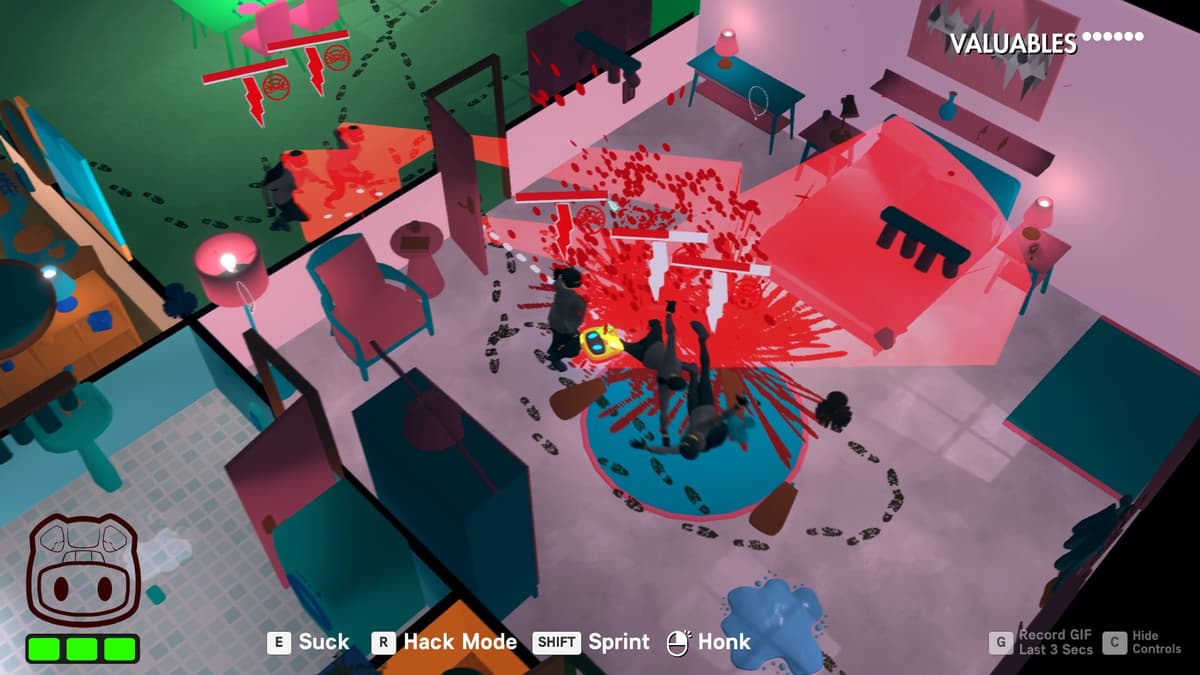
Requiem spends a lot of time nodding to the PS1 and PS2 days, but it doesn’t ignore the more recent first-person revival. The Rhodes Hill Chronic Care facility in particular feels like a quiet bridge back to Resident Evil 7 and Village if you know what to look for. The first time you pick up the bolt cutters is déjà vu in the best way: same chunky silhouette, same deliberate animation of the blades chewing through a fat chain on a storage gate. Even the sound has that metallic crunch that anyone who broke into the Baker guest house will recognize instantly.
Upstairs, in a ward bathroom that’s disturbingly intact, there’s a bathtub scene that might as well have “Dulvey Incident” stamped on it. The tub is brimming with congealed, almost tar-like blood, glistening under a flickering fluorescent. Interact with the plug and a slow, stomach-turning gurgle plays as the liquid drains away, revealing a small key and a scrap of a patient report referencing “mold-like growths” and “familial delusions.” It’s not a lore retcon so much as a tonal callback – a reminder of how claustrophobic and intimate the horror felt when the series went first-person.
What I liked most is how understated it is. There’s no “as seen in Louisiana” note, no file spelling out that these doctors were directly studying the same phenomenon. It just layers those visual and audio motifs into Requiem’s own story, letting the player draw the connection. For anyone who came back to Resident Evil because of 7, it’s a nice reassurance that Capcom sees that era as just as essential to the series’ identity as the pre-rendered hallways and tank controls.
12. Roulette Codes, Zombie Vending Machines, and Blood That Behaves
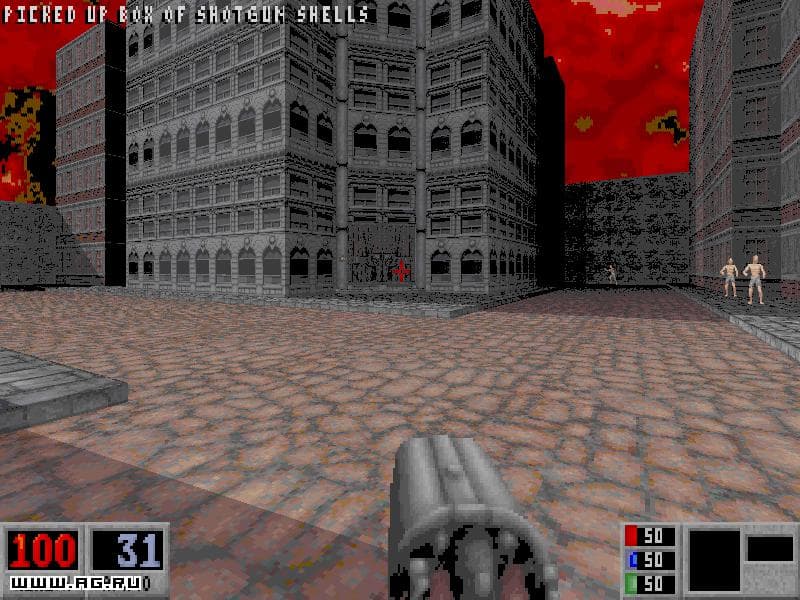
Some of Requiem’s smartest Easter eggs aren’t tied to specific characters at all, but to the series’ puzzle DNA and its love of weird environmental gags. Deep in an underground maintenance level, there’s a makeshift staff break area that doubles as a tiny, miserable casino: one unplugged slot machine, a roulette table, and a vending machine humming away in the corner. On the surface, it’s just flavor. Poke at it a bit and the references start to stack.
The roulette puzzle that guards a side stash room uses three-letter codes instead of numbers. The combinations – GGC, AAG, RNA – are basically a mash note to the series’ obsession with alphabet-soup viruses and genetics. Crack it once and it’s obvious in hindsight, but in the moment it feels like the classic Resident Evil experience of staring at a nonsense clue until the biohazard theme clicks. The vending machine, meanwhile, spits out more than soda. Shoot it enough and eventually a corpse tumbles out with a wet thud, animates, and lunges, turning the whole thing into an interactive version of the kind of background gag you’d expect from the old FMV intros.
Then there’s the blood. Requiem makes a quiet flex here with how the blood pooling around that emerging zombie actually flows and trickles down the sloped concrete, reacting to your footsteps and ragdoll bodies. It’s subtle, but the pattern of it trailing down a stairwell and under a door feels like a three-dimensional remake of those classic pre-rendered hallways with their ominous crimson stains. It’s an Easter egg aimed purely at the eye – no files to read, no loot to grab – just a technical and aesthetic nod to how far the series has come since those first, pixelated smears.
Why These Requiem Easter Eggs Actually Matter
Playing through Resident Evil Requiem with all these references in mind, the thing that stood out most wasn’t just the density of the Easter eggs, but how targeted they are. This isn’t random horror trivia stuffed into background art. From Tofu’s wobbly silhouette to that dusty bottle of Sanguis Virginis, the game keeps threading specific, game-centric memories straight into its environments.
It helps Requiem feel less like a disconnected spin-off and more like a hinge piece in Capcom’s larger universe. Grace’s lockpicks tug Outbreak back into the conversation. HUNK’s implied last stand and Leon’s abandoned jeep ground the story in the same nightmare timeline as the RPD we already know. The first-person nods, the Arklus/Sakura signage, even the goofy zombie vending machine – they all quietly acknowledge different eras of Resident Evil without turning the game into a museum tour.
The community is already pulling apart frame grabs and chasing down mysteries that go beyond these 12, and that feels right. Resident Evil has always rewarded the kind of player who checks every desk fifty times, and Requiem might be the most deliberate expression of that design philosophy yet. It’s a new story, with new characters and threats, but the series’ whole messy history is smeared across its walls, tucked into its lockers, and lurking just out of sight behind cracked RPD windows. Exactly where it belongs.
FinalBoss // Gear
Level up your setup
01Top-rated gaming headsetson Amazon→02High-refresh gaming monitorson Amazon→03Gaming chairson Amazon→04Discounted game keyson Kinguin→Affiliate links · As an Amazon Associate, FinalBoss earns from qualifying purchases.
Want to Level Up Your Gaming?
Get access to exclusive strategies, hidden tips, and pro-level insights that we don't share publicly.
Ultimate Top Strategy Guide + Weekly Pro Tips