
Cascade Laboratories is the part of Abiotic Factor where memorizing the layout room by room stops working. It is the high-security research and containment sector inside the GATE Cascade Research Facility, stacked across multiple levels with corridors that reuse the same interior look. An interactive map only pays off if you treat it as a route planner, not a loot pinboard. Use it to cut wasted movement, stop missing collectibles, and turn a confusing facility into a handful of clean sweeps.
Table of Contents (12)
The short version
- Know what it is: Cascade Laboratories is the containment-heavy sector inside the larger GATE Cascade Research Facility, not a standalone level.
- Anchor on infrastructure first: map your nearest Personal Teleporter and tram link before you look at a single pickup.
- Sweep one level at a time: clear a level fully before changing floors instead of chasing the nearest marker across the facility.
- Track collectibles by category: research items, recordings, and terminals are checklist entries, not flavor.
- Build loops, not lines: enter at one teleporter, curve through the sector, exit at another so you never retrace a corridor under load.
What Cascade Laboratories actually is
Cascade Laboratories is a sector, not the whole map. The broader complex is the GATE Cascade Research Facility; Cascade Labs is the multi-level, high-security research and containment block inside it. That distinction matters for routing, because the facility also runs into other major regions, and the transit you use to reach Cascade Labs is the same transit that gets you back out fast.
The sector disorients players in two reliable ways. First, it stacks routes vertically, so the room you want is often above or below your position even when the horizontal layout looks right. Second, objective progress, scavenging, and combat risk all happen in the same spaces. An interactive map fixes both by letting you read the sector as systems instead of scenery: where the connectors are, where the threats sit, and where your fast exits live.
Lock down your fast-travel anchors before anything else
The single biggest time saver is treating transit as the backbone of the route. In Abiotic Factor, fast travel runs on craftable Personal Teleporters that link to your workbenches, so the network is something you build out as you go rather than a fixed set of pads. On top of that, trams connect the facility’s major regions on a fixed line, running Wildlife into Containment into the Dam. Place a teleporter near your working sector and you turn every cleanup run into a short loop instead of a long walk home.
So before you enable a single loot marker, answer one question on the map: what is my nearest entry and my nearest exit? A safe return trip usually depends on the closest teleporter or tram stop, not on retracing your entry path. Plan the exit first and you stop dying on the way out with a full inventory.
Divide the sector into levels and clear them one at a time
Stop treating Cascade Laboratories as one location. Break it into its levels and handle each as a separate run. This beats chasing the nearest visible marker, because the nearest marker is often separated from you by security doors, an elevation change, or a patrolled corridor that forces a long detour.
A level-first approach also keeps your mental map stable. When you enter a level looking for items, lore, or an interaction, clear the entire local cluster before you change floors. Most missed collectibles happen when players bounce between floors after spotting a marker elsewhere, then forget which branch rooms they left unfinished.
If your map tool offers layer toggles, use them hard. A fully enabled map looks complete but reads poorly: too many markers flatten priority and you stop seeing the route. Show only the layers that serve the run in front of you.
The filter order that actually works
Read the space before you decide what to grab inside it. The order is structure first, threats second, objectives last.

- Teleporters and tram stops: set your nearest entry and exit first.
- Doors, vents, elevators: these decide whether a route is direct, vertical, or blocked.
- Enemies and bosses: see the risk before you commit to a corridor.
- NPCs and interactions: drop your target inside the planned route.
- Items and collectibles: add the pickup layer last, for cleanup.
This order kills the most common bad run: spotting a useful item, walking toward it, and only then finding out the approach crosses a threat cluster or needs a floor change you never planned. With a structural pass first, the map becomes a route planner instead of a shopping list.
Track collectibles by category, in concentric passes
Collectibles in Cascade Laboratories are worth tracking as a proper checklist, broken out by category, rather than picked up at random. The lore lives in research items, audio recordings, personal recordings, and data terminals, and the cleanest map tools list them by type so you can confirm a level is genuinely done. Exact in-menu labels vary, but the categories are there to be cleared.
Run them in concentric passes. First pass: follow your main objective route and grab anything directly on path. Second pass: clear the side rooms adjacent to corridors you already completed. Third pass: sweep the isolated corners that need separate access tools or an elevation change. This stops you crossing the same central halls over and over, and it stops you grabbing one terminal while leaving three related rooms unchecked on the same wing.
If your map supports completion checklists, audit them after each level, not after the whole sector. Level-level completion is easy to verify; wait until the end and the gaps are always one vent room, one tucked-away terminal, or one office a floor off the route you remember.
Read NPC and enemy markers together
Interaction markers are most useful paired with the enemy layer. On their own they tell you where to go. Combined with hostiles, they tell you how to get there without burning resources. In a sector where combat risk and pathing complexity overlap, a target that is close in a straight line can have a much longer safe approach if a corridor is patrolled or bottlenecked.
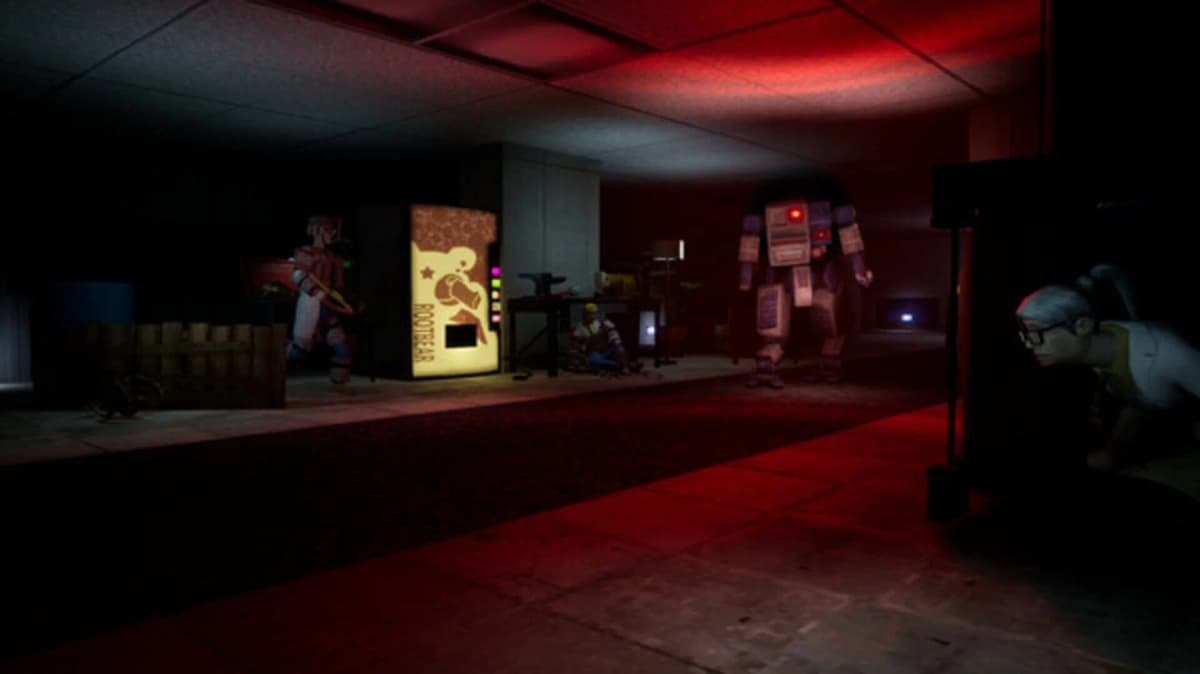
Keep boss and heavy-enemy markers visible even when you are not planning a fight. Boss markers tend to function as natural zone boundaries, and tougher enemies cluster near intersections and high-value rooms, so they shape your route more than a generic pack does. The rule is simple: if your target is an interaction, show interaction plus enemies; if your target is loot, show infrastructure plus enemies; if your target is full completion, work in smaller passes and never enable every category at once.
Vertical routing is where most mistakes happen
The hard part of Cascade Laboratories is not left versus right. It is above versus below. Think in connectors, not rooms. If a marker looks close but you cannot find the final doorway, check elevators, stairs, and vents before you assume the map is wrong. Whenever a marker seems slightly offset from your in-game position, suspect elevation first.
A good habit is to trace each route through its connectors in sequence: entry point, floor change, branch room, objective room, exit point. If the path chains more than one connector type, such as an elevator into a vent, slow down and verify the second transition. That is where backtracking starts.
Use teleporters to build loops, not lines
Personal Teleporters are wasted when players only use them for long return trips. Use them to build loops instead. Enter near one teleporter, clear a level on a curved route through its side rooms and objective spaces, then exit through a different connector or a return node. That beats walking a straight line to one marker and retracing everything you just crossed.
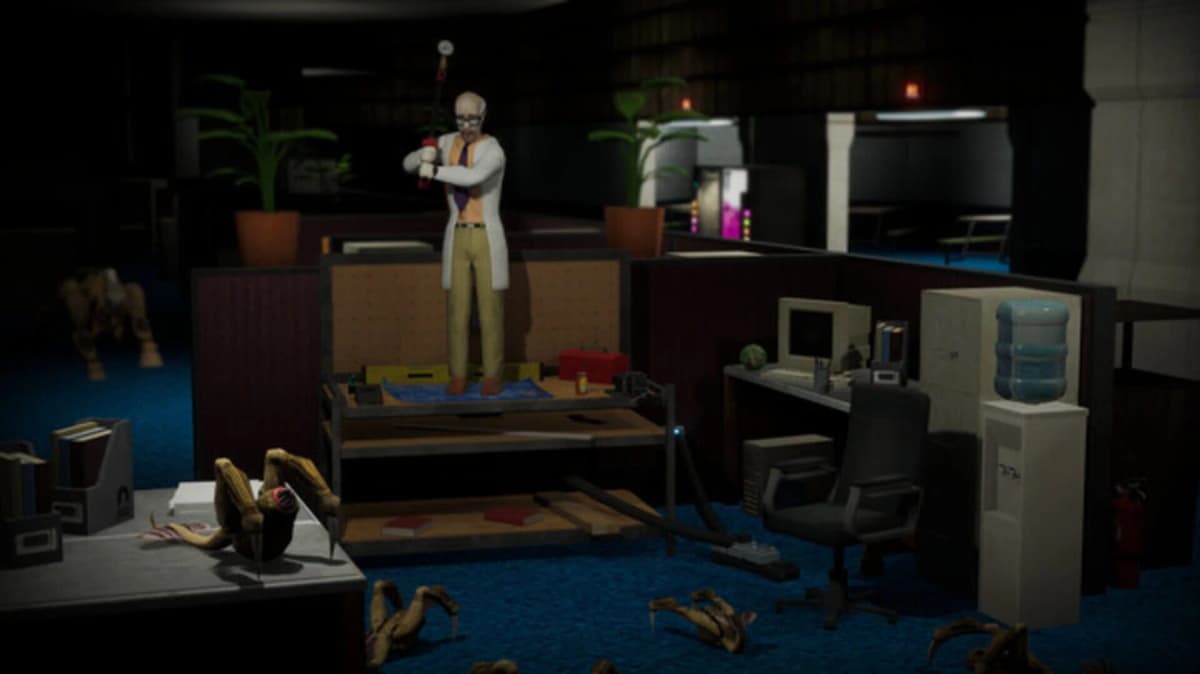
Infrastructure layers matter here because a loop is only good if it stays traversable while you are carrying loot and under pressure. Doors, elevators, and vents tell you whether a route can fold back on itself. If your path depends on a single narrow passage, treat it as brittle. If it has multiple cross-links, it is resilient and better for cleanup. The same backbone gets you out of the sector entirely: when the run is done, drop to your nearest teleporter or tram stop rather than walking the whole route back. If you are using this sector as a staging point for the wider facility, the same routing logic carries over to the Encroachment and to farming portal worlds for renewable resources.
Common mistakes
- Too many active filters: every marker is visible, so none of them matter.
- Ignoring verticality: the destination is right, the floor is wrong.
- Chasing the nearest marker: proximity on the map is not route efficiency.
- Skipping infrastructure layers: doors, vents, and elevators are the route logic.
- Mixing loot and lore cleanup into a combat push: it usually doubles your backtracking.
- Saving completion checks for the end: verify level by level instead.
- Not building out teleporters: without a teleporter near the sector, every loop ends in a long walk home.
A repeatable pattern for any Cascade Laboratories objective
When you need a method, use this. Name the objective first: interaction, item, collectible, or traversal. Enable only the map layers that support it. Find your nearest teleporter or tram stop. Trace the route through structural markers before you look at pickups. Mark any required floor changes. Then clear the objective corridor and its side rooms in the same pass.
If the run includes collectibles, finish with a short perimeter sweep around the route you already cleared rather than opening a new branch across the level. If it includes an interaction, check enemy markers on the return path, not just the approach. If you are hunting a suspected hidden space, check alternate connectors such as vents and offsets in room alignment before giving up.
Practical takeaway: read Cascade Laboratories as a sector of the GATE Cascade Research Facility, anchor every run on your nearest teleporter and tram stop, clear one level at a time with structure-first filtering, and sweep collectibles in concentric passes. The map will not remove combat or solve your crafting decisions, but it kills the most expensive failure here: losing time to preventable navigation errors while missing terminals, items, and whole side branches that were already on the floor plan.
FinalBoss // Gear
Level up your setup
01Top-rated gaming headsetson Amazon→02High-refresh gaming monitorson Amazon→03Gaming chairson Amazon→04Discounted game keyson Kinguin→Affiliate links · As an Amazon Associate, FinalBoss earns from qualifying purchases.
Want to Level Up Your Gaming?
Get access to exclusive strategies, hidden tips, and pro-level insights that we don't share publicly.
Ultimate Guide Strategy Guide + Weekly Pro Tips