
Most stalled village liberations in Bellwright are not bugged — you have just missed one of the gates. Liberation is the moment the game stops being about your camp and becomes about regional control, and it runs as a fixed chain, not a single quest hand-in. Reach Protector trust with the village, build the Village Belltower, ring the bell to start the rebellion, then defeat the Reclamation Party the brigands send to take it back.
Table of Contents (10)
The short version
- Raise the village to Protector trust (the rank threshold is 1,200).
- Research and build the Village Belltower — it requires the Protector rank before you can place it.
- Ring the bell. That is the trigger. The village flips to a Rebelling state and the local garrison turns hostile.
- A Reclamation Party is dispatched from the Brigand Headquarters to retake the village. Beat it and the liberation locks in.
- Do not ring the bell until your squad is healed, fed, and staged at the village.
What liberation actually does
Liberation is not a prestige objective. It converts a village from a quest hub into a strategic asset: you gain map trade access, the ability to recruit stronger villagers, and long-term regional growth. That is why the game gates it behind a chain — it wants proof you can support a rebellion and win the counter-attack, not just talk to an elder.
The mechanism people get wrong is the trigger. Building the Belltower does not start the assault. Ringing the bell does. The Village Belltower exists specifically to let you initiate the rebellion; the moment you ring it, the village shifts into its rebelling state, the occupying garrison turns hostile, and the brigands send a Reclamation Party to crush the uprising. Treat the bell as the lever on the real test, because that is exactly what it is.
Trust: the four ranks and the only one that matters here
Every occupied village tracks your standing through four trust ranks, and the Belltower needs the top one before you can build it:
- Stranger — 0
- Associate — 100
- Friend — 500
- Protector — 1,200
You climb by working the village: complete jobs, cover its shortages, and keep trading there. Concentrate on one target village rather than spreading effort across three — a half-progressed relationship in several places is worse than one village pushed cleanly to 1,200. Once you liberate it, the relationship rank changes to Leader (older guides called this final rank “Bellwright”), and the village then grows through Prosperity instead of Trust.

Step 1: Push the village to Protector
This is the real start of liberation even though nothing dramatic happens when you cross the line. Grind the relationship work — jobs, local needs, repeated trade — until trust reaches the Protector threshold of 1,200. Bellwright hides a lot of progression behind trust tiers, and the Belltower is one of the hardest gates: you cannot place the structure at all until the village rates you as a Protector.
Step 2: Research and build the Village Belltower
The Belltower is the structure that lets you start the rebellion, so you have to unlock it through research before you can build it on site. Stage your materials and your fighters first. The build itself is calm — the danger only begins when you ring it — so use the construction window to heal up, restock food and ammunition, and pull your combat group together near the village.
If you have hit Protector and the Belltower still will not appear, check that you have actually researched the structure and that your trust is genuinely at 1,200 rather than just close. Those are the two reliable bottlenecks. The elder may offer a “Time has come” prompt around this point; it is useful flavor and direction, but the liberation hinges on the Belltower and the bell, not on that conversation.
Step 3: Ring the bell — only when you are ready
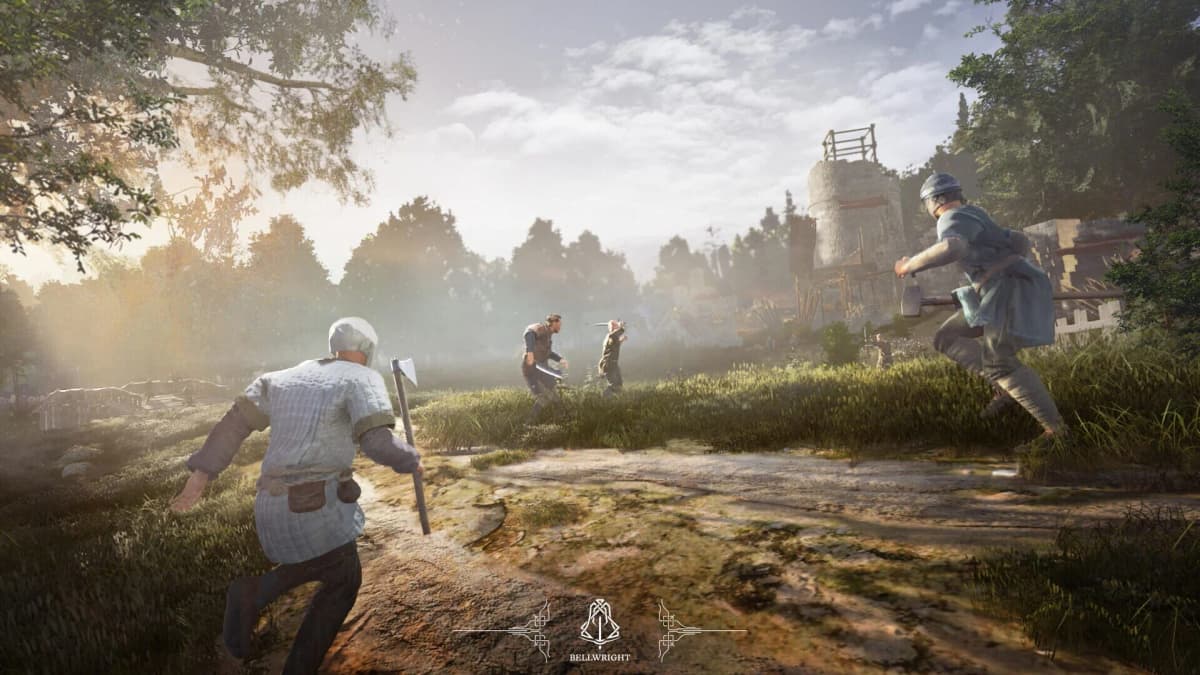
This is the irreversible moment. Ringing the bell flips the village to Rebelling, turns the occupying garrison hostile, and triggers the brigands to dispatch a Reclamation Party from their Headquarters. Everything before this was preparation; everything after is a fight.
Do not ring until your squad is at full strength and standing at the village. A lot of failed liberations come from players treating the tower as a quiet building step and ringing the bell while scattered, underfed, or half-injured. Bring a real combat group — not laborers with tools — and if you are bringing friends along, line up your co-op session before you start so nobody is caught loading in mid-assault. For finding and reaching the village in the first place, the key-locations map route saves a lot of wandering.
Step 4: Beat the Reclamation Party
The Reclamation Party is what actually decides the village. It marches in from the Brigand Headquarters to retake the settlement, so the goal is control, not chasing. Keep your group compact, let ranged attacks thin the approach before melee commits, and do not run one survivor down a road while the rest of the enemy line is still hitting the village center. Defend near the objective until the wave is dead and the village registers as liberated.
If you can clear the original occupation but not the Reclamation Party, you were ready for the first half of liberation and not the second — Bellwright treats those as separate readiness checks, and the reclaim is the one that matters. Liberated villages also grow through Prosperity rather than Trust, and a successful reclamation attack against you later drains that Prosperity, so do not leave a freshly freed village undefended. If you want a feel for how Bellwright handles these settlement-vs-raid fights compared to its closest rival, the Bellwright vs Medieval Dynasty breakdown covers the combat and raid systems in detail.
Why liberation is worth it
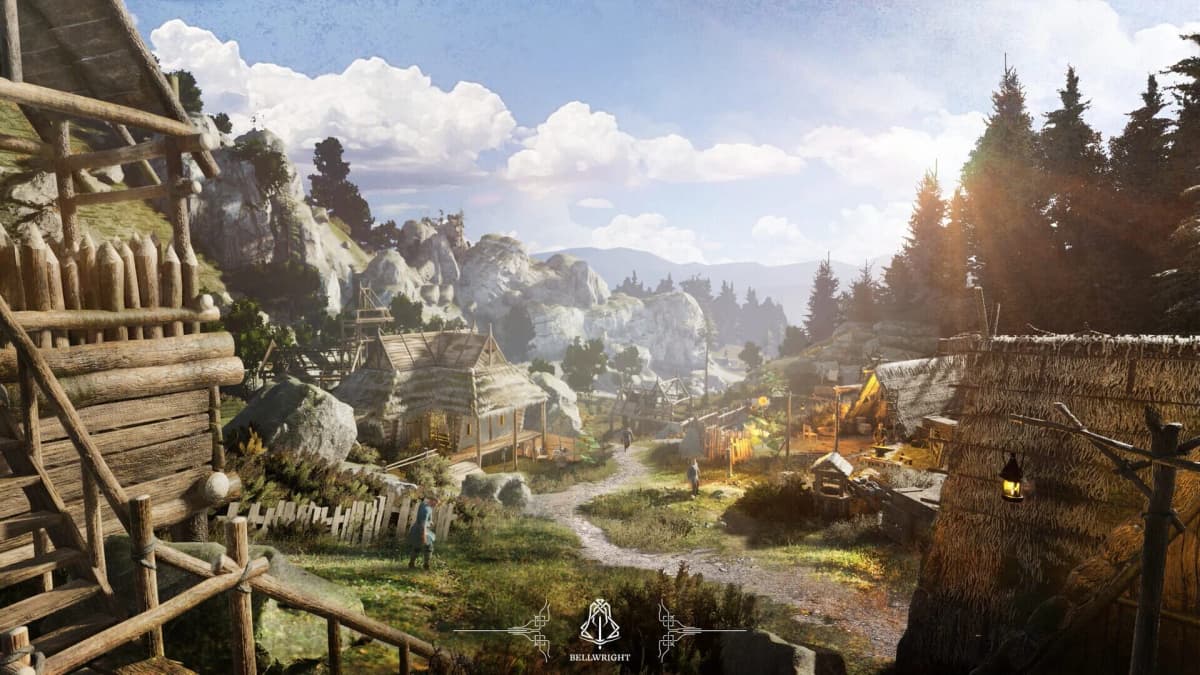
Liberation upgrades a village from a quest hub into a strategic partner. You unlock map trade access, the ability to recruit apprentices and stronger villagers, and steady Prosperity-based growth. Recruitment is usually the real prize: Bellwright is a game of labor quality as much as quantity, and access to advanced settlers and specialists improves your entire network, not just the village you freed. If you are coordinating a liberation push with friends, check whether the run is best done solo or with help in the co-op and player-count guide.
Common mistakes
- Ringing the bell unprepared. The bell — not finishing the tower — starts the assault. Heal, restock, and stage your squad first.
- Spreading trust across villages. You need a single village at the 1,200 Protector threshold; partial progress everywhere wins nothing.
- Building the Belltower without researching it. The structure must be unlocked through research before it can be placed.
- Chasing during the Reclamation Party. Stay near the objective and let ranged support work; do not abandon the village center to run down stragglers.
- Leaving a freed village undefended. Reclamation attacks drain a liberated village’s Prosperity, so keep a garrison ready.
Practical takeaway
Do not rush liberation until you can finish the whole chain in one push. Get a single village to Protector (1,200 trust), research and build the Village Belltower, and only ring the bell once your squad is healed and staged — because ringing it, not building the tower, summons the Reclamation Party from the Brigand Headquarters. Win that fight and the village is yours, switching to Leader rank and Prosperity growth, with the recruiting and trade access that makes the rest of the game noticeably smoother.
FinalBoss // Gear
Level up your setup
01Graphics cardson Amazon→02Gaming laptopson Amazon→03High-refresh gaming monitorson Amazon→04Discounted game keyson Kinguin→
Affiliate links · As an Amazon Associate, FinalBoss earns from qualifying purchases.
Want to Level Up Your Gaming?
Get access to exclusive strategies, hidden tips, and pro-level insights that we don't share publicly.
Ultimate Guide Strategy Guide + Weekly Pro Tips