
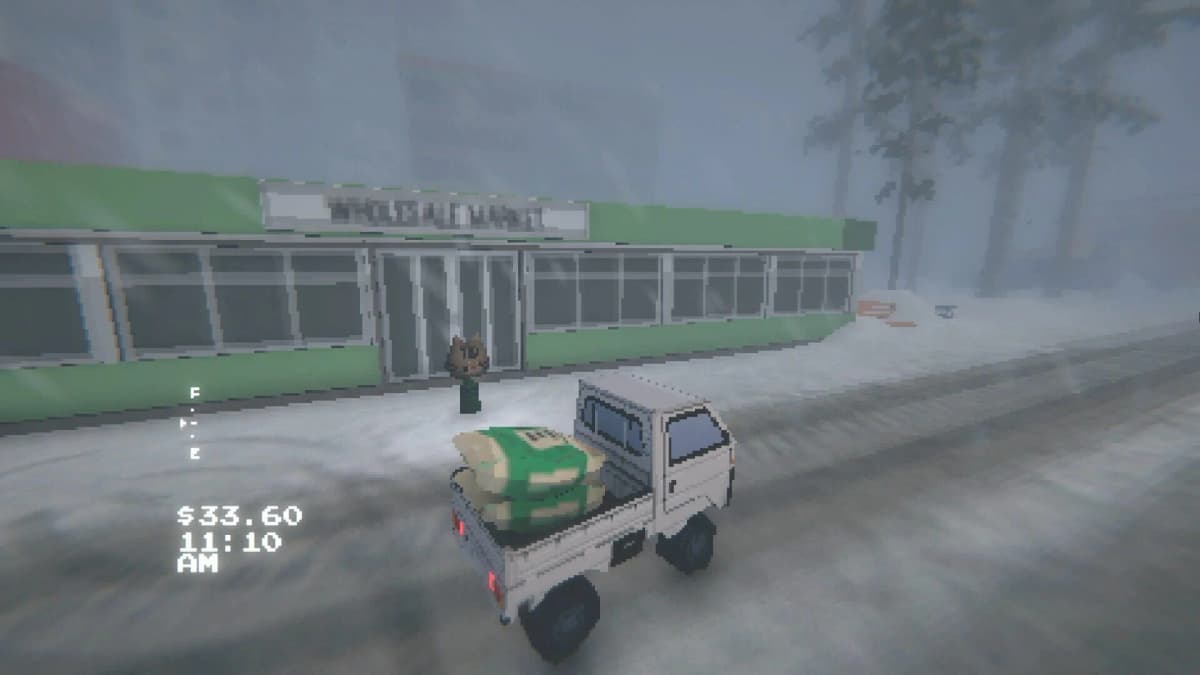
You searched for the “best team” in Easy Delivery Co. and found nothing solid, because there is nothing to find. Easy Delivery Co. is a single-character delivery game: you play one cat courier, there is no class system, no party, and no co-op meta. What you actually want is the right upgrade-and-route setup for where you are in the run, and that is a real, answerable question.
Table of Contents (7)
The short version
- There is no team or class system. One playable cat courier, no party mechanics. Stop looking for a comp.
- Early game: buy snow tires at Ez Auto (the auto shop in Mountain Town) before you push into Snowy Peaks. They are a requirement for snow-covered roads, not a luxury.
- Mid game: bank a cash buffer, run routes you already know, and only detour for secrets on purpose.
- Late game: pick up ice chains from the Ez Auto in Clifton (the fishing town) so the worst conditions stop ending your runs.
- Always: traction and control beat raw speed. A snowy mountain map punishes drift, not slow driving.
Why “best team” is the wrong question
In a lot of games a “team” means fixed roles: tank, healer, DPS. Easy Delivery Co. has none of that. It is a chill, single-character delivery game built around one loop: accept a job, pick up the package, drive it to the destination, repeat. There is one courier and no roster to optimize.
So treat “best team” as best setup: the upgrades you own, the routes you trust, and how carefully you spend. The strongest setup is the one that removes the things that actually end your runs in this game — losing traction on snow, taking a route you do not know, or going broke after one bad sequence.
Early game: get snow tires before Snowy Peaks
The first real upgrade that changes the game is snow tires, and you buy them at Ez Auto (also written “Easy Auto”), the auto shop down in Mountain Town. This is not the same place as the Easton pawn shop — the pawn shop is where you take the recovery/restore CD, not where you buy tires.
You need snow tires to drive the snow-covered roads of Snowy Peaks. Heading up there on stock tires is the single most common early-game mistake: you slide, you stall, and you lose more time and money to recovery than any “fast” line ever saved you. Buy the tires first, then go.
Until you can afford them, keep early runs short and clean, learn one or two dependable routes instead of improvising, and hold a small cash buffer so a single bad delivery does not strand you. That is the whole early-game plan.
Mid game: bank cash and stay deliberate
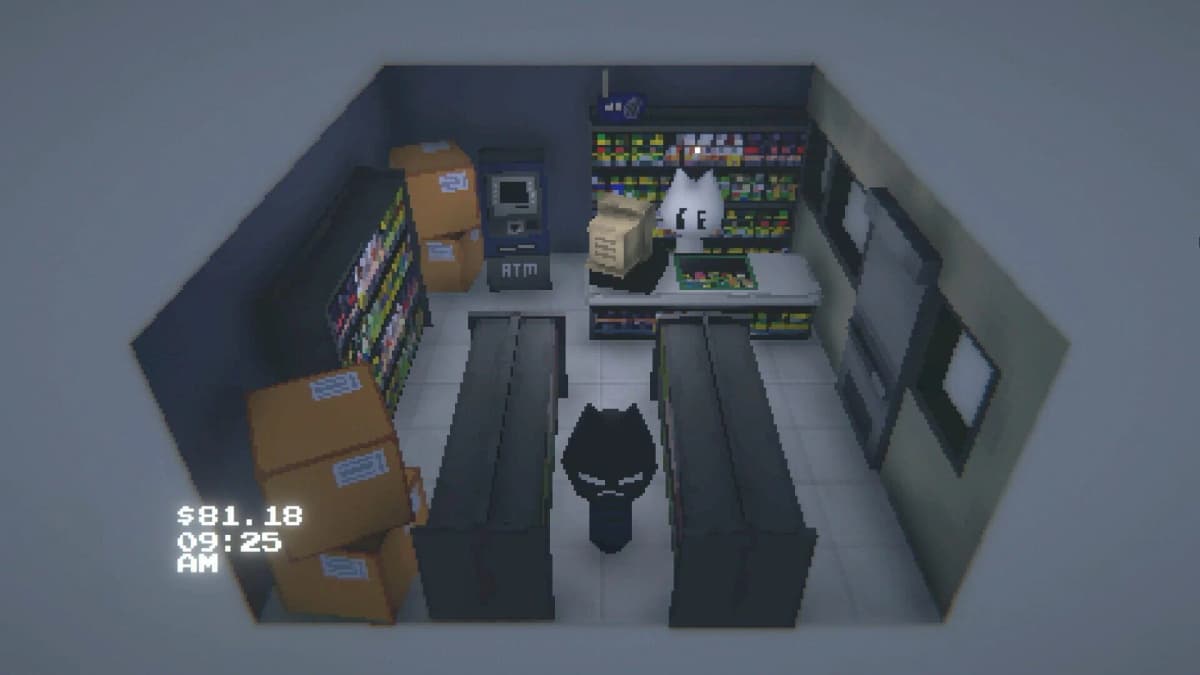
Once your handling is stable, the goal shifts from survival to consistency. Keep the traction-first habit — do not switch to a speed-first mindset just because you have more money. Pair routine deliveries with exploration only when a secret or point of interest is genuinely on your way. If it is a detour, run it as its own trip rather than bolting it onto a paying contract.
Mid-game losses almost always come from cramming a profitable contract, a thin fuel margin, and a curiosity detour into one run. Spend successful runs building toward upgrades that unlock terrain or stabilize deliveries, not toward small convenience buys.
Late game: ice chains and weather tolerance
Late game is about widening where you can safely go. The upgrade that matters here is ice chains, bought at the Ez Auto in Clifton — the fishing town. Where snow tires got you into Snowy Peaks, ice chains let you keep deliveries intact through the harshest conditions instead of resetting after every slide.
A strong late-game setup handles bad weather, absorbs the occasional detour for secrets, and still protects the simple accept-pickup-drive-deliver loop. A setup that is fast but falls apart the moment you leave a known road is not actually an upgrade. Mature play is often slower in the moment but faster across a session because it avoids resets and dead-end trips.
Common mistakes
- Pushing into Snowy Peaks without snow tires. They are a threshold item, not cosmetic. Buy them at Ez Auto first.
- Confusing Ez Auto with the Easton pawn shop. Tires and chains come from Ez Auto; the pawn shop is for the recovery/restore CD.
- Hunting for a class or team meta. There is no roster — it is one cat courier. Optimize your setup, not a comp.
- Mixing paid contracts with random detours. Plan secret-hunting as its own session so curiosity does not wreck a solid run.
- Measuring success by top speed. On a snowy map, clean completions beat brief bursts of speed every time.
Practical takeaway
There is no team to build in Easy Delivery Co. — there is a setup to build. Buy snow tires at Ez Auto before Snowy Peaks, bank a cash buffer and stick to routes you know through the mid game, then grab ice chains at the Ez Auto in Clifton for late-game runs. Drive for traction, spend on upgrades that unlock or stabilize progress, and treat secret-hunting as a planned detour. That is the real “best team.”
For more: see the full Easy Delivery Co. walkthrough and all endings guide, plan your trips with the map guide to every town and main route, and meet the cast in the characters guide.
FinalBoss // Gear
Level up your setup
01Top-rated gaming headsetson Amazon→02High-refresh gaming monitorson Amazon→03Gaming chairson Amazon→04Discounted game keyson Kinguin→
Affiliate links · As an Amazon Associate, FinalBoss earns from qualifying purchases.
Want to Level Up Your Gaming?
Get access to exclusive strategies, hidden tips, and pro-level insights that we don't share publicly.
Ultimate Guide Strategy Guide + Weekly Pro Tips