
You searched for the best “team” in Mullet MadJack and hit a wall: there are no teams. This is a single-player roguelite first-person shooter, so the real question is which build keeps your run alive. Everything in this game runs on tempo. The setups that win are the ones that kill on entry and never let your momentum die.
Table of Contents (14)
The short version
- There is no team system. “Best team” means best build, and the best build is the one that secures the first kill the instant you enter a room.
- Pick three priorities, in this order: fast first kill, uninterrupted movement, then crowd coverage. Boss damage comes last because rooms, not bosses, are where most runs die.
- Treat kicks, finishers, and thrown objects as tempo tools, not panic buttons. They keep you moving while something dies.
- On a fresh save with weak upgrade rolls, default to the fastest weapon you can land consistently and take mobility before niche damage.
- Late in a run, trade a little speed for control. A weapon that keeps your rhythm beats a volatile one with a higher ceiling.
Why “best team” is the wrong question
Mullet MadJack is a solo run, not a squad builder. There is no roster to compose, no synergy between characters to optimize. What you are actually optimizing is a combat package: your weapon, your movement rhythm, your finisher usage, and the upgrades that let those parts reinforce each other.
That reframing matters because it tells you what “meta” means here. The game punishes hesitation. Any setup that interrupts your kill flow needs a very good reason to exist. So the goal is not to copy one perfect loadout. It is to understand which choices fit the game’s rhythm and which ones fight it. If you want a parts-level breakdown, our best builds and loadouts for fast runs guide goes deeper on specific picks.
The four traits every strong build needs
Before any specific package, define what a build is solving. Tempo is the filter. A strong setup should do most of the following without demanding flawless execution every room.
- Fast first kill. You need a weapon or movement pattern that secures the opening elimination immediately on entry.
- Minimal downtime. Reload-heavy, setup-heavy, or aim-heavy tools are weaker when they force you to stop moving.
- Crowd handling. Single-target damage is not enough if you get surrounded or lose time clearing blockers.
- Boss stability. The run cannot live on room speed alone. It still needs reliable damage and recoverable mistakes under boss pressure.
If a weapon feels powerful but regularly strands you between kills, it is not strong in practice. Theoretical damage matters less than whether the weapon keeps your chain alive.
Three build packages that fit the rhythm
Because there are no teams, read these as build templates, not rigid recipes. Each one answers a different way runs fall apart.
1. The aggressive breacher (general-purpose)
This is the most reliable default. Pair a high-burst, close-range weapon with choices that reward constant movement, then use dash, kick, finishers, and thrown objects to bridge the gaps between shots.
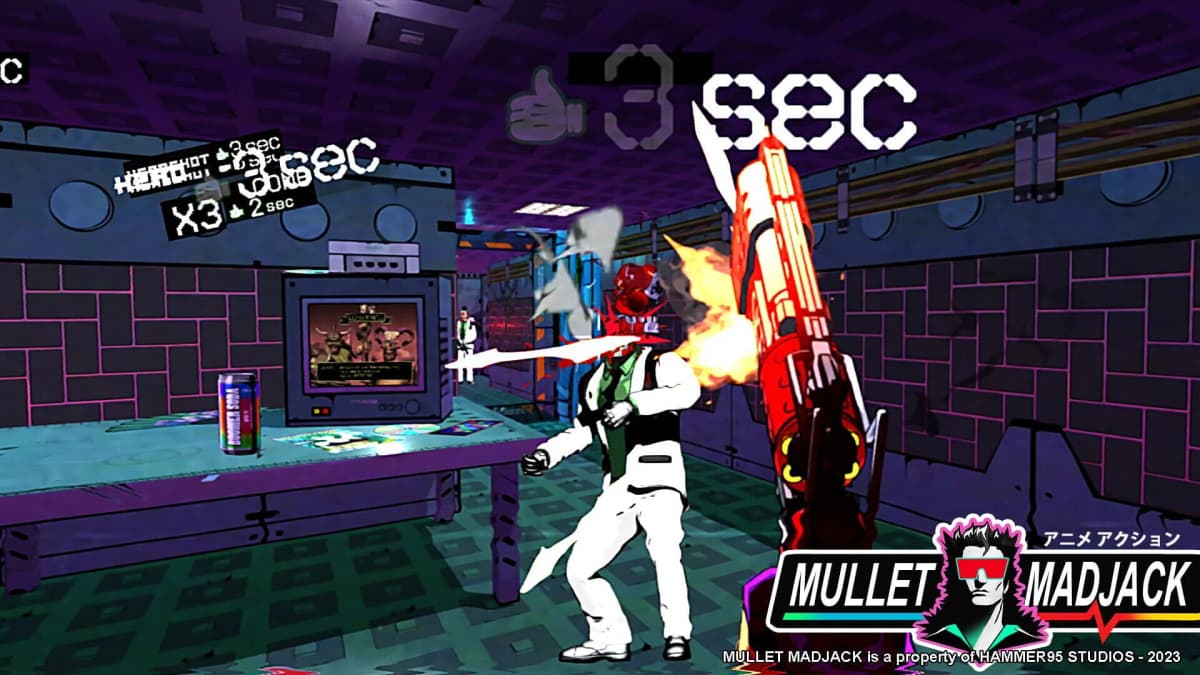
- Best for: early and mid-run room clears, aggressive players, fast tempo recovery.
- Build logic: burst gets the first kill fast, movement keeps you from being pinned, finishers convert position into pace.
- Main risk: overcommitting into open sightlines or chasing a finisher before the room is stable.
It works because offense here doubles as defense. You are not tanking danger, you are deleting the nearest threat before pressure builds. Cross a room and secure a kill without losing momentum, and this package holds up even when the run gets messy.
2. The sweep-and-chain clearer (crowd control)
Better when your problem is room control rather than isolated targets. Run a rapid-fire or wide-coverage primary and use throwables and finishers as chain tools. The aim is not maximum single-target burst. It is killing something every second so the room never stalls.
- Best for: rooms packed with threats, players who lose runs to crowd pressure.
- Build logic: broad coverage prevents stalls; throws and melee finishers clean up low-health enemies without a slow reload cycle.
- Main risk: boss damage can feel thin if you invest only in spread and safety.
It is the least flashy package and one of the most forgiving, because it reduces the chance that one missed burst ruins a room.
3. The precision stabilizer (late-run consistency)
The most conservative strong package. Build around a reliable mid-range weapon, then add movement or recovery so you stay effective without standing still. Weaker at explosive entry than the breacher, but cleaner for boss consistency and target priority.
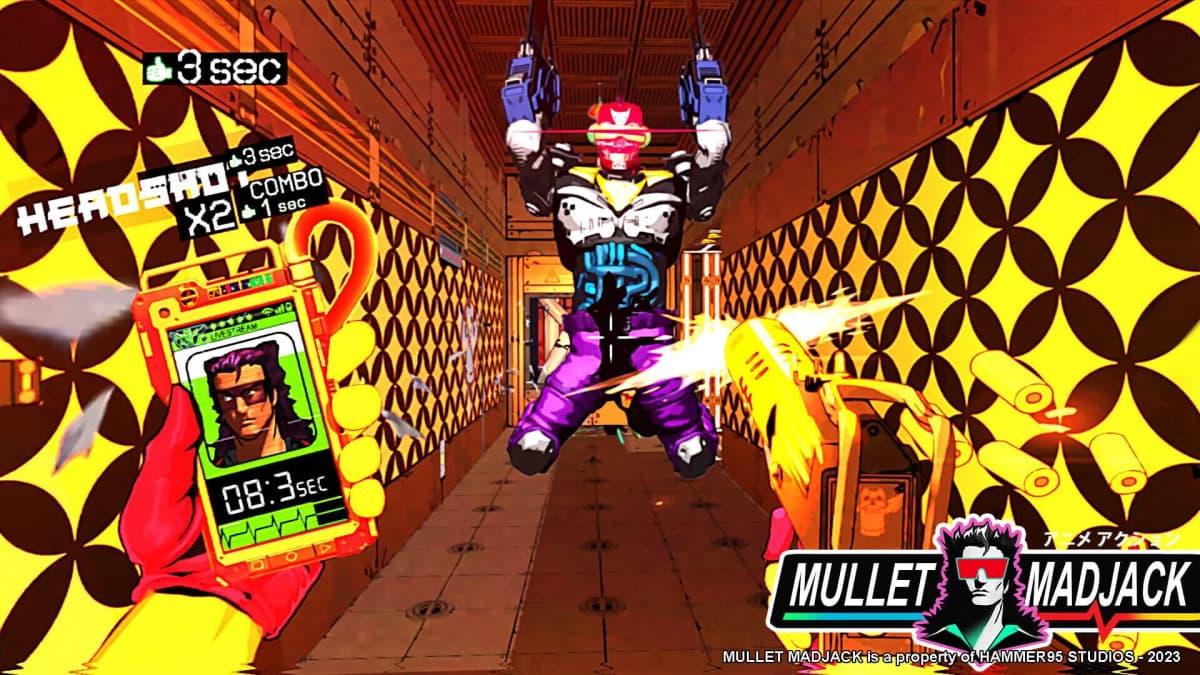
- Best for: late floors, boss-focused consistency, players with strong aim who dislike point-blank risk.
- Build logic: precision lowers wasted shots, preserves rhythm, and keeps dangerous enemies from forcing close-range gambles.
- Main risk: if the weapon punishes misses too hard, your tempo can collapse fast.
It keeps offensive pace while trimming exposure, which is exactly what you want entering the back half of a run, where greed costs more. Many of those boss-stability decisions matter most against the toughest encounters, including V2 in Boss Rush.
Fresh-save and low-unlock builds
There is no gacha or hero roster here, so “budget” means a fresh save, limited unlocks, or a run that hands you only average upgrade rolls. The fix is to pick a package that functions on mediocre tools.
- Choose consistency over ceiling. A lower-damage weapon that lands immediately beats a stronger one that leaves empty seconds.
- Take mobility and handling before luxury upgrades. They improve every room, not just ideal ones.
- Use finishers and throws as tempo tools, valued for preserving movement rather than style.
- Avoid building around one narrow payoff. Fresh saves and average rolls punish over-specialization.
For new players this is stronger than reaching for a late-run scaling idea too early. The pressure is immediate, so budget builds should answer immediate problems first. If you are still unlocking, our full character roster guide covers who you can play and when.
How priorities shift across a run
Early: secure the first kill
Early floors are about stabilization, not optimization. Take the weapon and path that give the fastest room-entry kill. Skip boss-scaling theory. If your early setup cannot reliably start the chain, nothing else matters.
Mid: patch your failure state
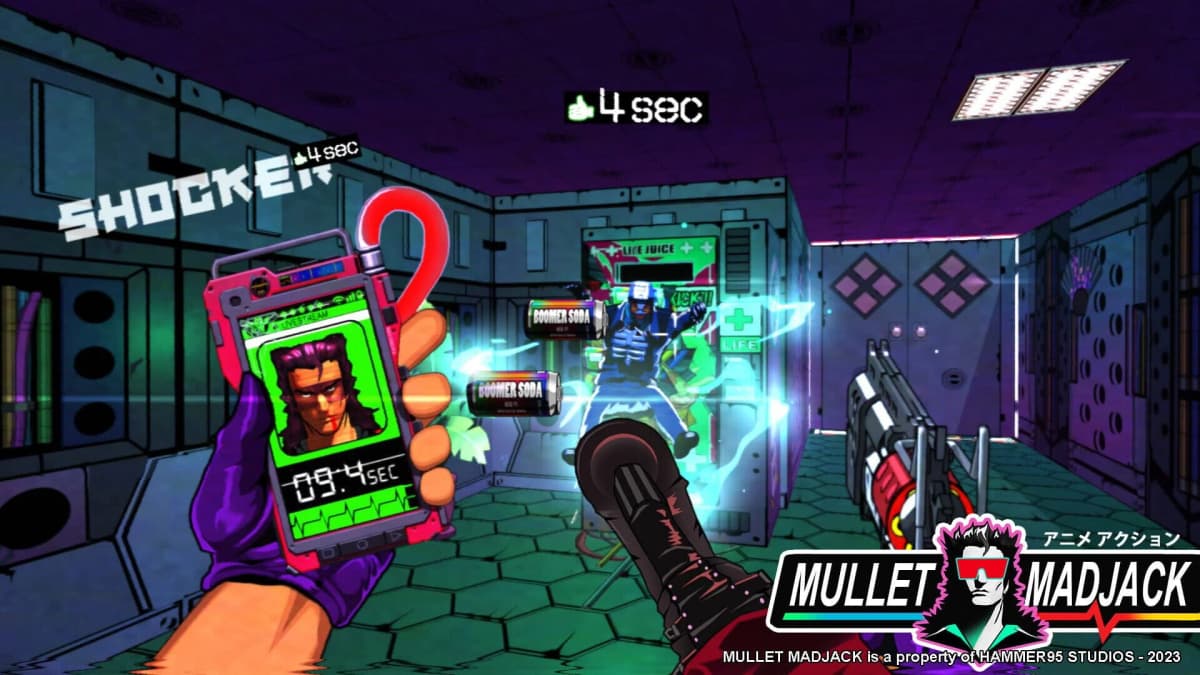
By mid-run you know what is threatening the attempt. Losing time between groups, lean into movement and chain tools. Rooms stable but bosses slow, shift toward cleaner single-target support. Mid-run upgrades should remove your most common death, not duplicate a strength.
Late: trade speed for control
Late floors punish greed harder than early rooms. A slightly less explosive weapon that keeps your rhythm intact beats a volatile one with a higher ceiling. The right question is not what kills fastest on paper, but what still works when one room goes wrong.
Common mistakes that sink strong builds
- Overvaluing passive defense. In a tempo-driven shooter, a defensive upgrade that does not preserve kills can be weaker than it looks.
- Picking weapons that interrupt movement. A gun that makes you stop, re-aim, or overcommit every room is fighting the game’s core rhythm.
- Spending finishers greedily. Kicks and finishers are excellent for pace and bad when fired into an uncleared lane.
- Ignoring crowd solutions. Pure boss damage means nothing if ordinary rooms keep stalling you out.
- Choosing upgrades reactively. Decide your priorities before the selection screen appears so you waste fewer seconds hesitating.
Practical takeaway
There are no literal teams in Mullet MadJack. The strongest “comps” are build packages built around speed, aggression, and tempo. Default to the aggressive breacher for general use, the sweep-and-chain clearer when crowds are killing you, and the precision stabilizer for late-run consistency. On a fresh save or weak rolls, fall back to fast weapons, movement first, and a simple kill flow. Pick the package that fits how your runs are dying, and let offense carry the defense.
FinalBoss // Gear
Level up your setup
01Top-rated gaming headsetson Amazon→02High-refresh gaming monitorson Amazon→03Gaming chairson Amazon→04Discounted game keyson Kinguin→Affiliate links · As an Amazon Associate, FinalBoss earns from qualifying purchases.
Want to Level Up Your Gaming?
Get access to exclusive strategies, hidden tips, and pro-level insights that we don't share publicly.
Ultimate Guide Strategy Guide + Weekly Pro Tips