
If you are starting Nioh 3, the choice between Talons, Dual Swords, and the Switchglaive is not about raw damage. It is about how you want to fight. One quick note before anything else: the weapon a lot of players call the “split-glaive” is officially the Switchglaive on the Samurai side and the Splitstaff on the Ninja side. Get the names right now and the rest of your build planning gets easier.
Table of Contents (8)
The short version
- Pick Talons (Ninja) if you like point-blank aggression and want overlapping elements to force Confusion.
- Pick Dual Swords (Samurai) if you want the most forgiving fast melee and a clean punish finisher.
- Pick the Switchglaive (Samurai) if you want stance flow, status control, and a build that teaches Nioh 3’s systems early.
- Stat rule for all three: raise your main damage stat, but keep Heart close behind it for Ki. A smaller damage number with stable Ki beats a greedy line that leaves you in recovery.
What all three beginner builds have in common
The shared rule is Ki management. These weapons do not fail because your damage is low; they fail when you empty your Ki bar and get stuck in recovery. That is why Heart matters even on builds that do not scale their damage off it. A slightly smaller damage number with enough Ki to pressure, pulse, and dodge out is better than a greedier stat line that leaves you exhausted in front of a boss.
The second rule is to stop hunting for a perfect early weapon drop. Weapon level matters more than a dream roll for early progression. Use the highest-level weapon you have and only get picky once your gear stabilizes. Good affixes and favored elements help, but an underleveled weapon makes every mistake feel worse. If you want a faster start, our guide to getting powerful early in Nioh 3 covers the skills, magic, and gear worth front-loading.
The third rule is to treat status as a damage amplifier, not the whole build. Scorch, Saturated (water), Blustered (wind), Shock (lightning), and Confusion all create better punish windows or make enemies easier to control. Confusion is the one to understand early: it is the status you get when multiple different elemental effects overlap on the same target. Status is strongest when it feeds a simple loop — apply pressure, trigger the effect, cash out with a safe finisher, then back off before your Ki collapses.
Armor should support that loop. Talons and the Switchglaive feel better in lighter or medium setups that keep movement clean. Dual Swords can afford a sturdier samurai setup, but only if your dodge and Ki recovery still feel usable. A set bonus that looks good on paper but makes every evade feel late is hurting you more than helping.
A simple leveling template before you lock into one weapon
- Raise your main damage stat first, but keep Heart close behind it.
- Add Constitution or your health stat when survival starts feeling shaky.
- Add Stamina only when gear weight forces the issue.
- Put points into Magic / Intellect or Dexterity for tools you actually use, not theorycraft you are not playing yet.
- When you are unsure where the next few levels go, Heart is rarely wasted on these three builds.
Talons build: the best choice for pressure and Confusion
Talons is the most aggressive of the three and the Ninja entry point. It works when you stop playing like a cautious assassin and start playing like a pressure fighter. The weapon wants repeated close-range contact, fast status buildup, and short recovery windows. That makes it excellent for stacking two elements and forcing Confusion — the condition you get when multiple elemental effects overlap on one target.
For a beginner Talons setup, prioritize Heart for Ki comfort, then build into your utility stat if your version of the build leans on elemental tools and debuffs. Do not spread thin early. Talons already asks you to manage spacing, pressure, and Ki tightly; it does not need a diluted stat line on top of that. For a full ailment-focused path, see our Ferocious Claws Talons build guide.
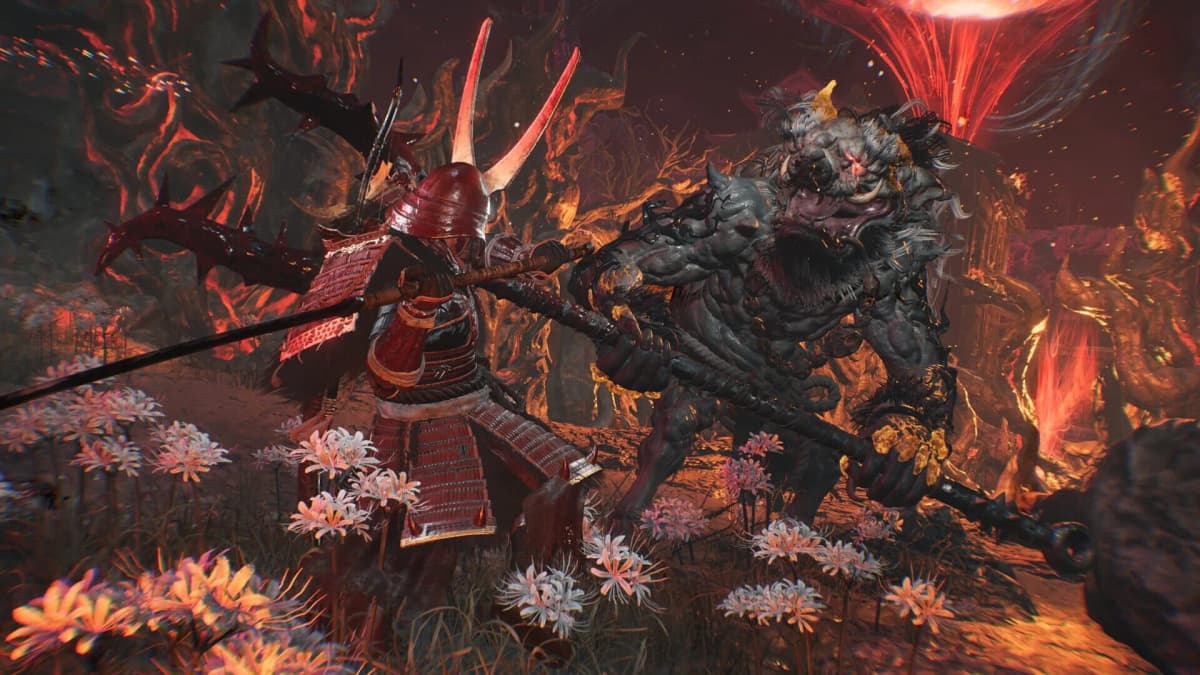
The easiest loop is to open with your fastest safe string, build one element quickly, then add a second source through a talisman, ninjutsu tool, or weapon property. Water is strong in fast-hit builds because it rewards repeated contact, and Talons creates those contacts naturally. Once the enemy is debuffed, stop mashing: use a short follow-up, pulse your Ki, and reposition. Talons loses value fast when you stay in the pocket after your Ki is committed.
Early gear should favor mobility, Ki sustain, and effects that reward repeated hits. Lighter armor fits the weapon better than heavy pieces, and anything that helps status application or Ki recovery is more useful than a tiny bump to raw attack. If you can pick talismans early, take one offensive element and one defensive or recovery option instead of stacking all offense.
Dual Swords build: the safest fast melee route
Dual Swords is the cleanest Samurai recommendation if you want speed without the constant all-in feel of Talons. The weapon is still Ki-hungry, but its rhythm is easier to read: quick pressure, safe disengage, then a committed punish when the enemy is locked down. That makes it the best bridge between basic Samurai fundamentals and more advanced status play.
The popular beginner archetype is the Flowing Flame idea: use rapid attacks and Martial Arts to build fire pressure, then cash out with Water Sword when the boss is committed, staggered, or out of Ki. The order is everything. Water Sword is not your opener — it is the move you use after you have already earned a safe window. Most Dual Swords struggles come from channeling the biggest move into a neutral enemy and eating a counter. Our Flowing Flame Dual Swords build guide breaks down that loop in detail.
For stats, keep Heart high enough that your strings stay comfortable, then follow whichever offensive scaling your gear and weapon lines support — Skill is a valid damage-first route here. If your early setup feels starved for Ki, lean harder into Heart sooner; that is the more beginner-proof version. Constitution and Stamina only need enough investment to wear your chosen armor without turning every dodge into a liability.

On gear, the Goichimonshu Set is the obvious Dual Swords pick, but know what it actually does before you chase it. Its bonuses push aggressive, active play — Martial Arts support, reduced Ki consumption, life drain on Martial Arts, and a dual-wield attack boost. It is an offense-and-sustain set, not a pure survivability set. If you get the pieces naturally, great; if not, do not stop progressing to force it. Dual Swords works fine in any armor mix that keeps you tough enough to survive mistakes while preserving your attack strings and dodge rhythm.
Your basic boss loop: poke with short strings, build a status through repeated hits, pulse, bait a committed animation, then use Water Sword or another heavy punish only when the boss cannot immediately answer. Against normal enemies you can be more aggressive, but the same rule holds — if your Ki bar is already low, end the combo one hit early.
Switchglaive build: the best beginner hybrid for status and stance flow
If you want the highest-upside beginner path, pick the Switchglaive (or its Ninja counterpart, the Splitstaff). The build wants an Intellect/Magic-first setup with Heart close behind. That gives you weapon damage, better access to elemental support, and the Ki to keep stance transitions from feeling punishing. It also has the clearest long-term identity of the three: status control first, brute force second.
The reason it works is that the Switchglaive rewards stance chaining, not tunnel vision. A strong beginner pattern is High Stance quick attack → Cyclone Wind → switch to Low for safer follow-ups → return to Mid for balanced control. Cyclone Wind activates from High or Mid Stance, so the High-stance opener flows straight into it. Do not memorize the exact string forever — learn why it works: High starts pressure, Cyclone converts it into real damage, Low lets you continue without overcommitting, and Mid stabilizes the exchange when the enemy can answer back.
This is also the build where early weapon-level advice matters most. Use the highest-level Switchglaive you have first. Once you have options, wind-imbued variants are attractive because Wind damage builds the status meter that inflicts Blustered, and it pairs well with repeated multi-hit attacks. Lightning is also valuable for control. That gives you a clean status plan: wind or lightning to shape the fight, then weapon strings to exploit the opening. For a deeper arcanist version, see our Switchglaive + Splitstaff arcanist build guide.

Early talisman choices should support the same plan: one elemental application tool, one Ki or recovery tool, and one simple attack or defense buff is enough. Do not load your bar with more spells than you actually cast. The Switchglaive is still a weapon build — the magic exists to make your weapon stronger and your tempo cleaner, not to replace melee.
Common mistakes
- Playing Talons as burst. Long strings on a healthy boss with full Ki get you punished. Harass, drain, and layer status until the real opening appears.
- Opening with Water Sword on Dual Swords. It is a finisher for a committed or staggered boss, not a neutral move.
- Staying in High Stance too long on the Switchglaive. The opening hits feel strong, but they drain Ki fast and turn every missed punish into a panic dodge.
- Over-investing in Intellect while neglecting Heart. If your damage looks good but your strings keep collapsing halfway through, your spread is fighting the weapon’s identity.
- Chasing the Goichimonshu Set for survivability. It is an offense-and-sustain set. Do not stall your progression to force it.
Practical takeaway
Start with Dual Swords for the most reliable beginner experience: fast attacks, clear punish logic, fewer moving parts. Start with Talons if you already enjoy aggressive close-range play and want status-driven pressure as your momentum. Start with the Switchglaive if you want a build that teaches more of Nioh 3’s systems at once and scales into a hybrid status toolkit. Whichever you choose, keep your early levels efficient by prioritizing Heart and basic survivability first — every one of these builds runs on stable Ki, so good Ki management keeps your respec pain low later even when your damage stats diverge.
FinalBoss // Gear
Level up your setup
01Top-rated gaming headsetson Amazon→02High-refresh gaming monitorson Amazon→03Gaming chairson Amazon→04Discounted game keyson Kinguin→
Affiliate links · As an Amazon Associate, FinalBoss earns from qualifying purchases.
Want to Level Up Your Gaming?
Get access to exclusive strategies, hidden tips, and pro-level insights that we don't share publicly.
Ultimate Guide Strategy Guide + Weekly Pro Tips