
Nioh 3 punishes new players who chase raw damage first. The fastest power spike in the opening hours does not come from levels at all—it comes from unlocking the defensive tools, stances, and magic that let you actually control fights, plus the exploration rewards that quietly stack skill points and healing.
Table of Contents (10)
The short version
- Unlock Deflect first, then Evade — defensive skills come before any damage pick.
- Grab High Stance and Low Stance early; you start in Mid Stance, so the other two are what expand your toolkit.
- Invest in the Onmyo skill Awakening — it speeds up your casting so pre-fight buffs and debuffs land fast.
- Collect every Kodama — they raise your healing item capacity, which is your real early-game survivability stat.
- Pick up Samurai’s Locks and Ninja’s Locks in side routes — they grant skill points, so exploration is progression.
- Turn on Auto-Pickup and Auto-Equip to keep your gear current with no menu friction.
Do that, and the opening regions stop feeling like attrition. You survive longer, you punish cleaner, and your power curve climbs on rewards instead of grinding.
Why systems beat raw levels early
Nioh has always rewarded players who treat the opening as a toolkit, not a loot grind, and Nioh 3 is no different. Early bosses and tough normal enemies stop being lethal the moment you can avoid damage cleanly, shift to the right stance for the punish window, and apply buffs before the fight starts.
So when an enemy deletes you in two mistakes, the fix is almost never one more point in offense. It is a missing defensive skill, outdated gear, or a skipped exploration reward that should already be in your build.
First skills to grab in Nioh 3
The priority order is simple and it does not change:
- Deflect first
- Evade immediately after
- High Stance early
- Low Stance early
- Weapon-specific damage and utility only once your defense is online
Deflect and Evade come before any damage pick
Deflect and Evade are your best first purchases because they improve every fight immediately. They are not flashy, but they do the most important early-game job: they make your mistakes survivable and your correct reads rewarding. A clean defensive option keeps you alive and creates the punish window your weapon damage actually needs.
That is why rushing niche offense early feels bad. Extra damage only counts if you can stay in range and know when it is safe to swing. Deflect and Evade get you to that point faster than any small attack bump.
Unlock High Stance and Low Stance fast
You begin combat in Mid Stance. The next real spike is unlocking the other two. High Stance gives you a heavier punish when an enemy commits to a long animation. Low Stance gives you a safer, more mobile pattern for poking, repositioning, and avoiding overcommitment.
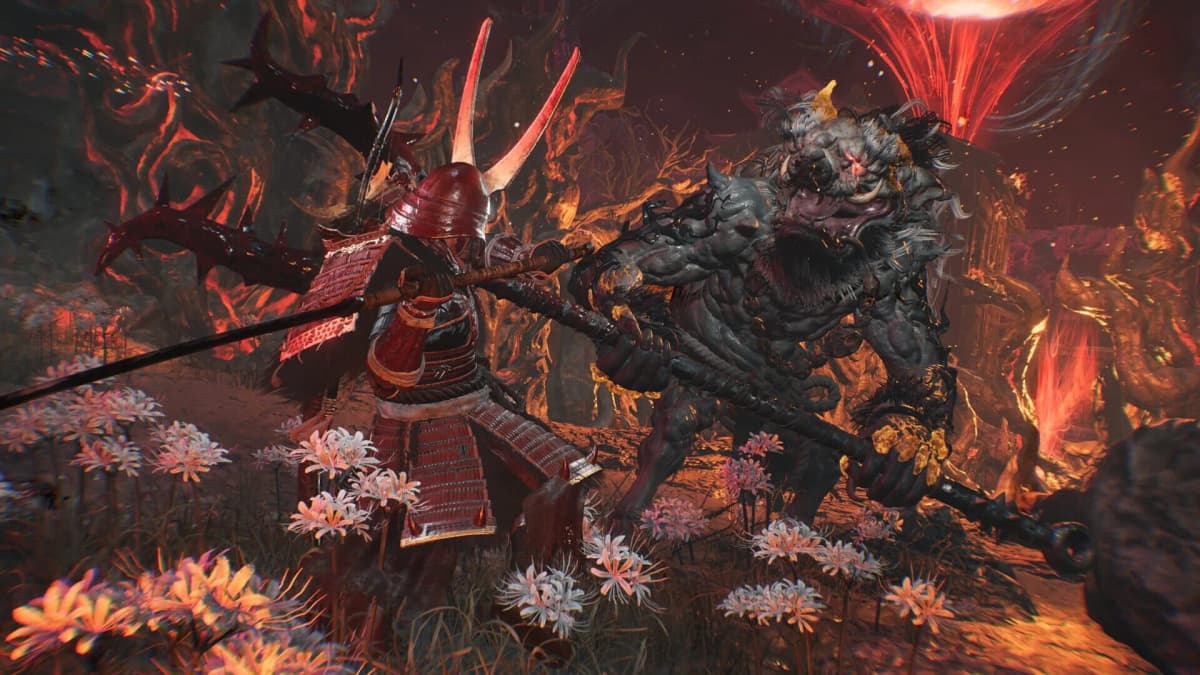
This is where fights start making sense. Instead of solving every enemy with one rhythm, you switch on the opening: High Stance on obvious recovery windows, Low Stance when an enemy chains fast pressure or punishes long swings. That flexibility is a bigger upgrade than it looks on the menu.
Early magic is one of the fastest power spikes
Do not skip Onmyo just because you are running a melee weapon. Prioritize Awakening early: it speeds up your Onmyo casting, which means you can apply buffs and debuffs reliably in the first few regions instead of fumbling them mid-fight.
The math favors it. A small investment in magic support raises your real damage more than several raw offensive levels, because talismans and elemental application amplify every clean punish you land. You are not building a caster—you are giving your melee build better openings and more value per hit.
Use early Onmyo for:
- Pre-fight damage buffs before a tough pull or boss attempt
- Elemental application to pressure enemy defenses faster
- Debuff support when a target is too tanky or too dangerous to trade with
It is one of the cleanest early spikes because it does not depend on rare drops. Once the support is unlocked, that value carries into every mission.
Kodama and Locks are mandatory progression
Treating side paths as optional fluff is the easiest way to sabotage your start. In Nioh 3, exploration is character power. Kodama hunting matters most because each find raises your healing item capacity—more heals means more attempts to learn a boss pattern without restarting.

Also hunt for Samurai’s Locks and Ninja’s Locks (sometimes shown without the apostrophe). These grant skill points, so finding them directly opens your build faster and loops straight back into your skill priority. They are usually tucked into side routes, near statues, or in quiet corners of a map.
Build one habit: before you leave a stage, sweep the dead ends, check elevated paths, and inspect any route that looks too quiet. In Nioh 3 that is often the difference between feeling underpowered and suddenly having the resources to round out your kit.
Once your fundamentals are online, this is the point to commit to a real weapon path. If you want a clear next step, see our best beginner builds for Talons, Dual Swords, and Split-Glaive, or jump straight into the Flowing Flame Dual Swords beginner build.
Gear and farming for an early spike
Do not overthink gear in the opening. Wear the heaviest defense you can carry without crippling your mobility or resource management. Stop hunting perfect stat synergy in the first hours—if a piece has clearly better defense and your movement still feels comfortable, it is the upgrade.
Early survival comes down to whether you can eat one extra mistake, not whether your weapon sheet shows a prettier number. Defensive upgrades buy time to learn encounters, which is worth more than a fragile min-max setup before your build is finished.
Reduce the menu tax too: turn on Auto-Pickup and use Auto-Equip. Early gear gets replaced constantly, so anything that keeps your item level current with less downtime is worth using.

If you hit a wall, do not grind levels endlessly. Replay a short mission you can already clear cleanly to refresh your gear level, grab missed Kodama, and pick up overlooked Locks. That improves gear, healing, and skills at once—a far better spike than stacking levels.
Common mistakes
- Rushing a single damage stat so hard your defense and utility fall behind.
- Staying in Mid Stance and never unlocking High and Low Stance, then blaming the weapon for feeling limited.
- Skipping Kodama while missions turn into attrition—you are leaving healing capacity on the table.
- Walking past Samurai’s and Ninja’s Locks, then trying to grind back the skill points you skipped.
- Clinging to low-defense gear for one attractive bonus line before your build can support it.
Practical takeaway
Getting strong early in Nioh 3 is a fixed checklist: Deflect and Evade before any damage, High and Low Stance to escape Mid Stance, Awakening for fast Onmyo support, Kodama and Locks from every side route, sturdy defense, and Auto-Pickup plus Auto-Equip to stay current. Follow that and you build a stable character that survives longer, punishes cleaner, and has the flexibility to actually learn encounters—no early grind spot or fancy template required.
FinalBoss // Gear
Level up your setup
01Top-rated gaming headsetson Amazon→02High-refresh gaming monitorson Amazon→03Gaming chairson Amazon→04Discounted game keyson Kinguin→
Affiliate links · As an Amazon Associate, FinalBoss earns from qualifying purchases.
Want to Level Up Your Gaming?
Get access to exclusive strategies, hidden tips, and pro-level insights that we don't share publicly.
Ultimate Guide Strategy Guide + Weekly Pro Tips