
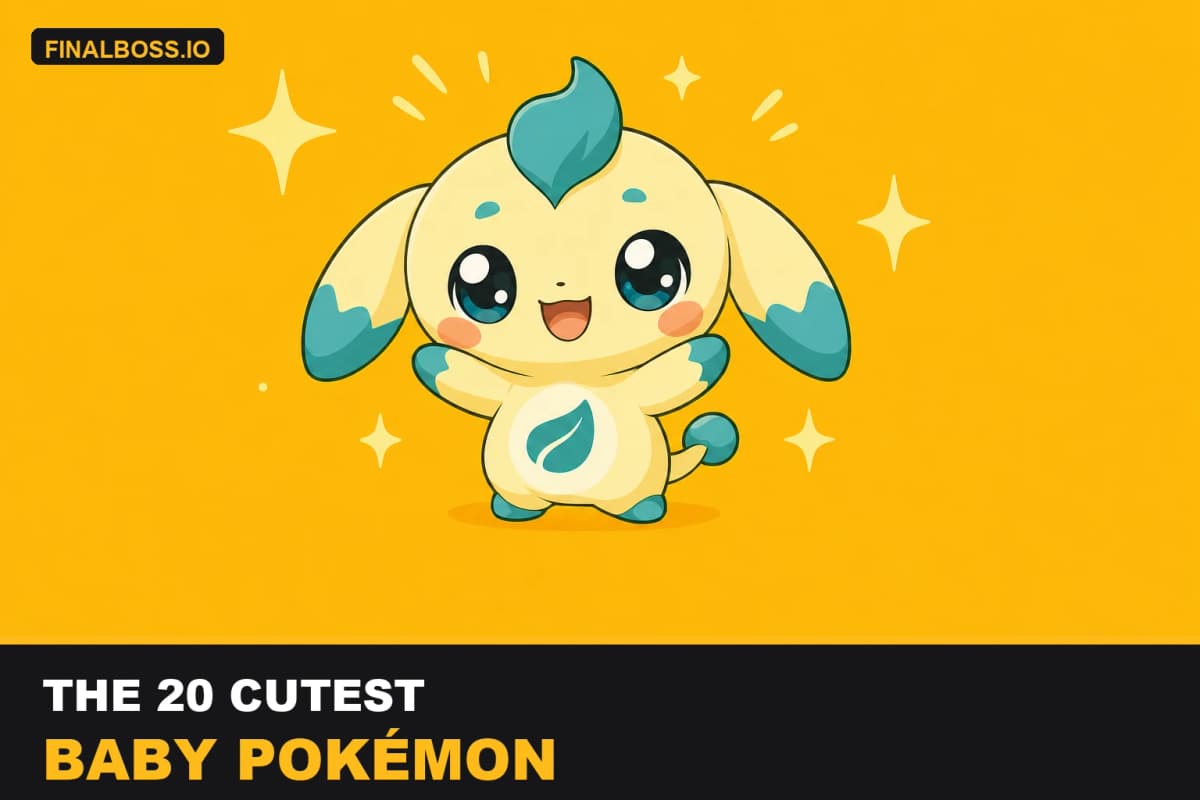
I care way too much about baby Pokémon – and I’m not even a little bit sorry.
My obsession started back in Generation II, biking endless loops outside the daycare, waiting for that first egg to hatch. When it finally cracked and a tiny Pichu stared back at me, that was it. I stopped seeing Pokémon just as stats and type charts, and started seeing them as little stories – especially the babies. To this day, whenever a new generation drops, I’m secretly hoping for one thing: did they add a new baby form?
Table of Contents (32)
Baby Pokémon Are Secretly the Heart of the Series
People love to argue about cover legendaries, broken Paradox mons, and competitive metas. But for me, the soul of Pokémon lives in its tiniest, neediest pre-evolutions. Baby Pokémon turned breeding from a weird side system into something emotional. They made us care about where our teams come from, not just what they can sweep.
- Baby Pokémon debuted in Gen II and completely changed how we think about eggs, evolution, and bonding.
- Their designs aren’t just “smaller versions” – they use deliberate visual cues to crank the cuteness (and merch potential) to 11.
- Wildly different evolution methods (friendship, items, time of day, held items, even party composition) push players into exploring the game’s systems.
- They quietly keep older lines relevant – I’d argue Munchlax did more for Snorlax than any regional form ever could.
My History With Baby Pokémon (And Why I’m So Picky)
I’ve been here since Red and Blue, when “breeding” wasn’t even a word in the series. Then Gold and Silver dropped, gave us eggs, and suddenly seven new baby forms showed up: Pichu, Cleffa, Igglybuff, Tyrogue, Smoochum, Elekid, and Magby. Later, Togepi joined the “baby” conversation too, thanks to that iconic egg-from-the-professor moment and its anime stardom.
Since then, I’ve raised every official baby Pokémon across multiple generations: from spamming Soothe Bell friendship grinds to abusing Flame Body and long bike paths to mass-hatch boxes of eggs. I’ve felt the joy of evolving a hard-earned Riolu at sunrise – and the pain of realizing my Tyrogue’s stats are wrong and I’m getting the “wrong” Hitmon again.
So this ranking isn’t some detached list. It’s shaped by years of hatching, evolving, and yes, buying way too many plushies. I’m judging these little gremlins on three things:
- Design & cuteness: proportions, face, body language, and how well they read as “younger version” of their evolution.
- Gameplay & evolution: how interesting their evolution or breeding mechanics are, and whether they add something to the line.
- Cultural impact & vibes: anime, memes, merch, community love – and my own emotional bias.
What Actually Makes a Baby Pokémon?
There’s the official definition – a species that can only hatch from an egg, sits at the bottom of its line, and usually needs some extra condition (friendship, items, time of day, special moves, or incense breeding) to exist at all. Think: eggs from Snorlax only becoming Munchlax if it’s holding Full Incense.
Then there’s the design reality: baby Pokémon are smaller, rounder, and softer. Limbs get stubbier, eyes get bigger, colors get brighter, and behavior gets way more “toddler having a day.” Toxel’s permanent annoyed-tongue-out expression? That’s not an accident. It’s weaponized baby energy.
Gen II laid the foundation, but later generations refined the formula. By the time Toxel showed up in Gen VIII, baby Pokémon design was basically an art form: clear link to evolution, but with posture, expressions, and proportions that scream “I can’t even walk straight yet.”
My Definitive Ranking of the 20 Cutest Baby Pokémon
Yes, I know there are only 19 official baby species. I’m still doing a Top 20 – the last slot goes to an “honorary” baby that absolutely lives in that space design-wise. Fight me.
1. Pichu – The Mascot’s Baby That Stole the Show
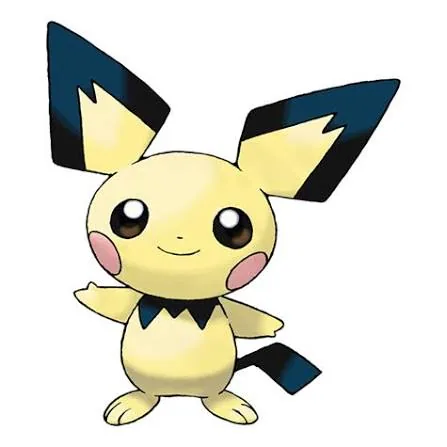
If Pikachu is the face of Pokémon, Pichu is the soul. When Pichu showed up in Gen II, it wasn’t just “Pikachu, but smaller.” It was purer. Rounder cheeks, shorter ears, tiny limbs, and that slightly clumsy vibe – it feels like Pikachu before it figures out how to be confident.
Culturally, Pichu is untouchable: anime appearances, Smash Bros., and more plushies than any of us want to admit to owning. Mechanically, making it evolve by friendship is absolutely the right call – it forces you to actually travel with it, not just power-level it in a box. That bonding loop is peak baby Pokémon design.
Trainer tip: If you want a fast Pichu evolution, slap a Soothe Bell on it, avoid letting it faint, and run laps – friendship stacks quickly when you’re moving and leveling together.
2. Munchlax – The Glutton That Made Snorlax Cute Again
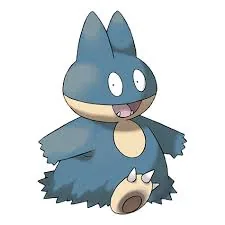
Snorlax has always been iconic, but Munchlax made the line adorable again. It’s the perfect baby version: chunky body, stubby legs, tiny arms it can barely use, and that permanently hungry expression. It looks like it’s one nap away from just evolving out of spite.
Munchlax also did something really important for older players: it reignited interest in a Kanto classic. Suddenly Snorlax wasn’t just that roadblock you wake up with a flute – it was something you’d actively breed for, nurture, and maybe even display next to your Snorlax bed and Munchlax plush for the full glow-up narrative.
Trainer tip: To hatch Munchlax, remember your Snorlax needs to hold Full Incense. For evolution, treat it like a Pichu: max friendship, then level up.
3. Togepi – The Original Egg Baby With Serious Lore Power
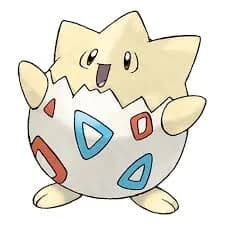
Togepi is the closest thing Pokémon has to a newborn. Still half-stuck in its shell, waddling around like it just learned what legs are – it nails the “freshly hatched” fantasy better than anything else in the series.
In-game and in the anime, Togepi is loaded with emotional weight. It’s your special egg, your first sense that this world has mysteries beyond tall grass encounters. Its fairy typing in modern games makes its look and role feel even more right. And here’s a fun nerd detail: only around twelve percent of Togepi are female, which makes hunting a perfect female Togepi for breeding an oddly satisfying mini-challenge.
Trainer tip: Friendship evolution again – keep it in your party, use healing items on it instead of the Pokémon Center sometimes, and avoid letting it faint to get Togetic faster.
4. Happiny – Weaponized Happiness in Pokémon Form
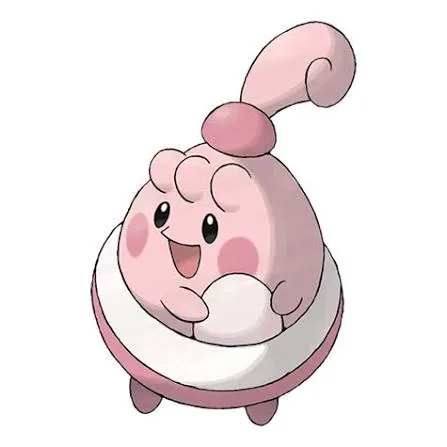
Happiny doesn’t just look happy – it is happiness coded into a sprite. That pink swirl of joy, the huge eyes, and especially the way it clutches its little fake “egg” rock to copy Chansey and Blissey… it’s pure mimicry-of-mom energy and it kills me every time.
Always female, always trying to imitate its evolved forms, Happiny is one of the few baby Pokémon whose behavior actually deepens the lore of the line. The evolution method – leveling up in the daytime while holding an Oval Stone – cleverly forces you to pay attention to time and held items, not just level.
Trainer tip: Don’t forget the time-of-day requirement. If your Happiny isn’t evolving, check the clock – no amount of grinding will fix a midnight level-up.
5. Toxel – Modern Baby Design at Its Absolute Peak
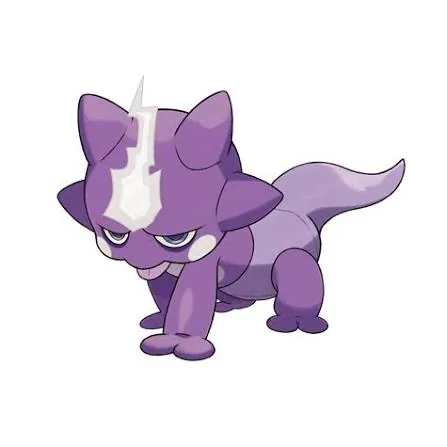
Toxel is everything I want from a modern baby Pokémon: expressive, weird, and dripping with character. The Electric/Poison typing is already spicy, but what sells it is the posture and face. It crawls like a frustrated infant, tongue out, looking permanently unimpressed with life. It’s the grumpy baby meme turned into a Pokémon.
What I love most is how hard the evolution swing hits. Toxtricity feels like the moody teenage phase of this annoyed baby – from crawl to slouch, from whining to shredding. That emotional arc makes the line one of the strongest glow-ups in recent generations.
Trainer tip: Toxel evolves at level 30, and its nature decides which Toxtricity form you get. If you care about Amped vs Low Key, check the nature chart before committing.
6. Bonsly – The Crybaby Rock That Tricks Everybody
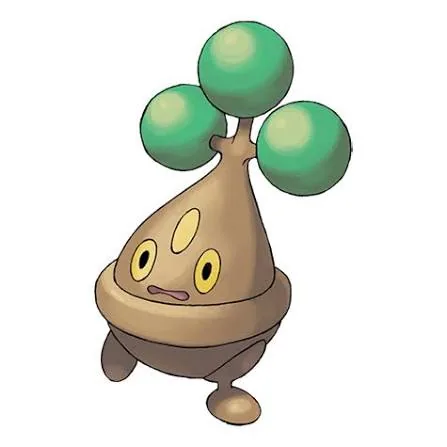
Bonsly is hilarious on every level. It looks like a baby bonsai, so your brain screams “Grass-type,” and then the game goes, “Actually? Rock.” That little fake-tree gag from Sudowoodo extended backward makes the whole line feel more cohesive and clever.
The crying lore detail is what pushes Bonsly into top-tier baby status for me: it “cries” to expel excess moisture, and inexperienced Trainers think it’s actually sad. That’s just such a baby-Toddler energy move – dramatic, messy, and extremely on brand.
Trainer tip: In many games, Bonsly evolves into Sudowoodo after leveling up knowing Mimic. Double-check it has the move before grinding levels.
7. Elekid – Walking Power Plug With Too Much Energy
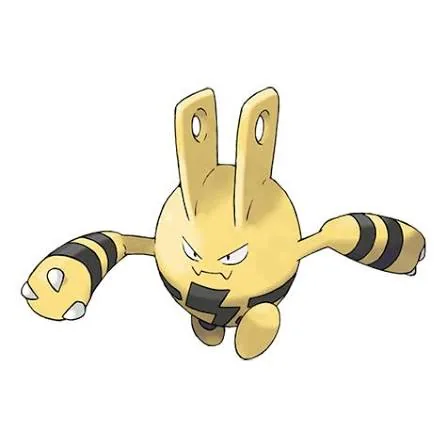
Elekid is easily one of the best “elemental baby” designs Pokémon’s ever done. The egg-shaped yellow body with those electrical prongs sticking out of its head is genius – simple silhouette, instantly readable theme. It looks like it just electrocuted itself five seconds ago and hasn’t realized it yet.
Its lore about loving thunderstorms fits perfectly – of course this thing wants to stand outside in a storm and charge itself up. Compared to Magby, which veers a little into uncanny territory, Elekid feels cleaner and more focused conceptually and visually.
Trainer tip: Elekid usually evolves at level 30. If you’re planning on going all the way to Electivire later, think ahead about your nature and ability before you start breeding in bulk.
8. Cleffa – The Star Child That Perfected “Round and Soft”
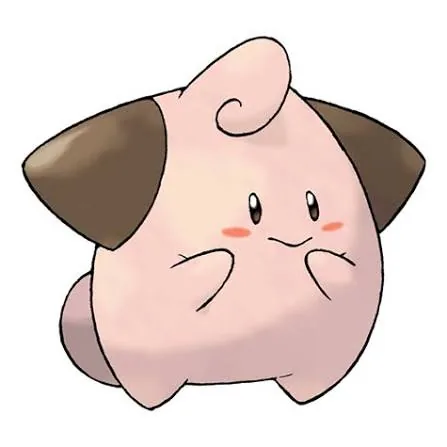
Cleffa is absurdly cute, even by baby standards. It’s like the designers asked, “How many curves can we reasonably put on one sprite?” and answered “Yes.” Tiny limbs, big head, soft color palette – it looks like it squeaks instead of cries.
As Clefairy and Clefable shifted into Fairy typing, Cleffa’s cosmic, star-watching lore and dreamy design suddenly felt like it had been Fairy all along. The friendship evolution suits it – this is a Pokémon you don’t grind, you just carry with you and let it exist.
Trainer tip: Cleffa, like most friendship evos, benefits a ton from vitamins and battling weaker wild Pokémon while holding a Soothe Bell – fast friendship, low risk of fainting.
9. Igglybuff – A Literal Bubble of Cuteness
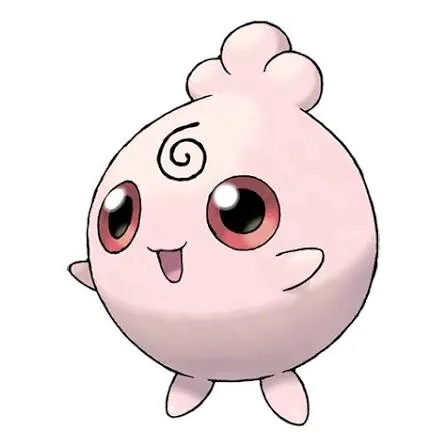
Igglybuff is dangerously round. It looks like if you poked it too hard it might just roll away forever. As a baby form of Jigglypuff, it leans fully into the balloon concept: big eyes, tiny swirl, squishy body that seems built purely to be hugged.
The whole Jigglypuff line is about voice and song, and Igglybuff as a wobbly, squeaky pre-singer just works. It’s not as personality-loaded as some later babies, but as a design exercise in “make this thing as soft as possible,” it absolutely succeeds.
Trainer tip: Evolve it with friendship and try not to use it as a punching bag in battle – it’s not built to tank hits early on.
10. Wynaut – The Little Psychic That Can’t Stop Smiling

Wobbuffet was already iconic, but Wynaut retroactively makes the line feel complete. It’s like someone shrunk Wobbuffet in the wash and gave it a slightly too-big head and permanent smile. It’s simple, but that works – the tail-eye detail is still there, and the silhouette is instantly recognizable.
From a gameplay perspective, Wynaut is one of those babies that quietly teaches you how a weird line functions. By the time it becomes Wobbuffet, you’ve already lived through the “counter/mirror coat only” playstyle, which makes its odd moveset feel less jarring.
Trainer tip: Remember that to hatch Wynaut, its parent Wobbuffet usually needs to hold Lax Incense – otherwise you just get more Wobbuffet eggs.
11. Azurill – The Tail-Heavy Baby That Barely Counts as Amphibious
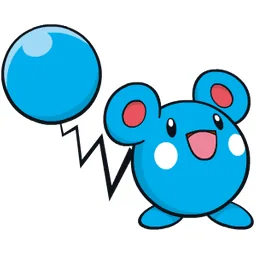
Azurill has one of the funniest body ratios in the series. Half of its mass is just… tail. That giant blue ball seems almost more alive than the rest of it, which gives the design a really playful, bouncy feel.
As the starting point for the Marill–Azumarill line, Azurill feels more like a land baby that dreams of being aquatic one day. The fact that it started life as a Normal-type and only later in the series leaned into the Water/Fairy path makes that “in-between” feeling even stronger.
Trainer tip: Azurill also evolves via friendship, so camping, playing, and feeding it treats in games that support those systems is an easy way to speed things up.
12. Mantyke – The Tiny Ray That Makes the Ocean Feel Alive
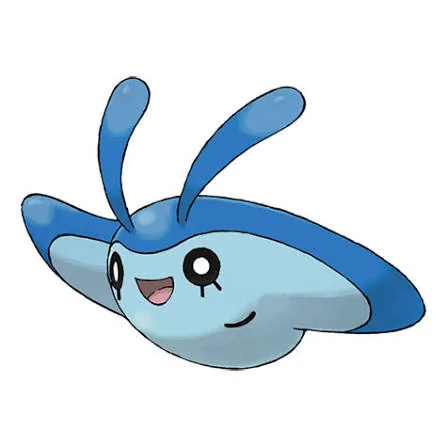
Mantine always felt a bit lonely to me until Mantyke arrived. Suddenly the big friendly manta ray had a pre-evo that matched its warmth: wide “wings,” joyful eyes, and a body shape that reads clearly as “kid version” without losing the overall manta silhouette.
Mechanically, Mantyke has one of the coolest evolution requirements in the baby roster: it evolves into Mantine when you level it up with a Remoraid in the party. That’s flavor. That’s ecosystem storytelling. It’s the kind of design choice I wish Game Freak made more often.
Trainer tip: Don’t forget the Remoraid. If your Mantyke refuses to evolve, check your party first, not your level.
13. Tyrogue – The Scrappy Kid Destined for a Fight
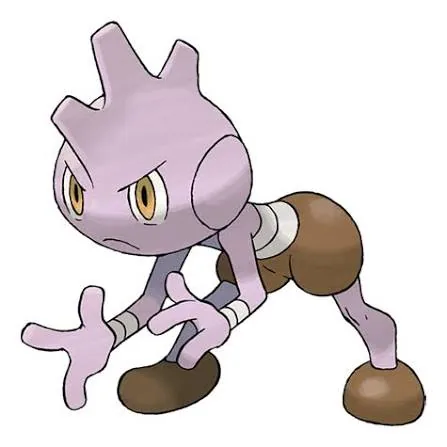
Tyrogue is definitely less “aww” and more “oh no, this child punches.” It’s a bit more humanoid than most baby Pokémon, which makes some people bounce off it, but I actually appreciate what it’s doing: this is the raw potential of the Hitmon trio in messy, unrefined form.
The evolution gimmick – Attack higher for Hitmonlee, Defense higher for Hitmonchan, equal for Hitmontop – might be the most interesting baby evolution mechanic in the whole series. It turns this one little fighter into a branching destiny puzzle you can actually play with.
Trainer tip: If you’re aiming for Hitmontop, micromanage EVs and nature early – keep Attack and Defense balanced as you level to avoid locking yourself into Lee or Chan.
14. Smoochum – A Weird, Memorable, and Surprisingly Cute Humanoid
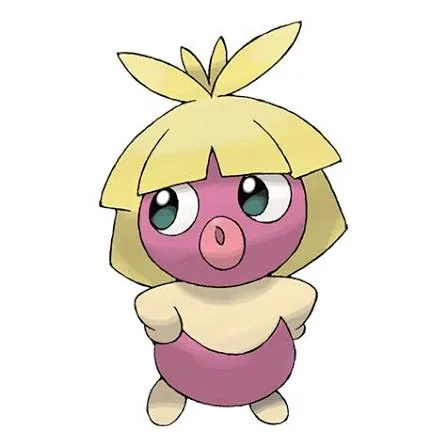
Smoochum is controversial, and I get it. Humanoid babies in Pokémon are always a risk. But as Jynx’s pre-evolution, Smoochum does a lot of heavy lifting: the blonde hair, big lips, and oversized eyes all read as “kid,” and the Ice/Psychic typing is still intact in its visual language.
Is it unconventional cute? Absolutely. But I’d rather have a bold, slightly strange baby design than something totally forgettable. Smoochum sticks in your brain, and in a 1,000+ species franchise, that counts for a lot.
Trainer tip: Smoochum evolves by level (typically 30), so this is one of the few babies you can safely power-level without worrying about friendship gimmicks.
15. Riolu – The Proto-Lucario With Shonen Protagonist Energy
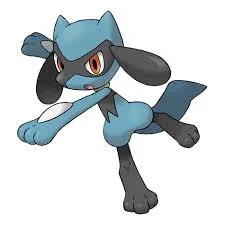
Let’s be honest: Lucario would’ve stayed popular even without a baby form. But Riolu amplifies the line’s appeal by giving it a proper origin story. It looks like a scrappy martial arts kid – oversized paws, big ears, determined eyes – and it somehow manages to be both tough and adorable.
The fact that it evolves into Lucario through high friendship during the day is on-brand. Lucario’s whole thing is aura and bond, so tying its origin to emotional connection rather than pure experience points just makes sense.
Trainer tip: Time-of-day matters again here. If your Riolu is stuck, check that you’re leveling it during daytime with maxed friendship.
16. Budew – The Sleepy Seed of One of Sinnoh’s Best Grass Lines
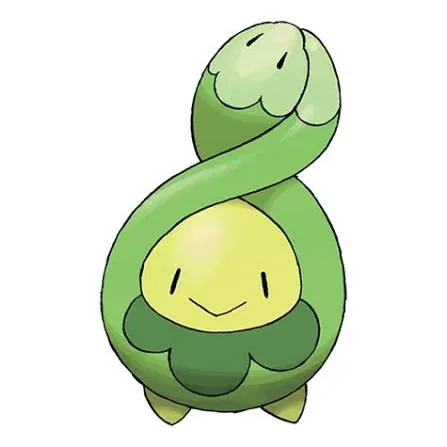
Budew is easy to overlook, but once you pay attention, it’s quietly one of the more elegant baby designs. It looks like a bud that hasn’t quite bloomed, eyes half-closed, body swaddled in its own leaves. It feels fragile in a way that makes evolving it deeply satisfying.
As the start of the Roselia–Roserade line, Budew gives that family a life cycle: bud to bloom to full-blown thorny assassin. Making it evolve via daytime friendship adds a nice “growing in the sun” metaphor on top.
Trainer tip: Budew can be painfully slow to evolve if you ignore friendship. Use items, keep it out of faint-heavy battles, and evolve it during the day.
17. Mime Jr. – The Little Clown That’s Much Less Creepy Than Mr. Mime
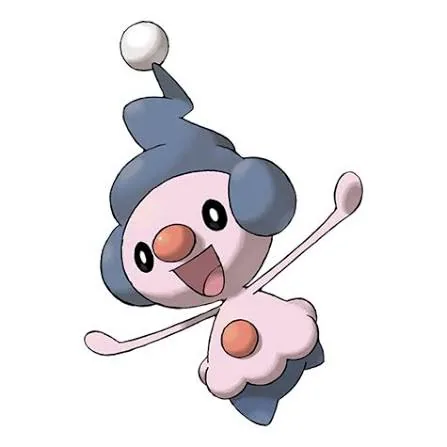
Mime Jr. accomplishes the impossible: it makes the Mr. Mime line… kind of cute. The jester hat shape, heart-shaped face marking, and tiny body all push it firmly into “stage kid” territory instead of “full-on circus nightmare.”
The evolution method – leveling up while knowing Mimic – is on-the-nose in the best way. This is literally a Pokémon that has to practice copying others before it “graduates” into its full mime role. That’s smart, thematic design.
Trainer tip: If you catch a Mime Jr. without Mimic, use a move reminder where possible to relearn it before pushing levels for evolution.
18. Magby – The Little Burner With Big Personality
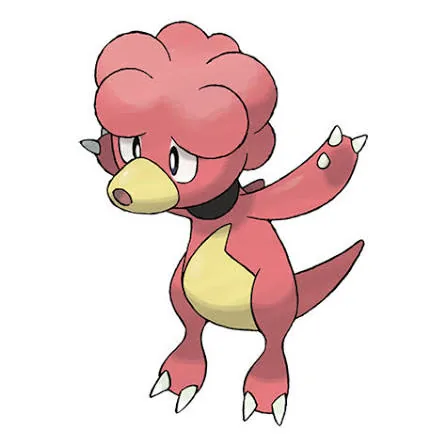
Magby is one of those designs that looks goofier the longer you stare at it, and I kind of love that. The duck-bill flame mouth, the chunky body, the perpetually flushed-looking head – it’s like a baby that’s been sitting too close to the campfire.
As a Fire-type counterpart to Elekid, I don’t think it’s quite as clean visually, but it absolutely nails the “tiny troublemaker” vibe. It feels like it would set your house on fire by accident and then cry about it.
Trainer tip: Like Elekid and Smoochum, Magby typically evolves at level 30. If you’re aiming for Magmortar later, plan your breeding and held-item strategies accordingly.
19. Chingling – The Tiny Bell That Barely Knows It’s Psychic
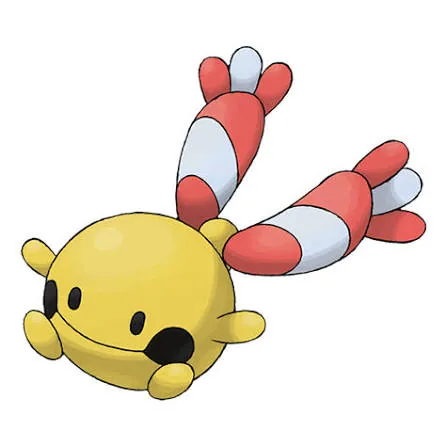
Chimecho desperately needed a pre-evo, and Chingling does the job well enough. The design is simple – a little bell with a ribbon and a very earnest face – but it gets the point across. You can almost hear the slightly off-key chime when you look at it.
It’s not the most memorable baby in the roster, and that’s why it’s this low for me. But its nighttime friendship evolution into Chimecho at least gives it a tiny bit of personality: this is a mon tied to quiet nights and distant sounds.
Trainer tip: Chingling needs high friendship and night-time leveling to evolve. If it’s not evolving, either your bond isn’t high enough yet, or you’re grinding at the wrong hour.
20. Cosmog (Honorary Baby) – Nebby, Get in the Bag
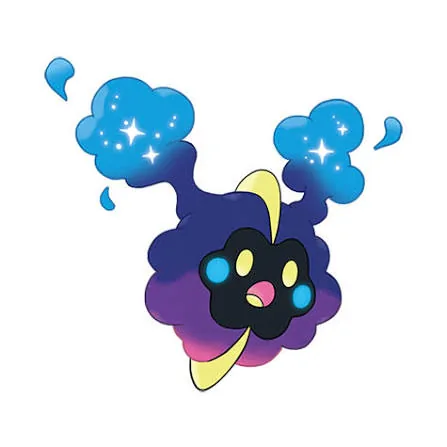
Okay, time for my one cheat. Cosmog is not officially classified as a baby Pokémon, but come on. It’s literally a tiny, crying nebula child you have to protect. It gets carried around in a bag, for Arceus’ sake. If that’s not baby energy, nothing is.
Design-wise, it’s brilliant: small, puffy, star-field colors, and a face that looks permanently on the verge of tears. As a pre-evolution to legendary powerhouses, Cosmog is the ultimate “you have no idea what this kid is going to become” story. That’s why it steals my twentieth slot.
Trainer tip: In games where you can raise Cosmog yourself, be patient – its evolution curve is slow, but the payoff in Cosmoem and eventually Solgaleo or Lunala is massive.
Why Baby Pokémon Hit Harder Than Most Legendaries
When I look back on years of playing Pokémon, it’s not just the big story fights I remember – it’s stuff like finally getting a Munchlax from that one obnoxious honey tree, or evolving a Budew at sunrise after babying it for hours, or walking literal kilometers in circles just to hatch the perfect Pichu.
Baby Pokémon matter because they:
- Turn systems into feelings: Breeding and friendship stop being abstract mechanics and become part of your bond with a specific, tiny face.
- Revitalize old lines: Munchlax, Happiny, Bonsly, and friends made older Kanto and Johto mons feel relevant again, both in-game and in merch.
- Teach design fundamentals: They show how to do “juvenile” versions that still read as the same species, a lesson a lot of monster-collecting games haven’t absorbed.
- Fuel nostalgia: Everyone has a baby Pokémon story – an anime Togepi moment, a Riolu gift egg, a Toxel they refused to evolve because the pout was too good.
They’re also a quiet design playground for Game Freak. Look at the variety of evolution triggers just in this list: friendship, items, time of day, move requirements, party composition. Baby Pokémon are where the devs get experimental without having to slap those mechanics onto box legends or poster mons.
And yes, they’re also a merch machine. Smaller, rounder, softer designs translate perfectly into plushies and figures. But I don’t see that as a bad thing. When the commercial incentive lines up with emotionally resonant design, we win too.
FinalBoss // Gear
Level up your setup
01Best-selling Switch 2 gameson Amazon→02Switch 2 accessorieson Amazon→038BitDo controllerson Amazon→04Discounted game keyson Kinguin→Affiliate links · As an Amazon Associate, FinalBoss earns from qualifying purchases.
Want to Level Up Your Gaming?
Get access to exclusive strategies, hidden tips, and pro-level insights that we don't share publicly.
Ultimate Gaming Strategy Guide + Weekly Pro Tips