
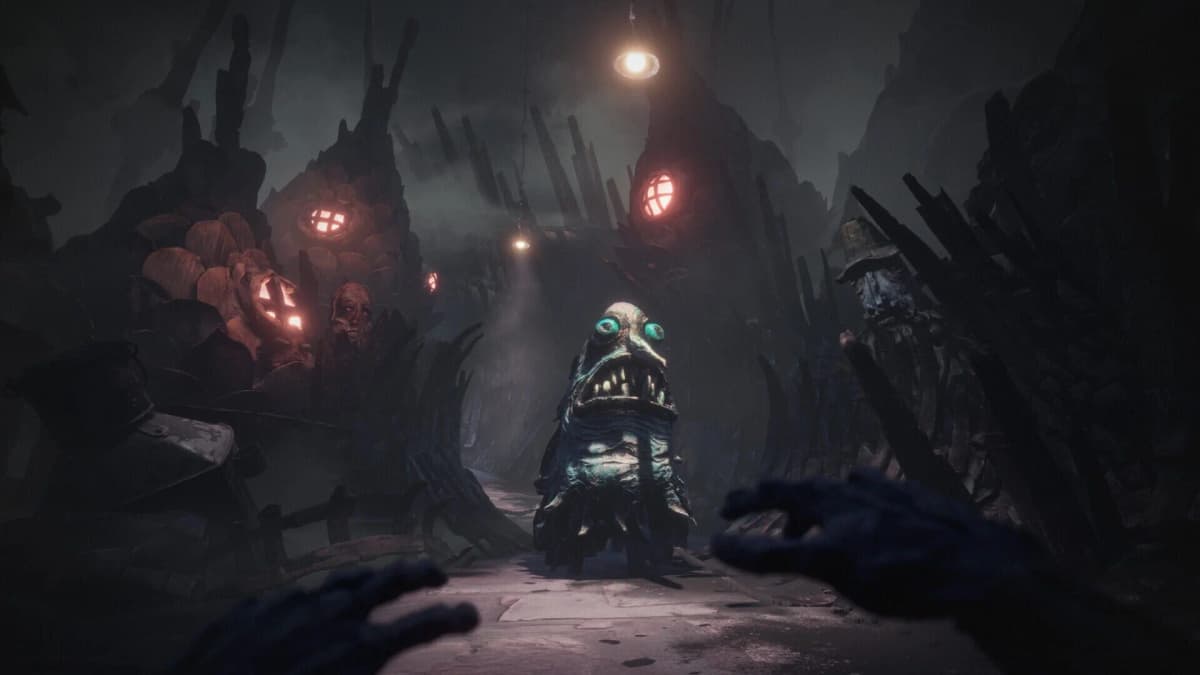
If you came looking for a full unlockable roster, here is the honest answer first: The Midnight Walk is not a party game. There are no recruit menus, class slots, or character pulls. You play one protagonist, you pick up one companion, and everything else is a named figure or a threat you meet on the road to Moon Mountain. This guide cuts the cast down to what is actually confirmed and explains which characters change how you play.
Table of Contents (11)
The short version
- You play: The Burnt One, the protagonist, from the opening with no alternate choice.
- Your companion: Potboy, the lantern creature you escort to the summit of Moon Mountain. His flame is the single most important mechanic in the game.
- The journey runs across six chapters (tales), ending with The Tale of Moon Mountain.
- Confirmed named figures: The Soothsayers, Moonbird, and Molgrim (who also lends his name to Molgrim Swamp).
- Confirmed threats: The Crawler and The Grinner, named clay-doll creatures, plus the dark itself.
- What matters for play: Potboy first, The Burnt One second, then the threats. The rest is story texture, not build choices.
What counts as the roster in The Midnight Walk
This game is character-driven, but not party-based. There are no hero unlocks or recruit slots. The journey is built around The Burnt One, the protagonist you control, and Potboy, the lost lantern creature whose flame becomes the center of exploration, puzzle-solving, and danger. The wider cast matters for tone and for the identity of each tale, but those figures are not playable units or permanent build choices.
That changes what “meta” means here. There are no damage tiers or team comps. The meta is simply which characters shape the safest, most efficient way through the stealth sections, the environmental puzzles, and the monster encounters. By that measure Potboy is the clear standout, then The Burnt One, then the hostile forces that pressure your movement.
The two characters that define your playthrough
The Burnt One
How you get them: automatically at the start. The Burnt One is the role you inhabit from the opening, so there is no unlock, branch, or alternate protagonist.
What they do: everything player-facing runs through The Burnt One — movement, hiding, interacting with objects, and reading a dark environment. This is less a “character pick” and more the fixed lens every mechanic is filtered through.
Why they matter: essential, but not flexible. Every good decision starts with positioning, patience, and observation. You are not optimizing a loadout; you are optimizing how you move through spaces where light is limited and mistakes are punished quickly.
Potboy
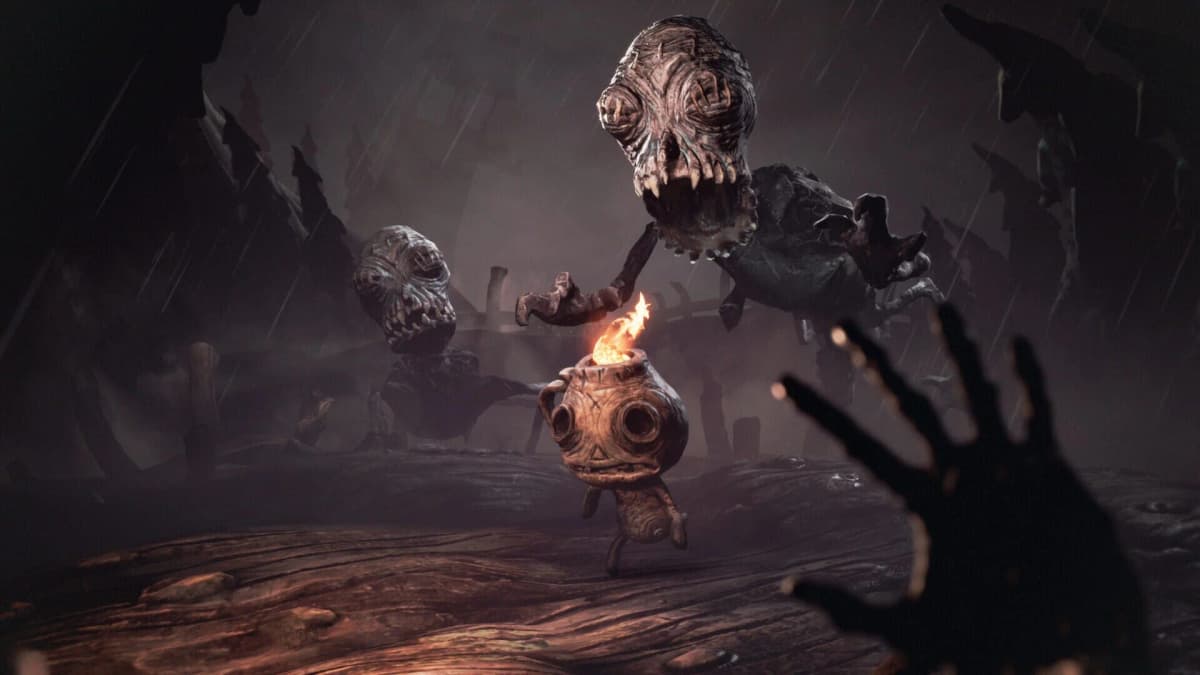
How you get him: Potboy joins through the main story very early. He is not optional and has no side requirement. Once he is your companion, he defines the rest of the core loop — the whole journey is escorting him to the summit of Moon Mountain.
What he does: Potboy is the flame-bearer, and that flame is the game’s key resource. It drives visibility, puzzle interaction, and progression. It is also a liability, because the world’s creatures are drawn to snuff it out. That makes Potboy both your best tool and your biggest responsibility.
Why he matters: highest in the game. If you remember one name from this guide, make it Potboy. Most of the skill ceiling comes from knowing when to protect him, when to use his flame to solve a space, and when leaving him exposed is too risky. He is the central mechanic wrapped in a character. For the full picture, see our guide to using Potboy for light puzzles and stealth.
The threats that matter as much as the heroes
The dark
How you encounter it: constantly. The darkness is not a character you recruit, but it functions like one because it shapes every part of the journey. It is the world condition you push through from beginning to end.
Why it matters: extreme. The value of Potboy’s flame, the need to listen carefully, and the stealth pressure all exist because the dark is always working against you. Treat it as a character-level threat, not background atmosphere.
The Crawler and The Grinner
How you encounter them: as named clay-doll creatures within the game’s handmade world. The Crawler is a confirmed named figure, and The Grinner is a named clay doll you meet in the final chapter, The Tale of Moon Mountain.
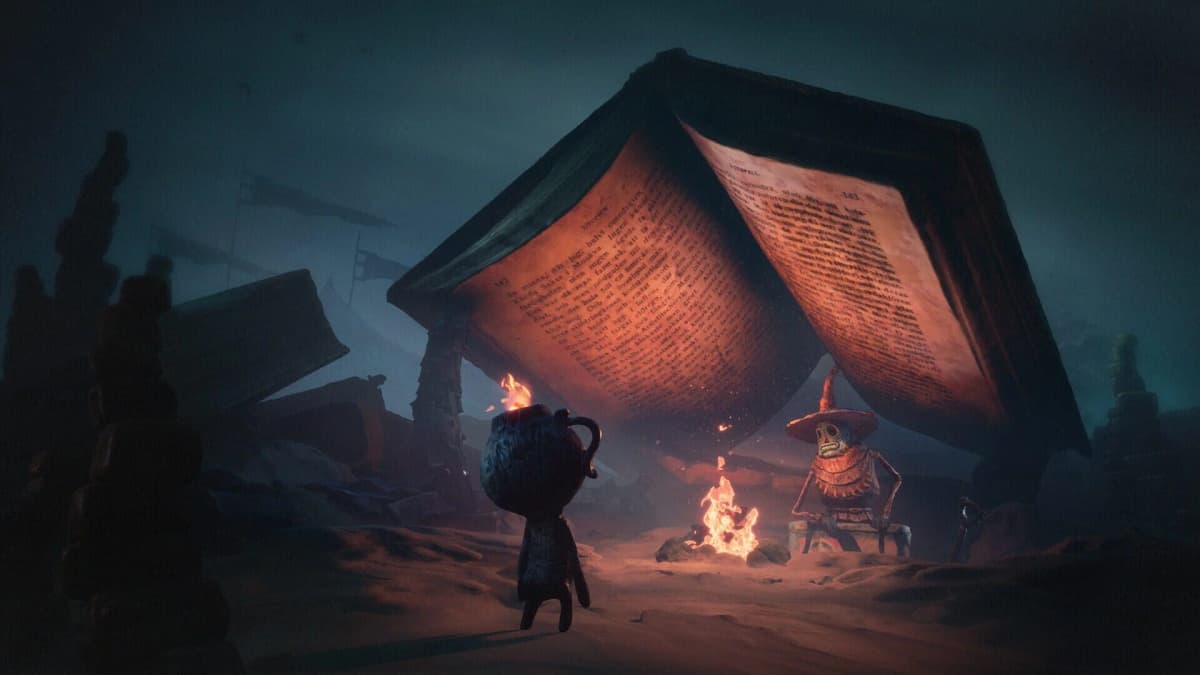
Why they matter: very high. These creatures teach the game’s real rules — move carefully, respect sightlines, use hiding spots, and never assume light makes you safe. If Potboy is your best utility, the threats are what force you to use that utility intelligently.
The named cast and where they fit
Beyond the central duo, the game spreads named figures across its six tales. They are met through main progression, not unlocked through any roster system, so the honest acquisition wording is “main-story encounter.” These are the names confirmed in the game’s collectible and figurine documentation:
- The Soothsayers — part of the prophecy-heavy, folklore-driven identity of the world. Low gameplay impact, high narrative weight: they frame how the journey is meant to be read.
- Moonbird — a memorable named figure tied to the game’s Moon Mountain framing. You meet it through progression; its weight is thematic rather than build-defining. If you are stuck on its sequence, our Moonbird shard puzzle guide walks through the solution.
- Molgrim — another confirmed named figure who also lends his name to Molgrim Swamp. Useful to know for completeness, not a meta-defining character for movement or survival.
- The Headmaster — a named figure you meet within the tale-based structure. Worth recognizing as part of the cast, but a story role rather than a permanent gameplay one.
If you have seen lists naming an “Headmistress,” an “Auntie Murkle,” a “Soulfisher,” a “Thief,” or a walking house called “Housy,” treat those with caution — they are not confirmed in the game’s own materials, and the Chapter figure is named The Headmaster, not the Headmistress.
Common mistakes
- Looking for character swaps. There are none. You play The Burnt One the whole way; there is no alternate protagonist to unlock.
- Treating Potboy as a cosmetic sidekick. His flame is a resource and a liability at once. Mismanaging it is the fastest way to die.
- Assuming the journey is five tales. It is six chapters, ending with The Tale of Moon Mountain.
- Repeating unverified names. “Headmistress,” “Housy the House,” and a plural “Crawlers” enemy type show up in scattered lists but are not confirmed; the named threats are The Crawler and The Grinner.
Practical takeaway
The confirmed roster of The Midnight Walk is small and clear: you play The Burnt One, you escort Potboy across six tales to the summit of Moon Mountain, and you survive the dark and its named clay creatures, The Crawler and The Grinner. The named figures — The Soothsayers, Moonbird, Molgrim, and The Headmaster — add story texture, not party slots. When anyone talks about who “matters,” they mean Potboy first, then The Burnt One, then the threats. For the encounters themselves, follow our full chapter walkthrough.
FinalBoss // Gear
Level up your setup
01Top-rated gaming headsetson Amazon→02High-refresh gaming monitorson Amazon→03Gaming chairson Amazon→04Discounted game keyson Kinguin→
Affiliate links · As an Amazon Associate, FinalBoss earns from qualifying purchases.
Want to Level Up Your Gaming?
Get access to exclusive strategies, hidden tips, and pro-level insights that we don't share publicly.
Ultimate Guide Strategy Guide + Weekly Pro Tips