
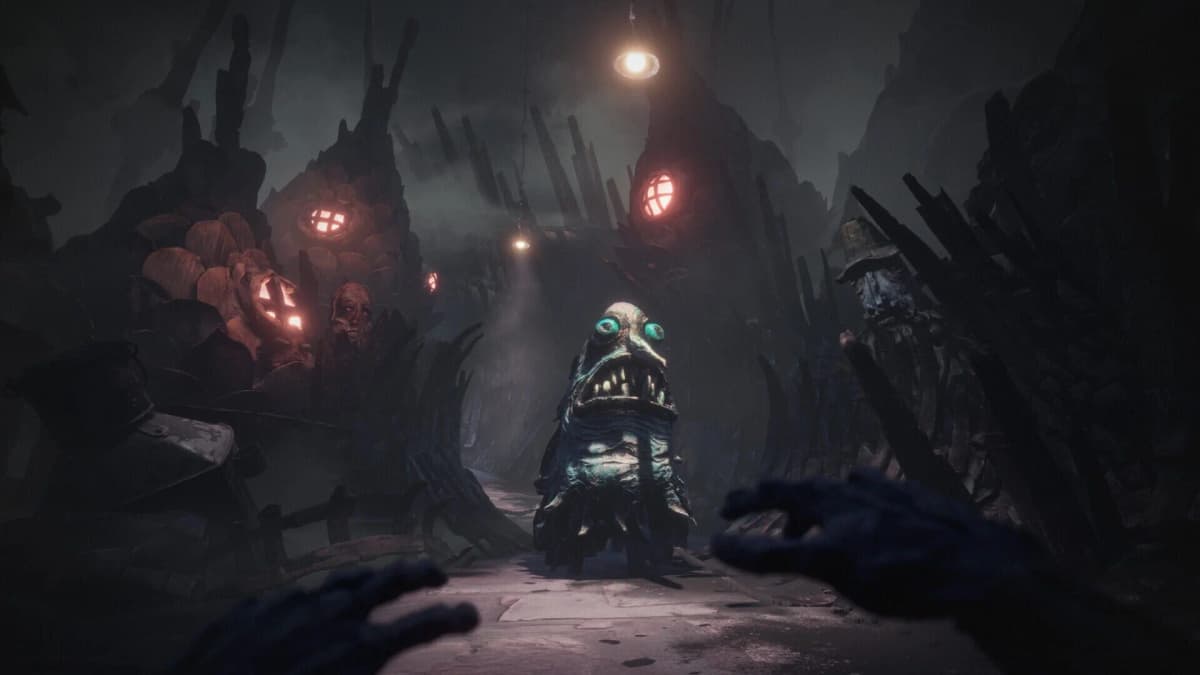
The Midnight Walk looks opaque, but it is not. It is a linear, stop-motion puzzle-stealth game built on three rules: read the symbols, manage your light, and protect Potboy. Almost every “I’m stuck” moment comes down to missing one of those three in a room that is being far more specific than its handmade art lets on. Here is the full run, chapter by chapter, with the parts most first attempts get wrong.
Table of Contents (11)
The short version
- The game is six chapters, each titled “The Tale of…” — not five. The “five tales of fire and darkness” line is marketing copy, not the shipped structure.
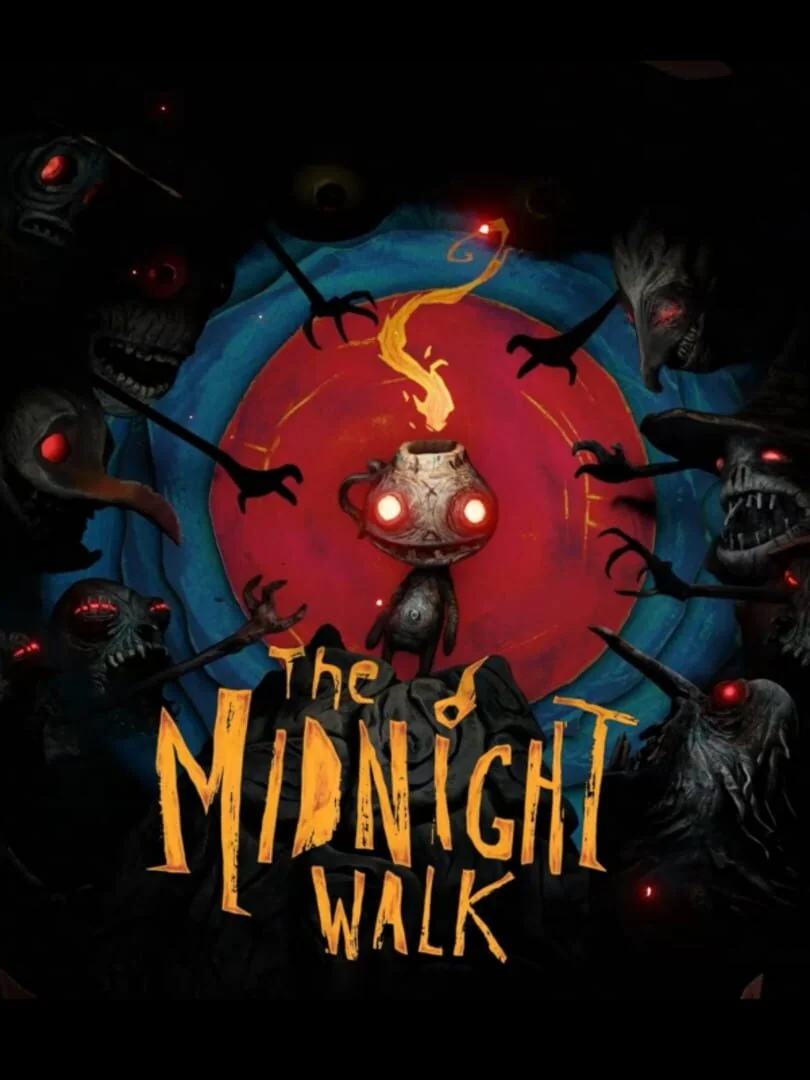
- The chapters, in order: The Burnt One → The Loathsome Molgrim → Coalhaven → The Craftsman’s Heart → The Dark → Moon Mountain.
- Core loop every room: spot a symbol, change the light or darkness state, then re-check the room — the path usually opens somewhere you weren’t looking.
- Glowing eye symbols are a “close your eyes” mechanic: you interact with darkness to clear barriers and transform statues. The most elaborate version is in Chapter 4.
- There is no combat. Enemy sections are pure stealth — keep Potboy close and move on a planned route, don’t improvise.
- The game has multiple endings tied to a late-game choice. Each chapter is around an hour, and you can revisit any chapter from the main menu, so ending and collectible cleanup is done after the credits, not gated mid-run.
How the game actually works
You progress by reading symbols, lighting or carrying fire, protecting Potboy, using cover during hostile stretches, and re-checking a room after the environment changes. Potboy is the lantern companion whose flame you protect, and most enemy pressure is built around that flame. Treat the game as a chain of controlled problem rooms linked by stealth, not as a scavenger hunt. The stop-motion presentation is the real difficulty: progression items and markers are sculpted to look like background, so the answer is often visible the whole time and just hard to register.
- Scan walls, floors, and props for symbols before you move on — markers, not random props, drive progress.
- Light sources are functional, not decorative. If you can light it, it probably does something.
- If an eye symbol appears, expect to close your eyes and interact with the dark state, not just the lit one.
- Thrown matches and relit objects change the room state at a distance.
- During danger, keeping Potboy alive beats squeezing in extra exploration.
- After any successful interaction, immediately re-check nearby doors, side paths, and upper walls.
Chapter 1 — The Tale of The Burnt One
The opening chapter teaches the rules without spelling them out. Follow the most readable lit route, interact with the first light source you reach, and stop treating dense scenery as noise. This is where players lose the most time, because the handmade look makes ordinary progression items vanish into the set. If you light an object and nothing obvious happens in front of you, the puzzle did not fail — the new route is usually behind you, off to one side, or higher on a wall than you expect. The lesson to leave with: symbols matter, light reveals routes, and one small interaction can change something larger elsewhere in the room.
Chapter 2 — The Tale of The Loathsome Molgrim
Chapter 2 asks for deliberate puzzle reading. You’ll use candles and marked surfaces to open paths or signal the correct order of objects, and the eye-symbol logic starts mattering. When a marked surface draws your attention, interact with that symbol specifically and consider whether you’re meant to shift perception — close your eyes and read the dark version of the space — rather than just push forward.
Match use also becomes a tool here. A match or throwable light is given because the solution depends on changing an object’s state at a distance, not because the game wants an attack. This chapter also contains the Moonbird puzzle, one of the most common stopping points in the game — if you’re stuck on the mural order, see our Chapter 2 Moonbird puzzle solution.
- If you can’t find the next key item, change the light or darkness first, then search again.
- If a symbol looks isolated, find its pair or its lit counterpart elsewhere in the same space.
- If the area seems fully explored, alter the room state and re-check edges, cracks, and side doors.
Chapter 3 — The Tale of Coalhaven
By the midpoint the puzzle loop is pressured by enemies. There is no conventional combat — these sections are hiding, sprinting, and route discipline. Potboy’s flame is both your tool and your liability: enemies key on the light, so hesitation gets punished. The correct play is to spot the next safe point before you leave the current one, then move decisively in one clean sequence. If you keep getting caught, it’s almost always positioning, not timing. For squeezing the most out of Potboy in these stretches, read our Potboy light-puzzle and stealth guide.
- Use hiding spots and terrain breaks whenever the game offers them.
- Sprint only when you already know where the next safe point is.
- Keep Potboy on the intended route; treating him as secondary is a common failure.
- If a chase starts, drop the collectible instinct and preserve the run.
Chapter 4 — The Tale of The Craftsman’s Heart
This is the chapter built around the eye mechanic. The “close your eyes” / open-your-eyes system reaches its most elaborate form here: closing your eyes interacts with darkness to clear barriers, and it transforms statues into monsters and back, shifting the world state around you. Solutions stop being tutorialized, so assume every successful interaction has a consequence outside the immediate camera view — a door opening in the previous room, a panel shifting on a side wall, a “decorative” path going active only after a nearby object is lit.
Split each room into layers: floor-level objects, eye-level symbols, and upper-wall or ceiling openings. Players burn time here by searching one layer over and over while the game has moved the answer into another — or into the dark state entirely.
Chapter 5 — The Tale of the Dark
The late game leans hardest into its self-contained tales, and Chapter 5 is the darkest of them. Each new scene can feel like a reset, but the logic does not change: light still marks progress, symbols still matter, and quiet story beats still hide interaction prompts. This is where players misread calm scenes as purely narrative. If progression stalls after a cutscene-like stretch, go back to the last object or symbol the game emphasized — the answer is usually inside the same motif it just foregrounded. Treat every transition as interactive until the route clearly moves again.
Chapter 6 — The Tale of Moon Mountain
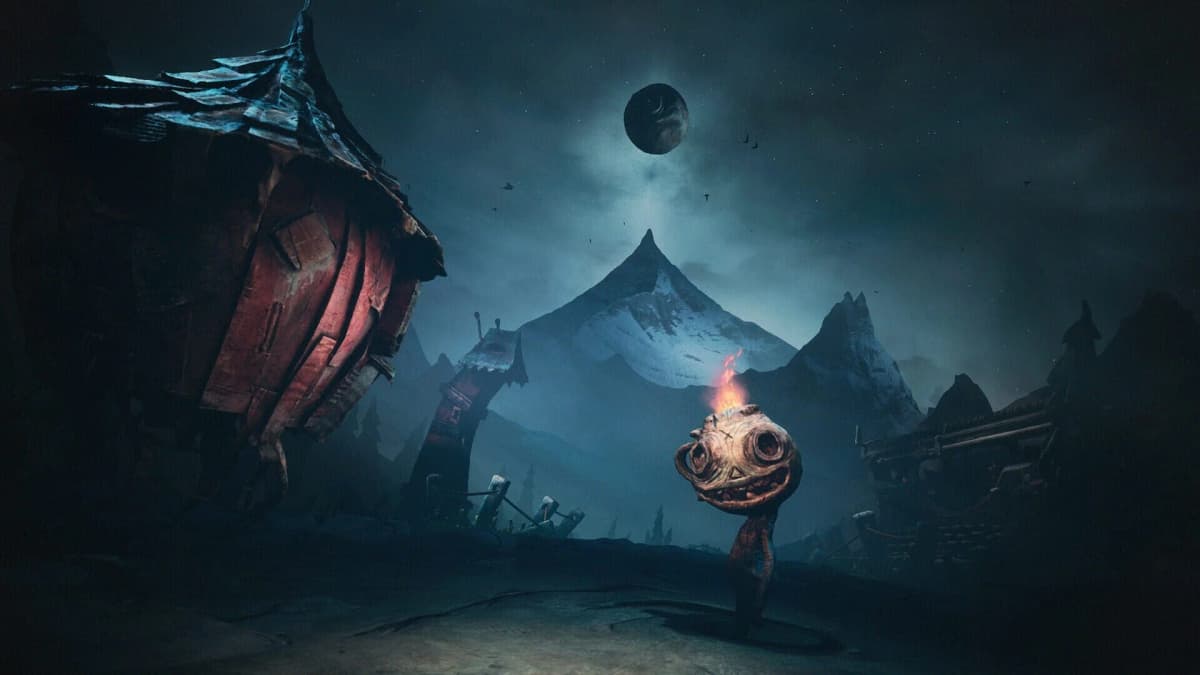
The final chapter is where a story clear and a full clear diverge. The game has multiple endings, so the last major decision area is the one to treat carefully: inspect it fully and don’t trigger the final sequence until you’ve checked for alternate interactions. If the game presents a final conversation, a Potboy-related action, or a last-use object, assume it can be ending-defining. Use a save near that point if your platform allows it.
Because each chapter runs roughly an hour and the main menu lets you replay any chapter, you don’t have to commit to one ending or risk a missable lockout. Clear the story, then return to the finale via chapter select to see the other ending and finish collectibles. Planning a 100% run? Our how long to beat it playtime guide breaks down story versus completion times.
The endings, honestly
The Midnight Walk has multiple endings, and they hinge on a late-game choice rather than scattered branch flags across the whole game. That makes ending cleanup simple: you do not need a second near-complete playthrough. Reach the finale, make one choice, then replay the final chapter from the menu and make the other. Keep a pre-finale save if you can, but the chapter-select option means it isn’t strictly required.
Common mistakes
- Counting five tales: there are six chapters, each “The Tale of…”. The “five tales” phrase is marketing, not the structure you’re playing.
- Symbol blindness: the room is waiting for you to notice a marker, not to ransack every prop.
- Ignoring the eye mechanic: when an eye symbol shows, close your eyes — progression often lives in the dark state, not the lit one.
- Not re-checking after lighting something: the path usually opens elsewhere in the room.
- Overexploring during enemy pressure: stealth sections are solved by route planning, not exhaustive searching.
- Sidelining Potboy: his flame is part of progression and the enemy trigger, not just atmosphere.
- Stressing about missables: you can replay any chapter from the menu, so cleanup happens after the credits.
Practical takeaway
Use the six chapters — The Burnt One, The Loathsome Molgrim, Coalhaven, The Craftsman’s Heart, The Dark, and Moon Mountain — as your backbone, and apply one rule set everywhere: read the symbols, manage light deliberately, close your eyes when the game shows you an eye, and keep Potboy on the route. There’s no combat to fear and no missable lockout to dread. Clear the story first, then return through chapter select for the second ending and any collectibles you skipped.
FinalBoss // Gear
Level up your setup
01Top-rated gaming headsetson Amazon→02High-refresh gaming monitorson Amazon→03Gaming chairson Amazon→04Discounted game keyson Kinguin→
Affiliate links · As an Amazon Associate, FinalBoss earns from qualifying purchases.
Want to Level Up Your Gaming?
Get access to exclusive strategies, hidden tips, and pro-level insights that we don't share publicly.
Ultimate Guide Strategy Guide + Weekly Pro Tips